Does Fiber Optic Support 4k Video Streaming and More
Fiber optic internet is the best choice for 4K video streaming and much more. It delivers blazing speeds and low latency that make 4K streaming smooth and reliable. Whether you watch movies, game, or video call, fiber optic handles it all with ease.
Have you ever tried to watch a movie in 4K resolution and ended up with a frozen screen or awful pixelation? It is super frustrating. You pay for high-quality content, but your internet just cannot keep up. That is where fiber optic internet comes in. Many people wonder, does fiber optic support 4K video streaming and all the other things we do online today?
The short answer is yes. Fiber optic technology is built to handle heavy data loads with ease. It uses light signals to transfer information, which means incredibly fast speeds and very low lag. Whether you are binge-watching your favorite show, hosting a video meeting, or gaming online, fiber optic delivers the performance you need. In this guide, we will break down everything you need to know about fiber optic and 4K streaming. We will cover speeds, bandwidth, comparisons, and practical tips to help you get the most out of your connection.
Key Takeaways
- Fiber optic easily supports 4K streaming: It provides the speed and stability needed for ultra-high-definition video.
- You need at least 25 Mbps for 4K: Fiber optic plans often deliver 100 Mbps or more, far exceeding requirements.
- Fiber optic beats cable and DSL for 4K: It offers lower latency, symmetrical speeds, and no throttling.
- Multiple devices work fine on fiber: You can stream 4K on several screens at once without buffering.
- Fiber optic does more than streaming: It supports gaming, video calls, smart home devices, and large file transfers.
📑 Table of Contents
- What Is Fiber Optic Internet?
- Does Fiber Optic Support 4K Video Streaming?
- How Much Speed Do You Need for 4K Streaming?
- Fiber Optic vs Other Internet Types for 4K Streaming
- Tips for Getting the Best 4K Experience on Fiber Optic
- Can Fiber Optic Do More Than 4K Streaming?
- Common Mistakes That Affect 4K Streaming on Fiber Optic
- Expert Insights on Fiber Optic and 4K
- Final Thoughts
What Is Fiber Optic Internet?
Fiber optic internet uses thin glass or plastic cables to send data as pulses of light. This is very different from traditional cable or DSL connections, which use electrical signals over copper wires. Because light travels extremely fast, fiber optic can deliver internet speeds that are unmatched by older technologies.
How Fiber Optic Technology Works
Inside a fiber optic cable, there are tiny strands of glass. A light source sends pulses through these strands, and a receiver on the other end interprets those pulses as data. This process happens in milliseconds. The result is an internet connection that is fast, stable, and incredibly reliable.
Here are some key features of fiber optic technology:
- Symmetrical speeds: Your upload and download speeds are the same.
- Low latency: There is very little delay when data travels from point A to point B.
- High bandwidth: Fiber optic can carry a massive amount of data at once.
- Long-distance reliability: Signals do not degrade over long distances like copper signals do.
All of these features make fiber optic a top choice for households and businesses that demand high performance. If you want to know more about how fiber optic compares to other options, you can explore our guide on whether Optoma projectors support true 4K output, which also touches on bandwidth needs for high-resolution content.
Does Fiber Optic Support 4K Video Streaming?
This is the big question, and the answer is a clear yes. Fiber optic internet fully supports 4K video streaming and can do so without any hassle. But let us look at why this is the case.
Understanding 4K Bandwidth Requirements
4K video, also called Ultra HD, has four times the resolution of standard 1080p HD. That means a lot more data needs to be sent every second to keep the picture crisp and clear. Here is a quick look at what different streaming qualities require:
- 1080p HD: Around 5 to 8 Mbps
- 4K UHD: Around 15 to 25 Mbps
- 4K HDR: Around 25 to 40 Mbps
- 4K with high frame rate: Around 40 to 50 Mbps
Most fiber optic plans offer speeds of 100 Mbps or higher. Some plans even go up to 1 Gbps (1,000 Mbps). That means you have more than enough bandwidth to stream 4K content. Even if you are running multiple devices at the same time, fiber optic can handle the load without breaking a sweat.
Why Fiber Optic Is Ideal for 4K Streaming
There are several reasons why fiber optic is the gold standard for 4K streaming:
- Consistent speeds: Unlike cable internet, fiber optic does not slow down during peak hours. Your neighbors streaming 4K at the same time will not affect your connection.
- Low latency: This is crucial for live streaming, gaming, and video calls. Fiber optic keeps delays to a minimum.
- No data caps (usually): Many fiber optic providers do not impose strict data limits, so you can binge-watch as much 4K content as you want.
- Reliable uptime: Fiber optic cables are less prone to interference from weather or electrical issues.
If you ever run into streaming issues, you might want to reach out to AT&T support for help troubleshooting your connection or equipment setup.
How Much Speed Do You Need for 4K Streaming?
Not all 4K streaming is the same. The speed you need depends on what you are watching and how many devices are connected. Let us break it down.
Single Device Streaming
If you are watching 4K content on one device by yourself, you need at least 25 Mbps. Most fiber optic plans easily exceed this. You will have a smooth, buffer-free experience even during peak evening hours.
Multiple Devices and Heavy Usage
Now imagine this scenario. You are streaming a 4K movie on your TV. Your partner is on a video call in another room. Your kids are gaming online. Your phone is updating apps in the background. That is a lot of data demand.
With a fiber optic connection of 200 Mbps or more, this is no problem at all. You have plenty of bandwidth to spare. Each device gets the speed it needs without affecting the others. This is one of the biggest advantages of fiber optic over standard cable internet.
Quick Tip: Test Your Speed Regularly
It is a good idea to run an internet speed test every few weeks. This helps you make sure you are getting the speeds you pay for. If your speeds drop consistently below what your 4K streaming needs, it might be time to contact your provider or upgrade your plan.
Fiber Optic vs Other Internet Types for 4K Streaming
Not all internet connections are created equal. Let us compare fiber optic to the most common alternatives when it comes to handling 4K content.
| Feature | Fiber Optic | Cable Internet | DSL |
|---|---|---|---|
| Typical Download Speed | 100 – 1,000 Mbps | 10 – 300 Mbps | 1 – 100 Mbps |
| Upload Speed | Symmetrical (same as download) | Asymmetrical (much lower) | Asymmetrical (much lower) |
| Latency | Very low (1-5 ms) | Moderate (10-30 ms) | Higher (20-70 ms) |
| 4K Streaming Reliability | Excellent | Good (can slow during peaks) | Poor to Moderate |
| Data Throttling | Rare | Common during congestion | Common |
| Distance Sensitivity | Very low | Moderate | High (degrades with distance) |
As you can see, fiber optic is the clear winner for 4K streaming. Cable internet can handle 4K too, but it is more likely to slow down when many users are online. DSL struggles with 4K in most cases because its speeds are simply too low.
Tips for Getting the Best 4K Experience on Fiber Optic
Having fiber optic is only half the battle. You also need the right setup to enjoy 4K streaming at its best. Here are some practical tips:
1. Use a Wired Connection When Possible
Wi-Fi is convenient, but a wired Ethernet connection is more stable and faster. If your streaming device supports it, plug in directly with an Ethernet cable. This reduces the chance of interruptions and keeps your 4K stream running smoothly.
2. Upgrade Your Streaming Device
Not all devices can play 4K content. Make sure your smart TV, streaming stick, or media player supports 4K resolution. Older devices may only handle 1080p or even lower. Check the specs before you buy a new streaming device.
3. Check Your Streaming App Settings
Apps like Netflix, Disney+, and YouTube let you adjust video quality. Go into the settings and make sure 4K or Ultra HD is enabled. Some apps default to lower resolutions to save data, which defeats the purpose of your fast fiber optic connection.
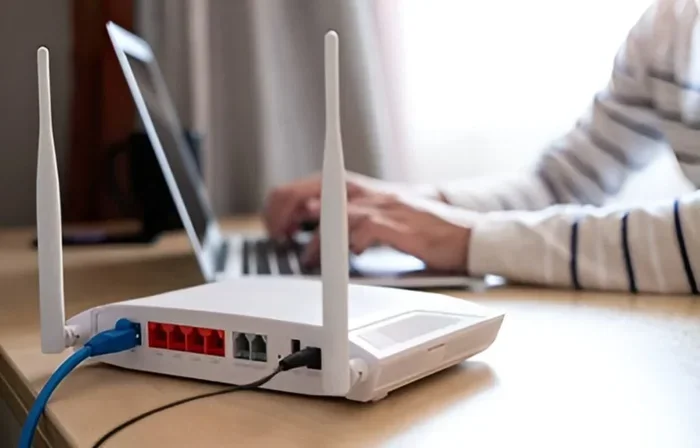
4. Keep Your Router Updated
Your router plays a big role in your streaming quality. Make sure it supports the latest Wi-Fi standards, like Wi-Fi 6. An outdated router can bottleneck your speeds, even if your fiber optic plan is blazing fast.
5. Use a Mesh Network for Large Homes
If you have a big house, Wi-Fi signals can weaken in certain rooms. A mesh network system helps distribute your fiber optic signal evenly throughout your home. This means every room gets strong, reliable speeds for 4K streaming.
Can Fiber Optic Do More Than 4K Streaming?
Absolutely. While 4K streaming is one of the most popular uses for high-speed internet, fiber optic can do so much more. Let us look at some other activities that benefit from a fiber optic connection.
Online Gaming
Gamers love fiber optic because of its low latency. When you are playing a fast-paced online game, every millisecond counts. Fiber optic keeps your inputs responsive and your connection stable. You will notice fewer lag spikes and disconnections compared to cable or DSL.
Video Conferencing
With more people working from home, video calls have become a daily necessity. Fiber optic provides crystal-clear video and audio for platforms like Zoom, Microsoft Teams, and Google Meet. You can share your screen in high resolution without any stuttering.
Large File Transfers and Cloud Storage
If you work with large files, fiber optic is a game changer. Uploading and downloading gigabytes of data takes seconds instead of minutes. This is especially helpful for content creators, designers, and anyone who relies on cloud storage services.
Smart Home and IoT Devices
Modern homes have dozens of smart devices. Security cameras, smart speakers, thermostats, and lighting systems all need a reliable internet connection. Fiber optic can handle all of these devices simultaneously without any drop in performance.
Future-Proofing Your Home Network
As 4K content becomes more common and new technologies emerge, your internet needs will only grow. Fiber optic is the most future-proof option available today. It can handle whatever comes next, from 8K streaming to virtual reality experiences.
Common Mistakes That Affect 4K Streaming on Fiber Optic
Even with a great fiber optic connection, some common mistakes can ruin your 4K streaming experience. Here are a few to watch out for:
- Using an old router: An outdated router cannot push the full speed of your fiber optic plan. Upgrade to a modern router that supports gigabit speeds.
- Ignoring Wi-Fi signal strength: If your streaming device is far from the router, the signal may be weak. Move closer or use a mesh system.
- Streaming during peak hours on slow plans: Even fiber optic can feel slow if you are on a low-tier plan and everyone in your neighborhood is online.
- Not checking your plan speed: Many people do not realize what speed tier they are actually paying for. Log into your account and verify your plan details.
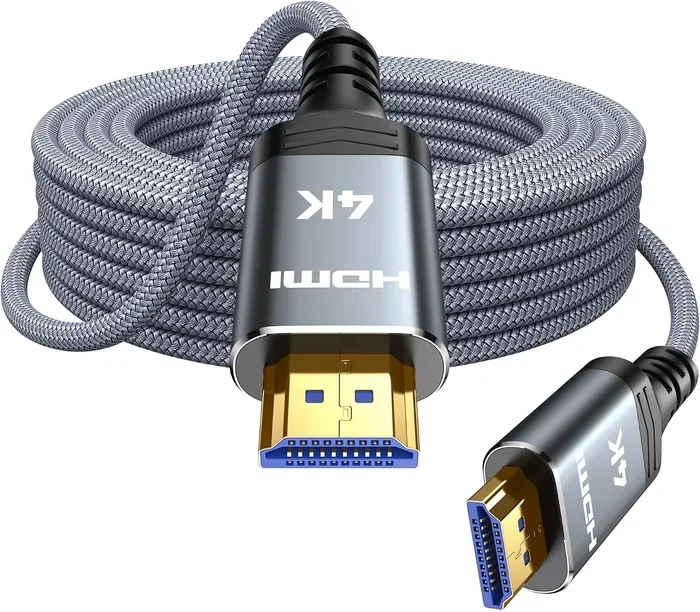
- Using cheap or damaged cables: A bad Ethernet cable or a worn-out coaxial cable can limit your speeds. Always use quality cables that support the speeds you need.
Avoiding these mistakes will help you get the most out of your fiber optic connection and enjoy smooth 4K streaming every single time.
Expert Insights on Fiber Optic and 4K
We asked a few networking professionals about their thoughts on fiber optic and 4K streaming. Here is what they had to say:
“Fiber optic is really the only internet type that can truly handle the demands of modern 4K and even 8K streaming without any compromises. The symmetrical speeds and low latency make it the go-to choice for serious streamers and content creators.”
Industry experts agree that fiber optic is the best investment for anyone who wants a reliable, high-performance internet connection. As 4K content becomes the standard and new technologies like 8K and virtual reality gain traction, fiber optic will only become more important.
Final Thoughts
So, does fiber optic support 4K? Without a doubt. Fiber optic internet is the best, most reliable way to enjoy 4K video streaming and so much more. It offers the speed, stability, and low latency that make everything you do online better. Whether you are a casual viewer or a heavy user, fiber optic delivers the performance you need.
If you are still on an older internet connection, now is the perfect time to consider upgrading to fiber optic. The difference in streaming quality, gaming performance, and overall reliability is hard to beat. Check what fiber optic plans are available in your area and take the first step toward a better internet experience.
Remember, a fast and stable connection makes all the difference when it comes to enjoying your favorite content in stunning 4K resolution. With fiber optic, you will never have to worry about buffering or pixelation again.
Frequently Asked Questions
Can fiber optic handle multiple 4K streams at the same time?
Yes, absolutely. Fiber optic internet has more than enough bandwidth to support multiple 4K streams simultaneously. A 200 Mbps or higher fiber plan can easily handle several devices streaming in 4K at once without any buffering or quality loss.
Is fiber optic better than cable for 4K streaming?
Yes, fiber optic is significantly better than cable for 4K streaming. It offers symmetrical speeds, lower latency, and does not slow down during peak hours. Cable internet can handle 4K too, but it is more prone to speed drops when many users are online.
What internet speed do I need for 4K Netflix?
Netflix recommends a minimum of 15 Mbps for 4K streaming. However, to account for other devices and activities on your network, a speed of 25 Mbps or more is ideal. Fiber optic plans typically start at 100 Mbps, which is more than enough.
Does fiber optic internet have data caps?
Most fiber optic providers do not enforce strict data caps. This means you can stream as much 4K content as you want without worrying about hitting a limit. However, it is always a good idea to check your specific plan details with your provider.
Can I use Wi-Fi for 4K streaming on fiber optic?
Yes, you can use Wi-Fi for 4K streaming on a fiber optic connection. However, a wired Ethernet connection will always be more stable and faster. If you must use Wi-Fi, make sure your router supports Wi-Fi 6 and is placed close to your streaming device.
Is fiber optic worth it for 4K streaming?
Absolutely. If you regularly watch 4K content, fiber optic is the best investment you can make for your home network. It provides the speed, reliability, and consistency needed for a premium streaming experience without any compromises.
=== CONCLUSION ===
Fiber optic internet is the ultimate solution for 4K video streaming and so much more. It delivers the speed, stability, and low latency that make ultra-high-definition content shine. From binge-watching your favorite series to gaming online and hosting video calls, fiber optic handles it all with ease.
By understanding your bandwidth needs, choosing the right plan, and following the tips in this guide, you can get the most out of your fiber optic connection. Say goodbye to buffering and hello to crystal-clear 4K streaming. Upgrade to fiber optic today and experience the internet the way it was meant to be.