Do Smart Sprinkler Controllers Actually Save Money
Do smart sprinkler controllers save money? Yes, they can significantly reduce your water bill by using weather data, soil moisture sensors, and smart scheduling to water your lawn only when needed. These devices pay for themselves over time through water savings and reduced waste. Homeowners typically see a 20% to 50% drop in outdoor water usage within the first few months of switching to a smart controller.
Do Smart Sprinkler Controllers Actually Save Money
Let us talk about something that affects almost every homeowner with a yard: your sprinkler system. You water your lawn. You pay the bill. You hope for the best. But what if there was a smarter way? That is exactly what smart sprinkler controllers promise. They claim to save water, save money, and save you from the guesswork of outdoor watering.
But do they really deliver? Or is it just another gadget that looks cool on a shelf?
The short answer is yes. Smart sprinkler controllers do save money. But how much they save depends on a few factors we will walk through in this article. We will break down the costs, the savings, the technology, and everything in between. By the end, you will know exactly whether this upgrade is worth your time and your wallet.
Water is not free. In many parts of the country, outdoor water use makes up a huge chunk of the monthly bill. Traditional sprinkler systems run on fixed schedules. They water whether your lawn needs it or not. They do not care if it rained yesterday. They do not care if the wind is blowing. They just run.
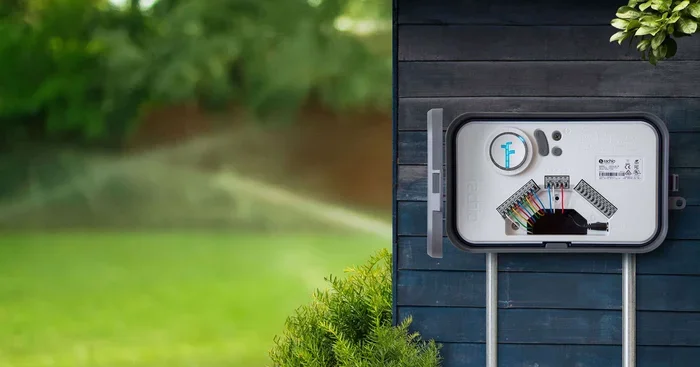
This is where smart watering technology steps in. A smart sprinkler controller replaces your old timer with a device that thinks for itself. It checks the weather. It reads soil conditions. It adjusts your irrigation schedule in real time. The result is less wasted water and a lower bill at the end of the month.
—
Key Takeaways
- Water Savings Are Real: Smart sprinkler controllers use local weather data and soil sensors to avoid overwatering, which directly lowers your water bill.
- Quick Return on Investment: Most homeowners recoup the cost of a smart sprinkler controller within one to two watering seasons.
- Remote Control Saves Time: You can adjust watering schedules from your phone, which means no more wasted trips to the yard.
- Smart Home Integration: Many controllers work with existing smart home setups, making them a natural fit alongside devices like Mi Smart Speaker and other connected gadgets.
- Environmental Benefits: Reducing water waste helps conserve a precious resource, which is a bonus beyond just saving cash.
- Seasonal Adjustments Are Automatic: The system adapts to rain, heat, and seasonal changes without you lifting a finger.
- Not All Controllers Are Equal: Features vary widely, so choosing the right one matters for maximizing savings.
📑 Table of Contents
How Smart Sprinkler Controllers Work
Understanding how these devices work helps you see why they save money. The technology behind them is simpler than you might think.
Weather-Based Watering
Most smart controllers connect to local weather data through Wi-Fi. They check things like rainfall, temperature, humidity, and wind speed. If rain is in the forecast, the controller skips a watering cycle. If the heat is extreme, it may add a little extra water. This is called evapotranspiration-based watering, and it is a game changer.
Instead of guessing how much water your lawn needs, the controller uses real data. This alone can cut outdoor water use by a big margin.
Soil Moisture Sensors
Some controllers come with soil moisture sensors you place in your yard. These sensors measure how wet the ground actually is. If the soil is already moist, the system holds off on watering. If it is dry, it triggers a cycle.
This is a more precise way to manage landscape hydration. You are not watering based on a guess. You are watering based on what the ground actually needs.
Remote Control and Scheduling
You can control most smart sprinkler controllers from your phone. This means you can adjust settings from anywhere. Heading out of town? You can turn off the system. Just came home early? You can adjust the schedule on the fly.
This kind of remote irrigation control means you never have to worry about forgetting to turn off the sprinklers. And that alone saves water and money.
—
How Much Money Can You Really Save?
This is the big question. Everyone wants to know the dollar amount. The answer is not the same for everyone, but the numbers are encouraging.
Average Water Bill Reduction
Studies show that smart sprinkler controllers reduce outdoor water use by 20% to 50%. For the average homeowner, this can mean savings of $30 to $80 per month on the water bill during peak watering months. Over a year, that adds up to several hundred dollars.
Some water utilities even offer rebates for installing smart controllers. This can bring the upfront cost down significantly.
Payback Period
A typical smart sprinkler controller costs between $100 and $300, depending on the brand and features. With average savings, most homeowners recoup the cost within one to two watering seasons. After that, every dollar saved is pure profit.
Think of it this way. You pay a one-time fee. The system pays for itself quickly. Then you keep saving money year after year.
Factors That Affect Savings
Not everyone will save the same amount. Your savings depend on several things:
- Your current water rate: Higher water costs mean bigger savings.
- The size of your lawn: Larger yards use more water, so there is more room to save.
- Your old watering habits: If you currently overwater, the savings will be dramatic.
- Local climate: Hotter and drier climates see the biggest impact.
- Controller features: More advanced features mean more precise watering and more savings.
—
Smart Sprinkler Controllers vs. Traditional Timers
Let us put the two side by side. This comparison makes the value clear.
| Feature | Traditional Timer | Smart Sprinkler Controller |
|---|---|---|
| Watering Schedule | Fixed and manual | Automatic and adaptive |
| Weather Adjustments | None | Real-time based on local data |
| Remote Access | No | Yes, via smartphone app |
| Soil Moisture Detection | No | Yes (with sensors) |
| Water Usage Tracking | No | Yes |
| Energy Use | Very low | Low (uses Wi-Fi) |
| Upfront Cost | $20 to $50 | $100 to $300 |
| Monthly Water Savings | $0 | $30 to $80 |
| Payback Period | N/A | 1 to 2 seasons |
The traditional timer is cheap, but it wastes water. The smart controller costs more upfront, but it pays for itself fast. Over a three-year period, the smart controller saves significantly more money.
—
Top Features to Look For in a Smart Sprinkler Controller
Not all controllers are created equal. If you want to maximize savings, look for these features.
Weather Intelligence
The best controllers pull weather data from local stations. They adjust watering based on rain, temperature, wind, and humidity. This is the single most important feature for saving water.
Zone Management
Your yard is not one uniform area. Shade, sun, slope, and soil type all vary. A good controller lets you set up multiple zones with different watering needs. This prevents overwatering shaded areas while giving sun-exposed zones the right amount.
Mobile App Control
You want to be able to adjust your system from your phone. Look for apps that are easy to use and offer real-time controls. This is especially helpful when you are away from home.
Water Usage Reports
Some controllers track how much water you use. This data helps you understand your habits and spot waste. Over time, you can fine-tune your system for even better savings.
Smart Home Compatibility
Many smart controllers work with broader smart home ecosystems. If you already use connected devices, you want a controller that fits right in. For example, if you use a smart speaker or have smart locks that work with an app, you will appreciate a controller that integrates smoothly into your existing setup.
Ease of Installation
You do not need a professional to install most smart controllers. Many are designed for DIY setup. They replace your existing timer in minutes. This keeps installation costs low and gets you saving faster.
—
Common Mistakes That Reduce Savings
Even the best smart sprinkler controller will not save you money if you make these mistakes.
Setting It and Forgetting It
A smart controller does not mean zero effort. You still need to check it occasionally. Make sure the weather data is accurate. Verify that the sensors are working. Adjust zone settings as your lawn changes with the seasons.
Overriding the System Too Often
The whole point of a smart controller is that it makes smart decisions. If you keep manually overriding the schedule, you undo the savings. Trust the system, and let it do its job.
Ignoring Maintenance
A broken sprinkler head wastes water no matter how smart your controller is. Check your system regularly for leaks, clogged heads, and damaged lines. Maintenance keeps the savings flowing.
Choosing the Wrong Controller
Not every controller is right for every yard. If you have a large property with many zones, you need a controller that can handle the complexity. Choosing a basic model for a large yard will limit your savings.
—
Are Smart Sprinkler Controllers Worth It?
We have covered the savings, the technology, and the pitfalls. So are they worth it?
The answer is almost always yes. If you water your lawn regularly, a smart sprinkler controller will save you money. The savings start from day one and keep growing over time. The convenience alone is worth the investment for many homeowners.
Beyond the financial benefits, smart controllers help conserve water. In areas facing drought or water restrictions, this matters even more. Using less water is good for your wallet and good for the environment.
The technology has also gotten much better and more affordable in recent years. Controllers that cost $300 a few years ago are now available for $100 or less. This makes the upgrade accessible to more homeowners.
If you are on the fence, consider this: the system pays for itself fast. After that, every month you save is pure benefit. There is very little risk and a lot of upside.
—
Final Thoughts
Do smart sprinkler controllers save money? The evidence is clear. They do. These devices use smart technology to water your lawn more efficiently, which means less waste and lower bills. The upfront cost is modest, and the payback period is short.
You do not need to be a tech expert to use one. Most controllers are simple to set up and easy to manage from your phone. They work with your existing sprinkler system and require minimal maintenance.
If you care about your water bill, your lawn, and the environment, a smart sprinkler controller is one of the best investments you can make. Start saving water and money today. Your yard and your wallet will thank you.
Frequently Asked Questions
How long does it take for a smart sprinkler controller to pay for itself?
Most homeowners recoup the cost within one to two watering seasons. The exact timeline depends on your water rates, lawn size, and how much you were overwatering before. In areas with high water costs, the payback can be even faster.
Can I install a smart sprinkler controller myself?
Yes, most smart controllers are designed for easy DIY installation. They replace your existing timer and connect to your Wi-Fi network. The setup process usually takes less than 30 minutes. If your wiring is complicated, you may want a professional, but most homes are straightforward.
Do smart sprinkler controllers work with all sprinkler systems?
Most smart controllers are compatible with standard sprinkler systems. They work with both in-ground and above-ground setups. Before buying, check that the controller supports your system type and number of zones.
Will a smart sprinkler controller work during a power outage?
Most controllers have a battery backup that keeps your settings intact during short outages. However, the system will not run during a power loss. When power returns, the controller resumes its schedule automatically based on the latest weather data.
Do smart sprinkler controllers really reduce water waste?
Yes, they significantly reduce water waste. By using real-time weather data and soil moisture readings, they avoid watering when it is not needed. Studies consistently show a 20% to 50% reduction in outdoor water use with smart controllers.
Are there any ongoing costs for using a smart sprinkler controller?
The main ongoing cost is your Wi-Fi connection, which you likely already have. Some controllers require a small monthly subscription for advanced features, but many work fully without one. There are no other recurring costs. The only expense is the initial purchase.