Do Guitarists Use Wireless Pedal Gear for Live Shows
Yes, many guitarists use wireless pedal gear for live shows to enjoy freedom of movement and cleaner stage setups. Wireless technology has transformed how musicians perform, replacing tangled cables with reliable Bluetooth and radio-frequency systems. This guide covers everything you need to know about going wireless on stage.
Do guitarists use wireless pedal gear for live shows? The short answer is yes, and the trend is growing fast. Guitarists everywhere are swapping out traditional cables for wireless systems that let them move freely across the stage. Whether you play small gigs or large concerts, wireless pedal technology has something to offer.
The music industry has changed a lot in the last decade. Wireless technology now powers everything from guitar effects to amplifier connections. Many professional musicians rely on wireless pedal systems to keep their performances smooth and uninterrupted. If you have ever tripped over a cable mid-song, you know exactly why this shift matters.
In this article, we will explore the world of wireless guitar pedal gear. We will look at how the technology works, what benefits it brings, and what to watch out for. By the end, you will have a clear picture of whether going wireless is right for your live shows.
Key Takeaways
- Wireless pedal gear is increasingly popular: More guitarists are ditching cables for wireless systems on stage.
- Signal quality has improved dramatically: Modern wireless pedals offer near-zero latency and crystal-clear tone.
- Battery life is a key consideration: Most wireless systems last 4-8 hours on a single charge.
- Setup is simpler than ever: Wireless systems reduce cable clutter and stage prep time.
- Cost varies widely: Budget options exist alongside professional-grade wireless pedalboards.
- Latency is no longer a dealbreaker: Advanced technology has eliminated most delay concerns.
📑 Table of Contents
- What Is Wireless Pedal Gear for Guitarists?
- Why Do Guitarists Go Wireless for Live Shows?
- Types of Wireless Pedal Systems for Guitarists
- Pros and Cons of Wireless Pedal Gear
- What to Look for in a Wireless Pedal System
- Do Wireless Pedals Affect Your Guitar Tone?
- Real-World Examples: Guitarists Who Use Wireless Pedal Gear
- Common Mistakes Guitarists Make with Wireless Pedals
- Expert Insights on Wireless Pedal Gear
- Final Thoughts: Should You Go Wireless?
What Is Wireless Pedal Gear for Guitarists?
Wireless pedal gear refers to any system that sends your guitar signal without cables. Instead of plugging a cable from your guitar into your pedalboard, you use a transmitter and receiver pair. The transmitter sends your signal wirelessly, and the receiver picks it up and passes it along to your amplifier or effects chain.
There are two main types of wireless systems used by guitarists. The first is a digital wireless system that converts your analog guitar signal into a digital format. This signal travels through the air to a receiver box. The second type uses analog radio transmission, which sends your signal wirelessly without converting it to digital first.
Many modern wireless systems also include built-in buffer circuits. These help preserve your guitar tone over long distances. Some systems even offer MIDI wireless capabilities, letting you control your pedal effects without any physical connections.
How Does Wireless Pedal Technology Work?
Wireless pedal systems use radio frequency or Bluetooth technology to transmit your guitar signal. The transmitter clips onto your guitar or sits in your pickup cavity. It sends the signal to a receiver unit placed near your amplifier or pedalboard.
Most professional systems operate on dedicated frequency bands. This helps avoid interference from Wi-Fi, cell phones, and other stage equipment. Some advanced systems use frequency-hopping technology. This means they constantly switch channels to find the clearest signal path.
The entire process happens in milliseconds. Modern systems have such low latency that you cannot tell the difference between a wired and wireless connection. This was not always the case, but technology has come a long way.
Why Do Guitarists Go Wireless for Live Shows?
There are many reasons guitarists choose wireless pedal gear for live performances. Let us look at the biggest benefits that drive this trend.
Freedom of Movement
The number one reason guitarists go wireless is freedom. When you are not tied to a cable, you can move anywhere on stage. You can interact with the crowd, play with bandmates, and create dynamic stage presence. This matters a lot for performers who rely on energy and audience connection.
Think about famous guitarists you have seen live. Many of them roam the stage, play behind the band, or even venture into the crowd. Wireless systems make all of this possible without worrying about cable length or pulling out connectors.
Cleaner Stage Setup
A cluttered stage is a safety hazard and a visual distraction. Tangled cables can trip you up during a performance. They also make your setup look messy and unprofessional. Wireless pedal gear eliminates most of this cable clutter from your signal chain.
When you remove cables from the equation, your stage looks organized and clean. This is especially important for larger shows where multiple band members share the stage. A tidy setup also makes load-in and load-out faster and easier.
No More Cable Noise
Cables can pick up unwanted noise, hum, and interference. This is especially true on stages with lots of electronic equipment. Wireless systems bypass these problems entirely. Your signal travels through the air without physical contact, so there is no cable-related noise to worry about.
Many wireless systems also include built-in noise gates and filters. These further clean up your signal before it reaches your amplifier. The result is a quieter, more polished sound on stage.
Quick Setup and Breakdown
Setting up cables takes time. You have to route them properly, avoid tangles, and make sure every connection is secure. Wireless systems cut this setup time dramatically. You simply power on your transmitter and receiver, and you are ready to play.
For gigging musicians who play multiple shows per week, this time savings adds up quickly. Faster setup also means less stress before a show and more time to focus on your performance.
Types of Wireless Pedal Systems for Guitarists
Not all wireless systems are the same. Different guitarists have different needs, and the market offers several options to choose from.
Dedicated Wireless Guitar Systems
These are purpose-built systems designed specifically for guitarists. Brands like Line 6, Shure, and Xvive make popular options. They typically include a small transmitter that plugs into your guitar output and a receiver that connects to your amplifier or pedalboard.
Dedicated systems offer the best sound quality and lowest latency. They operate on frequencies reserved for audio use, which minimizes interference. Most professional guitarists prefer these systems for live shows because of their reliability.
Wireless Pedalboard Systems
Some companies now offer complete wireless pedalboard solutions. These systems include a wireless hub that replaces the traditional patch cables between pedals. You place your pedals on the board as usual, but instead of cabling them together, they communicate wirelessly.
This type of system is great for guitarists who already have a pedalboard setup they love. It lets you keep your existing pedals while removing the cables between them. The result is a cleaner board with easier reconfiguration.
Bluetooth-Based Solutions
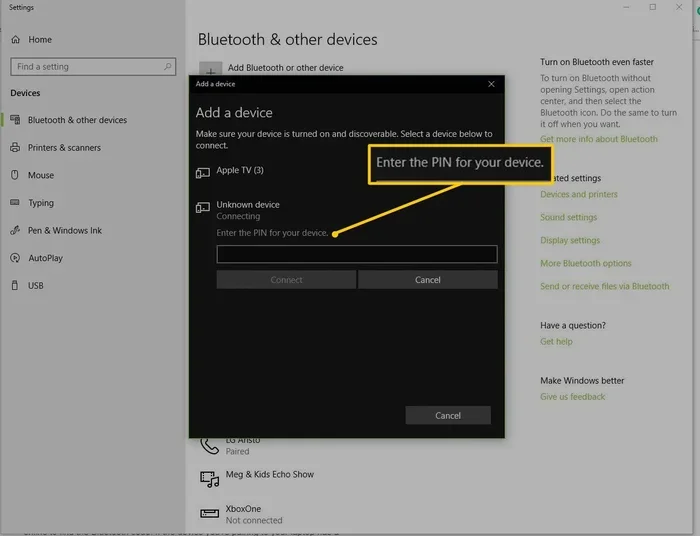
Bluetooth technology has found its way into the guitar world too. Some systems use Bluetooth to transmit your signal from your guitar to a receiver or app. While Bluetooth generally has higher latency than dedicated wireless systems, it works well for practice and rehearsal settings.
Bluetooth also connects easily to phones and tablets, opening up possibilities for effects apps and amp modeling. However, most serious performers prefer dedicated systems for live shows due to their superior reliability and sound quality.
Pros and Cons of Wireless Pedal Gear
Like any technology, wireless pedal gear has its advantages and disadvantages. Understanding both sides helps you make an informed decision.
| Pros | Cons |
|---|---|
| Complete freedom of movement on stage | Requires charging batteries regularly |
| Eliminates cable clutter and trip hazards | Higher upfront cost than cables |
| Reduces signal noise and interference | Potential for signal dropouts if not set up properly |
| Faster setup and breakdown times | Additional gear to carry and manage |
| Modern systems have near-zero latency | May need frequency coordination in crowded RF environments |
| Professional sound quality on most systems | Not all systems work with every guitar or amplifier setup |
The pros often outweigh the cons for gigging musicians. Once you experience the freedom of a wireless setup, many guitarists find it hard to go back to cables. The key is choosing a reliable system and understanding its limitations.
What to Look for in a Wireless Pedal System
If you are considering going wireless, there are several factors to keep in mind. Not all systems are created equal, and the right choice depends on your specific needs.
Latency and Signal Quality
Latency is the delay between playing a note and hearing it through your system. In the early days of wireless guitar tech, this was a real problem. Today, top-tier systems offer latency so low that you cannot detect it. Look for systems that advertise latency under 3 milliseconds for the best experience.
Signal quality is equally important. You want a system that preserves the natural tone and dynamics of your guitar. Some systems color the tone slightly, while others aim for a transparent signal path. Reading reviews and testing systems yourself is the best way to find what works for you.
Battery Life and Charging
Battery life is a practical concern for any wireless system. Most dedicated guitar wireless systems offer between 4 and 8 hours of continuous use on a full charge. This covers most gig lengths comfortably, but longer festival sets may require extra attention.
Look for systems with rechargeable batteries and USB charging options. Some receivers can also charge transmitters while in use, giving you uninterrupted playtime. Always charge your gear fully before a show and carry a backup charging cable.
Range and Reliability
The range of your wireless system determines how far you can move from your amplifier or receiver. Most systems offer 50 to 200 feet of range, which is plenty for most stage setups. However, obstacles like monitor wedges and drum risers can reduce effective range.
Reliability is crucial for live performance. You want a system that stays connected consistently throughout your set. Look for systems with strong error correction and frequency-hopping features. These help maintain a stable connection even in challenging RF environments.
Build Quality and Portability
Stage gear takes a beating. Your wireless system should be built to handle the demands of touring and regular gigging. Metal chassis, rugged connectors, and protective cases all contribute to durability.
Portability matters too. You do not want your wireless system to add significant weight or bulk to your setup. Many modern systems are compact and lightweight, making them easy to integrate into any pedalboard rig.
Do Wireless Pedals Affect Your Guitar Tone?
This is one of the most common questions guitarists ask about wireless systems. The short answer is no, not anymore. Early wireless systems did introduce some tonal coloration, but modern digital systems have largely eliminated this issue.
High-end wireless systems use 24-bit audio conversion and high sample rates. This captures your guitar signal with remarkable accuracy. The result is a tone that is virtually identical to what you would get with a high-quality cable.
Budget wireless systems may introduce slight coloration or compression. This is something to be aware of when shopping. If tone purity is your top priority, invest in a well-reviewed system from a reputable brand. The difference between a good system and a cheap one is noticeable on a loud stage.
Some guitarists also worry about wireless systems affecting their signal-to-noise ratio. In practice, most modern systems actually improve noise performance compared to long cable runs. Cables pick up interference from stage lighting, power supplies, and other equipment. A wireless system avoids this problem entirely.
Real-World Examples: Guitarists Who Use Wireless Pedal Gear
Wireless pedal gear is not just a trend for hobbyists. Many professional guitarists rely on wireless systems for their live shows. This includes artists across rock, metal, country, and pop genres.
Some well-known guitarists have been spotted on stage with wireless transmitter clips on their guitars. These performers value the mobility and clean stage appearance that wireless systems provide. The technology has become mainstream enough that audiences rarely notice the difference between wired and wireless performances.
For acoustic guitarists, wireless systems are especially popular. They allow fingerstyle players to move freely without worrying about a cable catching on their chair or mic stand. The same applies to guitarists who use multiple amplifiers and need to switch between them during a show.
If you want to see how wireless audio works in other contexts, you might enjoy learning about using HDMI for video and Bluetooth for audio to understand how wireless technology handles different signal types.
Common Mistakes Guitarists Make with Wireless Pedals
Going wireless is straightforward, but there are some common pitfalls to avoid. Learning from others mistakes can save you frustration on gig day.
Forgetting to Charge the Battery
This is the number one mistake new wireless users make. Nothing ruins a performance faster than a dead transmitter mid-set. Make it a habit to charge your system after every use. Keep a charging reminder on your phone if needed.
Ignoring Frequency Coordination
In crowded RF environments like festivals or large venues, frequency conflicts can cause dropouts. Always check your system’s frequency settings and scan for clear channels before the show. Some systems do this automatically, but manual systems require more attention.
Using Cheap Batteries
Rechargeable batteries degrade over time and may not hold a full charge. Invest in quality rechargeable batteries and replace them when they start to lose capacity. Cheap alkaline batteries also leak and can damage your equipment.
Not Testing the Full Setup Before the Show
Always do a full soundcheck with your wireless system before going on stage. Walk around the stage to test the range. Check for any noise, dropouts, or tone changes at different distances. This simple step can prevent embarrassing problems during your performance.
Underestimating Range Needs
Some guitarists buy a system with limited range and then wonder why they lose signal when walking to the back of the stage. Measure your stage size and choose a system with adequate range for your performance style.
Expert Insights on Wireless Pedal Gear
Professional sound engineers and touring guitarists generally agree that wireless pedal gear has matured into a reliable stage tool. The technology has reached a point where most performers cannot tell the difference between wired and wireless in a blind test.
Many engineers note that wireless systems actually simplify their job on stage. Fewer cables mean fewer potential failure points. The signal chain is cleaner, and troubleshooting becomes easier when something does go wrong.
Experts also recommend investing in a system from a reputable brand with good customer support. Budget options can work for practice and small gigs, but professional live shows demand the reliability that established brands provide.
When it comes to wireless amplification, many guitarists also explore making their entire rig wireless, including their amplifier connection. You can learn more about making your amplifier wireless to understand the broader picture of a fully wireless stage setup.
Final Thoughts: Should You Go Wireless?
Do guitarists use wireless pedal gear for live shows? Absolutely. The trend is here to stay, and for good reason. Wireless systems offer freedom, convenience, and professional sound quality that cable setups simply cannot match.
If you play live regularly, going wireless is a worthwhile investment. Start with a reliable system from a trusted brand, practice with it before your next gig, and enjoy the benefits of a cable-free stage presence. Your performances will feel more dynamic, your setup will look cleaner, and your audience will notice the difference.
The technology continues to improve every year. What was once a niche solution has become a standard tool for guitarists at every level. Whether you are a weekend warrior or a professional touring musician, wireless pedal gear deserves a spot in your rig.
For more on wireless audio connections, you might also enjoy reading about using Bluetooth headphones for gaming to explore how wireless audio technology applies across different use cases.
Going wireless is not just a trend. It is a practical upgrade that enhances your performance and your stage presence. Give it a try, and you may never want to go back to cables again.
Frequently Asked Questions
Do wireless guitar pedals have noticeable latency?
Modern wireless pedal systems have latency so low that most guitarists cannot detect it. High-quality systems advertise latency under 3 milliseconds, which is faster than human perception. Early wireless systems did have noticeable delay, but current technology has largely eliminated this problem for live performance.
How long do wireless pedal batteries last?
Most wireless pedal systems last between 4 and 8 hours on a full charge, depending on the model and usage. Some systems offer longer battery life when operating in low-power mode. Always charge your system fully before a gig and consider carrying a backup charging cable for longer events.
Can I use wireless pedals with any guitar?
Yes, most wireless guitar systems work with any standard electric guitar. The transmitter typically plugs into the same output jack you would use for a cable. Acoustic guitars with pickups also work well with wireless systems, making them a versatile option for many playing styles.
Are wireless pedal systems expensive?
Prices vary widely depending on the brand and features. Budget systems can be found for under $100, while professional-grade units may cost several hundred dollars. The investment is worthwhile for gigging musicians who value the convenience and reliability of wireless technology.
Do wireless systems work at large festivals and outdoor shows?
Yes, most professional wireless systems are designed to handle large venue environments. However, crowded RF environments like festivals may require frequency coordination to avoid interference. Many modern systems include frequency-hopping technology that automatically finds clear channels to maintain a stable connection.
Can I use wireless pedals for recording in the studio too?
Absolutely. Many guitarists use wireless systems for studio recordings as well. The convenience of a cable-free setup helps maintain focus during tracking sessions. Studio-grade wireless systems offer the same transparency and low latency needed for professional recording environments.
=== CONCLUSION ===
Do guitarists use wireless pedal gear for live shows? The answer is a clear yes. Wireless technology has revolutionized how guitarists perform on stage, offering freedom, cleaner setups, and reliable sound quality. From dedicated wireless systems to full wireless pedalboard solutions, the options available today are better than ever before.
Whether you are a seasoned professional or just starting to gig, wireless pedal gear is a smart addition to your setup. The benefits are real, the technology is mature, and the performance improvements are noticeable. Take the leap, explore your options, and enjoy the freedom that wireless pedal gear brings to your live shows.