Difference Between WiFi Free and High Speed Internet Service
The difference between WiFi free and high speed internet service comes down to speed, reliability, and cost. Free WiFi gives you basic wireless access without paying a monthly bill, while high speed internet delivers faster, more consistent performance through a dedicated plan. Understanding both helps you choose the right connection for work, streaming, gaming, or everyday browsing.
Let us talk about something that affects almost everyone today. The internet is not a luxury anymore. It is a necessity. Whether you are working from home, streaming your favorite shows, or just checking emails, you need a solid connection. But here is the thing. Not all internet is created equal. There is a big difference between WiFi free and high speed internet service. Many people use both without fully understanding what sets them apart. Free WiFi sounds great on paper. Who does not love free internet? But it comes with trade-offs. High speed internet costs money, sure. But it delivers the performance you actually need. In this article, we will break down everything you need to know. You will learn what each option offers, where they fall short, and how to pick the right one for your life. Let us dive in.
Key Takeaways
- Free WiFi is convenient but limited: It offers basic wireless access in public places or through shared connections, often with slow speeds and security risks.
- High speed internet provides reliable performance: Paid plans from ISPs deliver faster download and upload speeds with consistent connectivity.
- Cost is the biggest factor: Free WiFi costs nothing monthly, but high speed internet requires a budget for equipment and service fees.
- Security differs greatly: Public free WiFi networks are vulnerable to hacking, while home high speed connections offer better protection.
- Speed and bandwidth vary widely: Free WiFi often struggles with streaming and downloads, while high speed internet handles heavy tasks easily.
- Your needs should guide your choice: Casual browsing works fine on free WiFi, but remote work, gaming, and streaming demand high speed service.
📑 Table of Contents
What Is WiFi Free Internet?
Free WiFi is exactly what it sounds like. It is wireless internet access that does not cost you anything monthly. You find it in cafes, airports, hotels, libraries, and shopping malls. Some people also set up free WiFi at home by sharing their existing connection. The key idea is simple. You connect to the internet without paying a separate bill for the service. But do not let the word free fool you. There is always a catch. Free WiFi usually comes with slower speeds. It may also have data limits. And security is often a real concern. Let us look closer at how it works.
Where You Find Free WiFi
Free WiFi is everywhere in public spaces. Coffee shops offer it to attract customers. Airports provide it for travelers. Hotels include it in their amenities. Libraries give free access to the community. Some cities even roll out free WiFi across entire downtown areas. These networks are convenient. They let you check emails or browse the web while you are out and about. But they are not designed for heavy use. The speeds are usually basic. And the more people connected, the slower it gets. If you need to upload a large file or join a video call, free public WiFi might let you down.
How Free WiFi Works
Free WiFi uses a wireless router connected to an internet source. That source could be a broadband line, a mobile data connection, or even another WiFi network. The router broadcasts a signal. You connect to it using your phone, laptop, or tablet. No password is needed in most cases. That is the whole point. It is open and accessible. But because so many people can connect, the bandwidth gets split. Bandwidth is the amount of data that can travel through the connection at once. When too many users share the same pipe, everyone suffers. Pages load slowly. Videos buffer. Downloads stall. That is the reality of free WiFi in crowded spaces.
The Hidden Costs of Free WiFi
Free WiFi is not really free. Think about it. You trade your time and sometimes your data for access. Many free WiFi networks track your browsing habits. They collect information about what sites you visit. Some networks require you to watch ads before connecting. Others ask for your email address or social media login. Then there is the security risk. Open WiFi networks are easy targets for hackers. They can intercept your data. They can steal passwords. They can access personal information on your device. So while you save money, you may pay in other ways. Always be careful when using free WiFi for anything sensitive like banking or shopping.
What Is High Speed Internet Service?
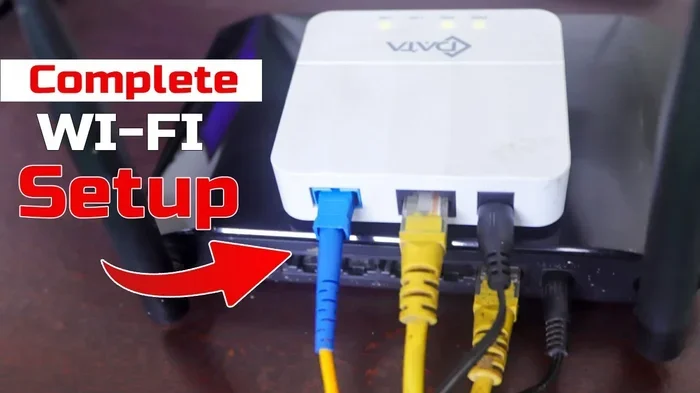
High speed internet service is a paid connection provided by an internet service provider, or ISP. You sign up for a plan. You pay a monthly fee. In return, you get fast, reliable, and dedicated internet access. High speed internet comes in several forms. Fiber optic internet uses light signals to deliver incredibly fast speeds. Cable internet runs through the same lines as your TV. DSL internet uses telephone lines. Satellite internet reaches areas where other types cannot. Each option has its pros and cons. But they all share one thing in common. They offer much better performance than free WiFi. Let us break this down further.
Types of High Speed Internet
Fiber optic internet is the gold standard. It uses thin glass fibers to send data at nearly the speed of light. Download speeds can reach 1,000 Mbps or more. Upload speeds are just as fast. Cable internet is widely available. It uses coaxial cables. Speeds typically range from 50 Mbps to 1,000 Mbps. DSL internet uses existing phone lines. It is slower than fiber or cable but still much better than free WiFi. Satellite internet serves rural and remote areas. It beams signals from space. Speeds are improving but can be affected by weather. Each type of high speed internet has different availability depending on where you live.
Why High Speed Internet Matters
High speed internet changes everything. You can stream 4K videos without buffering. You can join video calls with crystal clear quality. You can download large files in minutes instead of hours. Online gaming becomes smooth and responsive. Working from home feels seamless. You can connect multiple devices at once without any slowdown. This is what a broadband connection is built for. It gives you the bandwidth to do more. It gives you the reliability to count on. When you compare this to free WiFi, the difference is clear. High speed internet is designed for performance. Free WiFi is designed for convenience.
The Cost of High Speed Internet
Let us talk money. High speed internet is not free. You will pay a monthly fee. Most plans range from $30 to $100 or more. The price depends on the speed and the type of connection. Fiber plans tend to cost more but offer the best value. Cable plans are often cheaper and widely available. Some ISPs bundle internet with TV and phone services. That can save you money. You also need to consider equipment costs. A good WiFi router makes a big difference. Some ISPs provide a router for free. Others charge a monthly rental fee. Buying your own router can save money over time. Overall, high speed internet is an investment in your productivity and entertainment.
Key Differences Between WiFi Free and High Speed Internet Service
Now that we have covered the basics, let us compare them side by side. The difference between WiFi free and high speed internet service comes down to several key factors. Speed, reliability, security, cost, and use case all play a role. Let us look at each one carefully.
Speed Comparison
Speed is where the gap is widest. Free WiFi typically offers speeds between 1 Mbps and 20 Mbps. That is fine for light browsing. It is okay for checking social media. But try streaming a movie and you will likely run into problems. High speed internet starts at around 25 Mbps and goes well beyond 1,000 Mbps. That means faster downloads, smoother streaming, and better performance across all devices. The difference is night and day. If speed matters to you, high speed internet is the clear winner.
Reliability and Consistency
Free WiFi is not always reliable. Public networks go down. They get crowded. The signal drops in and out. You cannot control who else is using the network. High speed internet from a reputable ISP offers much better reliability. You get a dedicated connection. Your speeds stay consistent. Downtime is minimal. Most ISPs offer service level agreements that guarantee uptime. When you are working or studying, reliability is everything. Free WiFi simply cannot match that level of consistency.
Security and Privacy
This is a big one. Free WiFi networks are open by design. That means anyone can connect. It also means your data is less protected. Hackers can set up fake WiFi hotspots. They can intercept data on open networks. Your personal information is at risk. High speed internet connections are private. You control who has access. You can set up a strong password. You can use encryption to protect your data. A good WiFi router with WPA3 security adds another layer of protection. Your home network is your safe space. Free WiFi is a public space with public risks.
Cost and Value
Free WiFi costs nothing. That is its biggest advantage. High speed internet costs money every month. But you get what you pay for. A high speed plan gives you reliable access, fast speeds, and better security. Think of it this way. Free WiFi is like borrowing a car. It works when it is available. But you do not control it. High speed internet is like owning your own car. It is always there when you need it. You can count on it. For most people, the cost of high speed internet is worth the value it provides.
| Feature | WiFi Free | High Speed Internet |
|---|---|---|
| Monthly Cost | Free | $30 to $100+ |
| Typical Speed | 1 to 20 Mbps | 25 to 1,000+ Mbps |
| Reliability | Variable | Consistent |
| Security | Low | High |
| Best For | Light browsing | Streaming, gaming, work |
| Availability | Public places | Home and business |
| Data Limits | Often limited | Usually unlimited |
How to Choose the Right Option for You
Choosing between WiFi free and high speed internet service depends on your lifestyle. Think about what you need the internet for. Are you a casual user who just checks email and social media? Free WiFi might work for you. Are you a remote worker who needs a stable connection all day? You need high speed internet. Are you a gamer or a streamer? High speed internet is non-negotiable. Let us look at a few scenarios to help you decide.
Choose Free WiFi If
- You only browse the web occasionally
- You are traveling or away from home
- You have a tight monthly budget
- You do not handle sensitive data online
- You only need connectivity for short periods
Choose High Speed Internet If
- You work from home or attend online classes
- You stream movies and TV shows regularly
- You play online games or video chat often
- You have multiple devices that need internet
- You value privacy and security online
- You need fast and reliable upload speeds
Quick Tips for Using Free WiFi Safely
If you must use free WiFi, take some precautions. Use a VPN to encrypt your connection. Avoid logging into bank accounts or entering passwords. Turn off file sharing on your device. Forget the network when you are done. These simple steps can protect you from common threats. A VPN is one of the best tools for staying safe on public networks. It creates a secure tunnel between your device and the internet. Even on open WiFi, your data stays private.
Quick Tips for Getting the Most from High Speed Internet
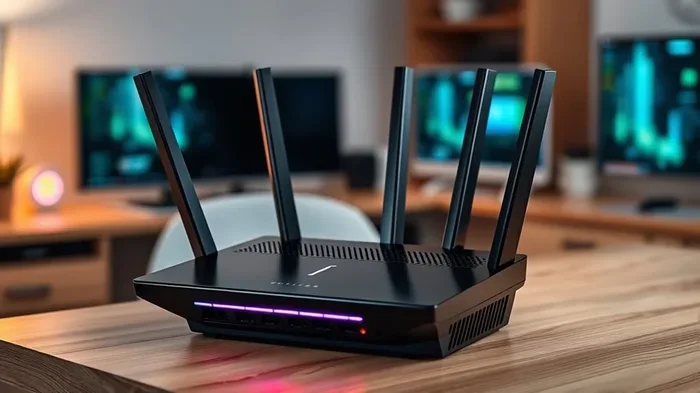
To get the best performance from your high speed internet, invest in a quality WiFi router. Place the router in a central location in your home. Keep it away from walls and metal objects. Update your router firmware regularly. Use an ethernet cable for devices that need the fastest connection. Check your internet speed regularly with an online speed test. If your speeds are slower than what you pay for, contact your ISP. These small steps make a big difference in your daily internet experience.
Common Mistakes People Make
Many people make mistakes when it comes to their internet connection. One common error is relying only on free WiFi for everything. It might work for a quick search. But it will not hold up for video calls or large downloads. Another mistake is choosing a high speed plan without checking the fine print. Some ISPs advertise fast speeds but throttle your connection after a certain amount of data. Read the terms before you sign up. A third mistake is ignoring your WiFi router. An old or cheap router can slow down even the fastest internet plan. Upgrade your equipment if needed. Finally, some people never check their internet speed. You should test your speed at least once a month. This helps you make sure you are getting what you pay for.
Expert Insights on Internet Connectivity
Industry experts agree that the gap between free WiFi and high speed internet is growing. As more devices connect to the internet, the demand for speed and reliability increases. Free WiFi was designed for basic access. It was never meant to support the way we use the internet today. High speed internet keeps pace with modern needs. Fiber optic technology is expanding to more homes every year. The FCC recommends at least 25 Mbps for most households. But if you have a family of four or more, you may need faster speeds. Experts also stress the importance of cybersecurity. Whether you use free WiFi or high speed internet, protecting your data should always be a priority. Use strong passwords. Keep your software updated. Stay informed about the latest threats.
The Future of Internet Access
The internet is evolving fast. Free WiFi is becoming more available in cities around the world. Some communities are building municipal WiFi networks. These aim to bridge the digital divide. But they still face challenges with speed and capacity. On the other side, high speed internet is getting faster and more affordable. Fiber optic networks are expanding to rural areas. 5G mobile internet promises wireless speeds that rival home connections. In the future, the line between free and paid internet may blur. But for now, the difference between WiFi free and high speed internet service remains clear. Understanding that difference empowers you to make better choices. It helps you stay connected in the way that works best for you.
Conclusion
The difference between WiFi free and high speed internet service comes down to what you value most. Free WiFi offers convenience and zero cost. It is perfect for light use on the go. High speed internet delivers performance, reliability, and security. It is the better choice for work, entertainment, and everyday life at home. Neither option is perfect on its own. But knowing the strengths and weaknesses of each puts you in control. Think about your needs. Consider your budget. Make an informed decision. The right internet connection can transform the way you live and work. Choose wisely and stay connected.
Frequently Asked Questions
Is WiFi free really completely free?
Most of the time, yes. You do not pay a monthly fee for free WiFi. But you might pay indirectly through ads, data collection, or the cost of your mobile data when the free network is unavailable. There are also hidden costs like reduced security and slower speeds.
Can I use high speed internet for free?
Some ISPs offer free trial periods or promotional plans. Libraries and community centers also provide free high speed internet access. However, regular home high speed internet always comes with a monthly cost. There is no permanent free option for dedicated high speed service.
What is the minimum speed I need for high speed internet?
The FCC defines high speed internet as 25 Mbps download and 3 Mbps upload. For most households, 50 Mbps or higher is more comfortable. If you stream, game, or work from home, aim for 100 Mbps or more for the best experience.
Can I turn my free WiFi into high speed internet?
No. Free WiFi speed depends on the source network. You cannot upgrade a free public WiFi connection to high speed. You can, however, use a mobile hotspot with a high speed data plan to create your own fast wireless connection at home.
Which is safer, WiFi free or high speed internet?
High speed internet is much safer. Your home network is private and encrypted. Free WiFi is open and public, making it easier for hackers to access your data. Always use a VPN on free WiFi and keep your home network password protected.
Do I need a WiFi router for high speed internet?
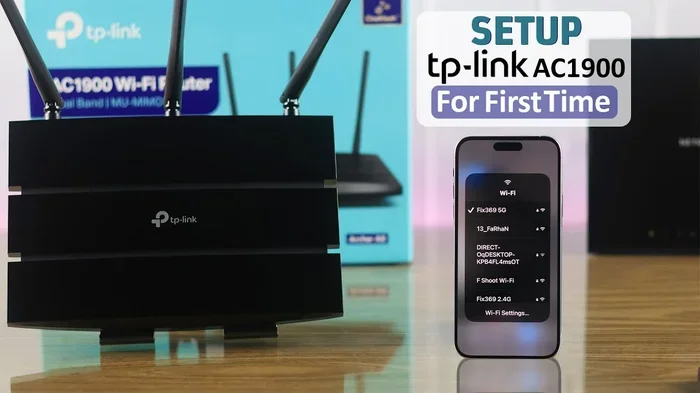
Yes. A WiFi router converts your high speed internet connection into a wireless signal. You can connect phones, tablets, laptops, and smart home devices without cables. A good router ensures you get the full speed of your high speed internet plan throughout your home.