Can Wi Fi Be Prepaid And How To Choose The Right Plan
Yes, Wi-Fi can absolutely be prepaid, and it is a great option for people who want to avoid contracts and control their internet costs. Prepaid WiFi lets you pay in advance for data or service, giving you flexibility and no hidden fees. In this guide, we will walk you through how prepaid WiFi works, the best options available, and how to pick the perfect plan for your home or on-the-go needs.
Have you ever wondered if you can get WiFi without signing a long contract? The short answer is yes. Can Wi Fi be prepaid? Absolutely. Prepaid WiFi is a real, practical option that more people are turning to every day. Whether you are a student, a traveler, or someone who just wants to avoid ISP contracts, prepaid WiFi gives you control over your internet spending.
In this article, we will explore everything you need to know about prepaid WiFi. We will look at how it works, the different types of plans, and tips for choosing the best option. By the end, you will have a clear picture of what is available and how to make the right choice for your situation.
Key Takeaways
- Prepaid WiFi Exists: You can absolutely pay upfront for WiFi service without signing a long-term contract.
- Multiple Options Available: Prepaid WiFi comes in forms like portable hotspots, mobile WiFi, and home broadband plans.
- Budget-Friendly: Prepaid plans help you avoid surprise bills and stick to a set budget each month.
- No Credit Check: Most prepaid WiFi providers do not require a credit check, making them accessible to everyone.
- Flexibility Is Key: You can pause, cancel, or change your plan whenever you want without penalties.
- Know Your Usage: Understanding your data needs is the most important step in choosing the right prepaid WiFi plan.
📑 Table of Contents
- What Is Prepaid WiFi and How Does It Work?
- Types of Prepaid WiFi Plans Available
- How to Choose the Right Prepaid WiFi Plan
- Pros and Cons of Prepaid WiFi
- Top Providers for Prepaid WiFi Plans
- Common Mistakes to Avoid When Choosing Prepaid WiFi
- Quick Tips for Getting the Most Out of Your Prepaid WiFi
- Expert Insights on Prepaid WiFi Trends
- Is Prepaid WiFi Right for You?
- Conclusion
What Is Prepaid WiFi and How Does It Work?
Prepaid WiFi is a type of internet service where you pay in advance for a set amount of data or a specific time period. Instead of getting a monthly bill at the end of the month, you load money onto your account or buy a plan upfront. This is similar to how prepaid phone plans work.
You can use prepaid WiFi at home, on the road, or anywhere you need wireless internet. The service connects through a WiFi router or a portable device, and you stay connected as long as you have credit or data remaining.
How Prepaid Internet Differs from Postpaid Plans
Postpaid plans bill you at the end of each month based on your usage. Prepaid plans, on the other hand, require you to pay first. Here are the key differences:
- Prepaid: You pay upfront, use your data, and top up when needed. There are no surprise bills.
- Postpaid: You use the service first and pay later. Bills can be higher than expected, and contracts often lock you in.
Many people prefer pay-as-you-go internet because it removes the risk of overage charges. You know exactly what you are paying for before you use the service.
Who Benefits Most from Prepaid WiFi?
Prepaid WiFi is a great fit for several groups of people:
- Students: College students who need short-term internet in dorms or apartments.
- Travelers: People who need internet connectivity in different cities or countries without committing to a local ISP.
- Budget-Conscious Users: Anyone who wants to control spending and avoid hidden fees.
- Temporary Residents: People who are between homes or staying somewhere for a few months.
- Rural Users: Those in areas where traditional broadband options are limited or expensive.
Types of Prepaid WiFi Plans Available
Not all prepaid WiFi is the same. There are several types of plans, each designed for different needs. Let us break them down so you can find the one that fits your lifestyle.
Home Prepaid Broadband
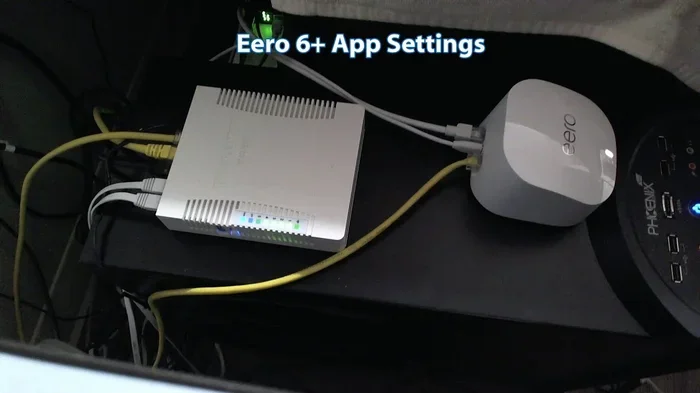
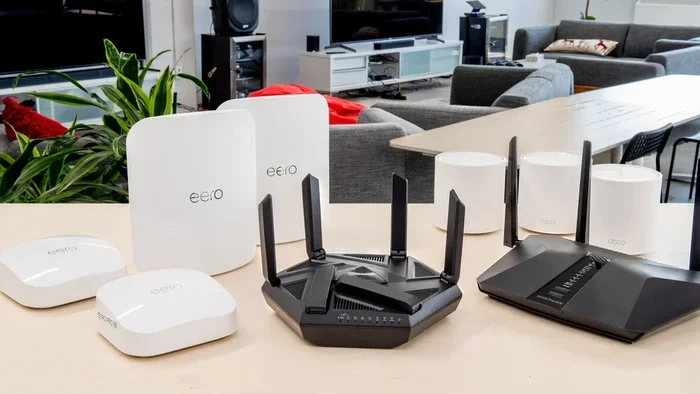
Home WiFi prepaid plans work just like regular home internet, but without the contract. You get a WiFi router delivered to your door, connect it, and start using the internet. You pay for a set period, such as 30 days, and then renew or cancel.
Some popular providers offer home broadband with no credit check. You simply choose a data amount, pay for the month, and enjoy broadband access. These plans are ideal for households that want reliable internet without being locked into a 12- or 24-month agreement.
Portable WiFi Hotspots
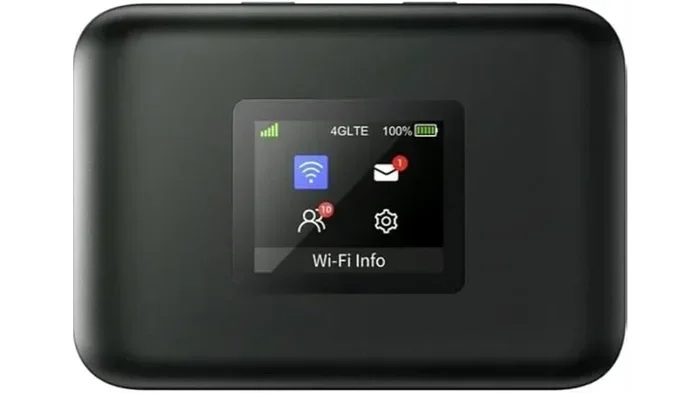
A portable WiFi hotspot is a small device that creates a WiFi hotspot wherever you go. It connects to cellular networks and broadcasts a WiFi signal that your phone, tablet, or laptop can use.
These devices are perfect for people who are always on the move. You can buy a prepaid data plan for the device, load it with prepaid data, and stay connected during trips, commutes, or outdoor events.
Mobile WiFi and USB Modems
Some people prefer a mobile WiFi stick or USB modem that plugs directly into their computer. These devices work similarly to portable hotspots but are more compact. You can buy a prepaid data SIM for them and enjoy wireless internet on a single device.
Prepaid WiFi Cards and Passes
Many cafes, airports, and public spaces sell WiFi passes that give you a set amount of time or data for a fixed price. These are perfect for occasional use. You do not need a contract or a device — you simply buy access and connect.
How to Choose the Right Prepaid WiFi Plan
Choosing the right plan can feel overwhelming, but it does not have to be. By following a few simple steps, you can find a WiFi plan that matches your needs and budget perfectly.
Step 1: Assess Your Data Needs
The first thing you need to figure out is how much data you actually use. Different activities consume different amounts of data:
- Light Use: Browsing, email, and social media use about 1-3 GB per month.
- Medium Use: Streaming music and standard video uses around 5-10 GB per month.
- Heavy Use: HD streaming, video calls, and online gaming can use 20 GB or more per month.
Look at your past usage patterns or estimate based on your daily habits. This will help you choose the right data allowance without overpaying or running out of data too quickly.
Step 2: Compare Providers and Coverage
Not all internet service providers offer the same coverage or speeds. Before you commit to a plan, check the following:
- Does the provider cover your area?
- What speeds can you expect during peak hours?
- Are there any hidden fees or extra charges?
- Is customer support available when you need help?
Reading reviews and checking coverage maps can save you a lot of frustration later. A prepaid WiFi plan is only as good as the network it runs on.
Step 3: Look at Contract Terms and Flexibility
One of the biggest advantages of prepaid WiFi is flexibility. But not all plans are created equal. Some may require you to buy a plan in bulk, while others let you pay month by month. Look for plans that let you:
- Cancel or pause without penalties
- Top up data as needed
- Upgrade or downgrade your plan easily
Flexibility is especially important if your internet needs change from month to month. A good ISP plan should adapt to your life, not the other way around.
Step 4: Check for Extra Features
Some prepaid WiFi plans come with extra features that add real value:
- Free router rental: Some providers include a WiFi router at no extra cost.
- International roaming: Useful for travelers who need connectivity abroad.
- Static IP address: Helpful for remote workers and small business owners.
- Parental controls: Great for families who want to manage children’s internet access.
These features may seem small, but they can make a big difference in your overall experience with prepaid internet.
Pros and Cons of Prepaid WiFi
Like any service, prepaid WiFi has its strengths and weaknesses. Let us look at both sides so you can make an informed decision.
Advantages of Prepaid WiFi
- No contracts: You are never locked into a long-term agreement.
- Budget control: You spend only what you prepay. No surprise bills.
- No credit check: Almost anyone can sign up, regardless of credit history.
- Flexibility: You can change plans, pause service, or cancel anytime.
- Easy to manage: Most providers offer simple online portals to track usage and top up.
Disadvantages of Prepaid WiFi
- Higher upfront cost: You need to pay before you get service, which can be a barrier for some.
- Limited plans: Some providers offer fewer plan options compared to postpaid services.
- Data expiration: Unused data may expire at the end of the billing cycle.
- Equipment costs: You may need to buy or rent a portable WiFi device separately.
Overall, the benefits of prepaid WiFi outweigh the drawbacks for most users. The key is to choose a plan that fits your usage and budget.
Top Providers for Prepaid WiFi Plans
The market for prepaid WiFi has grown significantly in recent years. Here are some of the most popular and reliable providers you should consider:
Provider Comparison Table
| Provider | Plan Type | Data Options | Contract Required | Best For |
|---|---|---|---|---|
| T-Mobile Prepaid | Home Broadband | 50 GB – Unlimited | No | Home users who want flexibility |
| AT&T Prepaid Internet | Home + Hotspot | 15 GB – Unlimited | No | Families and heavy users |
| Visible | Mobile Hotspot | Unlimited | No | Travelers and on-the-go users |
| Skyroam | Portable Hotspot | Daily/Monthly Passes | No | International travelers |
| Netgear Nighthawk | Device + Plan | Varies by SIM | No | Users who want their own device |
Each provider has its own strengths. Some focus on home broadband, while others specialize in mobile WiFi and portable hotspots. Your choice should depend on where and how you plan to use the internet.
Common Mistakes to Avoid When Choosing Prepaid WiFi
Many people make avoidable mistakes when picking a prepaid WiFi plan. Here are some pitfalls to watch out for:
Choosing a Plan Based on Price Alone
The cheapest plan is not always the best plan. A low price might come with slow speeds, limited coverage, or strict data caps. Always look at the value you are getting, not just the cost.
Ignoring Data Expiry Rules
Some prepaid plans expire unused data at the end of the month. Others let you roll over data. If you are a light user, data rollover can save you a lot of money over time.
Not Checking Coverage in Your Area
A great plan means nothing if the network does not reach your home or workplace. Always verify coverage before you commit to a prepaid data plan.
Overlooking Equipment Costs
Some providers charge extra for the router or hotspot device. Factor in these costs when comparing plans. A plan with a free included router can save you significant money in the long run.
Forgetting to Read the Fine Print
Always read the terms and conditions. Some plans have auto-renewal clauses, hidden fees, or restrictions on tethering. Understanding the details upfront prevents headaches later.
Quick Tips for Getting the Most Out of Your Prepaid WiFi
Once you have chosen your prepaid WiFi plan, follow these tips to get the best experience:
- Monitor your data usage: Check your usage regularly through your provider’s app or online portal.
- Set data alerts: Most providers let you set warnings when you reach certain data thresholds.
- Use WiFi whenever possible: Connect to home or office WiFi to save your prepaid data for when you are on the go.
- Optimize your router placement: Place your WiFi router in a central location for the best WiFi coverage.
- Top up early: Do not wait until your data runs out. Topping up early ensures uninterrupted service.
- Consider family plans: Some providers offer shared data plans that can save money for households with multiple users.
Expert Insights on Prepaid WiFi Trends
The prepaid internet market is evolving rapidly. Industry experts note a growing shift toward flexible, no-contract options. More internet service providers are recognizing that consumers want transparency and control over their connectivity.
“Prepaid WiFi is no longer a niche product,” says a networking analyst. “It is becoming a mainstream choice for millions of users who value flexibility and budget control.”
Technology improvements are also making prepaid options faster and more reliable. 5G networks, in particular, are boosting the performance of mobile WiFi devices and portable hotspots. This means prepaid users can now enjoy speeds that rival traditional broadband.
Another trend is the rise of eSIM technology. eSIM allows you to switch between providers and plans without swapping physical SIM cards. This makes managing prepaid WiFi even more convenient and user-friendly.
Is Prepaid WiFi Right for You?
After reading through all the options, you might be wondering if prepaid WiFi is the right choice for you. The answer depends on your lifestyle, budget, and internet habits.
If you value flexibility, hate contracts, and want to stay in control of your spending, prepaid WiFi is an excellent option. It works well for short-term needs, travel, and households that want a simple, transparent internet solution.
On the other hand, if you need extremely high speeds for heavy downloads or have a fixed home setup, a traditional postpaid broadband plan might still be the better choice. But even in those cases, many providers now offer prepaid versions of their home broadband services.
Conclusion
So, can Wi Fi be prepaid? The answer is a resounding yes. Prepaid WiFi offers a flexible, budget-friendly, and contract-free way to stay connected. Whether you need home WiFi, a portable WiFi device, or a quick WiFi pass for travel, there is a prepaid option that fits your needs.
By understanding your data usage, comparing providers, and avoiding common mistakes, you can find the perfect WiFi plan without any headaches. The key is to take your time, do your research, and choose a plan that gives you the best value.
Take action today. Explore the prepaid WiFi options available in your area, compare plans, and enjoy the freedom of internet service on your own terms. With the right prepaid data plan, you can stay connected without breaking the bank or being tied down by a contract.
Frequently Asked Questions
Can I use prepaid WiFi for working from home?
Yes, absolutely. Many people use prepaid WiFi for remote work. As long as the plan offers sufficient data and reliable speeds, it works just as well as a traditional home broadband connection. Look for plans with at least 20 GB of data or unlimited options for heavy work use.
Do I need a credit check to get prepaid WiFi?
No. One of the biggest advantages of prepaid internet is that most providers do not require a credit check. You simply pay upfront and get connected. This makes prepaid WiFi accessible to almost everyone, regardless of credit history.
Can I use a prepaid WiFi plan while traveling internationally?
Yes, but it depends on the provider. Some prepaid WiFi plans include international roaming, while others are limited to domestic use. Providers like Skyroam specialize in global portable hotspots with prepaid passes for different countries. Always check the roaming options before you travel.
What happens if I run out of data before my billing cycle ends?
Most prepaid WiFi providers will either slow your speeds to near zero or cut off data access until you top up. Some plans allow you to buy additional data mid-cycle. Check your provider’s policy on data refills to avoid losing connectivity unexpectedly.
Is prepaid WiFi slower than postpaid WiFi?
Not necessarily. The speed of your wireless internet depends on the network and coverage in your area, not whether the plan is prepaid or postpaid. Many prepaid plans use the same networks as postpaid plans and offer identical speeds.
Can I share my prepaid WiFi with multiple devices?
Yes. Most prepaid WiFi plans allow you to connect multiple devices through a WiFi router or hotspot. The data usage is shared across all connected devices. Just keep an eye on your total usage to avoid running out of data too quickly.