Can Truck Drivers Wear Headsets While Driving Safely
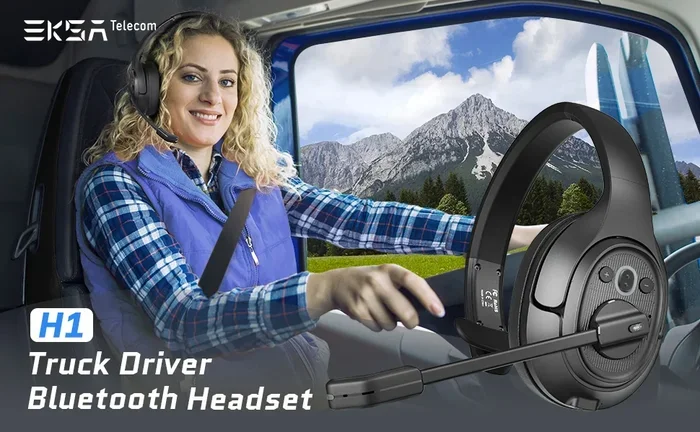
Yes, truck drivers can wear headsets while driving, but there are important rules to follow. The FMCSA allows hands-free communication devices, yet prohibits earbuds in both ears. Choosing the right truck driver headset can improve safety, reduce fatigue, and keep you connected without breaking the law.
Every truck driver knows the long hours on the road can get lonely. You spend hours behind the wheel, watching the highway stretch out ahead of you. Staying connected with dispatch, your fleet, or even loved ones makes those miles more bearable. But a question comes up often: can truck drivers wear headsets while driving? The answer is yes, but with some important rules you need to know.
Trucking regulations have changed a lot over the years. Technology has improved, and so have the devices drivers use every day. Headsets are now a common sight in the cab of every big rig. Whether you use a Bluetooth headset for truck drivers or a classic wired model, the goal is the same. You want to communicate without sacrificing safety. This guide covers everything you need to know about wearing headsets as a commercial truck driver. We will look at the rules, the best options, and how to stay safe and compliant on every trip.
Key Takeaways
- Headsets Are Allowed: Truck drivers can wear single-ear headsets for hands-free communication while operating their vehicles.
- FMCSA Rules Apply: Federal regulations prohibit wearing earbuds or headsets in both ears, ensuring at least one ear stays open to ambient sounds.
- Bluetooth Is a Game-Changer: Wireless Bluetooth headsets designed for trucking let drivers stay connected without tangled wires or distractions.
- Safety Comes First: The right headset reduces fatigue, improves communication with dispatch, and helps drivers stay aware of their surroundings.
- Not All Headsets Are Equal: Look for noise-canceling features, comfortable fit, and trucking-specific designs when choosing a headset.
- State Laws May Differ: While federal rules set the baseline, some states have additional restrictions on headset use for commercial drivers.
- Common Mistakes Hurt Safety: Wearing headsets too loud, using low-quality devices, or ignoring local regulations can lead to fines and accidents.
📑 Table of Contents
- Understanding the Rules: Can Truck Drivers Wear Headsets?
- Why Headsets Matter for Truck Drivers
- Types of Headsets for Truck Drivers
- Best Practices for Wearing Headsets While Driving
- Common Mistakes Truck Drivers Make With Headsets
- Expert Insights: What Experienced Truckers Say
- How to Choose the Right Headset for Your Needs
- Key Takeaways
- Conclusion
Understanding the Rules: Can Truck Drivers Wear Headsets?
The short answer is yes. But the full answer needs a closer look. The Federal Motor Carrier Safety Administration, or FMCSA, sets the rules for commercial vehicle operators across the United States. These rules cover everything from hours of service to trucking safety equipment. Headset use falls under the broader category of driver distraction and communication devices.
What the FMCSA Says About Headset Use
The FMCSA does not ban headsets outright for truck drivers. However, there is a clear rule in place. Drivers cannot wear headsets or earbuds in both ears while operating a commercial motor vehicle. This rule keeps at least one ear open to hear the sounds of the road. Sirens, horns, and other important audio cues must always be audible to the driver.
The regulation specifically targets devices that block both ears. A single-ear headset is perfectly fine. This means you can use a hands-free headset for phone calls, dispatch communication, or even voice-controlled navigation. The key is keeping one ear free and aware of your environment at all times.
State-Level Regulations You Should Know
Federal rules set the floor, but states can add their own restrictions. Some states have stricter rules about commercial driver headset use. For example, certain states may limit the volume level of headsets or restrict their use in specific zones. Always check the laws in every state you operate in. What is legal in one state might not be in another. Staying informed keeps you compliant and, more importantly, safe.
Why Headsets Matter for Truck Drivers
Headsets are not just a convenience. They are a practical tool that improves the daily life of a truck driver. Long hauls require constant communication. Whether you are checking in with your dispatch team, confirming delivery details, or handling unexpected route changes, staying connected is essential.
Hands-Free Communication Improves Safety
Using a phone while driving is a major distraction. Holding a phone takes one or both hands off the wheel. It also pulls your eyes and attention away from the road. A hands-free communication device solves this problem. You can talk, listen, and keep both hands on the wheel. This simple change reduces the risk of accidents significantly.
Studies show that hands-free devices are much safer than handheld phones. The FMCSA encourages their use for this exact reason. When you use a truck driver headset, you keep your focus on driving. Your ears stay open, and your hands stay where they belong. It is a win-win for productivity and safety.
Reducing Driver Fatigue
Fatigue is one of the biggest enemies of truck drivers. Long hours on the road lead to mental exhaustion. Staying connected with the outside world helps fight that feeling. A headset lets you listen to music, podcasts, or even audiobooks during your downtime. It also makes it easier to stay in touch with your support network. Feeling less isolated on the road can improve your mental well-being and overall alertness.
Types of Headsets for Truck Drivers
Not all headsets are created equal. The market offers many options, and choosing the right one can feel overwhelming. Let us break down the most popular types of headsets used by truck drivers today.
Bluetooth Wireless Headsets
Bluetooth headsets for trucking have become the go-to choice for many drivers. They offer freedom from wires and easy pairing with your phone or onboard system. Modern Bluetooth headsets provide excellent battery life, clear audio, and noise-canceling features. You can move freely in the cab without worrying about tangled cords.
Popular brands like Jabra, Plantronics, and Bose make headsets designed for long-haul use. These models often include features like multipoint connectivity, which lets you connect to multiple devices at once. Some even integrate with fleet communication systems for seamless dispatch communication.
Wired Headsets with Boom Microphones
Wired headsets still have a place in the trucking world. Many drivers prefer the reliability of a wired connection. There is no battery to charge and no Bluetooth pairing to worry about. A wired trucker headset with a boom microphone delivers clear voice quality for calls and radio communication.
These headsets often come with noise-canceling microphones. This means your voice comes through clearly even in a noisy cab. They are also generally more affordable than wireless options. For drivers on a budget or those who prefer simplicity, wired headsets remain a solid choice.
Over-the-Ear vs. In-Ear Designs
When choosing a headset, you will notice two main designs. Over-the-ear headsets sit around your ear and provide better noise isolation. They are generally more comfortable for long periods of wear. In-ear headsets, similar to earbuds, are smaller and more portable. However, in-ear designs can cause discomfort during long drives.
For truck drivers, over-the-ear models are usually the better option. They are more comfortable for extended use and tend to have better audio quality. The over-the-ear headset for truckers design also keeps the speaker positioned consistently, which improves call clarity.
Best Practices for Wearing Headsets While Driving
Having a good headset is only half the battle. How you use it matters just as much. Following best practices ensures you stay safe and get the most out of your trucking headset setup.
Keep the Volume at a Safe Level
It is tempting to turn up the volume, especially on a long, boring stretch of highway. But loud audio can block important sounds from the road. Keep your volume low enough that you can still hear traffic, horns, and emergency vehicles. A good rule of thumb is to set the volume so you can hear a normal conversation at arm’s length.
Use Only One Ear for Calls
Remember the FMCSA rule. Never wear a headset in both ears while driving. Use a single-ear headset for calls and communication. If your headset is over-the-ear, keep it on the left or right ear but not both. This keeps you aware of your surroundings and compliant with federal regulations.
Take Breaks and Give Your Ears a Rest
Wearing a headset for hours on end can cause ear fatigue. Your ears need a break just like the rest of your body. During your mandatory rest breaks, take the headset off. Let your ears breathe and recover. This simple habit reduces discomfort and helps you stay alert for the next leg of your journey.
Choose Noise-Canceling Features Wisely
Noise-canceling headsets are great for reducing engine noise and road noise. But be careful with active noise cancellation. Some models block out so much ambient sound that you lose awareness of your surroundings. Look for headsets that reduce noise but still allow you to hear important external sounds. Passive noise isolation is often a safer choice for drivers.
Common Mistakes Truck Drivers Make With Headsets
Even experienced drivers sometimes make mistakes when using headsets. Avoiding these common errors keeps you safer and helps you avoid costly fines.
- Wearing earbuds in both ears: This is the most common mistake and the most dangerous. It blocks your ability to hear traffic and emergency vehicles.
- Ignoring state-specific rules: Federal rules are the baseline, but state laws can be stricter. Always research the laws in your current location.
- Using cheap, low-quality headsets: Inexpensive headsets often have poor audio quality and uncomfortable fits. They can cause distractions rather than reduce them.
- Volume too high: Listening at high volumes for long periods damages your hearing and masks important road sounds.
- Forgetting to charge wireless headsets: A dead headset mid-trip is inconvenient and can disrupt important communication with dispatch.
- Using headsets during pre-trip inspections: Take the headset off during your pre-trip inspection. You need to hear the truck and the environment around you clearly.
Expert Insights: What Experienced Truckers Say
We talked to seasoned truck drivers who have been on the road for decades. Their advice on truck driver headsets is valuable for both new and experienced drivers.
“The headset is the first thing I put on when I get in the cab,” says Mike, a long-haul driver with over 15 years of experience. “It keeps me connected with my dispatcher and helps me stay focused. But I always make sure it is in one ear only. Safety comes first, always.”
Another driver, Sarah, adds that investing in a quality headset pays off in the long run. “Cheap headsets break after a few months. I learned that lesson the hard way. Now I spend a little more on a durable, comfortable model, and I never have to replace it mid-year.”
Experts also emphasize the importance of choosing headsets that integrate with your existing fleet communication technology. Many modern trucks come equipped with onboard communication systems. A headset that pairs seamlessly with these systems makes your daily routine smoother and more efficient.
How to Choose the Right Headset for Your Needs
Picking the right headset depends on your specific needs as a driver. Consider these factors before making a purchase.
Comfort for Long Hours
You will wear your headset for hours at a time. Comfort is non-negotiable. Look for padded ear cushions, adjustable headbands, and lightweight designs. A headset that causes discomfort after 30 minutes is not worth the investment.
Audio Quality and Microphone Clarity
Clear communication matters. Your dispatch team and customers need to hear you without strain. Choose a headset with a high-quality microphone and crisp audio output. Noise-canceling microphones are especially helpful in the noisy environment of a truck cab.
Battery Life for Long Hauls
If you choose a wireless headset, battery life is critical. Look for models that offer at least 12 to 15 hours of continuous use. Some headsets even offer quick-charge features, giving you several hours of use from just a 15-minute charge.
Durability and Build Quality
Truck cabs can be tough environments. Vibration, temperature changes, and constant movement all take a toll on your gear. Choose a headset built with durable materials that can withstand daily wear and tear. Look for headsets rated for extended commercial use.
Compatibility with Your Devices
Make sure your headset works with your phone, tablet, or onboard communication system. Bluetooth compatibility is essential for wireless models. Check if the headset supports multipoint connectivity, which allows you to connect to multiple devices simultaneously.
Key Takeaways
- Headsets Are Legal for Truck Drivers: You can wear a single-ear headset while driving, as long as it complies with FMCSA regulations.
- One Ear Only: Never wear a headset or earbuds in both ears. Keep at least one ear open to hear ambient sounds and stay safe.
- Bluetooth Headsets Are Ideal: Wireless headsets offer freedom, comfort, and modern features like noise cancellation and multipoint connectivity.
- Volume Control Is Critical: Keep the volume low enough to hear traffic sounds, sirens, and horns at all times.
- Invest in Quality: A durable, comfortable headset pays off in reliability and long-term satisfaction.
- Know Your State Laws: Always check local regulations, as some states have additional rules beyond federal guidelines.
- Safety Always Comes First: A headset should enhance your driving experience, not distract you. Use it responsibly and stay alert.
Conclusion
Can truck drivers wear headsets while driving safely? Absolutely. The answer is clear and supported by both federal regulations and practical experience. A quality headset keeps you connected, reduces fatigue, and improves communication with your fleet. But with that freedom comes responsibility. Follow the FMCSA rules, respect state laws, and always prioritize safety over convenience.
Choosing the right headset makes all the difference. Whether you prefer a Bluetooth headset for truck drivers or a reliable wired model, invest in quality and comfort. Take care of your ears, keep the volume at safe levels, and never block both ears while on the road. The highway demands your full attention, and the right headset helps you give it.
Stay connected, stay safe, and enjoy the open road with confidence. Your headset is more than just a piece of gear. It is a tool that keeps you informed, entertained, and in control of every mile you drive.
Can Truck Drivers Wear Headsets in Both Ears?
No. Federal regulations prohibit wearing headsets or earbuds in both ears while operating a commercial motor vehicle. You must keep at least one ear free to hear ambient sounds, sirens, and other important audio cues from the road.
Are Bluetooth Headsets Allowed for Truck Drivers?
Yes, Bluetooth headsets are allowed as long as they are worn in only one ear. Bluetooth technology enables hands-free communication, which is actually encouraged by the FMCSA to reduce driver distraction and improve safety on the road.
What Happens if a Truck Driver Gets Caught Wearing Headsets in Both Ears?
A driver caught wearing headsets in both ears can face fines and penalties. More importantly, it creates a safety hazard by blocking important sounds from the environment. Always follow the one-ear rule to stay compliant and safe.
Can Truck Drivers Listen to Music Through a Headset While Driving?
Yes, truck drivers can listen to music through a single-ear headset. However, the volume must be kept low enough to allow the driver to hear traffic sounds and emergency signals. Staying aware of your surroundings is always the top priority.
What Are the Best Headset Brands for Truck Drivers?
Some of the most popular and reliable brands include Jabra, Plantronics, Bose, and Sony. Look for models with noise-canceling features, long battery life, and comfortable over-the-ear designs. Choose headsets specifically designed for extended wear and commercial use.
Do State Laws Differ from Federal Rules on Headset Use?
Yes, some states have additional restrictions on headset use for commercial drivers. These may include volume limits, specific prohibited zones, or stricter enforcement of the one-ear rule. Always check the laws in each state where you operate your vehicle.
Frequently Asked Questions
What is Can Truck Drivers Wear Headsets?
Can Truck Drivers Wear Headsets is an important topic with many practical applications.