Can Radio Transmitters Be Tracked by Law Enforcement
Can Radio Transmitters Be Tracked by Law Enforcement? The short answer is yes. Police and federal agencies have multiple methods to locate and monitor radio transmitters, from signal triangulation to advanced spectrum analysis. Understanding how tracking works helps radio users make informed decisions about their equipment and communications.
Have you ever wondered if someone can follow a radio signal back to its source? The question of whether Can Radio Transmitters Be Tracked is one that many radio enthusiasts, hobbyists, and even professionals ask regularly. The answer is more detailed than a simple yes or no. Law enforcement agencies have developed sophisticated methods over decades to locate and monitor radio transmitters. These techniques range from basic direction-finding equipment to advanced spectrum analysis tools that can pinpoint a signal’s origin with remarkable accuracy.
Understanding how tracking works is important for anyone who uses radio equipment. Whether you are a ham radio operator, a business that relies on two-way radios, or simply someone curious about surveillance technology, knowing the capabilities of law enforcement helps you make smarter choices. This article breaks down the methods used, the legal framework that governs them, and what you can do to protect your privacy.
The topic of radio transmitters be tracked touches on technology, law, and personal privacy. It is not just a technical question. It is a question about rights, security, and the evolving landscape of communications monitoring. Let us dive into the details and explore what you need to know.
Key Takeaways
- Law enforcement can track radio transmitters using signal triangulation, direction finding, and spectrum monitoring techniques.
- Different tracking methods work at different ranges, from short-range handheld scanners to long-range aerial surveillance.
- Legal regulations like FCC rules govern how and when authorities can track radio signals.
- Encrypted signals offer more protection but are not foolproof against sophisticated tracking equipment.
- Civilian and professional transmitters face different levels of tracking risk based on power output and frequency.
- Privacy rights still apply, and law enforcement generally needs warrants to conduct radio tracking operations.
- Understanding tracking methods empowers radio users to take practical steps to protect their communications.
📑 Table of Contents
- How Radio Transmitters Work and Why They Can Be Tracked
- Methods Law Enforcement Uses to Track Radio Transmitters
- The Legal Framework Governing Radio Tracking
- Can Encrypted Radio Signals Be Tracked?
- Real-World Examples and Practical Insights
- Protecting Your Privacy and Understanding the Risks
- Conclusion
How Radio Transmitters Work and Why They Can Be Tracked
Understanding Radio Frequency Signals
Every radio transmitter sends out electromagnetic waves at specific frequencies. These waves travel through the air and can be picked up by receivers tuned to the same frequency. The key thing to understand is that a radio signal is not invisible. It radiates outward from the transmitter in all directions, and that energy can be detected by the right equipment.
When a law enforcement agency wants to track a radio signal, they are essentially trying to find where that energy is coming from. The stronger the signal, the easier it is to detect. This is why radio frequency tracking is more effective on high-power transmitters than on low-power devices like walkie-talkies.
The frequency of the signal also matters. Different frequencies behave differently in the atmosphere. Lower frequencies travel farther and penetrate obstacles better. Higher frequencies carry more data but lose strength quickly. Each of these characteristics affects how easily a signal can be intercepted and traced.
Types of Radio Transmitters and Their Tracking Risk
Not all transmitters are created equal. Some are designed for short-range communication, while others can reach hundreds of miles. Here is a quick look at common types:
- Handheld two-way radios: Low power, short range, easier to detect at close distances.
- Base station transmitters: Higher power, fixed location, easier to triangulate.
- Amateur (ham) radios: Variable power, wide range, often monitored by enthusiasts and agencies alike.
- Emergency beacons (EPIRBs, PLBs): Designed to be tracked by search and rescue teams using satellite and radio methods.
- Covert surveillance devices: Very low power, designed to avoid detection, but still traceable with advanced equipment.
The type of transmitter you use directly affects how vulnerable it is to tracking. A high-powered base station broadcasts a signal that can be picked up from miles away. A tiny covert device is much harder to find but not impossible.
Methods Law Enforcement Uses to Track Radio Transmitters
Signal Triangulation and Direction Finding
The most common method for radio transmitters be tracked is called triangulation. This technique uses three or more receivers placed at different locations. Each receiver measures the signal strength or angle of arrival. By comparing these measurements, analysts can calculate the precise location of the transmitter.
Direction finding (DF) is a related technique. It uses directional antennas that point toward the strongest signal. Operators rotate the antenna until they find the peak signal strength, which points directly at the source. Multiple DF teams working together can converge on a transmitter’s location quickly.
Modern direction-finding vehicles carry sophisticated arrays of antennas. Some systems can locate a transmitter in minutes. Others require more time and patience, especially if the signal is weak or the operator is moving the transmitter.
Spectrum Monitoring and Scanning
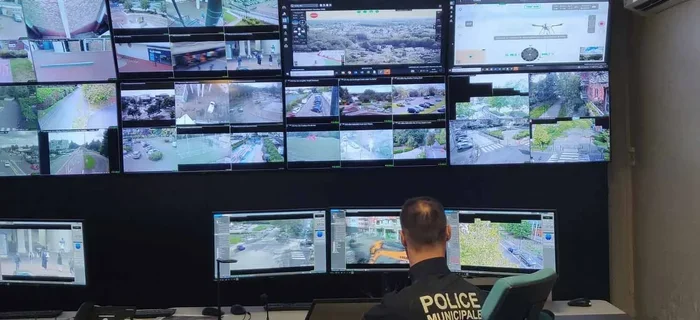
Law enforcement agencies use wideband receivers to scan the entire radio spectrum. These devices can detect signals across a broad range of frequencies simultaneously. When an unknown or unauthorized signal appears, analysts can flag it for further investigation.
Spectrum monitoring is especially useful for finding illegal transmitters. If someone is operating a radio without a license, their signal stands out against the background noise. Agencies like the FCC and local police departments maintain monitoring stations that continuously scan for suspicious activity.
Scanners used by law enforcement are incredibly sensitive. They can pick up signals that are barely above the noise floor. This means even a low-powered transmitter broadcasting from a moving vehicle can sometimes be detected and followed.
Advanced Tracking Technologies
Beyond basic triangulation and scanning, agencies have access to more advanced tools. These include:
- Airborne direction finding: Helicopters or drones carry DF equipment to locate transmitters from above, which is especially useful in rural or hard-to-reach areas.
- Mobile monitoring vans: Vehicles equipped with sensitive receivers that can drive through neighborhoods to pinpoint signal sources.
- Satellite-based tracking: For transmitters that use satellite links, agencies can use satellite receivers to estimate the transmitter’s location based on signal timing.
- Software-defined radios (SDRs): These flexible devices can be programmed to monitor and analyze virtually any frequency, making them powerful tools for tracking.
Law enforcement technology has advanced significantly in recent years. What once required a team of specialists and hours of work can now sometimes be accomplished with a single device and a few minutes of analysis.
The Legal Framework Governing Radio Tracking
Federal Communications Commission Rules
The Federal Communications Commission (FCC) sets the rules for radio communications in the United States. These regulations cover who can transmit, on what frequencies, and at what power levels. The FCC also has the authority to investigate unauthorized transmissions and enforce compliance.
Under FCC rules, certain frequencies are reserved for specific uses. Amateur radio operators have designated bands. Emergency services have their own channels. Businesses must obtain licenses for commercial radio use. When someone transmits on an unauthorized frequency or at excessive power, they become much easier to track because their signal violates known parameters.
The FCC works with law enforcement to identify and penalize violators. In many cases, the tracking process starts with a complaint or a routine spectrum scan that reveals an illegal signal.
Privacy Laws and Warrant Requirements
Tracking a radio transmitter is not something law enforcement can do arbitrarily. The Fourth Amendment protects citizens against unreasonable searches and seizures. In most cases, agencies need a warrant to conduct electronic surveillance, including radio signal tracking.
However, there are exceptions. Emergency situations, ongoing criminal investigations with probable cause, and certain national security operations may allow tracking without a warrant. The legal landscape is complex and varies by jurisdiction.
Courts have also weighed in on this issue. Landmark cases have established that tracking a radio signal can constitute a search, meaning law enforcement must generally follow proper legal procedures. If you believe your radio communications were tracked illegally, consulting with a lawyer who specializes in privacy and communications law is a wise step.
Can Encrypted Radio Signals Be Tracked?
Encryption and Signal Concealment
Many people assume that encrypting a radio signal makes it untraceable. This is a common misconception. Encryption hides the content of the communication, but it does not hide the fact that a transmission is happening. A signal still radiates outward and can still be detected by monitoring equipment.
Encrypted radio signals are harder to decode, but they are not invisible. Law enforcement can still locate the transmitter using direction-finding methods. The encryption protects the message, not the transmitter’s location.
That said, encryption does add a layer of complexity. Agencies must first detect the signal, then determine that it is encrypted, and finally decide whether the resources needed to track it are justified. This extra effort can deter some tracking attempts, but it does not eliminate the possibility entirely.
Limitations of Encryption for Location Privacy
It is important to understand the difference between content privacy and location privacy. Encryption provides content privacy. It scrambles the message so that only authorized receivers can understand it. But it does nothing to obscure the physical location of the transmitter.
Some advanced encryption systems also include features that attempt to mask the signal’s characteristics. These systems can make it harder for analysts to identify the type of device being used. However, the fundamental physics of radio transmission still apply. The signal exists, and it can be found.
For users who need both content and location privacy, additional measures like low-power operation, directional antennas, and frequent frequency changes can help reduce the risk of tracking.
Real-World Examples and Practical Insights
Notable Tracking Operations
History is full of cases where police radio tracking played a key role in solving crimes. In one notable case, law enforcement used direction-finding equipment to locate a suspect who was using a handheld radio to coordinate illegal activities. The signal was traced to a specific building within hours of the first detection.
Search and rescue operations also rely heavily on tracking technology. When a hiker triggers an emergency beacon, the signal is tracked by satellites and ground-based receivers to guide rescuers to the exact location. These same principles apply when law enforcement tracks criminal communications.
In another case, authorities tracked a rogue broadcaster who was operating an illegal radio station from a residential area. Using spectrum monitoring vans and triangulation, they pinpointed the source and shut down the operation within days.
Civilian vs. Professional Transmitter Tracking
The risk profile differs significantly between civilian and professional transmitters. Here is a comparison:
- Civilian transmitters: Generally lower power, shorter range, and more likely to be tracked using portable equipment. Hobbyist radios and personal communication devices fall into this category.
- Professional transmitters: Higher power, fixed locations, and more sophisticated equipment. Business radio systems and emergency services radios are monitored more closely due to their importance.
- Covert transmitters: Designed to avoid detection. These are used in espionage and surveillance. They are the hardest to find but not undetectable.
Professional systems are often required by law to include identifying features like call signs and registration numbers. These identifiers make tracking easier because the signal is already associated with a known entity.
Protecting Your Privacy and Understanding the Risks
Quick Tips for Radio Users
If you use radio equipment regularly, here are some practical steps to reduce your tracking risk:
- Use the lowest power necessary for your communication needs. Lower power means a shorter detection range.
- Change frequencies frequently if your equipment supports it. This makes it harder for trackers to maintain a lock on your signal.
- Use directional antennas to focus your signal in a specific direction rather than broadcasting in all directions.
- Turn off your transmitter when you are not actively communicating. A silent transmitter cannot be tracked.
- Be aware of your surroundings. If you suspect you are being monitored, move to a different location before transmitting.
- Use encryption where legal. Encrypted signals protect your message content even if the signal is intercepted.
These tips do not make you invisible. They simply reduce your visibility and make tracking more difficult and time-consuming.
Common Mistakes Radio Users Make
Many radio users unknowingly increase their tracking risk. Here are some common mistakes to avoid:
- Transmitting from a fixed location repeatedly. This creates a pattern that is easy to triangulate.
- Using unauthorized frequencies. Illegal transmissions stand out and attract immediate attention from spectrum monitors.
- Ignoring local regulations. Every area has rules about what frequencies can be used and at what power levels. Violating these rules is both illegal and risky.
- Assuming encryption solves everything. As we discussed, encryption protects content but not location.
- Leaving your radio on standby. Even in standby mode, some transmitters emit faint signals that can be detected.
Expert Insights: According to communications professionals, the biggest mistake most radio users make is assuming they are not a target. In reality, anyone transmitting a radio signal is potentially trackable. The question is not whether you can be tracked, but how easily it would be for someone to do so.
Another expert tip is to regularly review your equipment. Older transmitters may have outdated frequency protections or known vulnerabilities that newer models have addressed. Staying up to date with your gear is a simple but effective way to maintain your privacy.
Conclusion
The question of Can Radio Transmitters Be Tracked by Law Enforcement has a clear and well-documented answer. Yes, they can. Law enforcement agencies have a wide range of tools and techniques at their disposal to locate and monitor radio transmitters. From basic signal triangulation to advanced airborne direction finding, the capabilities are impressive and continue to evolve.
However, tracking is not automatic or effortless. It requires resources, expertise, and in most cases, legal authorization. The legal framework surrounding radio tracking is designed to protect citizens’ privacy while giving authorities the tools they need to investigate serious crimes.
Understanding how tracking works empowers you as a radio user. You can take practical steps to protect your communications and make informed decisions about your equipment. Whether you are a casual hobbyist or a professional who relies on radio every day, knowledge is your best defense.
The world of radio communications is fascinating and complex. As technology advances, so do the methods used to track and monitor signals. Staying informed and staying cautious will serve you well in this ever-changing landscape. The key takeaway is simple: radio transmitters can be tracked, but with the right knowledge and precautions, you can manage your risk effectively.
Frequently Asked Questions
How accurate is law enforcement at tracking radio transmitters?
Accuracy depends on several factors including the transmitter’s power output, the terrain, and the equipment used. High-powered fixed transmitters can be located with very high precision using triangulation. Low-power handheld devices are harder to pinpoint but can still be tracked under favorable conditions.
Do law enforcement need a warrant to track radio signals?
In most cases, yes. The Fourth Amendment generally requires law enforcement to obtain a warrant before conducting electronic surveillance, including radio signal tracking. However, there are exceptions for emergency situations and cases where there is probable cause of imminent danger.
Can encrypted radios prevent tracking?
Encryption protects the content of your communication but does not hide the signal itself. Law enforcement can still detect and locate an encrypted transmission using direction-finding and spectrum monitoring equipment. Encryption is one layer of protection, not a complete solution.
What frequencies are most commonly tracked by authorities?
Authorities monitor all frequencies but pay special attention to unauthorized transmissions, emergency service frequencies, and frequencies associated with known criminal activity. Licensed amateur radio bands are also monitored for compliance with FCC regulations.
How far can law enforcement track a radio signal?
The tracking range varies widely. High-powered transmitters can be detected from hundreds of miles away using aerial and ground-based equipment. Low-power handheld radios may only be trackable within a few miles, depending on terrain and atmospheric conditions.
What should I do if I suspect my radio is being tracked?
If you suspect your radio communications are being monitored, stop transmitting immediately and consult a legal professional. Avoid discussing sensitive information over radio unless you are using encrypted, licensed equipment. Document any suspicious activity and report it to the appropriate authorities.
=== CONCLUSION ===
Can Radio Transmitters Be Tracked by Law Enforcement? Absolutely. The technology and methods available to authorities are powerful and continue to improve. But knowledge is power. By understanding how tracking works, what the legal boundaries are, and what steps you can take to protect yourself, you can use radio equipment with greater confidence and awareness. Stay informed, stay compliant, and stay safe.