Can I Use My Smartphone As A Projector For Presentations
Can I Use My Smartphone As A Projector For Presentations? Yes, you can turn your phone into a portable projector with the right apps and simple hardware. This guide covers the best projection apps, necessary adapters, and step-by-step setup to get a big-screen image anywhere. You will also learn quick fixes for common issues like a stubborn line in your Excel file that won’t delete.
Key Takeaways
- Any smartphone can project: You just need a few low-cost tools like an HDMI adapter or a DIY lens.
- Apps make it easy: Free and paid apps can mirror your screen or cast directly to a monitor or projector.
- Setup is simple: Connect your phone, adjust focus, and you can present in minutes.
- Fix spreadsheet glitches first: If a line won’t delete in your Excel file, resolve it before you present. Check the guide on A Line Wont Delete In Microsoft Excel.
- Brightness matters: Use a bright room or an external light source for a clearer image.
- Wireless options exist: You can cast without cables using screen mirroring or Chromecast.
📑 Table of Contents
- How Your Smartphone Can Work As A Projector
- The Best Apps To Project From Your Phone
- Hardware You Need For A Bigger Screen
- Setting Up Your Smartphone Projector Step By Step
- Common Problems And How To Fix Them
- Tips For Better Projection Quality
- Comparison Table: Wired Vs Wireless Smartphone Projection
- Expert Insights
- Conclusion
How Your Smartphone Can Work As A Projector
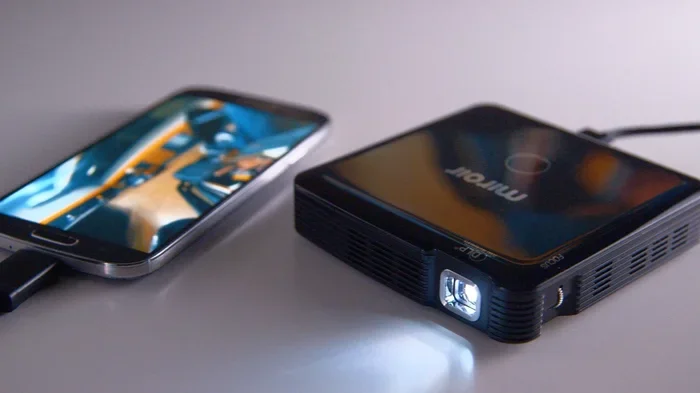
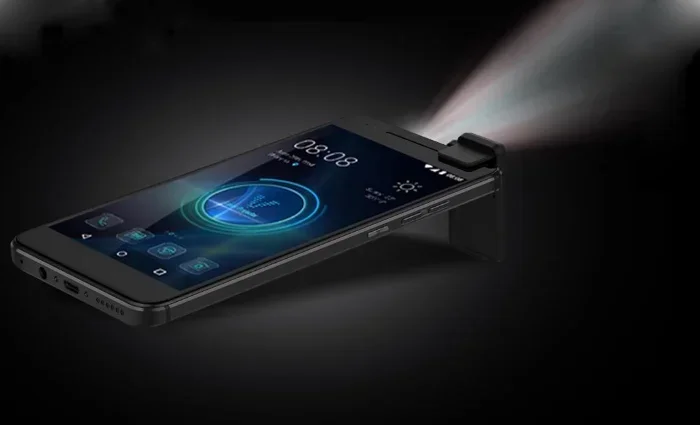
You might be surprised how well a phone can replace a traditional projector. The screen on modern smartphones is bright and sharp. With a few extra steps, you can share that image on a wall or a big monitor. This is perfect for quick meetings, classroom lessons, or backyard movie nights. The idea of a smartphone projector is not new, but the tools have gotten much better.
Using your phone as a projector saves you from carrying heavy equipment. You already have the most important part in your pocket. All you need is a way to expand the image and a surface to show it on. Some people use a simple cardboard box with a lens, while others plug directly into a TV. The method you choose depends on your budget and how often you present. I will walk you through the most popular options so you can pick what works best.
What Is Smartphone Projection?
Smartphone projection means sending your phone’s screen to a larger display. This can be a television, a monitor, or a blank wall with a lens. The phone acts as the image source, just like a laptop would. You control everything from your phone, making it a very personal presentation tool. The quality of the projected image depends on the phone’s screen brightness and the lens or adapter you use.
The Best Apps To Project From Your Phone
The right app can make your phone act like a wireless projector. Many of these tools are free and work on both Android and iPhone. You can mirror your entire screen or cast specific content like videos and slides. Some apps let you adjust the image size and focus right from your phone. Below are the most reliable options for turning your device into a presentation tool.
Free Apps For Quick Screen Mirroring
- Screen Mirroring – Cast: This app lets you send your phone screen to any smart TV or projector with an HDMI port. It works over Wi-Fi and is very easy to set up.
- Google Home: If you have a Chromecast device, Google Home is the go-to app for wireless casting. It supports many apps and gives you a smooth streaming experience.
- LetsView: A simple, free tool that mirrors Android and iOS screens to a PC or TV. It works well for sharing presentations and videos without cables.
Paid Apps With Extra Features
Some paid apps offer better stability and higher resolution. They are worth it if you present often or need a professional setup.
- Epson iProjection: Designed for Epson projectors, this app gives you direct control over your projector settings from your phone.
- Screen Stream Mirroring: This app supports HD quality and works with most web browsers on your TV or monitor. It is great for sharing web pages and documents.
Hardware You Need For A Bigger Screen
To get a clear big-screen image, you need the right hardware. Most people already own a TV or a portable monitor. If you want to project on a wall, you can use a simple lens attachment. The key is to match your phone’s output to the display you are using. I will break down the most common hardware options below.
HDMI Adapters And Cables
An HDMI adapter is the simplest way to connect your phone to a TV or projector. You plug the adapter into your phone’s charging port and then connect an HDMI cable. The TV shows your phone screen exactly as it appears. This method gives you a stable, lag-free image. It works for PowerPoint slides, videos, and apps. If you are using an Excel file and a line won’t delete, you may need to fix the file first. Check the guide on A Line Wont Delete In Microsoft Excel to resolve that issue before you present.
Wireless Casting Devices
Devices like Chromecast or Amazon Fire Stick let you cast your phone screen without any cables. You connect the device to your TV’s HDMI port and use Wi-Fi to send the image. This is great for moving around the room freely. Wireless casting is convenient, but it can have a slight delay. For most presentations, the delay is not noticeable. Just make sure your Wi-Fi signal is strong.
DIY Smartphone Projector Lens
A DIY projector uses a magnifying lens and a cardboard box. You place your phone inside the box, facing the lens, and the image projects outward onto a wall. This is a fun and cheap project that can work in a pinch. The image will be flipped, so you may need to rotate your phone screen beforehand. A DIY lens is best for casual viewing, not for professional presentations. The quality is lower than a direct HDMI connection, but it gets the job done.
Setting Up Your Smartphone Projector Step By Step
Setting up your phone as a projector is faster than you might think. You can go from zero to a big-screen image in just a few minutes. Follow these steps to get a clear, stable display every time.
Step 1: Choose Your Display Method
Decide whether you will use a cable or wireless casting. A cable gives you the most reliable connection. Wireless casting gives you more freedom to move. If you are in a bright room, a wired HDMI connection usually works best. If you need to walk around, pick a wireless device like Chromecast.
Step 2: Prepare Your Phone
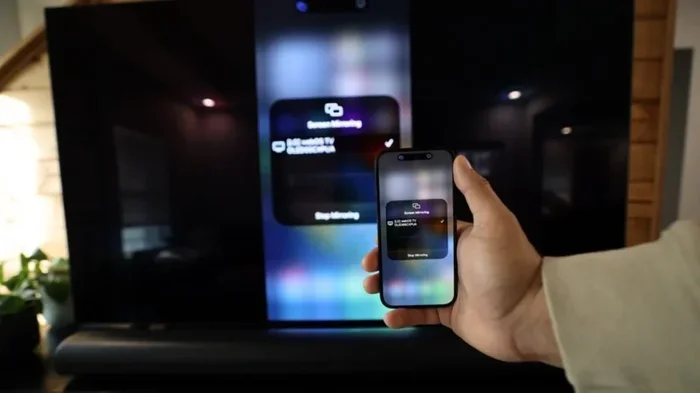
Turn on screen mirroring or cast mode on your phone. On Android, you can pull down the notification shade and tap Cast. On iPhone, use the Screen Mirroring option in Control Center. Make sure your phone is fully charged or plugged in. Projecting can drain your battery quickly, so keep a charger nearby.
Step 3: Adjust The Image
Focus the image by moving your phone closer or farther from the lens. If you are using a TV, adjust the TV’s aspect ratio to match your phone. For a DIY projector, you may need to tweak the lens distance. A blurry image is the most common problem, and a small adjustment fixes it. If your spreadsheet has a line that won’t delete, it can distract the audience. Resolve that by following the steps in A Line Wont Delete In Microsoft Excel. A clean file makes your projection look professional.
Step 4: Test Before The Audience Arrives
Always do a full test run before you present. Check the brightness, sound, and video playback. Make sure the room lighting does not wash out the image. Testing helps you catch any surprises early. You can also ask a friend to sit in the back row and tell you if the text is readable.
Common Problems And How To Fix Them
Even with the best setup, you might run into a few hiccups. Most issues are easy to solve with a quick fix. Here are the most common problems people face when using a phone as a projector.
The Image Is Too Dim
A dim image is the number one complaint. This usually happens in bright rooms. To fix it, turn up your phone’s brightness to maximum. Close any apps that are not in use, as they can drain power and reduce brightness. If you are using a DIY lens, a darker room will help a lot. You can also project on a white wall instead of a colored surface. For a more permanent solution, consider a portable projector screen that reflects more light.
The Screen Keeps Flickering
Flickering often comes from a loose cable connection. Check that your HDMI adapter is fully plugged in. If you are using wireless casting, a weak Wi-Fi signal can cause flickering. Move closer to your router or switch to a less crowded Wi-Fi band. Restarting your phone and the receiving device can also clear up the problem. Sometimes, a simple cable swap fixes everything.
Audio And Video Are Out Of Sync
When the sound does not match the video, it is usually a delay issue. Wireless casting has a natural slight lag. To reduce this, close other apps that use bandwidth. If you are using an HDMI cable, the sync should be perfect. If you still notice a delay, check your phone’s developer settings for USB audio latency. A wired connection is always the most reliable for audio and video together.
Excel File Glitches During Projection
You might notice that a line in your Excel sheet appears on the projected screen but will not delete. This can be frustrating when you are presenting financial data. The issue often comes from a corrupted cell border or a hidden row. Before you present, open the file on your computer and fix the problem. If a line won’t delete in your spreadsheet, you can follow the steps in A Line Wont Delete In Microsoft Excel. Doing this beforehand keeps your presentation smooth and professional. When you are projecting Excel sheets, always check the file on the big screen first. A small glitch can look much larger on a wall than on your phone.
Tips For Better Projection Quality
A few simple tricks can make your smartphone projection look much more polished. These tips help you get a bright, clear, and professional image every time.
Use A Dark Room When Possible
Ambient light is the enemy of any projected image. Close the curtains and turn off unnecessary lights. A darker room makes your phone’s screen appear much brighter on the wall. If you cannot dim the lights, use a portable projector screen that has a high gain. This helps reflect more light back to the audience.
Keep Your Phone Cool
Projecting uses a lot of processing power, which can heat up your phone. Overheating can cause the image to dim or the phone to slow down. Take off any thick phone case during the presentation. You can also place your phone near a fan or in a cool spot. A cool phone runs smoother and lasts longer.
Optimize Your Content For A Big Screen
Text and images that look fine on your phone can be hard to read on a wall. Use large fonts and high-contrast colors in your slides. Avoid small charts or dense paragraphs. If you are sharing an Excel file, zoom in on the important cells. Make sure every line is clean and easy to see. If you find a line that won’t delete, fix it with the A Line Wont Delete In Microsoft Excel resource. A clear, uncluttered slide keeps your audience focused.
Invest In A Good Lens Or Adapter
The cheapest HDMI adapter might give you a shaky image. Spending a little more on a quality adapter can make a big difference. Look for adapters that support 1080p or higher resolution. A good lens for a DIY projector should be a clear glass magnifier, not a plastic one. Better hardware means fewer headaches and a more impressive presentation.
Comparison Table: Wired Vs Wireless Smartphone Projection
| Feature | Wired (HDMI Adapter) | Wireless (Chromecast / Mirroring) |
|---|---|---|
| Image Stability | Very stable, no lag | Slight delay possible |
| Setup Time | Fast, plug and play | Requires Wi-Fi pairing |
| Mobility | Limited by cable length | Free to move around |
| Best For | Bright rooms, long presentations | Casual sharing, small groups |
| Cost | Low to medium | Medium to high (device cost) |
Expert Insights
Many professionals use their phones as a backup projector every day. The key is to always have a Plan B. Carry a spare HDMI adapter in your bag. Test your setup in the actual room before the event. A quick test can save you from an embarrassing blank screen. If you are presenting data-heavy slides, always open the file on the projected screen first. A line that won’t delete can throw off your entire flow. Fix it early with the A Line Wont Delete In Microsoft Excel tutorial. Experts also recommend keeping your phone on airplane mode during a wireless projection. This prevents calls and notifications from interrupting your presentation.
Conclusion
Using your smartphone as a projector is a handy skill that anyone can learn. It saves money, reduces clutter, and lets you present almost anywhere. With the right app, a simple adapter, and a few minutes of setup, you can turn your phone into a powerful presentation tool. Remember to check your files for glitches, keep the room dark, and test everything before your audience arrives. The next time you need to share a big screen, you will know exactly how to do it. Can I Use My Smartphone As A Projector For Presentations is no longer a question. Now you have the answer and the steps to make it happen.
Frequently Asked Questions
Can any smartphone be used as a projector?
Yes, almost any modern smartphone can project its screen to a TV, monitor, or wall. You just need the right adapter or a wireless casting device. The image quality depends on your phone’s screen brightness and the lens or cable you use.
Do I need a special app to use my phone as a projector?
You do not need a special app for a wired connection. For wireless casting, apps like Google Home or Screen Mirroring make it easy. Many TVs and projectors also have built-in casting features that work without extra software.
Is it better to use a cable or wireless projection?
A cable gives you a more stable, lag-free image. Wireless projection is more convenient and lets you move around. For important presentations, a wired HDMI connection is usually the safer choice.
How can I make my smartphone projection brighter?
Turn up your phone’s brightness to the maximum. Use a dark room and a white wall or a projector screen. A high-gain screen reflects more light and makes the image much clearer.
What should I do if a line won’t delete in my Excel file during a presentation?
Fix the file on your computer before you present. A stubborn line is often caused by a hidden row or a corrupted cell border. You can follow the guide on A Line Wont Delete In Microsoft Excel to resolve it quickly and keep your projection smooth.
Can I project from my phone to a projector without Wi-Fi?
Yes, you can use an HDMI adapter to connect your phone directly to a projector without Wi-Fi. This wired method gives you a stable, high-quality image and works in any room. It is the most reliable option for a presentation without internet access.