Can I Just Put Led Lights In My Car Yes Heres What Happens
Yes, you can put LED lights in your car, and the results are amazing. Switching to LED car lights gives you brighter illumination, lower power consumption, and a longer lifespan. However, you need to handle a few things correctly, like CANbus errors and proper wiring, to avoid common problems.
So you are sitting in your car one night, driving down a dark road, and you think, “Can I just put LED lights in my car?” The answer is a solid yes. But what actually happens when you make the switch? That is what we are going to explore today.
LED lighting has taken the automotive world by storm. People love the crisp white light, the modern look, and the fact that LEDs use way less power than old-school halogen bulbs. But there is more to it than just popping a new bulb in and calling it a day. You need to know what to expect, what can go wrong, and how to get the best results.
In this guide, we will walk you through everything. From the different types of LED car lights you can use, to the benefits you will notice right away, to the problems that catch people off guard. We will also cover installation steps, legal considerations, and expert tips that will help you get the most out of your upgrade.
Let us dive in.
Key Takeaways
- LED lights work great in cars: They offer better brightness, use less energy, and last much longer than traditional bulbs.
- You will need some basic knowledge: Understanding CANbus, wiring, and light housing compatibility is important for a smooth install.
- Not all LEDs are equal: Choosing the right type, color temperature, and quality brand makes a huge difference.
- Legal issues exist: Some LED light colors and placements may violate local vehicle lighting laws.
- Installation is doable at home: With basic tools and patience, most people can complete a car light installation themselves.
- Problems are fixable: Common issues like flickering or error codes have simple solutions you can handle yourself.
- Upgrade your entire lighting system: From headlights to interior strips, LEDs transform your driving experience.
📑 Table of Contents
What Happens When You Install LED Lights in Your Car
When you first swap out your old bulbs for LED headlights or LED strip lights, the difference is immediate. Your car looks and feels different. The light is sharper, whiter, and covers more of the road ahead. But the changes go deeper than just appearance.
Here is a breakdown of what you can expect after you make the switch:
- Brighter illumination: LEDs produce significantly more light per watt than halogen or incandescent bulbs. This means better visibility at night and in bad weather.
- Faster response time: LEDs light up instantly. There is no warm-up period like you get with older bulb types. This matters a lot for brake lights and turn signals.
- Lower power draw: LEDs use a fraction of the electricity. Your alternator and battery will thank you.
- Less heat output: Traditional bulbs waste a lot of energy as heat. LEDs stay much cooler, which reduces the risk of melting light housings or connectors.
- Longer lifespan: A good LED bulb can last 30,000 to 50,000 hours. That is years of worry-free driving before you need a replacement.
- Modern aesthetic: Your vehicle just looks better. Clean, sharp light gives everything a premium feel.
Now, it is not all sunshine and rainbows. There are a few things that can catch you off guard. Some cars are more sensitive to LED upgrades than others. We will get into that below.
Why LED Lights Are Different from Traditional Bulbs
To understand what happens when you install LEDs, you need to understand how they work differently. A halogen bulb heats a filament until it glows. That process wastes a lot of energy as heat. An LED, on the other hand, uses a semiconductor to produce light. It is a fundamentally different technology.
This difference affects everything from brightness to how your car’s computer reads the new bulbs. Some vehicles have a CANbus system that monitors bulb health. When it detects low power draw from an LED, it may throw an error or make the dashboard flash. We will talk about how to fix that in a moment.
Types of LED Lights You Can Use in Your Car
Not all LED light upgrades are the same. There are several types you can choose from, and each serves a different purpose. Let us break them down.
LED Headlight Bulbs
These replace your standard headlight bulbs. They come in different shapes and sizes to fit various vehicles. When choosing LED headlight bulbs, look for ones with a proper heat sink. The heat sink keeps the LED cool and extends its life. Without it, the bulb can burn out fast.
Popular options include single-beam and dual-beam designs. Single-beam bulbs handle either low beam or high beam. Dual-beam bulbs do both in one unit. Check your vehicle’s manual to see which type you need.
LED Interior Lights
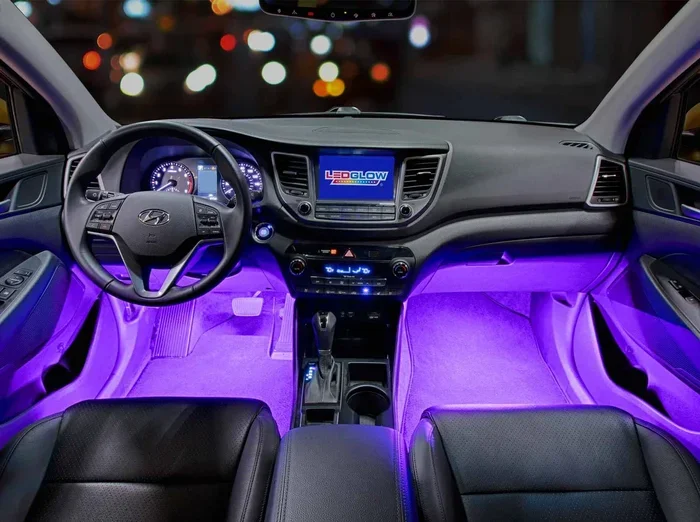
Interior LED lighting is where a lot of people start. Dome lights, map lights, and footwell lighting all benefit from an LED swap. You can also add LED strip lights under seats or along the dashboard for a custom look.
Interior LEDs come in many colors. Warm white gives a cozy feel. Cool white looks clean and modern. Some people even go with RGB strips that change colors. Just keep in mind that overly bright or distracting interior lights can affect your night vision while driving.
LED Fog Lights and Light Bars
If you drive in foggy or off-road conditions, LED fog lights or a light bar can be a game-changer. These lights cut through mist and illuminate the road close to the vehicle. They are also great for off-road adventures where standard headlights do not reach far enough.
LED Accent and Underglow Lights
Underglow and accent lights are all about style. These are the lights mounted under the car or along the interior edges. They come in every color imaginable and can create a really cool effect. Just be aware that some areas have laws against certain accent light colors.
Benefits of Switching to LED Car Lights
So why do so many car owners make the switch to automotive LED lighting? The benefits are real and noticeable. Let us go through them one by one.
Better Visibility and Safety
This is the number one reason people upgrade. LED light output is significantly higher than halogen bulbs. You can see farther down the road, which gives you more time to react to obstacles, animals, or debris. In rain or fog, the sharper beam pattern of LEDs helps you see the road markings more clearly.
Better visibility means safer driving. It is that simple. When you can see more, you can react faster.
Energy Efficiency
LEDs use a fraction of the power that traditional bulbs consume. A typical halogen headlight draws about 55 to 65 watts. An equivalent LED might only draw 20 to 30 watts. Over time, this adds up. Your battery stays healthier, and your alternator has less strain.
If you are someone who leaves your lights on or drives a lot at night, this energy savings is especially valuable.
Longer Lifespan
We touched on this earlier, but it deserves its own spotlight. A quality LED bulb can last 10 to 15 years of normal driving. You might buy a car and never need to change the headlights again. That is a huge convenience factor. No more pulling over on dark roads to swap out a burned-out bulb.
Instant On, No Flicker
LEDs reach full brightness the moment you flip the switch. Halogen bulbs take a second or two to warm up. This instant response is especially important for brake lights and turn signals. Other drivers see you faster, which improves safety for everyone on the road.
Common Problems and How to Fix Them
Let us be honest. Installing LED lights in vehicles is not always plug-and-play. There are a few common issues that people run into. The good news is that all of them have fixes.
CANbus Errors and Dashboard Warnings
This is the most common complaint. Your car’s computer system monitors the power draw of each bulb. When you install an LED that draws less power, the system thinks a bulb is burned out. You may see a flashing warning light on the dashboard.
The fix is simple. You can install a CANbus decoder or a resistor in line with the LED bulb. This tricks the computer into thinking the bulb is drawing the correct amount of power. Most LED bulb kits come with these decoders included.
Flickering or Dimming
Sometimes LEDs flicker or dim after installation. This usually happens because of a loose connection or incompatible wiring. Make sure all connections are tight and clean. If the flickering continues, a decoder or driver module usually solves the problem.
Glare and Light Spill
Not all LED bulbs are designed to fit perfectly into existing light housings. Some bulbs throw light in the wrong direction, creating glare for oncoming drivers. This is both dangerous and illegal in many places.
To avoid this, choose LED bulbs that are specifically designed for your vehicle model. Look for bulbs with a focused beam pattern and proper alignment. If you are unsure, consult a professional installer.
Heat Management Issues
Even though LEDs run cooler than halogen bulbs, they still produce heat at the back of the bulb where the LED chip sits. Without proper heat dissipation, the bulb can overheat and fail prematurely.
Always choose bulbs with a built-in fan or a large metal heat sink. This keeps the temperature in check and extends the bulb’s life significantly.
Step-by-Step Installation Guide
Want to install LED car lights yourself? It is easier than you might think. Here is a simple walkthrough.
Step 1: Gather Your Tools
You will need a few basic items before you start:
- The LED bulb kit (make sure it fits your vehicle)
- A screwdriver set
- Wire connectors and electrical tape
- A CANbus decoder if your car requires one
- A clean cloth for handling bulbs
Step 2: Remove the Old Bulb
Turn off your car and let the old bulb cool down. Open the hood or access panel behind the light assembly. Disconnect the wiring harness and carefully remove the old bulb. Do not touch the new LED bulb with bare hands. The oils from your skin can create hot spots on the LED and shorten its life.
Step 3: Install the New LED Bulb
Insert the new LED bulb into the housing. Make sure it is seated properly and the connectors are aligned. If your kit includes a decoder, wire it in at this point. Reconnect the wiring harness and test the light before closing everything up.
Step 4: Adjust the Beam Alignment
LED bulbs sometimes sit slightly differently in the housing than halogen bulbs. Park your car about 25 feet from a wall and check the light pattern. Adjust the aim screws on the light housing until the beam is level and does not blind oncoming drivers.
Step 5: Test Everything
Turn on all your lights and check that everything works correctly. Test the high beams, low beams, and turn signals if you replaced those bulbs too. Make sure there are no error messages on the dashboard.
Are LED Car Lights Legal?
This is a question that comes up a lot, and the answer is not always straightforward. The legality of LED vehicle lighting depends on where you live and what kind of lights you are installing.
In most places, replacing your stock bulbs with LEDs of the same wattage and beam pattern is perfectly legal. However, there are rules about light color, brightness, and placement. For example, red and blue lights are typically reserved for emergency vehicles. Underglow lights in certain colors may be restricted or prohibited on public roads.
Before you install any car lighting upgrade, check your local and state laws. If you are unsure, a quick search online or a call to your local DMV can save you from a ticket.
Also keep in mind that inspections and smog checks may flag aftermarket LED lights that do not meet original equipment standards. Stick with reputable brands and DOT-approved bulbs whenever possible.
Expert Tips for Getting the Best Results
We have put together some advice from experienced installers and car enthusiasts to help you get the most out of your LED lighting upgrade.
Choose Quality Over Price
Cheap LED bulbs might seem like a good deal, but they often have poor beam patterns, weak heat sinks, and short lifespans. Invest in a reputable brand with good reviews. Your safety and visibility are worth the extra cost.
Match Color Temperature to Your Needs
LED bulbs come in different color temperatures measured in Kelvin (K). Lower numbers (around 3000K to 4000K) produce a warm yellowish light. Higher numbers (5000K to 6500K) produce a crisp white or slightly blue light.
For headlights, 5000K to 6000K is the sweet spot. It gives you the best visibility and looks great. For interior lights, you can go warmer if you prefer a cozy atmosphere.
Consider a Full Lighting Upgrade
If you are replacing your headlights, consider upgrading your fog lights, tail lights, and interior lights at the same time. A full car light installation gives your vehicle a consistent, polished look and improves visibility from every angle.
Keep Your Wiring Clean
When working with electrical components, always make sure your connections are clean and secure. Use dielectric grease on connectors to prevent corrosion. A little care with wiring goes a long way toward preventing problems down the road.
Test Before Finalizing
Never close up a light housing before testing the new bulb. Make sure the beam pattern is correct and the light is working at full brightness. It is much easier to fix a problem before everything is reassembled.
Final Thoughts
So, can you just put LED lights in your car? Absolutely. The process is straightforward, the benefits are real, and the results speak for themselves. You get brighter light, better efficiency, and a modern look that makes your vehicle stand out.
Just remember to do your research. Choose the right bulbs for your vehicle, handle the wiring carefully, and be aware of local laws. A little preparation goes a long way toward a smooth, successful upgrade.
Whether you are upgrading your headlight bulbs, adding interior LED lights, or installing a full LED light bar for off-road adventures, the switch to LED is one of the best things you can do for your car. It is a simple change that makes a big difference every time you turn the key.
Go ahead and make the switch. Your eyes and your wallet will thank you.
Frequently Asked Questions
Can I put LED lights in any car?
Yes, you can put LED lights in most cars. The key is finding bulbs that match your vehicle’s socket type and light housing. Some older vehicles may need minor modifications, but the vast majority of cars accept standard LED bulb replacements without any issues.
Will my car’s computer show an error after installing LEDs?
It might, especially if your car has a CANbus system. The computer monitors bulb power draw, and LEDs use less power than traditional bulbs. This can trigger a warning or error code. Installing a CANbus decoder or resistor usually fixes this problem quickly and easily.
Are LED car lights worth the money?
Yes, LED lights are absolutely worth it. They last much longer than halogen bulbs, use less energy, and provide significantly better light output. Over time, you save money on replacements and enjoy a safer, more pleasant driving experience.
Do LED lights in cars attract police attention?
Certain LED light colors and placements can attract unwanted attention from law enforcement. Red and blue lights are restricted for emergency vehicles only. Underglow lights in some colors may also be illegal on public roads. Always check your local laws before installing any aftermarket lights.
How long does it take to install LED lights in a car?
Most LED bulb swaps take about 15 to 30 minutes per light. Interior lights are the quickest. Headlight replacements may take a bit longer because of the access and beam alignment process. If you are doing a full vehicle upgrade, set aside a few hours.
Can LED lights damage my car’s electrical system?
No, LED lights will not damage your car’s electrical system. In fact, they put less strain on it because they draw less power than traditional bulbs. Just make sure you use quality bulbs and follow proper wiring practices to avoid any issues.
=== CONCLUSION ===
Switching to LED lights in your car is one of the simplest and most rewarding upgrades you can make. The process is straightforward, the benefits are immediate, and the results last for years. From brighter headlights to a stylish interior, LEDs transform your vehicle inside and out.
Just remember to choose quality bulbs, handle the installation carefully, and stay aware of legal requirements. With the right approach, your car light installation will be smooth and satisfying. So go ahead, make the switch, and enjoy the ride with better light, better efficiency, and a better-looking vehicle.