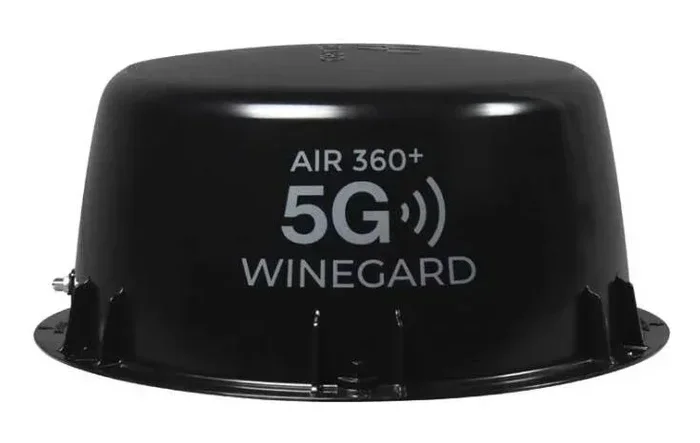
Does Winegard Work With 5G Everything You Should Know
Winegard offers select products that work with 5G networks, but compatibility depends on the specific model and your location. The company has expanded its antenna lineup to support 5G frequency bands, making it possible to access faster speeds with the right device. Not all Winegard products support 5G, so checking your model before purchase is essential.
This is a comprehensive guide about Does Winegard Work With 5g.
Key Takeaways
- Winegard does offer 5G-compatible products: Several models now support 5G frequency bands for faster wireless speeds.
- Compatibility varies by model: Older Winegard antennas may not support 5G, while newer models include 5G capability.
- 5G coverage matters: Even with a compatible Winegard device, you need 5G network coverage in your area to get the benefits.
- Winegard Connect products lead in 5G support: The Winegard Connect line is designed with modern wireless technology in mind.
- Installation is straightforward: Most Winegard 5G-compatible antennas are easy to set up without professional help.
- 5G and 4G LTE differ: Winegard devices may support both, but 5G offers significantly faster speeds where available.
[FEATURED_IMAGE_PLACEHOLDER]
Winegard has been a trusted name in antenna technology for decades. Whether you live in a rural area or travel in an RV, Winegard products help you capture TV signals, wireless connections, and more. With the rise of 5G networks, many users want to know if their existing Winegard gear can handle this new technology.
The short answer is yes, but with some important caveats. Winegard does offer products that work with 5G, but not every model in their lineup supports it. The company has been updating its antenna designs to include 5G frequency bands, especially in their newer product lines. This means that if you are looking to upgrade or replace your current setup, you have options that can handle both 4G LTE and 5G signals.
In this guide, we will explore exactly which Winegard products support 5G connectivity, how they perform, and what you should consider before buying. We will also look at the differences between 5G and 4G LTE, installation tips, and common mistakes to avoid. By the end, you will have a clear picture of whether Winegard is the right choice for your wireless connectivity needs.
Understanding Winegard and 5G Technology
Winegard has built a strong reputation by making antennas that work well in challenging environments. From RV antennas to home setups, their products are designed to pull in signals from far away. With 5G networks rolling out across the country, many users wonder if their existing Winegard gear can keep up.
The truth is that 5G technology operates on different frequency bands than older networks. These bands include low-band, mid-band, and high-band (millimeter wave) frequencies. Each band has different range and speed characteristics. Winegard has been working to ensure their products can handle these various bands, but the level of support depends on the specific model.
If you are currently using a Winegard antenna for TV or wireless purposes, you might need to upgrade to get 5G compatibility. Older models were built for 4G LTE and earlier frequencies, so they may not pick up the new 5G bands. However, Winegard has released several new products that are designed specifically for the modern wireless landscape.
How 5G Differs from 4G LTE
5G networks offer faster speeds and lower latency compared to 4G LTE. This makes them ideal for streaming, video calls, and other data-heavy tasks. Winegard products that support 5G can take advantage of these improvements, but only if the antenna is designed to pick up the right frequency bands.
Here are the key differences between 4G LTE and 5G:
- Speed: 5G can be up to 100 times faster than 4G LTE in ideal conditions.
- Latency: 5G has much lower latency, which means less delay in data transmission.
- Frequency bands: 5G uses a wider range of frequencies, including millimeter wave bands that 4G does not use.
- Capacity: 5G can handle more devices connected at once without slowing down.
When shopping for a Winegard antenna, check the product specifications for 5G support. Look for terms like “5G ready” or “5G compatible” in the product description. This will ensure you get a device that can handle the newest wireless technology.
Winegard Products That Work With 5G
Winegard has several product lines that support 5G connectivity. These are designed for different use cases, from home use to mobile setups in RVs and boats. Let us look at the main options available.
Winegard Connect Series
The Winegard Connect series is one of the most popular lines for wireless streaming and connectivity. These products are designed with modern technology in mind, and many models now include 5G support. The Connect series is especially popular among RV owners who want reliable wireless internet on the go.
Key features of the Winegard Connect series include:
- 5G frequency band support for faster speeds.
- Built-in Wi-Fi hotspot capability.
- Easy setup with minimal technical knowledge required.
- Compact design that works well in tight spaces.
If you are considering a Winegard Connect product, check the specific model number to confirm 5G compatibility. Not every model in the series supports the newest networks, so reading the specs carefully is important.
Winegard Sensar Series
The Winegard Sensar series is known for high-performance TV antennas. While these are primarily designed for over-the-air TV reception, some models have been updated to support 5G frequency bands. This makes them a good choice for users who want both TV reception and wireless connectivity from a single device.
When looking at Sensar models, pay attention to the frequency range listed in the specifications. A model that covers 700 MHz to 3 GHz will likely support most 5G bands. This is because many 5G networks operate in the mid-band frequency range.
Winegard Wingman Series
The Winegard Wingman is a popular choice for those who need a portable wireless solution. While the original Wingman was designed for 4G LTE, newer versions have been updated to include 5G support. This makes the Wingman a versatile option for travelers and outdoor enthusiasts.
Some key benefits of the Winegard Wingman include:
- Portable design that is easy to set up anywhere.
- 5G compatibility on newer models.
- Built-in cellular signal booster for improved coverage.
- User-friendly app for monitoring signal strength.
Before purchasing a Wingman, make sure to check the model number and confirm that it supports 5G networks. The older models may only work with 4G LTE and will not take advantage of the faster 5G speeds.
How to Check if Your Winegard Product Supports 5G
If you already own a Winegard product, you might be wondering if it supports 5G. The good news is that checking this is pretty straightforward. Start by looking at the product manual or the manufacturer’s website. Most Winegard products list the supported frequency bands in their specifications.
Here are some steps to help you determine if your Winegard device supports 5G:
- Find your model number: This is usually printed on the device or in the original packaging.
- Visit the Winegard website: Look up your model in the product database to see the full specifications.
- Check the frequency range: Look for support of bands in the 600 MHz to 3.7 GHz range, which covers most 5G frequencies.
- Look for “5G” in the product name: Newer Winegard products that support 5G often include this in their model name or description.
If your current Winegard product does not support 5G, you may still be able to use it with 4G LTE networks. While you will not get the faster 5G speeds, 4G LTE is still quite capable for most tasks like browsing, streaming, and video calls. You can also consider upgrading to a newer Winegard model that includes 5G support.
Understanding Frequency Bands
To really understand Winegard 5G compatibility, it helps to know a bit about frequency bands. 5G networks use a wide range of frequencies, from low-band (below 1 GHz) to mid-band (1-6 GHz) to high-band (above 24 GHz, also known as millimeter wave).
Most Winegard products that support 5G are designed to work with low-band and mid-band frequencies. These bands offer a good balance of speed and coverage. High-band millimeter wave, while extremely fast, has very limited range and is not commonly supported by consumer antennas like those made by Winegard.
When checking your Winegard product’s specifications, look for the following frequency ranges:
- Low-band 5G: 600 MHz to 1 GHz
- Mid-band 5G: 1 GHz to 6 GHz
- High-band 5G (mmWave): 24 GHz to 47 GHz (rarely supported by consumer antennas)
A Winegard product that covers the low-band and mid-band ranges will give you the best 5G compatibility for most users. This is where the majority of 5G networks are deployed, especially in rural and suburban areas.
Installation Tips for Winegard 5G Antennas
Setting up a Winegard antenna for 5G is generally a straightforward process. Most models are designed for DIY installation, and you do not need to be a technical expert to get them working. However, there are some tips that can help you get the best performance.
Placement Matters
The location of your Winegard antenna has a big impact on its performance. For the best 5G signal reception, place the antenna as high as possible and away from obstructions like trees and buildings. If you are using a roof-mounted antenna, make sure it is pointing toward the nearest 5G cell tower.
Here are some placement tips to keep in mind:
- Get the antenna as high as possible on your roof or mounting pole.
- Point the antenna toward the nearest cell tower for the strongest signal.
- Keep the antenna away from metal objects that can interfere with the signal.
- Use a signal meter or app to find the best direction for your antenna.
You can use a tool like CellMapper or your phone’s signal indicator to locate the nearest 5G cell tower. This will help you aim your Winegard antenna in the right direction for the best performance.
Cable and Connection Considerations
The cables and connectors you use with your Winegard antenna can also affect performance. Use high-quality, low-loss coaxial cables to minimize signal loss. Keep cable runs as short as possible, and avoid sharp bends or kinks in the cable.
If you are extending your network, you might also consider how your Winegard setup connects to your home network. For example, if you need to extend your Wi-Fi coverage, you could look into solutions like extending your Wi-Fi with an Ethernet cable for a more stable connection.
Common Installation Mistakes to Avoid
Even with a simple setup like a Winegard antenna, there are some common mistakes that can hurt your performance. Avoid these pitfalls to get the best 5G signal from your Winegard product:
- Placing the antenna indoors: Walls and roofs can significantly weaken 5G signals.
- Using cheap cables: Low-quality cables can cause signal loss and reduce speeds.
- Ignoring the antenna’s direction: A misaligned antenna will not pick up the strongest signal.
- Not checking for interference: Nearby electronic devices can interfere with your antenna’s performance.
Winegard 5G Performance: What to Expect
When using a Winegard 5G-compatible antenna, you can expect significantly faster speeds compared to 4G LTE. The actual speeds you get will depend on several factors, including your location, network coverage, and the specific Winegard model you are using.
In areas with strong 5G coverage, Winegard antennas can deliver download speeds of 100 Mbps or more. This is fast enough for 4K streaming, video conferencing, and other bandwidth-intensive activities. In areas with weaker 5G coverage, the antenna may fall back to 4G LTE speeds, which are still quite good for most uses.
Here are some factors that affect Winegard 5G performance:
- Distance from the cell tower: The closer you are to a tower, the stronger your signal will be.
- Obstructions: Trees, buildings, and terrain can block or weaken 5G signals.
- Antenna quality: Higher-quality Winegard models will generally perform better than budget options.
- Network congestion: During peak usage times, speeds may be slower due to network load.
Overall, Winegard products that support 5G offer a reliable way to access faster wireless speeds. They are especially useful for users in rural areas where traditional internet options may be limited. With the right setup and a compatible Winegard antenna, you can enjoy the benefits of 5G connectivity almost anywhere.
Comparing Winegard 5G Products
With several Winegard products now offering 5G support, it can be helpful to compare them side by side. The table below highlights some of the key differences between popular Winegard models.
| Product | 5G Support | Frequency Range | Best For |
|---|---|---|---|
| Winegard Connect | Yes | 600 MHz – 3.7 GHz | RV and mobile use |
| Winegard Sensar | Partial | 470 MHz – 3 GHz | Home TV and wireless |
| Winegard Wingman | Yes (newer models) | 600 MHz – 2.7 GHz | Portable connectivity |
| Winegard ClearStream | No | 470 MHz – 1 GHz | Home TV only |
As you can see from the comparison, not all Winegard products support 5G. The ClearStream line, for example, is designed primarily for TV reception and does not include 5G wireless support. If your main goal is 5G connectivity, you will want to focus on the Connect, Sensar (certain models), or Wingman lines.
When choosing between these options, consider your specific needs. If you are an RV owner who needs reliable wireless internet on the go, the Winegard Connect series is likely your best bet. For home users who want both TV reception and 5G connectivity, a Sensar model might be the way to go. And for those who need a portable solution, the Wingman series offers a great balance of performance and convenience.
You may also want to consider how your Winegard setup fits into your broader home or mobile network. If you are using a router from a provider like Spectrum, you might explore whether you can change out your router with Spectrum to better support your Winegard 5G setup.
Winegard 5G: Expert Insights and Tips
To get the most out of your Winegard 5G setup, consider these expert tips. They can help you maximize performance and avoid common pitfalls.
Keep Your Firmware Updated
Winegard regularly releases firmware updates for their products. These updates can improve 5G compatibility, fix bugs, and enhance performance. Check the Winegard website or app for the latest updates for your specific model.
Use a Signal Meter
A signal meter can help you fine-tune your antenna placement for the best 5G reception. Many Winegard products come with a signal meter app, or you can use third-party apps like Network Cell Info or OpenSignal to check your signal strength.
Consider a Signal Booster
If you are in an area with weak 5G coverage, a signal booster can help amplify the signal and improve performance. Winegard offers some products with built-in boosters, but standalone boosters can also be used with compatible antennas.
Plan for the Future
5G networks are still expanding, and coverage will continue to improve over time. Investing in a Winegard product with 5G support now means you will be ready for the next generation of wireless technology. This forward-thinking approach can save you money and hassle in the long run.
Conclusion
So, does Winegard work with 5G? The answer is yes, for many products. Winegard has embraced 5G technology and offers several models that support the latest wireless networks. From the Connect series to the Sensar and Wingman lines, there are options for different needs and budgets.
However, it is important to remember that not all Winegard products support 5G. Older models and those designed only for TV reception will not work with the newest networks. Before purchasing or upgrading, always check the specifications to confirm 5G compatibility.
With the right Winegard product, proper installation, and a bit of patience, you can enjoy the benefits of 5G connectivity almost anywhere. Whether you are at home, on the road in an RV, or traveling in a boat, Winegard has options that can keep you connected with faster speeds and better performance.
Take the time to research your options, compare models, and find the Winegard product that best fits your needs. The investment in 5G-compatible antenna technology is well worth it for the improved connectivity and future-proofing it provides.
Frequently Asked Questions
Can I Use a Winegard Antenna for 5G Internet?
Yes, but only if your specific Winegard model supports 5G frequency bands. Check the product specifications to confirm 5G compatibility before purchasing. Many newer Winegard products are designed with 5G connectivity in mind.
What Winegard Products Support 5G?
The Winegard Connect series, certain Sensar models, and newer Wingman products support 5G networks. These products are designed to pick up 5G frequency bands for faster wireless speeds. Always verify the specific model’s specifications before buying.
Do I Need a Special Setup for Winegard 5G?
No, most Winegard 5G antennas are designed for easy DIY setup. You will need to place the antenna in a location with good 5G signal reception and connect it to your device. Following the manufacturer’s instructions will ensure the best performance.
Will My Old Winegard Antenna Work With 5G?
Older Winegard models may not support 5G frequency bands. They were designed for 4G LTE and earlier frequencies. If you want to take advantage of 5G speeds, you will likely need to upgrade to a newer Winegard product that includes 5G support.
How Far Can a Winegard Antenna Pick Up a 5G Signal?
The range depends on the specific model and the 5G frequency band being used. Low-band 5G signals can travel farther and penetrate obstacles better than high-band signals. In general, Winegard antennas can pick up 5G signals from several miles away, depending on conditions.
Is Winegard 5G Worth the Investment?
If you live in an area with 5G coverage and need reliable wireless connectivity, a Winegard 5G-compatible antenna can be a great investment. It offers faster speeds and better performance than older 4G LTE setups, especially for streaming and data-heavy tasks.