Do Wi Fi Boosters Work In Campgrounds Here Is The Answer
Do wifi boosters work in campgrounds? Yes, they can significantly improve your campground wifi signal and campground connectivity. A good wifi signal booster captures weak signals and amplifies them for your devices. However, results depend on the booster type, placement, and the campground’s existing infrastructure. This guide covers everything you need to know about wifi boosters for campgrounds and how to get the best results.
Do wifi boosters work in campgrounds? This is one of the most common questions asked by campers, RV owners, and anyone who loves the outdoors but still needs reliable internet. The answer is yes, wifi boosters for campgrounds can make a real difference, but the results depend on several key factors. Campground wifi is often weak because the signal has to travel long distances from the router to your site. A good wifi signal booster can capture that weak signal and amplify it for your devices. Keep reading to learn exactly how these devices work and whether they are worth it for your next trip.
When you are parked at a beautiful campground, the last thing you want is a spinning loading wheel every time you try to check your email. Campground wifi has a reputation for being slow, unreliable, and frustrating. Many campers have tried everything from moving their RV closer to the wifi source to restarting their devices multiple times. The wifi signal booster market has grown because so many people struggle with this exact problem.
But do these devices actually deliver the results they promise? The truth is that do wifi boosters work in campgrounds is not a simple yes or no answer. It depends on the type of booster you choose, the campground’s infrastructure, and how you set things up. In this article, we will break down everything you need to know. We will cover how boosters work, which types are best, real-world performance, and common mistakes to avoid.
Key Takeaways
- Wifi boosters do work in campgrounds: They amplify weak signals and can improve your campground connectivity significantly when set up correctly.
- Not all boosters are equal: Different types serve different needs, from portable wifi boosters to directional antennas and RV wifi booster systems.
- Setup matters just as much as the device: Placement and positioning can make or break your wireless signal repeater performance at the campsite.
- Manage your expectations: A booster cannot create a signal where none exists. It amplifies what is already there and improves campground internet speed.
- Combine tools for best results: Pairing a wifi range extender with a long range wifi antenna often delivers the best campground wifi experience.
- Cellular alternatives exist: When campground wifi is too weak, a cell signal booster or mobile hotspot using cellular data may be a better solution.
📑 Table of Contents
- How Do Wi-Fi Boosters Work in Campgrounds
- Types of Wi-Fi Boosters You Can Use at Campgrounds
- Do Wi-Fi Boosters Work in Campgrounds: Real-World Performance
- Best Wi-Fi Boosters for Campground Camping
- Common Mistakes When Using Wi-Fi Boosters at Campgrounds
- Expert Tips for Getting the Best Campground Wi-Fi
- Final Thoughts on Do Wi-Fi Boosters Work in Campgrounds
How Do Wi-Fi Boosters Work in Campgrounds
Understanding Weak Signals at Campgrounds
Most campgrounds provide wifi through a single router or access point located at the office, a central building, or a shared area. The signal has to travel through trees, buildings, hills, and distance to reach your campsite. By the time it gets to your RV or tent, the signal is often very weak. This is what creates a wifi dead zone at many campsites.
A wifi range extender or wireless signal repeater works by catching that weak signal and rebroadcasting it at a stronger strength. Think of it like a megaphone for your wifi. The device receives the existing signal, cleans it up, and sends it out again with more power. This can help bridge the gap between the campground router and your device.
The challenge with campground wifi is that the signal has to travel through obstacles like metal RV walls, trees, and other structures. Each obstacle weakens the signal further. A wifi signal booster helps by receiving the weakened signal and amplifying it before it reaches your device. This process is called signal amplification, and it is the foundation of how all wifi boosters work.
How Signal Amplification Works
Signal amplification is the core process behind any wifi signal booster. The booster uses antennas to pick up the existing wifi signal. Then it amplifies that signal and sends it back out. Some boosters also work in reverse, taking the signal from your device and sending it back to the campground router with more strength.
This two-way communication is important. It is not just about receiving a better signal. It is also about being able to send data back effectively. Without good upload capability, video calls, file uploads, and interactive apps will still struggle. This is why choosing a booster that supports bidirectional signal amplification matters for campground connectivity.
Think of it like a conversation. If you can hear the other person but they cannot hear you clearly, the conversation breaks down. A good wifi range extender ensures both sides of the conversation are strong. This is especially important for campground internet where upload speeds are often the bottleneck.
For RV wifi booster setups, the placement of the external antenna is critical. The antenna should be positioned outside the RV or as high as possible to get the clearest line of sight to the campground router. Even a few feet of elevation can make a big difference in signal strength.
Types of Wi-Fi Boosters You Can Use at Campgrounds
Wifi Repeaters vs. Signal Boosters
Many people use the terms “wifi repeater” and “wifi booster” interchangeably, but they are not exactly the same. A wireless signal repeater simply rebroadcasts the existing signal without changing it much. A wifi signal booster often includes additional amplification technology that strengthens the signal more effectively.
For campground use, a dedicated wifi signal booster is usually the better choice. Repeaters can cut your bandwidth in half because they use the same radio to receive and send. Boosters with dedicated antennas tend to perform better in low-signal environments like campgrounds.
A portable wifi booster is another great option for campers who do not want to install permanent equipment. These compact devices are easy to carry and set up at any campsite. They are perfect for tent campers who do not have the roof space for a mounted antenna.
Directional vs. Omni-Directional Antennas
The type of antenna your booster uses makes a huge difference. Omni-directional antennas send and receive signals in all directions. They work well when the campground router is somewhere around you and you are not sure which direction the signal is coming from.
Directional antennas focus the signal in one specific direction. They are like a flashlight beam compared to a light bulb. If you know which direction the campground router is located, a directional antenna can dramatically improve your signal. These are especially useful for RV wifi booster setups where you can aim the antenna toward the wifi source.
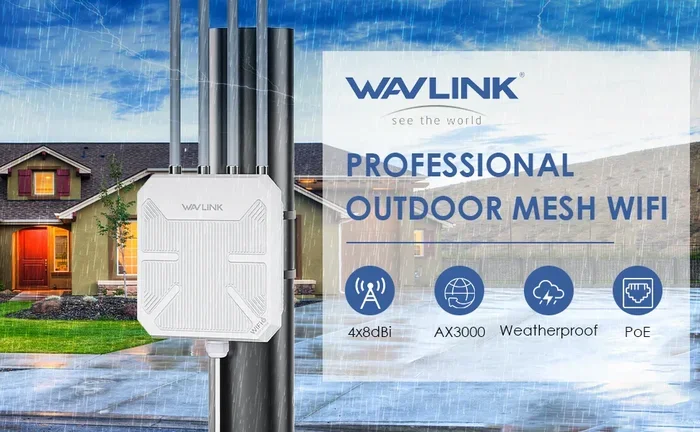
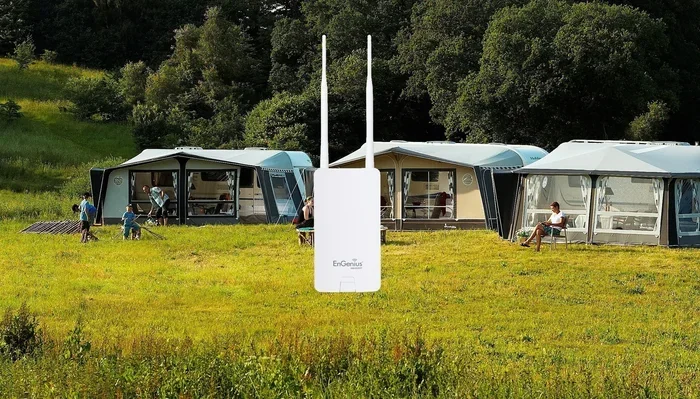
An outdoor wifi antenna is another term you will encounter. These are designed to withstand weather conditions and provide strong signal pickup from long distances. For campers who frequently visit the same campground, investing in a quality outdoor wifi antenna can be a game changer.
A long range wifi antenna is specifically designed to pick up signals from far away. These are ideal for campgrounds where the wifi source is located far from your site. However, they need to be aimed correctly to work effectively. A directional antenna paired with a long range wifi antenna can turn a weak, unusable signal into a solid connection.
Do Wi-Fi Boosters Work in Campgrounds: Real-World Performance
What Affects Booster Performance
Several factors determine how well a wifi signal booster will work at a specific campground. The distance from the router is the biggest factor. If the campground router is 300 feet away and there are several trees in between, even a powerful booster may struggle.
The campground’s internet infrastructure matters too. Some campgrounds use old routers with outdated technology. Others have a solid setup but simply have too many users connected at once. A booster cannot fix a slow or overloaded network. It can only make the existing signal stronger at your location.
Weather and terrain also play a role. Rain, heavy tree cover, and hills can all weaken wifi signals. A portable wifi booster can help overcome some of these obstacles, but it cannot eliminate them completely. Campground internet speed is often limited by the provider, not by your equipment. A booster makes the most of what is available.
When a Booster Helps and When It Does Not
A wifi booster for campgrounds works best when the campground has a usable signal that is just too weak at your site. If you can sometimes connect to the wifi but the signal drops frequently, a booster will likely help a lot.
However, if there is no signal at all at your campsite, a booster cannot create one from nothing. In that case, you may need to look at alternative solutions like a cell signal booster or a mobile hotspot that uses cellular data instead of campground wifi.
Understanding this distinction is crucial. A wireless booster amplifies existing signals. It does not generate new ones. So before you buy a booster, check if you can detect the campground wifi at all from your site. If the signal is there but weak, a booster will help. If there is no signal, you need a different solution entirely.
Best Wi-Fi Boosters for Campground Camping
Top Picks for RV Campers
When choosing a wifi booster for camping, you want something that is portable, powerful, and easy to set up. Here are some of the best options for RV wifi booster users:
- Alfa AWUS036ACH: This is a popular wifi adapter with a high-gain antenna. It works well for boosting weak campground wifi signals and is compatible with most laptops and tablets.
- Winegard ConnecT 2.0: Designed specifically for RV use, this device combines a wifi booster with a built-in antenna. It is one of the top choices for serious RV campers looking for reliable campground connectivity.
- Bearifi BearExtender: A compact portable wifi booster that is easy to carry and set up. It works well for smaller rigs and tent camping where space is limited.
- TP-Link RE315: A reliable wifi range extender that offers good range and easy setup. It is a solid choice for campers who want a simple plug-and-play solution.
Budget-Friendly Options
You do not have to spend a fortune to get better campground internet. Some affordable options still deliver solid results:
- TP-Link TL-WA801ND: This budget wireless booster is a reliable choice for basic campground connectivity. It may not have the range of premium models but works well for moderate distances.
- Netgear EX6120: A compact wifi range extender that is easy to use and provides decent signal improvement for most campground setups.
- Alfa AWUS036ACH: At an affordable price point, this wifi adapter offers excellent value for campers who want a simple wireless signal repeater without spending too much.
Common Mistakes When Using Wi-Fi Boosters at Campgrounds
Setup Errors That Kill Performance
One of the biggest mistakes campers make is placing the booster in the wrong spot. If you put it behind a metal RV wall or deep inside your rig, it cannot pick up the original signal effectively. The booster needs to be placed where it can clearly see the campground router.
Another common error is not updating the booster’s firmware. Like any tech device, wifi boosters receive software updates that improve performance and fix bugs. Always check for updates before your trip. A simple firmware update can sometimes double your campground wifi speed.
Many campers also forget to change the default settings. Most boosters come with factory settings that are not optimized for campground use. Taking a few minutes to adjust the channel, bandwidth, and antenna settings can make a significant difference in your campground connectivity.
Expecting Too Much From Your Booster
A wifi signal booster is not a magic wand. It cannot turn a terrible signal into a perfect one. If the campground’s internet is inherently slow because too many people are using it, no booster will fix that problem.
It is also important to understand that a booster will not increase your data speed beyond what the campground provides. It makes the existing signal stronger and more stable, but it does not create more bandwidth. Managing these expectations will help you get the most out of your wifi booster for campgrounds.
Another mistake is buying the wrong type of booster for your needs. A small portable booster may not be powerful enough for a large RV park. And a heavy-duty directional antenna may be overkill for a tent campsite nearby the wifi source. Match your booster to your specific situation for the best results.
Expert Tips for Getting the Best Campground Wi-Fi
Quick Tips for Better Signal
Here are some practical tips that can help you get the best results from your campground wifi booster:
- Elevate your antenna: Place your booster or antenna as high as possible. On an RV roof or a tall pole works great. The higher the antenna, the better it can reach the campground router.
- Face the antenna toward the router: If you know where the campground wifi source is, aim your directional antenna directly at it for the strongest signal.
- Use a mesh network camping setup: For larger rigs or groups, consider combining a booster with a mesh system to spread the signal throughout your campsite.
- Limit connected devices: The more devices connected to the booster, the more the bandwidth gets shared. Disconnect devices you are not actively using to improve campground internet speed.
- Try a cell signal booster as a backup: When campground wifi just is not working, a cell signal booster paired with a mobile hotspot can save your trip. Cellular data coverage is often available even when wifi is not.
- Keep your devices updated: Make sure your phone, tablet, or laptop has the latest software updates. Older devices may not connect well to newer wifi standards.
When to Consider a Mobile Hotspot Instead
Sometimes the best solution is not a booster at all. If the campground wifi is simply too poor, a mobile hotspot using cellular data can be a game changer. Many carriers now offer unlimited data plans that work well for streaming, video calls, and browsing while camping.
A cell signal booster can improve your hotspot performance by strengthening the cellular signal your phone or hotspot device receives. This combination often delivers faster and more reliable internet than struggling with weak campground wifi. For campers in areas with good cell coverage, a mobile hotspot with a cell signal booster is often the better investment.
Campground connectivity does not have to be a source of frustration. With the right approach and the right tools, you can stay connected while enjoying the great outdoors. Whether you choose a wifi signal booster, a portable wifi booster, or a mobile hotspot, the key is to plan ahead and test your setup before you really need it.
Final Thoughts on Do Wi-Fi Boosters Work in Campgrounds
So, do wifi boosters work in campgrounds? Yes, they absolutely can. A good wifi signal booster transforms a frustrating camping trip into one where you can stay connected without pulling your hair out. The key is choosing the right type of booster, placing it correctly, and having realistic expectations about what it can do.
Campground wifi will never be as fast as home internet, and that is okay. But with the right wifi range extender, portable wifi booster, or long range wifi antenna, you can get a reliable connection for checking weather, sharing photos, streaming music, or even handling light work tasks.
Remember that every campground is different. What works at one site may not work the same way at another. Experiment with placement, try different settings, and do not be afraid to combine tools like a cell signal booster with your wifi setup. The goal is to enjoy your time in nature while staying connected when you need to.
Investing in a quality wifi booster for campgrounds is one of the best decisions you can make as a camper. Whether you are a full-time RVer or a weekend tent camper, better campground connectivity means better trips. So yes, do wifi boosters work in campgrounds and now you know exactly how to make them work for you.
Frequently Asked Questions
Can a Wi-Fi Booster Improve Slow Campground Internet?
A wifi signal booster can improve slow campground internet by strengthening the existing signal. However, it cannot increase the speed beyond what the campground’s provider offers. If the campground’s internet is slow because too many users are connected, a booster will not fix that. But if the signal is weak at your site, a booster can make a noticeable difference in speed and stability.
Do I Need a Special Booster for RV Camping?
While you do not need a special booster, RV-specific models like the Winegard ConnecT 2.0 are designed to handle the unique challenges of life on the road. These boosters are built to withstand vibration, weather, and the need for portable setups. A standard wifi range extender can work too, but RV-specific models often come with better antennas and more durable construction.
Will a Wi-Fi Booster Work if There Is No Signal at My Campsite?
No, a wifi signal booster cannot create a signal where none exists. It amplifies existing signals, so if there is no detectable wifi at your campsite, a booster will not help. In that case, consider a cell signal booster or a mobile hotspot that uses cellular data. These alternatives can provide internet even when campground wifi is completely unavailable.
How Far Can a Wi-Fi Booster Reach in a Campground?
The range depends on the booster model and the environment. Most wifi boosters for campgrounds can extend your effective range by 100 to 500 feet. A long range wifi antenna or directional antenna can push that further. However, obstacles like trees, hills, and buildings will reduce the effective range. Placement and positioning are critical for maximizing distance.
Can I Use a Wi-Fi Booster with a Tablet or Phone?
Yes, most wifi boosters work with any device that connects to wifi, including tablets, phones, and laptops. Some models work best with computers, while others are designed for mobile devices. A portable wifi booster is especially convenient for phone and tablet users. Just make sure the booster is compatible with your device’s wifi standards for the best performance.
Is a Cell Signal Booster Better Than a Wi-Fi Booster for Camping?
It depends on your situation. If the campground has a usable but weak wifi signal, a wifi signal booster is the better choice. If there is no wifi at all or the wifi is unusable, a cell signal booster paired with a mobile hotspot is often the better solution. Many campers use both for maximum campground connectivity. The best option depends on the coverage available at your favorite camping spots.