Difference Between Cellular IP and Mobile IP Explained
The difference between Cellular IP and Mobile IP lies in how they manage IP address changes during network transitions. Cellular IP focuses on keeping your connection alive within cellular networks, while Mobile IP works across any internet network to maintain your session. Understanding both protocols helps you build better wireless systems and troubleshoot connectivity issues with confidence.
If you have ever wondered why your phone stays connected to the internet even when you move from one cell tower to another, you have already benefited from protocols like Cellular IP and Mobile IP. These two technologies power the way our devices stay online while we are on the go. But they are not the same thing, and understanding the difference between Cellular IP and Mobile IP can change how you think about wireless networking.
In this guide, we will break down everything you need to know. We will cover what each protocol does, how they work behind the scenes, and when to use one over the other. By the end, you will have a clear picture of IP mobility and why it matters in today’s connected world.
Key Takeaways
- Cellular IP is designed specifically for cellular network environments and handles handoffs between cell towers.
- Mobile IP is a broader protocol that allows devices to roam across different networks while keeping the same IP address.
- Both protocols use tunneling to forward packets, but they apply this technique in different ways.
- Cellular handover in Cellular IP is faster and more optimized for wireless base stations.
- Mobile IP relies on a home agent and care-of address to track mobile nodes anywhere on the internet.
- Choosing the right protocol depends on your network architecture, device type, and mobility needs.
- Seamless connectivity is the ultimate goal of both protocols, but they achieve it through different mechanisms.
📑 Table of Contents
What Is Cellular IP?
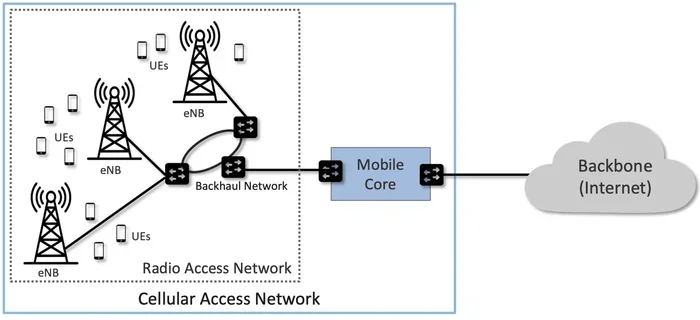
Cellular IP is a networking approach built specifically for cellular networks. It ensures that your device keeps its data connection active as you move between different cell towers. Think of it as the invisible system that keeps your video call from dropping when you walk down the street.
This protocol works hand in hand with the cellular network infrastructure. When your phone connects to a new tower, Cellular IP helps reroute your data packets smoothly. The process is called cellular handover, and it happens so fast that you rarely notice it.
How Cellular IP Handles Handoffs
When you move from one cell to another, your device needs a new IP address assignment from the serving base station. Cellular IP manages this transition by updating routing tables at the network edge. Here is how it typically works:
- Your device detects a stronger signal from a neighboring cell tower.
- The current tower and the new tower communicate with each other.
- Your data session is transferred to the new tower without dropping.
- A new IP address may be assigned, or the existing one is preserved depending on the network setup.
This whole process takes milliseconds. The key advantage of Cellular IP is that it is deeply integrated with the cellular infrastructure. It knows the layout of towers, signal strengths, and network load. This makes it highly efficient for wireless network environments where devices are constantly moving.
Where Cellular IP Is Used
You will find Cellular IP in nearly every modern mobile network. From 4G LTE to 5G networks, this protocol keeps billions of devices connected daily. It is also used in IoT devices like smart meters and connected vehicles that rely on cellular connectivity for packet delivery.
One important thing to note is that Cellular IP is not a standalone protocol. It works within the broader framework of cellular standards like GSM, UMTS, and LTE. It relies on the network operator’s infrastructure to manage session continuity as you move around.
What Is Mobile IP?
Mobile IP is a more general protocol designed to maintain network connectivity regardless of where you are. Unlike Cellular IP, which is tied to cellular networks, Mobile IP works across any type of internet network. Whether you are on Wi-Fi, Ethernet, or a cellular network, Mobile IP keeps your connection alive.
The core idea behind Mobile IP is simple yet powerful. Your device gets a permanent home address that never changes, even when you move to a different network. When you connect to a new network, you get a temporary care-of address, and Mobile IP makes sure all your data still reaches you.
Key Components of Mobile IP
To understand how Mobile IP works, you need to know its main components:
- Mobile Node: The device that is moving between networks, like your smartphone or laptop.
- Home Agent: A router on your home network that tracks your current location and forwards packets to you.
- Foreign Agent: A router on the visited network that accepts packets for your mobile node.
- Care-of Address: A temporary address assigned by the visited network to receive your data.
When your mobile node moves to a new network, it registers with the foreign agent. The foreign agent then tells the home agent about your new location. From that point on, any data sent to your home address gets tunneled to your current location. This is called tunneling protocol, and it is the backbone of Mobile IP.
How Mobile IP Ensures Seamless Connectivity
The beauty of Mobile IP is that it does not care what type of network you are on. You could be switching from a coffee shop Wi-Fi to a cellular network, and Mobile IP handles the transition. Your applications do not need to know you changed networks. Your network layer mobility stays intact.
This makes Mobile IP ideal for scenarios where devices move across different network types. For example, a delivery truck with a satellite link and a cellular modem can stay connected using Mobile IP regardless of the underlying network technology.
How Each Protocol Handles IP Mobility
Both Cellular IP and Mobile IP solve the same fundamental problem: keeping your data connection alive while you move. But they go about it in very different ways. Let us look at how each one handles IP mobility in practice.
Cellular IP: Network-Aware Mobility
Cellular IP takes a network-centric approach. The cellular network knows exactly where your device is because it manages the cell towers. When you move, the network performs a cellular handover at the base station level. This is fast and efficient because the network has full visibility into your location.
The downside is that Cellular IP is tightly coupled to the cellular infrastructure. It does not work well when you move between different types of networks. If you switch from cellular to Wi-Fi, Cellular IP alone cannot maintain your session seamlessly.
Mobile IP: Device-Centric Mobility
Mobile IP takes a device-centric approach. The mobile node itself manages its location and registration. It does not depend on the underlying network to track its position. This gives Mobile IP much more flexibility across different network types.
However, this flexibility comes with a trade-off. Mobile IP tunneling adds extra overhead to every packet. Each packet gets wrapped in a new header and sent through the home agent before reaching the mobile node. This can introduce latency and reduce throughput compared to Cellular IP handoffs.
A Quick Comparison
Here is a side-by-side look at how the two protocols compare when it comes to handling IP mobility:
| Feature | Cellular IP | Mobile IP |
|---|---|---|
| Network Scope | Cellular networks only | Any IP network |
| Handoff Speed | Very fast (milliseconds) | Slower (seconds) |
| Tunneling Overhead | Minimal | Higher due to home agent |
| IP Address Changes | May change per cell | Home address stays the same |
| Cross-Network Roaming | Not supported natively | Fully supported |
| Infrastructure Dependency | High (needs cellular towers) | Low (works on any IP network) |
| Best Use Case | Mobile phones on cellular networks | Devices moving across mixed networks |
Key Differences Between Cellular IP and Mobile IP
Now that we have covered the basics, let us dive deeper into the difference between Cellular IP and Mobile IP. These differences matter whether you are a network engineer, a student, or simply someone who wants to understand how your devices stay connected.
1. Scope and Applicability
The most obvious difference is the scope. Cellular IP is purpose-built for cellular networks. It leverages the architecture of base stations, cell towers, and radio access networks. Mobile IP, on the other hand, is a protocol-agnostic solution that works on any network running the internet protocol suite.
This means Mobile IP is more versatile. You can use it on Wi-Fi, Ethernet, satellite, or any other IP-based network. Cellular IP is limited to the cellular domain, but within that domain, it is highly optimized.
2. Handoff Mechanism
Cellular IP uses a fast handoff mechanism that is tightly integrated with the cellular network’s radio resource management. The base stations coordinate with each other to transfer your connection before you even notice you have moved. This is critical for real-time applications like voice calls and video streaming.
Mobile IP relies on a slower registration process. When you move to a new network, your mobile node must discover a care-of address, register with the home agent, and then start receiving tunneled packets. This process takes longer and can cause brief interruptions.
3. Address Management
With Cellular IP, your IP address may change every time you move to a new cell. The network assigns a new address from the pool of the serving base station. This can disrupt long-running connections unless upper-layer protocols handle the change.
Mobile IP solves this problem by keeping your home address constant. No matter where you roam, your applications see the same IP address. The home agent handles the behind-the-scenes forwarding. This provides better session continuity for applications that are sensitive to IP changes.
4. Tunneling and Overhead
Mobile IP uses IP-in-IP tunneling to forward packets to your current location. Every packet that arrives at your home address gets encapsulated and sent to the care-of address. This adds overhead to every packet and can reduce network efficiency.
Cellular IP does not rely on the same kind of tunneling. The cellular network handles routing directly at the infrastructure level. This makes Cellular IP more efficient for high-speed data transfers within cellular networks.
5. Protocol Standards
Mobile IP is defined by the Internet Engineering Task Force (IETF) in RFC 3344 for IPv4 and RFC 6275 for IPv6. It is a standardized protocol that works across vendors and platforms. Cellular IP is not a single standardized protocol. Instead, it refers to the IP mobility mechanisms built into 3GPP standards for cellular networks.
This distinction matters because Mobile IP has broader vendor support and interoperability. Cellular IP mechanisms vary between network operators and equipment vendors.
Which Protocol Should You Choose?
Choosing between Cellular IP and Mobile IP depends on your specific use case. Let us look at some practical scenarios to help you decide.
Choose Cellular IP When…
- You are building or managing a cellular network infrastructure.
- Your users are primarily on mobile phones and move within a single carrier’s network.
- You need ultra-fast handoffs for real-time applications like voice and video.
- You want minimal tunneling overhead for better throughput.
Choose Mobile IP When…
- Your devices move across multiple network types, such as Wi-Fi and cellular.
- You need consistent IP addresses for applications that are sensitive to address changes.
- You are building a roaming protocol for enterprise or government networks.
- You want a vendor-neutral, standards-based solution for network layer mobility.
Using Both Together
In many modern networks, Cellular IP and Mobile IP work together. A smartphone might use Cellular IP for fast handoffs between cell towers while it is on the cellular network. When it switches to Wi-Fi, Mobile IP takes over to maintain the data session. This combination provides the best of both worlds: speed and flexibility.
This dual-protocol approach is becoming more common as devices increasingly move between cellular and Wi-Fi networks throughout the day. It ensures seamless connectivity regardless of the underlying network technology.
Common Mistakes to Avoid
Even experienced network professionals sometimes make mistakes when working with Cellular IP and Mobile IP. Here are some pitfalls to watch out for:
- Confusing the two protocols: Remember that Cellular IP is cellular-specific, while Mobile IP is network-agnostic. Treating them as interchangeable will lead to design flaws.
- Ignoring tunneling overhead: Mobile IP tunneling adds latency. If you are building a low-latency application, account for this overhead in your design.
- Neglecting care-of address management: In Mobile IP, failing to properly manage care-of addresses can lead to lost packets and dropped connections.
- Overlooking cellular handover timing: Cellular IP handoffs must be carefully timed. Too early or too late, and you will experience dropped calls or data loss.
- Assuming Mobile IP works without a home agent: The home agent is essential to Mobile IP. Without it, your mobile node cannot receive tunneled packets.
Expert Insights and Final Thoughts
IP mobility is one of the most important aspects of modern networking. As more devices become mobile and more applications demand constant connectivity, understanding protocols like Cellular IP and Mobile IP becomes essential.
The difference between Cellular IP and Mobile IP comes down to scope and design philosophy. Cellular IP is optimized for speed and efficiency within cellular networks. It leverages the infrastructure of base stations and radio networks to deliver fast, seamless handoffs. Mobile IP is designed for flexibility and universality. It works across any IP network and keeps your home address constant no matter where you roam.
Both protocols share the same goal: keeping you connected. They just take different paths to get there. As a network professional, knowing when to use each one, or how to combine them, gives you a powerful toolkit for building robust wireless systems.
The future of IP mobility looks bright. With 5G networks expanding and IoT devices proliferating, the demand for seamless connectivity will only grow. Protocols like Cellular IP and Mobile IP will continue to evolve to meet these challenges. Staying informed about how they work and how they differ will keep you ahead in the ever-changing world of networking.
So the next time your phone stays connected while you walk from one building to another, you will know exactly what is happening behind the scenes. It is the difference between Cellular IP and Mobile IP at work, making your digital life smoother every single day.
Frequently Asked Questions
Is Cellular IP the same as Mobile IP?
No, they are not the same. Cellular IP is designed specifically for cellular networks and handles handoffs between cell towers. Mobile IP is a broader protocol that works across any IP network to maintain your connection while you roam.
Can Mobile IP work on cellular networks?
Yes, Mobile IP can work on cellular networks. It is network-agnostic and can operate on any IP-based network, including cellular, Wi-Fi, and Ethernet. However, Cellular IP is usually more efficient for pure cellular environments.
What is a care-of address in Mobile IP?
A care-of address is a temporary IP address assigned to your mobile node when you connect to a foreign network. It tells the home agent where to forward your packets so you can receive them at your current location.
Why is Cellular IP handoff faster than Mobile IP roaming?
Cellular IP handoffs are faster because they are managed at the base station level with full network visibility. Mobile IP roaming requires a registration process and packet tunneling through the home agent, which adds latency.
Do I need both Cellular IP and Mobile IP?
It depends on your use case. If your devices stay on a single cellular network, Cellular IP alone is sufficient. If your devices move across different network types, using both protocols together provides the best seamless connectivity.
Is Mobile IP still relevant with modern 5G networks?
Yes, Mobile IP remains relevant because 5G networks still use IP-based architecture. While 5G has its own mobility mechanisms, Mobile IP is useful for cross-network roaming and maintaining consistent home addresses across different network technologies.
=== CONCLUSION ===
The difference between Cellular IP and Mobile IP is clearer now. Cellular IP excels at fast, network-aware handoffs within cellular environments. Mobile IP shines at maintaining consistent connections across any IP network, no matter how diverse. Both protocols play a vital role in keeping our devices connected in a mobile-first world.
By understanding how each protocol works and when to apply it, you can design better networks and troubleshoot connectivity issues with confidence. Whether you are managing a cellular infrastructure or building a mobile-ready application, knowing the difference between Cellular IP and Mobile IP gives you the knowledge to make the right architectural decisions. Keep exploring, keep learning, and stay connected.