Can You Listen To Music On A Cassette Tape And Still Love It
Yes, you can listen to music on a cassette tape, and the experience is unlike anything digital offers. Cassette tapes deliver warm, analog sound that music lovers still crave today. Whether you own a vintage cassette player or use a modern adapter, playing music on tape is simple and rewarding. This guide covers everything from how cassette tapes work to why the cassette revival is still going strong.
Key Takeaways
- Cassette tapes still work: You can play music on them with the right equipment and a little care.
- Analog sound is unique: The warm, textured audio of magnetic tape offers something digital cannot replicate.
- The cassette revival is real: New tapes are still being manufactured, and collectors are growing every year.
- Mixtapes are a timeless art: Creating a personal mixtape remains one of the most thoughtful gifts you can give.
- Digitizing is easy: You can convert your cassette collection to digital files using simple tools and your phone.
- Maintenance matters: Proper storage and cleaning keep your tapes sounding great for decades.
📑 Table of Contents
- Can You Listen To Music On A Cassette Tape?
- How Cassette Tapes Work
- Why People Still Love Cassette Music
- How To Listen To Music On A Cassette Tape
- The Art Of The Mixtape
- Pros And Cons Of Listening To Cassette Music
- The Cassette Revival: A Growing Trend
- Tips For Caring For Your Cassette Collection
- Common Mistakes To Avoid
- Final Thoughts: Why Cassette Music Still Matters
Can You Listen To Music On A Cassette Tape?
The short answer is yes. You can absolutely listen to music on a cassette tape. But the real question is why people still choose to do so in a world full of streaming services and digital playlists.
Cassette tapes have been around since the 1960s. They became a household staple in the 1970s and 1980s. Millions of people grew up recording their favorite songs onto magnetic tape and sharing them with friends. That personal touch made cassette culture something special. Even today, the crackle before a song starts and the gentle hiss between tracks feel like music in its purest form.
If you have never tried listening to music on tape, you are missing out on a rich sensory experience. The warmth of analog audio wraps around you in a way that MP3 files and streaming simply cannot match. This guide will walk you through everything you need to know about playing music on a cassette tape.
How Cassette Tapes Work
Understanding how a cassette tape works makes the experience more enjoyable. At its core, a cassette is a small plastic shell containing two spools of magnetic tape. This tape is coated with a thin layer of magnetic material that stores audio signals.
The Anatomy Of A Cassette Tape
A cassette tape has several key parts:
- The shell: A rigid plastic case that protects the tape inside.
- The spools: Two reels that hold the tape and allow it to move across the playback head.
- The magnetic tape: The thin ribbon coated with iron oxide that carries the audio.
- The write-protect tab: A small plastic piece that prevents accidental recording.
When you press play on a cassette player, a small motor spins the spools. The tape moves across a playback head, which reads the magnetic patterns and converts them into sound. This process is beautifully simple compared to digital audio, and that simplicity is part of its charm.
Why People Still Love Cassette Music
The cassette revival is not just a trend. It is a movement driven by people who value authenticity and nostalgia. Here is why cassette music continues to thrive.
The Nostalgic Factor
For many people, cassette tapes are tied to powerful memories. The sound of a portable cassette player walking to school, the ritual of recording songs from the radio, or the excitement of receiving a hand-made mixtape. These experiences create deep emotional connections that digital music simply cannot replicate.
There is something magical about holding a physical object that contains music. You cannot skip tracks with a remote. You cannot shuffle a playlist. You listen to the entire side, and that forces you to engage with music differently. This slower, more intentional approach to listening is part of what makes cassette music so special.
The Analog Sound Quality
Audiophiles often praise the analog sound of cassette tapes. The audio has a warmth and character that digital formats lack. There is a natural compression and slight distortion that many listeners find pleasing. It is not perfect, but it is honest.
Some people describe the sound of a well-preserved tape as “alive.” The subtle imperfections add texture and depth. This is why many musicians still release music on cassette today. The format gives their work a unique personality.
How To Listen To Music On A Cassette Tape
Playing music from a cassette tape is straightforward, but it does require the right equipment. Here is everything you need to get started.
Option 1: Use A Vintage Cassette Player
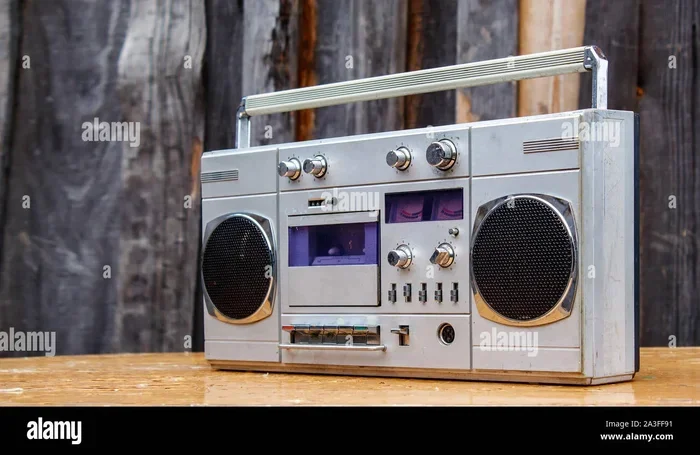
The most authentic way to listen to cassette music is with a vintage cassette deck or portable player. You can find these at thrift stores, garage sales, or online marketplaces. Look for brands like Sony, Panasonic, or Philips for reliable performance.
Before you play a tape, inspect it first. Check for any mold or warping. If a tape has been stored in a damp environment, it may need cleaning. A gentle wipe with a soft cloth can work wonders. And if the tape is stuck, never force it. Instead, carefully open the shell and realign the tape.
Option 2: Use A Bluetooth Cassette Adapter
If you want a modern twist on the classic format, a Bluetooth cassette adapter is a great choice. This small device plugs into a cassette player and transmits audio wirelessly to your headphones or speaker. You can even pair it with your phone to play digital music through the cassette deck.
Many people wonder if they are on the right setup when using these adapters. The good news is that most modern adapters work with any standard cassette player. They are affordable and easy to use, making them a perfect bridge between old and new technology.
Option 3: Digitize Your Tapes
One of the best ways to preserve your cassette collection is to digitize it. You can connect a cassette deck to your computer using a simple cable and record the audio as a digital file. This lets you enjoy your music on any device.
When organizing your digital files, you might want to rename them for easy identification. If you are using an iPhone to manage your converted files, you can add prefixes to numbers on your file names to keep everything sorted. This small trick makes a big difference when you have dozens of digitized tapes.
The Art Of The Mixtape
No conversation about cassette music is complete without mentioning the mixtape. A mixtape is more than just a collection of songs. It is a personal statement, a gift, and an art form all in one.
Creating a mixtape requires thought and care. You choose each song, arrange them in a specific order, and record them onto a blank tape. The result is a one-of-a-kind gift that shows how much you care. Many people still cherish mixtapes they received decades ago.
If you want to start making mixtapes, here are a few tips:
- Plan your tracklist first: Write down the songs you want to include and their order.
- Leave gaps between songs: A two-second pause between tracks gives the tape a natural flow.
- Include personal notes: Write the tracklist on the tape label with a permanent marker.
- Keep it under 45 minutes: This fills one side of a standard C60 cassette.
The mixtape culture is making a comeback. Young people are discovering the joy of creating physical music collections for the first time. It is a beautiful blend of old and new.
Pros And Cons Of Listening To Cassette Music
Like any format, cassette tapes have their strengths and weaknesses. Here is a balanced look at what you can expect.
| Pros | Cons |
|---|---|
| Warm, analog sound quality | Tapes can degrade over time |
| Tangible, collectible format | Limited storage capacity per tape |
| No subscriptions or internet needed | Players can be hard to find |
| Personal and nostalgic experience | Tapes are sensitive to heat and moisture |
| Supports independent artists directly | Sound quality varies by tape condition |
The advantages of cassette music far outweigh the drawbacks for most listeners. The experience of holding a physical tape, reading the tracklist, and pressing play is deeply satisfying. It turns listening into an event rather than a background activity.
However, you should be aware of the limitations. Tapes do wear out over time. The magnetic coating can degrade, leading to muffled sound or dropouts. Proper storage is essential. Keep your tapes in a cool, dry place away from direct sunlight. This simple step can extend their lifespan by decades.
The Cassette Revival: A Growing Trend
The cassette revival is not just a niche hobby anymore. Major artists are releasing new music on cassette. Independent labels are pressing limited runs. And online communities of tape enthusiasts are growing rapidly.
According to industry reports, cassette sales have been steadily increasing over the past several years. While they still represent a small fraction of total music sales, the growth rate is impressive. People are hungry for physical music formats that feel personal and intentional.
One reason for this trend is the desire for a slower, more mindful relationship with music. In an age of infinite scrolling and algorithm-driven playlists, cassette tapes offer something refreshingly different. You commit to an album from start to finish. You engage with it fully. And you walk away with a physical artifact that you can hold, display, and share.
Collecting cassettes also connects you to a broader community. Tape swap events, online forums, and social media groups bring together people who share a love for this format. It is a welcoming and creative space where everyone is encouraged to participate.
Tips For Caring For Your Cassette Collection
If you are serious about cassette music, proper care is essential. Here are some expert tips to keep your tapes in top condition.
Storage Best Practices
- Store tapes vertically, like books, to prevent warping.
- Keep them away from magnetic fields, speakers, and electronics.
- Avoid extreme temperatures and humidity.
- Use protective cases for rare or valuable tapes.
Cleaning And Maintenance
- Clean playback heads regularly with isopropyl alcohol.
- Use a head cleaning cassette every few months.
- If a tape sticks, let it rest before attempting to play it again.
- Never expose tapes to direct sunlight or heat sources.
Taking care of your collection ensures that your music sounds great for years to come. A well-maintained tape can last for decades without any noticeable quality loss.
Common Mistakes To Avoid
Even experienced cassette enthusiasts make mistakes. Here are a few to watch out for:
- Exposing tapes to heat: Leaving tapes in a hot car can warp them permanently. Always store tapes at room temperature.
- Using low-quality blank tapes: Cheap tapes often have poor sound quality and shed oxide onto your playback heads. Invest in reputable brands like Maxell or Scotch.
- Ignoring the pinch roller: The pinch roller in your cassette player wears out over time. Replace it regularly for the best sound.
- Overwinding tapes: If a tape gets stuck, do not force the rewind button. This can stretch or break the tape inside.
Avoiding these simple mistakes will save you time, money, and frustration. Your cassette collection deserves the best care you can give it.
Final Thoughts: Why Cassette Music Still Matters
Can you listen to music on a cassette tape? Absolutely. But the better question is why you would want to. The answer lies in the experience. Cassette music is more than just audio. It is a ritual, a connection, and a piece of art.
The cassette revival proves that people are hungry for music experiences that feel real and tangible. Whether you are a seasoned collector or a curious newcomer, there has never been a better time to explore the world of analog audio. Put on a tape, sit back, and let the music take you somewhere digital simply cannot reach.
Start your journey today. Pick up a cassette player, find some tapes, and discover the joy of music on tape. You might just fall in love with it all over again.
Frequently Asked Questions
Is it still possible to buy new cassette tapes?
Yes, you can still buy new cassette tapes. Many independent labels and artists release music on cassette format today. Online stores and record shops carry a wide selection of new and vintage tapes. The cassette revival has made it easier than ever to find fresh releases.
How long does a cassette tape last?
A well-cared-for cassette tape can last 30 years or more. The magnetic coating may degrade over time, especially if exposed to heat or moisture. Proper storage in a cool, dry place significantly extends the lifespan of your tapes.
Can I record my own music onto a cassette tape?
Absolutely. You can record your own music onto a cassette tape using a cassette recorder or a cassette deck with recording capabilities. Simply press record, play your music, and the tape captures the audio. It is a fun and creative way to make personalized music gifts.
Do I need special equipment to listen to cassette tapes?
You need a cassette player or deck to listen to cassette tapes. These can be vintage players found at thrift stores or new portable options available online. Some people also use Bluetooth cassette adapters to connect modern devices to a cassette deck for playback.
Why does cassette music sound different from digital music?
Cassette music sounds different because it uses analog magnetic tape to store audio. This process naturally introduces subtle warmth, compression, and texture that digital formats do not have. Many listeners find this analog character more pleasing and immersive than perfectly clean digital audio.
Are cassette tapes better than vinyl records?
Neither format is objectively better. Cassette tapes and vinyl records each offer a unique listening experience. Tapes are more portable and affordable, while vinyl generally offers higher fidelity. Your preference depends on what you value most in your music experience.
=== CONCLUSION ===
Listening to music on a cassette tape is a timeless experience that continues to captivate people around the world. The warm analog sound, the tactile ritual of pressing play, and the personal connection of a mixtape all make cassette music something truly special.
The cassette revival is proof that this format is not just surviving. It is thriving. New tapes are being pressed, new players are being manufactured, and new fans are discovering the joy of music on tape every day. Whether you are revisiting your old collection or starting fresh, there has never been a better time to embrace the world of cassette music.
So grab a tape, find a player, and press play. The music is waiting for you.