Can We Connect Wi Fi By Qr Code And Share Internet Instantly
Yes, you can connect Wi-Fi by QR code in seconds — no typing passwords needed. A Wi-Fi QR code lets you share your network credentials instantly with anyone nearby. This method works on Android, iPhone, and Windows devices, making it the easiest way to share internet access without hassle.
This is a comprehensive guide about Can We Connect Wi Fi By Qr Code.
Key Takeaways
- Instant Connection: Scanning a QR code connects you to WiFi in seconds — no manual password entry.
- Universal Compatibility: Works on most smartphones, tablets, and laptops with a camera or QR scanner.
- Easy to Create: You can generate a WiFi QR code using free online tools or built-in phone features.
- Secure Sharing: QR codes can be generated temporarily, reducing the risk of exposing your password long-term.
- Perfect for Businesses: Restaurants, offices, and guest areas benefit hugely from QR code WiFi access.
- No Extra Apps Needed: Most modern phones scan QR codes natively through their camera app.
- Time-Saving: Eliminates the frustration of typing long, complex WiFi passwords.
[FEATURED_IMAGE_PLACEHOLDER]
Can We Connect Wi-Fi By QR Code And Share Internet Instantly?
Have you ever been at a friend’s house, a café, or a hotel room, and the host rattled off a long WiFi password? You know the one — full of random letters, numbers, and capital letters. You try typing it in, and you get it wrong three times. It is frustrating. What if there was a simpler way?
Connecting to Wi-Fi by QR code solves that problem completely. Instead of typing a complicated password, you simply point your phone’s camera at a code, and boom — you are connected. It is fast, it is easy, and it works on almost every modern device. In this guide, we will walk you through everything you need to know about Wi-Fi QR code sharing, how it works, and how you can start using it today.
Whether you are a business owner wanting to offer guest WiFi or someone who just wants to share your home network with visitors, QR code WiFi technology makes the process seamless. Let us dive in.
What Is a Wi-Fi QR Code?
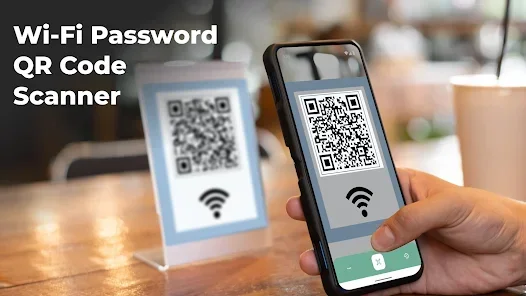
A Wi-Fi QR code is a special type of quick response code that contains your wireless network details. When someone scans it with their phone, the device automatically reads the network name (SSID) and password and connects without any manual input. Think of it as a shortcut to getting online.
The QR code stores encrypted data in a specific format. This format includes the network name, the security type (like WPA or WEP), and the password. When your phone’s QR code scanner reads this information, it triggers the wireless connection process behind the scenes.
Here is what a typical WiFi QR code contains:
- Network Name (SSID): The name of your wireless network
- Authentication Type: WPA, WPA2, WEP, or none
- Password: Your network key or passphrase
- Hidden Network Status: Whether the network is hidden or visible
The beauty of this system is that it removes the biggest pain point of WiFi sharing: typing long passwords accurately. You no longer have to worry about typos or case sensitivity. One scan and you are online.
How Does QR Code WiFi Technology Work?
The technology behind QR code WiFi sharing is straightforward. A QR code is essentially a two-dimensional barcode. It stores data in a grid of black and white squares. When a QR code scanner app or your phone’s camera reads this grid, it decodes the information stored inside.
For WiFi QR codes, the encoded data follows a specific standard format. This format tells the scanning device exactly what kind of network to connect to and what credentials to use. Your phone then automatically initiates the wireless network connection using those credentials.
Most modern smartphones can scan these codes without downloading any extra apps. Both Android and iPhone devices have built-in scanning capabilities. Windows laptops with cameras can also scan QR codes through the camera app or built-in tools. This makes instant WiFi access truly universal.
How to Connect Wi-Fi Using a QR Code
Connecting to WiFi through a QR code is incredibly simple. The process takes just a few seconds, and you do not need any technical skills. Here is how it works on different devices.
On Android Devices
Most Android phones running version 9 or later can scan WiFi QR codes natively. Here is what to do:
- Open your camera app
- Point the camera at the WiFi QR code
- Tap the notification that appears on screen
- Your phone will automatically connect to the network
If your phone does not have a built-in scanner, you can download a free QR code reader app from the Google Play Store. Popular options include Google Lens, QR & Barcode Scanner, and Kaspersky QR Scanner. These apps work just as well and often provide extra features.
On iPhone and iPad
Apple devices make WiFi QR code scanning very easy too:
- Open the Camera app
- Point it at the WiFi QR code
- A notification will pop up asking if you want to join the network
- Tap the notification to connect instantly
iPhones and iPads running iOS 11 or later support this feature natively. You do not need to install anything extra. The camera-based QR scanner handles everything automatically.
On Windows and Mac Computers
Desktop computers can also use WiFi QR codes, though the process is slightly different:
- Windows 10/11: Open the camera app, scan the code, and follow the on-screen prompt
- Mac: Use the built-in Preview app or a free QR scanner to read the code
- Chromebook: Use the camera app or a browser-based QR scanner
For laptops without cameras, you can type the decoded WiFi information manually after scanning the code with another device. This makes QR code WiFi sharing flexible across all platforms.
How to Create a Wi-Fi QR Code
Creating your own Wi-Fi QR code is just as easy as scanning one. You can do it in under a minute using free online tools or built-in features. Here is how.
Using Free Online Generators
Several websites let you create WiFi QR codes for free. Some popular options include:
- QRCode Monkey — allows custom colors and logos
- GoQR.me — simple and straightforward
- QR Code Generator PRO — offers advanced features
- BeQRious — clean interface and fast generation
To create your code, follow these steps:
- Visit one of the generator websites
- Select the “WiFi” option
- Enter your network name (SSID)
- Choose your security type (WPA2 is most common)
- Type in your WiFi password
- Click “Generate” and download the QR code image
That is it. You now have a shareable QR code that anyone can scan to connect to your network. You can print it, display it on a screen, or send it digitally.
Using Built-in Phone Features
Some smartphones can generate WiFi QR codes directly. On Samsung phones, you can share your WiFi by going to Settings > Connections > WiFi > Share. This creates a QR code automatically. On iPhones, you can use the Shortcuts app or third-party apps to generate WiFi QR codes.
Quick Tip: Always double-check your QR code before sharing it publicly. Make sure it contains the correct network name and password. A small typo will prevent people from connecting.
Creating a Temporary WiFi QR Code
For security-conscious users, creating a temporary QR code is a smart move. You can generate a code for a guest network with limited bandwidth or a time-limited password. This way, you share internet access without exposing your main network credentials permanently.
Many QR code generator tools allow you to create dynamic codes. These codes can be updated even after you print or share them. This gives you full control over who has access to your wireless network at any time.
Benefits of Using Wi-Fi QR Codes
QR code WiFi sharing offers numerous advantages for both personal and professional use. Let us explore why this method is gaining popularity so quickly.
1. Effortless Sharing
The biggest benefit of using a Wi-Fi QR code is how effortless it is. You do not have to remember the password, spell it out, or worry about the other person getting it wrong. One scan and the connection happens automatically. This is especially helpful when hosting guests or setting up multiple devices.
2. Time-Saving
Think about how long it takes to type a 16-character WiFi password on a phone screen. Now imagine doing that for five different guests. With a QR code, each person connects in under five seconds. This time-saving WiFi method adds up quickly, especially in busy environments like offices or events.
3. Reduced Password Exposure
When you share a WiFi password verbally or through text, it can end up being forwarded, screenshotted, or stored in multiple places. A QR code WiFi access method gives you more control. You can generate temporary codes, change your main password, and still provide guest access through the QR code.
4. Professional Appearance
For businesses, a printed WiFi QR code on a sign or table looks professional and organized. It shows that you care about user experience. Customers appreciate the convenience, and it creates a positive impression. Many cafés, hotels, and coworking spaces now use this method as standard practice.
5. Contactless Connection
In a post-pandemic world, contactless WiFi sharing has become increasingly important. QR codes eliminate the need to hand over your password in person or type it into a shared device. This makes the connection process hygienic and safe for everyone involved.
Common Uses for WiFi QR Codes
Wi-Fi QR codes have become essential in many settings. Let us look at where they are most commonly used and why they work so well in each scenario.
In Homes and Apartments
Homeowners use WiFi QR codes to share their network with guests. Instead of standing at the router trying to explain the password, you can simply point to a printed QR code on the wall or refrigerator. Visitors scan it and connect within seconds. This works great for dinner parties, family gatherings, and Airbnb guests.
In Restaurants and Cafés
Many restaurants now display WiFi QR codes on tables or near the entrance. Customers love the convenience of scanning and connecting without asking staff for the password. It improves the dining experience and reduces the workload on employees. Some establishments also use QR codes for digital menus, combining multiple functions in one code.
In Offices and Coworking Spaces
Office environments benefit greatly from QR code WiFi sharing. Visitors, new employees, and contractors can get online quickly without waiting for IT support. Some companies use different QR codes for the guest network and the employee network, keeping their secure WiFi separate and protected.
At Events and Conferences
Large events often have thousands of attendees trying to connect to WiFi simultaneously. Distributing a WiFi QR code on screens, printed programs, or event apps makes this process manageable. Attendees can connect from their seats without crowding the registration desk.
In Hotels and Vacation Rentals
Hotels and Airbnb hosts print WiFi QR codes and place them in rooms or lobbies. Guests appreciate the instant access, and hosts avoid the hassle of resetting passwords for every new check-in. It is a simple upgrade that significantly improves the guest experience.
Security Considerations for WiFi QR Codes
While QR code WiFi sharing is incredibly convenient, it is important to consider security. Here are some best practices to keep your wireless network safe while still enjoying the benefits.
Use a Guest Network
Never share your main WiFi password through a QR code if you can avoid it. Instead, set up a guest network on your router. This gives visitors internet access while keeping your personal devices and files secure. Most modern routers support guest networking, and setting one up takes just a few minutes.
Rotate Your QR Codes Regularly
If you share a permanent WiFi QR code, anyone who has seen or saved it can access your network indefinitely. To stay safe, regenerate your QR codes periodically. Change your guest password every few weeks and update the QR code accordingly.
Be Careful with Public QR Codes
Only scan WiFi QR codes from trusted sources. Malicious QR codes can redirect you to fake login pages or trick your device into connecting to a compromised network. If you are in a public place, verify the QR code with staff before scanning it.
Use Encrypted QR Codes When Possible
Some advanced QR code generator tools offer encryption features. These add an extra layer of protection to the data stored in the QR code. While this is not strictly necessary for home use, it is a good practice for business environments where network security is a top priority.
Comparison: Traditional WiFi Sharing vs. QR Code Sharing
To understand why QR code WiFi sharing is so effective, let us compare it with the traditional method of sharing passwords.
| Feature | Traditional Password Sharing | QR Code WiFi Sharing |
|---|---|---|
| Speed of Connection | Slow — requires typing | Fast — one scan |
| Password Accuracy | Prone to typos | Perfect every time |
| Multiple Devices | Tedious for each device | Quick for unlimited devices |
| Security Control | Hard to revoke | Easy to regenerate |
| Professional Look | Casual and informal | Clean and organized |
| Guest Experience | Frustrating | Seamless |
| Setup Time | None | 1-2 minutes |
As you can see, QR code WiFi sharing wins in almost every category. The only minor drawback is the initial setup time, which is negligible compared to the daily convenience it provides.
Quick Tips for the Best WiFi QR Code Experience
Here are some practical tips to get the most out of Wi-Fi QR code sharing:
- Print your QR code on laminated cards so they last longer and look professional
- Test your QR code with multiple devices before sharing it publicly
- Use a high-contrast design — black code on white background works best
- Keep the QR code large enough to scan easily from a reasonable distance
- Include the network name below the code in case someone needs to manually connect
- Update your QR code whenever you change your WiFi password
- Use dynamic QR codes for businesses so you can update the content without reprinting
Common Mistakes to Avoid
Even though QR code WiFi sharing is simple, there are a few common mistakes people make:
- Sharing your main network password through a QR code instead of using a guest network
- Forgetting to update the QR code when you change your WiFi password
- Using low-quality QR code images that are hard to scan
- Not testing the code before putting it up in public
- Ignoring security settings like hiding your SSID or using weak encryption
Avoiding these mistakes ensures that your WiFi QR code sharing experience is smooth, secure, and hassle-free.
Expert Insights on WiFi QR Code Technology
Network security experts agree that QR code WiFi sharing is one of the most practical innovations in recent years. It simplifies the user experience while maintaining reasonable security standards. The key is to combine QR code convenience with smart network management.
IT professionals recommend using a separate guest network for all QR code sharing. This isolates guest traffic from your main network and protects sensitive data. Most modern routers make this easy to set up, and the process takes less than ten minutes.
For businesses, digital WiFi access through QR codes is becoming an industry standard. Customers expect it. The ones who provide it see higher satisfaction rates and fewer support requests related to internet connectivity. It is a small investment that pays off quickly.
Key Takeaways
- Instant Connection: Scanning a QR code connects you to WiFi in seconds — no manual password entry needed.
- Universal Compatibility: Works on most smartphones, tablets, and laptops with a camera or QR scanner.
- Easy to Create: You can generate a WiFi QR code using free online tools or built-in phone features in under two minutes.
- Secure Sharing: QR codes can be generated temporarily, reducing the risk of exposing your password long-term.
- Perfect for Businesses: Restaurants, offices, and guest areas benefit hugely from QR code WiFi access.
- No Extra Apps Needed: Most modern phones scan QR codes natively through their camera app.
- Time-Saving: Eliminates the frustration of typing long, complex WiFi passwords repeatedly.
Conclusion
Can we connect Wi-Fi by QR code? Absolutely, yes. QR code WiFi sharing is one of the simplest and most effective ways to share internet access with anyone. Whether you are at home, at work, or running a business, this technology makes connecting effortless.
The process is fast, the setup is easy, and the benefits are clear. You save time, reduce frustration, and provide a better experience for everyone who needs to get online. With free tools and native phone features available, there is no reason not to start using Wi-Fi QR codes today.
Give it a try. Generate a code for your network, share it with a friend or guest, and experience how easy instant WiFi access can be. Once you start using QR codes for WiFi sharing, you will wonder how you ever managed without them.
Frequently Asked Questions
Is it safe to connect to WiFi using a QR code?
Yes, it is generally safe as long as you trust the source of the QR code. Scanning a WiFi QR code only connects you to the network embedded in the code. However, always verify the QR code comes from a trusted person or business to avoid connecting to malicious networks.
Do I need a special app to scan WiFi QR codes?
No, most modern smartphones can scan WiFi QR codes using their built-in camera app. Both Android and iPhone devices support native QR scanning. If your phone is older, you can download a free QR scanner app from your app store.
Can I create a WiFi QR code for free?
Yes, there are many free online tools that let you generate WiFi QR codes instantly. Websites like QRCode Monkey, GoQR.me, and BeQRious offer free generation with no sign-up required. Some also let you customize the design and add your logo.
Will scanning a WiFi QR code save my password?
Yes, when you scan a WiFi QR code, your phone saves the network credentials automatically. This means you can reconnect to that network in the future without scanning the code again. The password is stored securely in your device’s WiFi settings.
Can I use a WiFi QR code for my business?
Absolutely. Many businesses use WiFi QR codes to provide seamless guest access. You can print the code and display it at your reception, on tables, or near the entrance. For better security, always create a guest network QR code rather than sharing your main network credentials.
What happens if I change my WiFi password after sharing a QR code?
If you change your WiFi password, the existing QR code will no longer work because it still contains the old password. You will need to generate a new QR code with the updated credentials. This is why many businesses use dynamic QR codes that can be updated without reprinting.
Frequently Asked Questions
What is Can We Connect Wi Fi By Qr Code?
Can We Connect Wi Fi By Qr Code is an important topic with many practical applications.