Are Usb Chargers Being Phased Out What You Need To Know
Are USB chargers being phased out? The short answer is yes, but not overnight. USB-C is rapidly becoming the universal standard, replacing older USB-A and proprietary connectors across smartphones, laptops, and tablets. Understanding this shift helps you stay ahead and avoid buying incompatible accessories.
Key Takeaways
- Universal Shift: USB-C is replacing older USB charger designs across most consumer electronics.
- Regulatory Push: Laws like the EU’s common charger directive are accelerating the phase-out of older USB standards.
- Faster Charging: USB-C supports USB Power Delivery, offering significantly faster charging speeds than older ports.
- Device Compatibility: Newer devices increasingly use USB-C, making older USB-A chargers less useful over time.
- Smart Preparation: Upgrading to USB-C cables and adapters now saves money and future-proofs your accessory collection.
- Wireless Charging Growth: Wireless charging pads are complementing USB-C, reducing reliance on traditional cables.
📑 Table of Contents
- The Charging Landscape Is Changing Fast
- Why Are USB Chargers Being Phased Out?
- Understanding USB-C: The New Universal Standard
- What This Phase-Out Means For Your Devices
- The Timeline: When Will Older USB Chargers Disappear?
- How To Prepare For The USB Charger Phase-Out
- Common Mistakes People Make During The Transition
- Expert Insights On The Future Of Charging
- Final Thoughts: Embrace The Change
The Charging Landscape Is Changing Fast
Have you noticed something different about the chargers in your drawer? USB chargers are being phased out, and the shift is happening faster than most people realize. If you still have a pile of old USB-A cables lying around, it is time to pay attention.
The world of electronic accessories is going through a massive transformation. Universal connectors are replacing proprietary designs. Faster standards are replacing slower ones. And consumers are left wondering what all of this means for their daily devices.
The short version? USB-C is taking over. Older USB charger types are gradually disappearing from new devices. Governments, tech companies, and consumers are all pushing in the same direction. Here is everything you need to know about this shift.
Why Are USB Chargers Being Phased Out?
The phase-out of older USB chargers is not random. Several powerful forces are driving this change at the same time.
Regulatory Pressure From Governments
The European Union led the charge with its common charger directive. Starting in 2024, all smartphones sold in the EU must use USB-C. This law affects Apple, Samsung, Google, and every other major manufacturer. Other regions are watching closely and may follow suit.
The goal is simple: reduce electronic waste. When everyone uses the same charger, fewer cables end up in landfills. Consumers buy fewer duplicate chargers. And the environment benefits.
Consumer Demand For Simplicity
People are tired of carrying multiple chargers. A family of four might have had four different cables a few years ago. Now, they want one cable that works for everything. USB-C delivers on that promise. It charges phones, tablets, laptops, and even some accessories.
Technology Advances Making Older Standards Obsolete
Older USB standards simply cannot keep up. USB-A ports max out at low power delivery. They were designed for a different era of devices. Modern gadgets need more power, faster data transfer, and smaller connectors. USB-C checks all three boxes.
Understanding USB-C: The New Universal Standard
If you are new to the USB-C world, it helps to understand what makes it different. USB-C is a connector type, not a charging protocol. But it enables much faster charging and data transfer than older USB standards ever could.
What Makes USB-C Different?
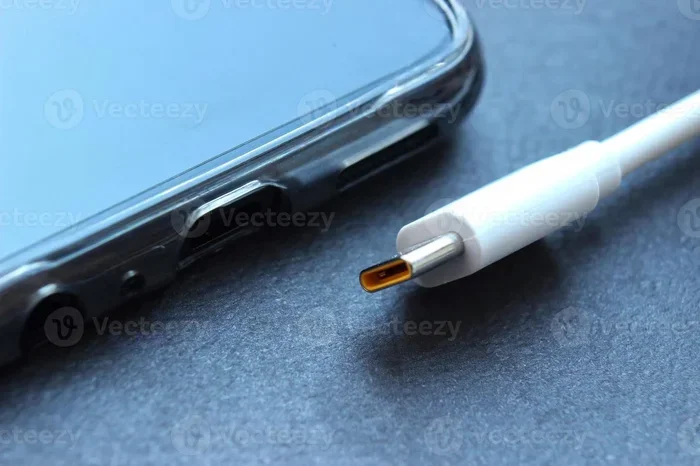
USB-C connectors are small, reversible, and symmetrical. You never have to flip them to plug them in. They support up to 240 watts of power through USB Power Delivery. That is enough to charge a laptop, a monitor, or even power tools.
The connector is also future-proof by design. It works in both directions, which means no more worrying about orientation. And it supports alt-modes, allowing video output, data transfer, and power delivery all through a single cable.
USB Power Delivery Explained
USB Power Delivery is a protocol that lets USB-C negotiate the right amount of power. A phone might draw 18 watts. A laptop might draw 100 watts. The charger and device talk to each other and agree on the safest power level.
This is a huge upgrade over older charging standards. USB-A chargers deliver a fixed amount of power. They cannot adjust. USB-C makes charging smarter and safer.
| Feature | USB-A (Older) | USB-C (New Standard) |
|---|---|---|
| Connector Shape | Rectangular, one-way | Small, reversible |
| Max Power Delivery | Up to 15 watts | Up to 240 watts |
| Data Speed | Up to 5 Gbps (USB 3.0) | Up to 40 Gbps (USB4) |
| Video Output | Not supported natively | Supported via Alt-Mode |
| Reversible Plug | No | Yes |
| Device Compatibility | Older phones, keyboards, mice | Modern phones, laptops, tablets |
What This Phase-Out Means For Your Devices
The shift away from older USB chargers affects almost everyone. But the impact varies depending on what devices you use.
If You Use Android Devices
Most Android phones have already switched to USB-C. Samsung, Google, OnePlus, and others adopted USB-C years ago. If your Android device is recent, you are likely already using USB-C. The transition has been smooth for most Android users.
However, some budget Android phones still ship with older connectors. And some accessories like fitness trackers or portable speakers may still use micro-USB. Keep this in mind when buying new gear.
If You Use Apple Devices
Apple was one of the last holdouts with its Lightning connector. But even Apple has switched to USB-C for the iPhone 15 and newer models. iPads and MacBooks already used USB-C for years.
If you own older Apple devices with Lightning cables, those cables will still work. But new Apple devices use USB-C now. Upgrading your cables and chargers is a smart move to stay compatible.
If You Use Laptops And Tablets
Most modern laptops use USB-C for charging. This includes Chromebooks, Windows laptops, and MacBooks. Tablets have also largely moved to USB-C, with the exception of some older iPad models.
The benefit is clear: one charger can power multiple devices. You no longer need a separate charger for your phone and your laptop. This saves space, money, and clutter.
The Timeline: When Will Older USB Chargers Disappear?
The phase-out is not happening overnight. Different regions and companies are moving at different speeds. Here is a realistic look at the timeline.
2024 And Beyond: The EU Leads The Way
The EU common charger law took effect in late 2024. All new smartphones sold in Europe must use USB-C. This has already pushed global manufacturers to standardize on USB-C, even in markets outside Europe.
2025-2026: Wider Adoption Across Categories
By 2025 and 2026, expect USB-A to disappear from most new laptops and tablets. Many accessories are already switching. Wireless earbuds, portable batteries, and smart home devices increasingly ship with USB-C.
2027 And Beyond: The Transition Nears Completion
By the late 2020s, USB-A should be rare in new devices. Older cables will still work for existing gadgets, but new purchases will almost universally use USB-C. The transition mirrors what happened with USB-A replacing older connectors in the early 2000s.
If you are curious about how tech standards evolve over time, you might enjoy reading about how apps and services are replacing physical products, similar to how digital platforms are replacing traditional hardware. Check out 4 apps that are like Uber for finding dog walkers to see how digital platforms are reshaping entire industries.
How To Prepare For The USB Charger Phase-Out
The good news is that preparing for this shift is easy and affordable. A few simple steps today will save you hassle tomorrow.
1. Audit Your Current Chargers And Cables
Go through your drawer and identify every charger and cable. Sort them into three piles:
- USB-C: Keep these. They are future-proof.
- USB-A or Micro-USB: These will work for now but may become obsolete.
- Proprietary connectors: Consider replacing the devices or finding USB-C adapters.
2. Invest In Quality USB-C Cables
Not all USB-C cables are equal. Cheap cables can damage devices or charge slowly. Look for cables rated for the power you need. A 60-watt cable handles most laptops. An 18-watt cable is fine for phones.
Buy from reputable brands. Look for USB-IF certification. These cables meet safety and performance standards.
3. Get A Good USB-C GaN Charger
Gallium Nitride (GaN) chargers are compact and powerful. They deliver fast charging through USB-C Power Delivery. A single GaN charger can replace multiple old chargers. They are small enough to carry in a pocket.
Look for a charger with multiple USB-C ports. This lets you charge two devices at once. A 65-watt or 100-watt GaN charger covers most users’ needs.
4. Keep A Few USB-A To USB-C Adapters
You will likely still have some older devices for a while. Keeping a few adapters means you can charge them with new USB-C chargers. Adapters are cheap and widely available.
5. Stay Informed About New Standards
Technology keeps evolving. USB4 is the next big step, offering even faster speeds and higher power. Stay informed so you make smart buying decisions. Follow tech news from reliable sources.
Common Mistakes People Make During The Transition
Many people make avoidable mistakes when switching to USB-C. Here are the most common ones and how to dodge them.
Buying Cheap, Uncertified Cables
Budget USB-C cables from unknown brands can be dangerous. They may not handle the power they claim. This can lead to slow charging, device damage, or even fire risks. Always choose certified cables.
Assuming All USB-C Cables Are The Same
USB-C is a connector shape, not a performance guarantee. Some USB-C cables only support 10 watts. Others support 240 watts. Check the specifications before buying. A cable that works for your phone may not work for your laptop.
Throwing Away Old Chargers Too Early
Do not toss your older USB-A chargers just yet. Many devices still use them. Keep a few around for keyboards, mice, and older accessories. A gradual transition makes more sense than an abrupt one.
Ignoring Wireless Charging Options
Wireless charging is growing alongside USB-C. Many new phones support fast wireless charging. A quality wireless charging pad can complement your USB-C setup. It reduces cable clutter and wear on your ports.
Expert Insights On The Future Of Charging
Industry experts agree that the shift to USB-C is permanent and irreversible. The universal connector trend is not just about convenience. It is about sustainability, efficiency, and consumer protection.
“The move to USB-C is one of the most significant changes in consumer electronics in decades,” says tech analyst Sarah Chen. “Consumers win because they buy fewer cables. The environment wins because less e-waste is generated. And the industry wins because it has one standard to support globally.”
Wireless charging is the next frontier. Technologies like Qi2 are gaining traction. These standards build on the USB-C ecosystem and push charging even further into the cable-free future. Expect to see more devices supporting both wired USB-C and wireless charging in the coming years.
The writing is on the wall. USB chargers are being phased out, and USB-C is the future. Embracing this change now puts you ahead of the curve and keeps your devices powered and ready.
Final Thoughts: Embrace The Change
The question “are USB chargers being phased out” has a clear answer. Yes, older USB charger types are being replaced by USB-C. This shift is driven by regulations, consumer demand, and technological progress.
The transition is not something to fear. It is an opportunity to simplify your tech setup. One cable for all your devices. Faster charging. Less clutter. Less waste.
Start small. Swap out your oldest cables first. Invest in a quality GaN charger. Keep a few adapters for legacy devices. Within a year or two, you will wonder why you ever held onto those old USB-A cables.
The age of the universal charger is here. USB-C is the standard, and it is here to stay. Make the switch today and enjoy the benefits tomorrow.
Frequently Asked Questions
Will my old USB-A chargers stop working?
Your old USB-A chargers will still work with older devices that have USB-A ports. However, many new devices no longer include USB-A ports. Over time, fewer devices will support USB-A, making these chargers less useful.
Is USB-C faster than USB-A for charging?
Yes, USB-C supports much faster charging through USB Power Delivery. While USB-A is limited to lower power outputs, USB-C can deliver up to 240 watts, making it significantly faster for compatible devices.
Do I need to buy all new cables right now?
No, you do not need to replace everything at once. Start by upgrading the cables you use most frequently. Keep older cables for devices that still need them and gradually transition as you replace older gadgets.
Are all USB-C cables the same?
No, USB-C cables vary in power delivery and data speed. Some support only 10 watts while others handle 240 watts. Always check the cable specifications and look for USB-IF certification to ensure quality and safety.
What is the difference between USB-C and USB Power Delivery?
USB-C is the physical connector shape. USB Power Delivery is a protocol that allows devices to negotiate the right amount of power through a USB-C connection. Together, they enable fast, safe, and efficient charging across many devices.
Will wireless charging replace USB-C cables entirely?
Wireless charging is growing but is unlikely to replace USB-C entirely. Wired USB-C charging is faster and more efficient. Most experts see wireless charging as a complement to USB-C, not a replacement. Both will coexist for the foreseeable future.
=== CONCLUSION ===
Are USB chargers being phased out? Yes, and the transition is well underway. USB-C is becoming the universal standard for charging and data transfer across virtually all consumer electronics. Government regulations, tech industry support, and consumer demand are all pushing in the same direction.
The shift brings real benefits: faster charging, fewer cables, less e-waste, and simpler setups. By preparing now, you can stay ahead of the curve and avoid the frustration of incompatible accessories. Upgrade your cables, invest in a solid GaN charger, and embrace the future of charging.
The universal charger era is not coming. It is already here. Make the switch to USB-C today and enjoy a cleaner, faster, and more sustainable tech experience.