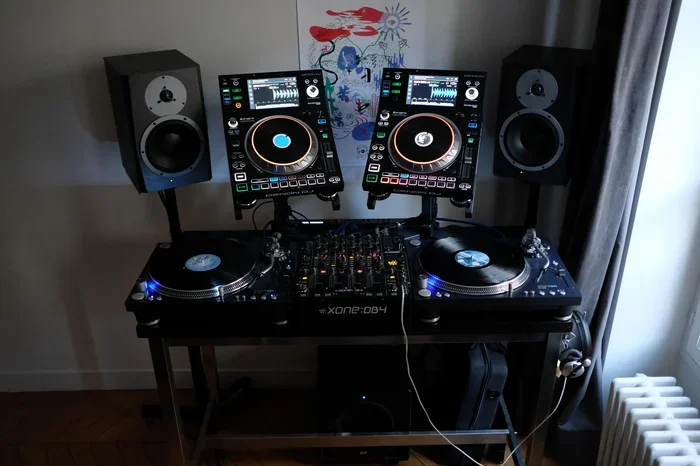
Can I Use Any Speaker For Dj To Get The Best Sound
Can I Use Any Speaker For DJ setups? The short answer is no — not every speaker is built for DJing. You need the right combination of power, frequency response, and portability to deliver great sound. This guide breaks down exactly what to look for, which speakers work best, and how to avoid costly mistakes.
Can I Use Any Speaker For DJ gigs and still get great sound? That is a question many new DJs ask. The honest answer is that not every speaker cuts it. Your sound system is the backbone of your performance. If your speakers fail, your entire set suffers.
Whether you are playing at a house party, a small bar, or a large club, the right speakers make all the difference. But with so many options out there, it can feel overwhelming. That is exactly why we wrote this guide. We will walk you through everything you need to know about choosing the best speakers for your DJ setup.
Key Takeaways
- Not all speakers are DJ-friendly: Passive and powered speakers behave very differently, and using the wrong type can hurt your sound.
- Wattage and speaker size matter: Bigger rooms need more power and larger drivers to fill the space properly.
- Active speakers are the go-to choice: They come with built-in amps and are easier to set up for most DJs.
- Frequency response affects everything: A speaker with poor bass or treble handling will make your mixes sound flat or muddy.
- Portability and durability count: DJs move gear constantly, so lightweight and tough speakers are a big plus.
- Impedance matching is critical: Mismatched impedance between your DJ mixer and speakers can damage equipment.
- Testing before buying saves money: Always audition speakers in person or read detailed reviews before committing.
📑 Table of Contents
Why Your Speaker Choice Matters for DJing
Your speakers are the final link in your sound chain. They take the signal from your DJ mixer and turn it into audible sound. Cheap or mismatched speakers can distort your mixes, muddy your bass, and ruin the vibe of your set. On the other hand, good speakers bring your music to life.
When you ask Can I Use Any Speaker For DJ, you are really asking: what makes a speaker suitable for DJing? The answer comes down to a few key factors. Let us break them down.
Sound Quality and Frequency Response
Every speaker has a frequency response range. This tells you how low and how high the speaker can reproduce sound. For DJing, you want a wide frequency response. A good range is usually between 40 Hz and 20 kHz. This means you hear deep bass and crisp highs clearly.
If your speaker cannot handle low frequencies well, your bass will sound weak or distorted. If it struggles with highs, your cymbals and hi-hats will lose their sparkle. Both situations hurt your performance.
Power Handling and Wattage
Speaker wattage tells you how much power the speaker can handle. More wattage generally means louder and cleaner sound. But bigger is not always better. You need to match the wattage to your venue size.
For small rooms, 200 to 400 watts per speaker works well. Medium venues might need 500 to 800 watts. Large clubs demand 1000 watts or more per speaker. Always check the RMS wattage — not peak wattage — because RMS gives you the true continuous power rating.
Types of Speakers DJs Can Use
Not all speakers are created equal. There are a few main types that DJs use regularly. Each type has its own strengths and weaknesses. Understanding them helps you make a smarter choice.
Powered Speakers (Active Speakers)
Powered speakers have a built-in amplifier. You plug them directly into your DJ mixer or audio interface, and they work. No extra amp needed. This is why most beginner and intermediate DJs choose powered speakers. They are simple, clean, and reliable.
Popular brands like Yamaha, JBL, and Electro-Voice make excellent powered options for DJing. These speakers often include built-in crossovers and EQ controls. That means you can fine-tune your sound right from the speaker itself.
Passive Speakers
Passive speakers do not have a built-in amplifier. You need an external amplifier or powered mixer to drive them. Many professional DJs still use passive speakers because they offer more flexibility and often sound better at very high volumes.
However, passive setups cost more. You need to buy the speakers and a separate amp. You also need to match the speaker impedance with the amp output. This can be tricky for beginners. If you are still wondering Can I Use Any Speaker For DJ on a budget, passive speakers might not be the best starting point.
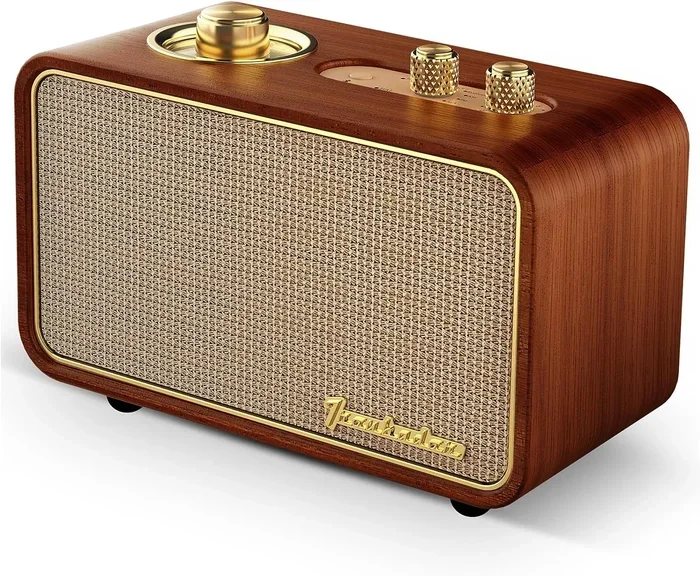
Portable Bluetooth Speakers
Bluetooth speakers are tempting because they are small and wireless. You can pair them with your phone or laptop easily. But here is the truth: most Bluetooth speakers lack the power and sound quality needed for DJing.
They are fine for background music at a small gathering. But for a real DJ set, they will struggle with volume, bass depth, and clarity. Some DJs use them for warm-up sets or very casual events. But they are not a replacement for proper DJ speakers.
PA Speakers
PA speakers are designed for live sound reinforcement. They are widely used at concerts, festivals, and events. Many DJs use PA speakers because they deliver loud, clear sound across large areas. They come in both powered and passive versions.
PA speakers are a great choice for DJs who perform at outdoor events or large indoor venues. They handle high volumes well and reproduce a full range of frequencies. Just make sure you get a PA system that matches your venue size.
What to Look for in DJ Speakers
Can I Use Any Speaker For DJ and expect great results? Only if the speaker meets certain standards. Here are the key specs and features you should look for when shopping for DJ speakers.
Wattage and Volume Output
As mentioned earlier, wattage determines how loud and clean your speaker can get. But volume is not just about being loud. It is about staying clean at high volumes. A speaker with low wattage will distort when you push it hard. That distortion ruins your mixes and can hurt your listeners’ ears.
Look for speakers with clear headroom. Headroom is the extra power available beyond your normal playing level. More headroom means your speaker can handle sudden volume spikes without clipping or distorting.
Speaker Size and Driver Diameter
Speaker size affects bass response and overall sound projection. Larger drivers (usually 12 inches or 15 inches) produce deeper bass and fill bigger rooms. Smaller drivers (8 inches or 10 inches) work well for compact spaces and portability.
Many DJ speaker setups use a combination of a large woofer and a smaller tweeter. This is called a two-way speaker design. The woofer handles mid and low frequencies, while the tweeter handles high frequencies. This split creates a balanced and detailed sound.
Impedance Matching
Speaker impedance is measured in ohms. Most DJ speakers are rated at 4, 8, or 16 ohms. Your amplifier or mixer must match the speaker impedance. If the impedance does not match, you risk damaging your equipment.
Always check the impedance rating on both your speakers and your mixer or amp. Most modern powered speakers are designed to work directly with standard DJ mixers, which output at the correct impedance. This is one reason powered speakers are so popular among DJs.
Connectivity Options
Check what inputs your speaker offers. Most DJ speakers have XLR and 1/4-inch jack inputs. Some also have RCA or SpeakON connectors. The more input options you have, the easier it is to connect different gear.
Look for speakers with multiple input channels. This lets you daisy-chain speakers together. Daisy-chaining means you connect one speaker to the next, using a single output from your mixer. It saves cables and simplifies your setup.
Weight and Portability
DJs move gear all the time. You might carry your speakers from a car to a venue, up stairs, or across a festival field. Heavy speakers become a real burden. Look for speakers that balance size and weight well.
Many modern DJ speakers include built-in handles and wheels for easy transport. Some even have battery-powered options for truly wireless setups. Portability matters, especially if you play multiple venues or events in a single day.
Common Mistakes DJs Make with Speakers
Even experienced DJs sometimes make speaker mistakes. Avoiding these common errors will save you money and protect your sound quality.
Using the Wrong Speaker Size for the Venue
This is the most common mistake. A pair of small speakers might work fine in a bedroom or tiny bar. But take them to a large hall, and they will struggle. The sound will be thin, weak, and distorted at the back of the room.
Always consider your venue size before choosing speakers. When in doubt, go slightly bigger. It is easier to turn down a loud speaker than to try to make a small speaker louder.
Ignoring Speaker Placement
Where you place your speakers matters more than you think. Putting speakers on the floor or in corners boosts bass but reduces clarity. Elevating speakers to ear level creates a more even sound across the dance floor.
Angle your speakers slightly inward toward the audience. This focuses the sound where people are listening. Proper placement can dramatically improve your sound without spending a single extra dollar.
Overloading Speakers with Too Much Power
Some DJs think more power always means better sound. But pushing too much power through a speaker can blow the drivers. Always check the maximum wattage rating of your speakers and keep your output within that range.
Using an amplifier that is too powerful for your speakers is just as bad as using one that is too weak. The goal is to match your amplifier output to your speaker’s power handling capacity.
Skipping the EQ and Sound Check
Every venue has different acoustics. A room with hard walls will reflect sound differently than a room with soft furnishings. Skipping the sound check means you never adapt to these differences.
Always do a quick sound check before your set. Play a familiar track and walk around the room. Listen for dead spots, echo, or feedback. Adjust your EQ and speaker placement accordingly.
Best Speakers for DJing in 2024
If you are still unsure where to start, here are some popular and well-reviewed DJ speaker options. These are not sponsored picks — just solid choices that many DJs trust.
Yamaha DBR12
The Yamaha DBR12 is a powered speaker that delivers excellent sound at an affordable price. It features a 12-inch woofer and a 1.75-inch compression driver. The 1000-watt output handles medium to large venues with ease. Many DJs use the DBR12 as their go-to main speakers.
JBL PRX815W
The JBL PRX815W is a 15-inch powered speaker with built-in Wi-Fi control. You can adjust settings from your phone using the JBL One app. It produces deep bass and clear highs, making it ideal for clubs and outdoor events.
Electro-Voice ZLX-12P
The ZLX-12P is a compact but powerful speaker. It packs a 12-inch driver into a lightweight cabinet. DJs who need portability without sacrificing sound quality love this model. It works well for small to medium venues.
QSC K12.2
The QSC K12.2 is known for its crystal-clear sound and rugged build. It is a favorite among professional DJs and live performers. The built-in DSP gives you precise control over your sound. It is a premium choice for serious DJs.
Budget Option: Behringer Eurolive B212D
Not everyone has a big budget, and that is okay. The Behringer B212D offers solid sound at a very low price. It is a powered speaker with a 12-inch woofer and 1000 watts of power. It is a great entry-level option for new DJs who want to learn without spending a fortune.
Can I Use Any Speaker For DJ: Final Verdict
So, Can I Use Any Speaker For DJ? The answer is nuanced. You can technically connect any speaker to your DJ setup, but not every speaker will give you the sound quality you need. The right speaker depends on your venue, your budget, and your performance goals.
Powered speakers are the safest and most convenient choice for most DJs. They offer great sound, easy setup, and reliable performance. Passive speakers work well for pros who want more control over their sound system. Bluetooth and portable speakers are fun but not suitable for serious DJing.
Take the time to understand your gear. Match your speakers to your venue. Check the wattage, frequency response, and impedance. Do a proper sound check before every set. These steps might seem small, but they make a huge difference in your sound quality.
Your music deserves to sound its best. Your audience deserves to hear every beat, every drop, and every melody clearly. The right speakers make that possible. Invest in good gear, learn how to use it properly, and your DJ sets will level up fast.
Start with one solid pair of powered speakers. Master your setup. Then expand as your gigs grow. That is the smartest path to building a DJ sound system that truly works for you.
Frequently Asked Questions
Can I Use Regular Home Speakers for DJing?
You can, but home speakers are usually not designed for the demands of DJing. They often lack the wattage, frequency response, and durability needed for live performance. They work for casual practice at home but will likely struggle at a real gig.
What is the Difference Between Active and Passive Speakers for DJing?
Active speakers have a built-in amplifier and plug directly into your mixer. Passive speakers need an external amplifier to work. Active speakers are easier to set up, while passive speakers offer more flexibility for larger or more complex sound systems.
How Many Speakers Do I Need for DJing?
Most DJs use a pair of two speakers for stereo sound. This setup gives you a balanced sound field across the dance floor. For larger venues, you might add subwoofers or additional speakers to cover more area.
Do I Need Subwoofers for My DJ Setup?
Subwoofers are not always necessary, but they make a big difference for bass-heavy music. If you play EDM, hip-hop, or reggae, a subwoofer adds depth and punch to your sound. For genres with less bass focus, a good pair of full-range speakers may be enough.
Can I Connect Speakers Directly to My DJ Controller?
Yes, most DJ controllers have a built-in sound card with speaker outputs. You can connect powered speakers directly to the controller’s main output. Just make sure your speakers match the output impedance and wattage of your controller.
How Loud Should My DJ Speakers Be?
Your speaker volume should be loud enough to fill the venue comfortably without distorting. A good rule of thumb is to set your volume so you can still hear a conversation at the front of the dance floor. Too loud hurts ears and ruins the vibe. Too quiet makes people lose interest.
=== CONCLUSION ===
Choosing the right speakers is one of the most important decisions any DJ makes. Your gear shapes your sound, your performance, and your reputation. When you ask Can I Use Any Speaker For DJ, remember that the answer depends on your needs, your venue, and your goals.
Powered speakers are the best all-around choice for most DJs. They are easy to use, reliable, and sound great. Passive speakers offer more control for experienced users. Always match your gear to your space and your music style.
Avoid common mistakes like wrong speaker size, poor placement, and skipping sound checks. Invest time in learning your equipment. The effort pays off every time you step up to the decks.
Great sound starts with great speakers. Choose wisely, set up properly, and let your music shine. Your audience will hear the difference, and your sets will never be the same.