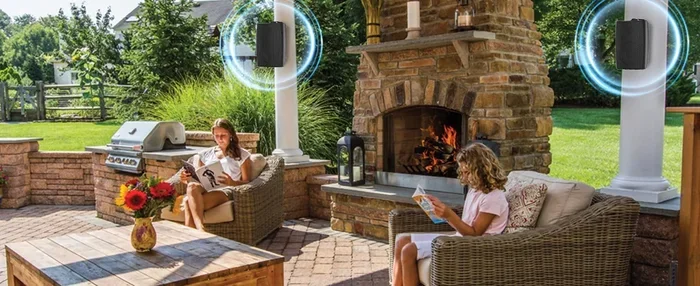
How Do I Choose Outdoor Speakers for the Perfect Sound
Choosing the right outdoor speakers means balancing sound quality, durability, and portability. This guide walks you through everything from Bluetooth connectivity to weatherproof ratings so you can pick the best speakers for your space. You will learn what features truly matter and which ones are just marketing hype.
There is nothing quite like music filling your backyard on a warm evening. Whether you are hosting a barbecue, relaxing by the pool, or setting up a backyard movie night, the right outdoor speakers can transform any ordinary space into an entertainment zone. But with so many options on the market, the process of choosing the best one can feel overwhelming.
This guide breaks everything down into simple, actionable steps. You will learn about the key features that matter most, what to avoid, and how to match the right speaker to your specific needs. By the end, you will feel confident making a choice that delivers great sound every time.
Let us start with the basics. Outdoor speakers come in all shapes and sizes. Some are small and portable enough to toss in a backpack. Others are designed to stay in one place and deliver powerful, room-filling audio. Understanding what you need is the first step toward finding the perfect fit.
Key Takeaways
- Weather Resistance Matters: Always check the IP rating to ensure your speakers can handle rain, sun, and dust.
- Bluetooth Is King for Outdoors: Wireless connectivity gives you freedom of placement and easy setup.
- Battery Life Varies Widely: Some outdoor speakers last 10 hours while others stretch to 20+ hours on a single charge.
- Portability vs. Power Trade-off: Smaller speakers are easy to carry but may lack the volume and bass of larger units.
- Pairing Speakers Boosts Sound: Connecting two speakers together creates a richer, fuller audio experience for bigger spaces.
- Price Does Not Always Mean Quality: Several mid-range options deliver excellent sound and durability without breaking the bank.
📑 Table of Contents
Understanding Your Outdoor Sound Needs
Before you shop, take a moment to think about how you will use your speakers. The answer shapes everything else. Different situations call for different types of equipment.
Casual Listening vs. Party Volume
If you just want background music while grilling or reading in the garden, a small portable speaker works great. These are compact, easy to move around, and usually affordable. A speaker like the ones you would use for a casual Can I Use Any Speaker For Dj setup gives you flexible options for everyday use.
But if you are throwing parties or hosting events, you need more power. Look for speakers with higher wattage and deeper bass response. Large gatherings require volume and clarity at a distance. You do not want your music fading out or sounding muddy when guests are spread across the yard.
Indoor-Outdoor Versatility
Some people want speakers that work both inside and outside. This is a smart approach because it gives you more value from a single purchase. Many modern wireless speakers handle both environments well. Just make sure the model you pick has adequate protection against the elements if it will live outside full time.
Key Features to Look For
Not all outdoor speakers are created equal. Some brands focus on flashy design while others prioritize actual performance. Here are the features that truly make a difference.
Weather Resistance and IP Ratings
This is arguably the most important factor. Outdoor speakers face rain, humidity, dust, and direct sunlight. You need a speaker built to handle these conditions. The IP rating tells you exactly how protected a speaker is.
Look for at least an IPX4 rating, which means the speaker can resist splashes from any direction. If you live in a rainy climate, aim for IPX5 or higher. An IPX7 rating means the speaker can even survive brief submersion in water. This matters a lot if your speakers will be near a pool or on a patio where they might get soaked.
Do not confuse water resistance with being fully waterproof. A water-resistant speaker handles light rain just fine. But a waterproof speaker can take much more abuse. Always check the specifications before buying.
Battery Life and Power Options
Nobody wants to run an extension cord across the yard just to play music. That is why battery life is a huge consideration for outdoor speakers.
Battery life varies a lot across different models. Small portable speakers typically offer 8 to 12 hours of playtime. Larger, more powerful units may only last 4 to 6 hours at full volume. Some premium models push past 20 hours at moderate volume levels.
Here is a quick breakdown of what to expect:
- Small portable speakers: 8 to 12 hours at moderate volume
- Mid-range wireless speakers: 10 to 15 hours at moderate volume
- Large portable party speakers: 4 to 8 hours at full volume
- Premium high-capacity models: 15 to 20+ hours at moderate volume
Also consider how you charge the speaker. USB-C charging is the most convenient option today. Some models even support fast charging, which gives you several hours of playtime from just a short charge session.
Sound Quality and Bass Response
At the end of the day, sound quality is what matters most. A speaker that looks great but sounds terrible will not get much use. Pay attention to these audio characteristics.
Bass response is a big deal for outdoor use. Open spaces tend to absorb low frequencies, so you need speakers that can push enough bass to fill the area. Look for speakers with dedicated bass drivers or passive radiators. These designs deliver deeper, richer sound compared to basic single-driver speakers.
Volume and clarity go hand in hand. A loud speaker that distorts at high volume is not actually good. The best outdoor speakers maintain clarity even when turned up all the way. This is especially important if you need to compete with outdoor noise like traffic, wind, or conversation.
Sound dispersion is another factor people overlook. Some speakers project sound in a narrow beam, while others spread it wide. For outdoor use, wider dispersion is usually better because it covers more area evenly.
Connectivity Options
How your speaker connects to your devices matters more than you might think. The most common options include Bluetooth, Wi-Fi, and auxiliary input.
Bluetooth remains the go-to choice for most people. It is simple, wireless, and works with virtually every phone and tablet. Most modern Bluetooth speakers have a range of about 30 feet, which is plenty for backyard use. If you are wondering about using speakers without Bluetooth, check out this guide on Can I Use Bluetooth Speaker Without Bluetooth for helpful alternatives.
Wi-Fi connectivity offers a few advantages. It provides a more stable connection and often supports multi-room audio setups. Some smart speakers also let you use voice assistants like Alexa for hands-free control. If you are interested in this route, you can explore options in our guide on Can I Use Alexa As Bluetooth Speaker.
Auxiliary input is still useful for older devices or situations where wireless is not an option. Always make sure your speaker has an AUX port if you need that flexibility.
Types of Outdoor Speakers
Not all outdoor speakers are the same type. Understanding the different categories helps you narrow down your options quickly.
Portable Bluetooth Speakers
These are the most popular choice for casual outdoor use. They are lightweight, battery-powered, and easy to carry anywhere. You can toss one in a beach bag or a camping kit without a second thought.
Portable Bluetooth speakers range from budget-friendly options under $50 to premium models over $300. The sweet spot for most people is in the $80 to $150 range, where you get excellent sound quality and solid durability without overspending.
Wireless Garden Speakers
These are designed specifically for permanent outdoor installation. They typically mount on walls, fences, or posts and connect to an outdoor amplifier or receiver. Garden speakers are ideal if you want whole-yard audio coverage without carrying speakers around.
The main advantage is that they stay in place and are built to withstand years of exposure to the elements. The downside is that they require more setup and often need a dedicated audio source or amplifier.
Rope and In-Ceiling Speakers
For a more permanent and streamlined setup, rope speakers and in-ceiling speakers offer great performance. They blend into the outdoor environment and provide even coverage across larger areas. These work well for patio decks, pergolas, and poolside installations.
Smart Outdoor Speakers
Smart speakers bring voice control and app-based features to your outdoor setup. They can connect to home automation systems, stream music from multiple services, and respond to voice commands. These are perfect for tech-savvy users who want convenience and modern features.
Matching Speakers to Your Space
The size of your outdoor area directly affects which speakers will work best. A small balcony needs very different equipment than a large backyard with a patio and garden.
Small Spaces
For balconies, patios, or small decks, a single portable Bluetooth speaker is usually enough. Look for one with good 360-degree sound projection so you get coverage from all angles. You do not need massive power in a small space. A compact speaker that delivers clear, balanced sound at moderate volume is the ideal choice.
Medium Spaces
Medium-sized yards and patios benefit from either a more powerful single speaker or a pair of smaller speakers. Pairing two speakers together creates a stereo effect that sounds much more immersive. If you own Marshall brand speakers, you can learn how to set this up in our guide on Can I Pair Two Marshall Speakers. The same principle applies to many other brands as well.
Large Spaces
Large backyards, entertainment areas, and outdoor kitchens need serious audio power. Consider a multi-speaker setup with an outdoor amplifier. Rope speakers or in-ceiling models work great for these situations because they provide even coverage without cluttering your space.
Common Mistakes to Avoid
Making the wrong choice can waste money and leave you frustrated. Here are the most common mistakes people make when buying outdoor speakers.
- Ignoring weather resistance: Buying a cheap indoor speaker and placing it outside will shorten its lifespan dramatically. Always check the IP rating.
- Focusing only on price: The cheapest option is rarely the best value. A slightly more expensive speaker often lasts longer and sounds much better.
- Overestimating battery life: Manufacturers list battery life at moderate volume. At full blast, expect significantly less runtime.
- Skipping the test listen: If possible, listen to the speaker before buying. Sound preferences are personal, and what sounds good to one person may not suit another.
- Forgetting about placement: Where you place your speaker affects sound quality. Keep speakers away from walls and corners to avoid muffled audio.
Expert Tips for Getting the Best Sound Outdoors
Once you have your speakers, a few simple tips can dramatically improve your listening experience.
Place speakers at ear level. This might mean setting them on tables, mounting them on walls, or using speaker stands. Sound travels best when it reaches your ears directly without obstructions.
Keep speakers away from reflective surfaces. Metal tables, glass tables, and hard walls can create echo and distortion. Positioning speakers on soft surfaces like wooden tables or grass helps absorb excess sound and keeps audio clean.
Experiment with placement before the party. Set up your speakers a day before your event and walk around your space. Listen from different spots to find the sweet spot where the sound is balanced and clear everywhere.
Protect your speakers when not in use. Even weatherproof speakers last longer when stored indoors or under a covered area. A simple speaker cover or storage bag can add years to the life of your equipment.
Budget Recommendations
You do not need to spend a fortune to get great outdoor sound. Here is a quick look at what you can expect at different price points.
Budget ($30 to $70): Basic portable Bluetooth speakers with decent sound and 6 to 10 hours of battery life. These work well for casual use and small gatherings.
Mid-Range ($80 to $150): The sweet spot for most buyers. You get solid sound quality, good battery life, reliable weather resistance, and strong Bluetooth connectivity. Many popular brands fall in this range.
Premium ($150 to $400+): High-end portable speakers with powerful audio, long battery life, advanced waterproofing, and extra features like voice assistant support and multi-speaker pairing. These are perfect for serious outdoor entertainment.
Final Thoughts
Choosing the right outdoor speakers does not have to be complicated. Focus on the features that matter most to you: weather resistance, battery life, sound quality, and connectivity. Match the speaker type to your space and usage habits, and you will end up with a setup that delivers great sound for years to come.
Take your time, read reviews, and do not be afraid to spend a little extra for quality. Good outdoor speakers turn ordinary moments into memorable experiences. Whether it is a quiet morning coffee or a lively weekend gathering, the right speaker makes all the difference.
Start with your needs, follow the tips in this guide, and you will find the perfect match. Happy listening.
Frequently Asked Questions
What does IP rating mean for outdoor speakers?
IP stands for Ingress Protection. The rating tells you how well a speaker resists water and dust. The first digit covers solid particles like dust, and the second digit covers liquids. For outdoor use, look for at least IPX4 to handle splashes, or IPX5 and above for heavier rain exposure.
Can I leave my outdoor speakers outside all the time?
It depends on the speaker’s weather resistance rating. Speakers with higher IP ratings can handle prolonged outdoor exposure. However, even weatherproof speakers last longer when stored indoors during harsh weather or extreme temperature changes.
How far should outdoor speakers be placed apart?
For stereo sound, space speakers about 6 to 10 feet apart. For larger areas, you may need more speakers placed evenly around the space. Experiment with placement to find the best balance of coverage and clarity.
Do outdoor speakers need a special amplifier?
Portable Bluetooth speakers do not need a separate amplifier because they have built-in amplifiers. However, permanent garden or in-ceiling speakers typically require an outdoor-rated amplifier to deliver the best sound quality and volume.
What is the best Bluetooth range for outdoor speakers?
Most outdoor Bluetooth speakers have a range of about 30 feet. Some premium models extend this to 50 feet or more. Keep in mind that walls, furniture, and other obstacles can reduce the effective range outdoors.
Are more expensive outdoor speakers always better?
Not always. Some mid-range speakers deliver excellent sound quality and durability that rivals premium models. Focus on the features you actually need rather than chasing the highest price tag. Read reviews and listen to the speaker if possible before making a decision.