How Do I Choose A Movie Projector For The Best Experience
Choosing the right movie projector means understanding brightness, resolution, and projector type. This guide breaks down everything you need to know in simple terms. You will learn how to match your room, budget, and viewing habits to the best projector for movies. By the end, you will feel confident picking the perfect setup for your home theater.
So you want to bring the cinema into your living room. Choosing a movie projector can feel overwhelming at first. There are so many brands, numbers, and features to sort through. But here is the good news. Once you understand a few basics, the decision gets a lot easier.
This guide walks you through everything you need to know. We will talk about brightness, resolution, projector types, and setup. By the end, you will know exactly what to look for. You will also avoid common mistakes that waste money.
Choosing a movie projector is not just about picking the shiniest model. It is about finding the right fit for your space, your movies, and your budget. Let us get into it.
Key Takeaways
- Brightness matters most: A projector with at least 2,000 lumens works well for most rooms.
- Resolution affects picture quality: 1080p is the sweet spot for most movie lovers, but 4K offers stunning detail.
- DLP, LCD, and laser each have pros: Your choice depends on budget and preferences.
- Placement and screen go hand in hand: You need the right throw distance and a good screen surface.
- Smart features add convenience: Built-in apps and wireless options make streaming movies easy.
- Budget does not mean compromise: Great projectors exist at every price point when you know what to look for.
📑 Table of Contents
What to Look for in a Movie Projector
Before you dive into specs, let us talk about what actually matters. Not every projector feature is created equal. Some make a huge difference in your viewing experience. Others are just nice to have.
Start by thinking about where you will watch. Is your room completely dark? Or do you have windows and ambient light? This single factor shapes many of your other choices. A dark room gives you more flexibility. A bright room demands a brighter projector.
Next, think about what you watch most. Do you stream movies every night? Do you play games? Or do you mostly watch live sports? Each use case favors different features. Knowing your habits helps you narrow things down fast.
Brightness and Lumens
Brightness is measured in lumens. This is one of the most important specs to understand. A projector with higher lumens produces a brighter image.
- 1,000 to 1,500 lumens: Works for fully dark rooms. Great for dedicated home theaters.
- 1,500 to 2,500 lumens: Handles some ambient light. Good for living rooms with curtains.
- 2,500+ lumens: Bright enough for daytime viewing or rooms with lots of light.
If you plan to watch during the day, do not skimp on brightness. A dim picture ruins the experience fast. For most people, 2,000 to 3,000 lumens hits the sweet spot.
Resolution: How Sharp Is the Picture?
Resolution determines how clear and detailed the image looks. Higher resolution means more pixels and a sharper picture.
- 720p (HD): Decent for casual viewing. You will notice softness on larger screens.
- 1080p (Full HD): The most popular choice for home movie watching. Sharp, clear, and affordable.
- 4K (Ultra HD): Stunning detail. Best for movie lovers who want the full cinematic experience.
For most people, a 1080p projector delivers excellent value. It gives you a great picture without breaking the bank. But if you want the absolute best, a 4K projector is worth the investment.
Projector Types: DLP vs LCD vs Laser
Not all projectors use the same technology. The three main types are DLP, LCD, and laser. Each has its own strengths and weaknesses.
DLP Projectors
DLP stands for Digital Light Processing. These projectors use tiny mirrors to create the image. They are known for smooth motion and sharp pictures.
DLP projectors tend to be more affordable. They also have fewer moving parts, which means less maintenance. Many people choose DLP for home theater setups because the colors look vibrant. The main downside is something called the “rainbow effect.” Some viewers see brief color flashes on high-contrast scenes. But many people never notice it at all.
LCD Projectors
LCD projectors use liquid crystal panels to display images. They tend to produce bright, accurate colors. The picture is often very crisp and clear.
LCD projectors are great for well-lit rooms because they stay bright. They also usually cost less than laser models. The trade-off is that they can be heavier and bulkier. They also may not match the deep blacks that DLP or laser projectors offer.
Laser Projectors
Laser projectors use laser light sources instead of traditional bulbs. They offer excellent brightness and color accuracy. The image quality is often the best you can get.
Laser projectors also last much longer. A laser light source can run for 20,000 hours or more. That means years of movie watching without replacing a lamp. The downside is price. Laser projectors cost more upfront. But if you watch movies often, the long-term value is excellent.
Comparison Table
| Feature | DLP | LCD | Laser |
|---|---|---|---|
| Price Range | Budget to Mid | Budget to Mid | Mid to Premium |
| Color Accuracy | Very Good | Excellent | Excellent |
| Brightness | Good | Very Good | Outstanding |
| Lamp Life | 3,000-5,000 hrs | 3,000-5,000 hrs | 20,000+ hrs |
| Best For | Dark rooms, movies | Bright rooms, general use | Premium home theater |
Connectivity and Smart Features
A projector is only as good as what you can connect to it. Modern projectors offer many ways to stream, plug in, and go wireless.
HDMI and USB Ports
HDMI is the most important connection. It carries both video and audio through one cable. Look for at least two HDMI ports. This gives you room for a streaming device and a gaming console.
USB ports are handy too. You can plug in a flash drive with movies or connect a wireless adapter. Some projectors even let you connect a USB stick directly for quick playback.
Built-In Smart Features
Many projectors now come with built-in apps. You can stream Netflix, YouTube, and Disney+ directly. No extra devices needed. This is a big plus for casual viewers.
If your projector does not have built-in apps, you can add a streaming stick. You can use a fire stick on a projector easily. Just plug it into the HDMI port. This turns any projector into a smart projector in minutes.
Wireless and Portable Options
Do you want to move your projector around? Wireless projectors are a great choice. You can cast content from your phone or laptop without cables.
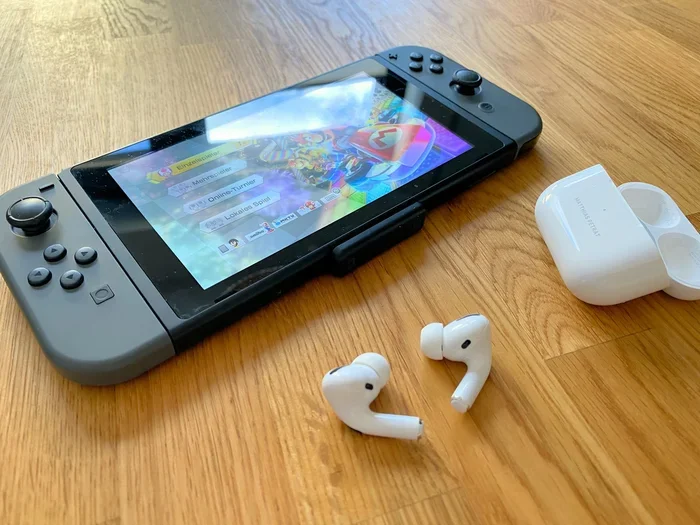
Some projectors even let you make your projector wireless with a simple adapter. This gives you freedom from cables and lets you set up anywhere. Portable projectors are also fun for backyard movie nights or camping trips.
Placement and Setup Considerations
Where you put your projector matters a lot. The wrong placement can make the image look stretched, dim, or off-center.
Throw Distance
Throw distance is the space between the projector and the screen. A short throw projector sits close to the wall. A standard throw projector needs more room behind you.
Measure your space before buying. Most projectors list the recommended throw distance in their specs. Make sure you have enough room. If your space is tight, look for a short throw projector. These work great in small apartments or bedrooms.
Projector Screens vs. White Walls
You do not always need a fancy screen. A clean white wall works fine in a pinch. But a proper projector screen makes a big difference in picture quality.
You can even use a black sheet as a projector screen in some situations. The key is a smooth, wrinkle-free surface. A wrinkled screen distorts the image and looks unprofessional.
If you want the best results, invest in a proper screen. White screens work for most rooms. Gray screens boost contrast in bright environments. Your choice depends on your room setup.
Can You Use a Projector as a TV?
Many people wonder if they can replace their TV with a projector. The answer is yes. A projector can serve as your main display for movies and shows.
Projectors create a much larger image than most TVs. A 100-inch picture from a projector is hard to beat. You can even use a projector as a TV with the right setup. Add a streaming device and you have a cinematic experience at home.
The main trade-off is brightness. Projectors work best in dimmer environments. If your living room gets lots of sunlight, a bright TV might still win. But for movie nights in a dark room, nothing beats a projector.
Budget and Value: How Much Should You Spend?
Projector prices range from under $100 to over $3,000. Finding the right balance is key.
Budget projectors under $300 work fine for casual use. They may not have the brightest image or the sharpest resolution. But for movie nights with friends, they get the job done.
Mid-range projectors between $300 and $1,000 offer the best value. You get solid brightness, good resolution, and smart features. Most movie lovers are happy in this range.
Premium projectors above $1,000 deliver the best image quality. Laser models and native 4K projectors live here. These are for serious home theater fans who want the absolute best.
No matter your budget, focus on the features that matter most to you. Do not pay for extras you will never use. A well-chosen mid-range projector often beats a cheap one in the long run.
Quick Tips for Saving Money
- Buy during sales events like Black Friday or Amazon Prime Day.
- Look for refurbished models from trusted sellers.
- Skip ultra-premium features if you do not need them.
- Consider buying a projector and screen bundle.
- Check warranty coverage before purchasing.
Common Mistakes to Avoid
Even smart buyers make mistakes when choosing a projector. Here are a few to watch out for.
Ignoring room lighting. A projector that looks great in a store may fail in a bright room. Always consider your actual viewing environment.
Focusing only on price. The cheapest option is not always the best value. Look at brightness, resolution, and lamp life too.
Forgetting about audio. Projectors often have weak built-in speakers. Plan to add a soundbar or external speakers for a better experience.
Skipping the screen. A projector on a bare wall looks okay. A projector on a proper screen looks amazing. Do not skip this investment.
Not checking the warranty. Projector lamps and lasers wear out over time. A good warranty saves you money on replacements.
Final Thoughts: Finding Your Perfect Movie Projector
Choosing a movie projector does not have to be confusing. Start with your room and your needs. Then match those to the right brightness, resolution, and projector type.
A 1080p DLP projector works well for most casual movie watchers. A 4K laser projector is perfect for the ultimate home theater. And a smart projector with streaming apps makes setup simple.
Take your time. Compare a few models. Read reviews. The right projector will bring your favorite movies to life in a way you never expected. Happy watching.
Frequently Asked Questions
What is the best projector for watching movies at home?
A 1080p projector with at least 2,000 lumens works great for most homes. If you want the best picture quality, a 4K projector is the top choice. The best projector depends on your room lighting and budget.
Do I need a special screen for a movie projector?
You do not need a special screen, but it helps a lot. A proper projector screen improves brightness and color. A clean white wall works in a pinch, but a screen gives you the best results.
Can I use a projector in a room with windows?
Yes, but you need a brighter projector. Look for at least 2,500 lumens if your room gets a lot of light. Curtains or blinds also help improve the picture quality during daytime viewing.
How long does a projector lamp last?
Most projector lamps last between 3,000 and 5,000 hours. Laser projectors last much longer, often 20,000 hours or more. That means years of regular movie watching before you need a replacement.
Can I connect my phone to a projector?
Yes, many projectors let you connect a phone through HDMI or wirelessly. You can also cast content from your phone to a compatible projector. Check your projector’s connectivity options for the best method.
Is a projector or a TV better for movies?
A projector creates a much larger image, which feels more cinematic. A TV is brighter and works better in well-lit rooms. For dedicated movie nights in a dark room, a projector usually wins.
=== CONCLUSION ===
Choosing the right movie projector comes down to understanding your needs. Brightness, resolution, projector type, and budget all play a role. Take the time to compare your options and you will find the perfect fit.
Choosing a movie projector is an investment in your entertainment. A great setup turns any room into a home theater. You will enjoy movies, shows, and games like never before. Start with this guide, do your research, and pick the projector that brings you the most joy.