How Can I Light My Outside Without Electricity Guide
Lighting your outside without electricity is easier than you think. You can use solar-powered lights, battery-operated lanterns, propane heaters with lights, and even DIY solutions to brighten your backyard, garden, or patio. This guide walks you through every option so you can enjoy outdoor illumination no matter where you are or what power source you have.
There is something magical about a lit-up outdoor space after dark. String lights glowing over a patio. Lanterns flickering along a garden path. Torches casting warm shadows across a backyard. But what happens when you do not have access to electricity? Maybe you are camping. Maybe you live in a rural area. Or maybe you just want to enjoy your outdoor space without running up your power bill.
The good news is that lighting your outside without electricity is totally doable. You have more options than you might think. From solar-powered garden stakes to battery-operated LED lanterns, there is a solution for every budget and every need. In this guide, we will walk you through all the best ways to bring light to your outdoor space without plugging anything in.
Whether you need off-grid lighting for a weekend camping trip or you want to create a cozy backyard ambiance every night, this article has you covered. We will look at each option in detail, compare them, and give you practical tips to get started right away.
Key Takeaways
- Solar Lights Are the Top Choice: They are free to run, easy to install, and come in many styles for any outdoor space.
- Battery and Rechargeable Options Work Great: LED lanterns and flashlights offer reliable light without any wiring or outlets.
- Propane and Fuel-Based Lights Exist: These give strong, long-lasting illumination for larger areas like backyards and campsites.
- DIY Solutions Save Money: You can make your own lights using jars, batteries, and simple parts you already have at home.
- Portable Power Makes a Big Difference: Devices like power banks and car chargers can keep your lights going for hours.
- Safety Always Comes First: Follow basic tips to prevent fires, leaks, and accidents when using any off-grid lighting method.
📑 Table of Contents
- Why You Might Need Light Outside Without Electricity
- Solar-Powered Lighting Options
- Battery-Powered and Rechargeable Lighting
- Propane and Fuel-Based Lighting
- DIY and Creative Lighting Solutions
- How to Choose the Right Outdoor Lighting Without Electricity
- Common Mistakes to Avoid
- Expert Insights on Off-Grid Outdoor Lighting
- Final Thoughts
Why You Might Need Light Outside Without Electricity
Before we dive into the options, let us talk about why you might need outdoor illumination without a power source. Understanding your situation helps you pick the right solution.
Camping and Outdoor Adventures
Camping is one of the most popular reasons people need light outdoors without electricity. You want to see where you are walking. You need to cook dinner. You want to relax around a fire and still be able to read or play games. Portable lighting makes all of this possible.
Rural or Off-Grid Living
Some people live in areas where electricity is unreliable or not available at all. For these folks, off-grid lighting is not a luxury. It is a necessity. Solar lights, battery-powered lanterns, and fuel-based options become part of daily life.
Power Outages and Emergencies
Storms, grid failures, and other emergencies can knock out power for hours or even days. Having emergency lighting ready means you are not left in the dark. A few lanterns and some rechargeable batteries can make a huge difference when the lights go out.
Backyard Gatherings and Ambiance
Even if you have electricity, some people prefer not to use it for outdoor lighting. Solar lights and battery-operated candles create a warm, inviting outdoor ambiance without adding to your energy bill. It is a simple way to make your patio or garden feel special.
Solar-Powered Lighting Options
Solar lighting is hands down the most popular way to light your outside without electricity. The sun gives you free energy every day. All you need is a way to capture it and store it for later use.
Solar Garden Lights
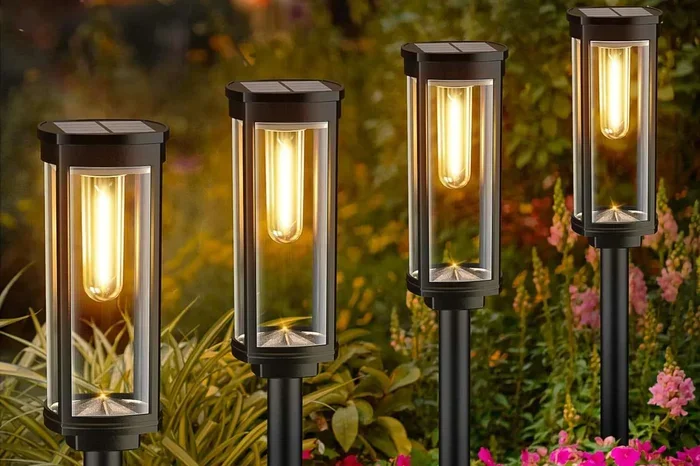
These are the small stake lights you push into the ground along a walkway or garden bed. They charge during the day and automatically turn on at night. Most solar garden lights use LED technology, which means they are bright and use very little power. You can find them at almost any hardware store or online for just a few dollars each.
Here are some quick tips for getting the best out of solar garden lights:
- Place them in spots that get at least 6 to 8 hours of direct sunlight during the day.
- Clean the solar panels regularly so they can charge efficiently.
- Switch them off during long periods of rain to save battery life.
- Look for models with adjustable brightness settings.
Solar String Lights
Solar string lights are perfect for creating a warm glow over a patio or pergola. They work just like solar garden lights but give off a softer, more decorative light. You can hang them between trees, along fences, or across your porch. They come in many colors and styles, from warm white to multicolored.
Solar Lanterns
Solar lanterns are portable and versatile. You can place them on a table, hang them from a hook, or carry them with you on a walk. Many solar lanterns have a hook on top and a handle for easy moving. Some even have a USB port so you can charge your phone too.
Solar Panels for Larger Setups
If you need more serious outdoor illumination, you can pair a small solar panel with a battery pack. This setup can power larger lights or even a string of LED bulbs for several hours. It works well for backyard events or extended outdoor evenings.
Battery-Powered and Rechargeable Lighting
When the sun is not enough, battery-powered lights step up. These options give you reliable portable lighting no matter the weather or season.
LED Lanterns
LED lanterns are a staple of any camping trip or emergency kit. They are lightweight, bright, and run for hours on a set of batteries. Many modern LED lanterns use rechargeable batteries that you can charge with a USB cable. This means you can top them up using a power bank or even a car charger.
Some LED lanterns also double as a flashlight. You can hang them from a tent pole or set them on a table. The light spreads evenly in all directions, which makes them great for lighting up a whole area.
Flashlights and Headlamps
Do not overlook the humble flashlight. A good flashlight can light up a dark yard or pathway in seconds. Headlamps are another great option because they free up your hands. You can carry tools, cook food, or walk around while staying lit up.
Interestingly, a flashlight can do more than just light a path. Some people use a flashlight as a projector to display images on a wall. This is a fun trick for outdoor movie nights or parties. If you want to learn more about that, check out our guide on using a flashlight as a projector.
Rechargeable Battery Kits
Investing in a good rechargeable battery kit saves money in the long run. You can use the same batteries over and over by charging them with a wall adapter, USB port, or solar charger. Look for kits that include a charger and several AA or AAA batteries. This way, you always have charged batteries ready for your lights.
Propane and Fuel-Based Lighting
For brighter and longer-lasting light, propane and fuel-based options are hard to beat. These lights burn gas to produce a strong, warm glow.
Propane Lanterns
Propane lanterns have been around for over a century, and they still work incredibly well. They produce a bright, steady light that can illuminate a large area. You simply attach a propane canister, light the mantle, and you have strong illumination.
Propane lanterns are great for:
- Lighting up a large backyard or campsite.
- Providing light during power outages.
- Creating a warm, traditional glow that electric lights cannot match.
Just be sure to use propane lanterns outdoors or in very well-ventilated areas. Always store propane canisters upright and away from heat sources.
Kerosene and Oil Lamps
Oil lamps and kerosene lamps are another classic option. They burn liquid fuel and produce a gentle, flickering light. These lamps are simple to use and do not require any batteries or solar panels. They are also very affordable.
The downside is that they produce a small amount of smoke and fumes. Always use them in open or well-ventilated spaces. Keep them away from curtains, tents, and other flammable materials.
Tiki Torches and Citronella Candles
Tiki torches serve double duty. They provide light and also help keep mosquitoes away. You can place them along a driveway, around a patio, or in garden beds. They run on citronella oil or regular lamp oil and create a festive tropical feel.
DIY and Creative Lighting Solutions
You do not need to buy expensive gear to light your outside without electricity. Some of the best solutions use things you already have at home.
Jar Lights
Fill a glass jar with a small LED candle or a battery-powered light strip. Hang it from a tree branch or set it on a table. You can make dozens of these for almost no cost. They look beautiful and give off just enough light to create a cozy atmosphere.
Solar Jar Lights
Take it a step further by putting a small solar panel inside or on top of a jar. During the day, the panel charges a small battery. At night, the jar glows softly. These are easy to make and look stunning in a garden setting.
Bike Light Attachments
Old bike lights still work great for lighting up paths and walkways. They are weather-resistant and often very bright. Strap them to fence posts, tree trunks, or hang them from hooks around your yard.
Car Charger Lights
Many LED lights can be powered through a car charger or USB port. If you have a car, you can charge your lights using the vehicle’s battery. This is especially useful if you are hosting an outdoor event and need extra light for several hours. You can also use a USB C car charger to power up multiple lights at once. For more on using car-based power solutions, check out our article on charging devices with a USB C car charger.
How to Choose the Right Outdoor Lighting Without Electricity
With so many options, picking the right one can feel overwhelming. Use this comparison to help you decide.
| Lighting Type | Power Source | Brightness | Runtime | Best For |
|---|---|---|---|---|
| Solar Garden Lights | Sunlight | Low to Medium | 6-10 hours | Pathways, gardens |
| Solar String Lights | Sunlight | Low | 6-8 hours | Patios, pergolas |
| LED Lanterns | Batteries/USB | Medium to High | 8-20 hours | Camping, emergencies |
| Propane Lanterns | Propane gas | High | 10-20 hours | Large areas, campsites |
| Oil Lamps | Kerosene/oil | Low to Medium | 4-8 hours | Ambiance, small areas |
| Tiki Torches | Oil | Low | 2-4 hours | Mosquito control, ambiance |
| DIY Jar Lights | Batteries/solar | Low | 4-12 hours | Decorative, gardens |
When choosing, think about what matters most to you. Do you need bright light for safety? Go with LED lanterns or propane lights. Do you want soft ambiance for a dinner party? Solar string lights or jar candles work perfectly. Do you need something that runs all night without any effort? Solar-powered options are your best bet.
Quick Tips for Choosing
- Match the light type to your space size. Small areas need less brightness.
- Check the runtime before you buy. You do not want lights that die after two hours.
- Look for weather-resistant ratings. Outdoor lights need to handle rain and dew.
- Consider how you will charge or refill each option. Keep it simple.
- Buy a mix of light types for different needs and moods.
Common Mistakes to Avoid
Even with the best intentions, people make mistakes when setting up outdoor lighting without electricity. Here are some pitfalls to watch out for.
Placing Solar Lights in Shade
This is the number one mistake. If your solar lights sit under a tree or against a north-facing wall, they will not get enough sun to charge. Move them to a spot with full daylight exposure.
Overlooking Battery Quality
Cheap batteries die fast and leak. Invest in good-quality rechargeable batteries and a reliable charger. Your lights will last longer and perform better.
Using Fuel Lights Indoors
Propane and kerosene lights produce carbon monoxide. Never use them inside a tent, cabin, or enclosed space. Always keep them in open, well-ventilated areas.
Ignoring Weather Conditions
Rain and humidity can damage electronic lights. Make sure any battery-powered or solar device you use has a good weather-resistance rating. If it does not, bring it inside during storms.
Buying Too Many Lights at Once
Start with a few lights and see what works for your space. You can always add more later. Buying everything at once often leads to wasted money and unused gear.
Expert Insights on Off-Grid Outdoor Lighting
We asked a few outdoor enthusiasts and camping experts for their favorite off-grid lighting tips. Here is what they had to say.
Tip 1: Layer Your Lighting. Do not rely on one bright light. Use a mix of path lights, area lights, and accent lights to create depth and warmth. This makes your space feel inviting and also helps you see better.
Tip 2: Keep a Power Bank Ready. A good power bank can charge your LED lights and other devices for days. Look for one with a high capacity (at least 10,000 mAh). You can charge it with a solar panel during the day and use it to power your lights at night.
Tip 3: Use Warm Light Colors. Warm white LEDs create a cozy, natural feel that mimics firelight. Cool white LEDs are brighter but feel harsh. For outdoor relaxation, warm tones are the way to go.
Tip 4: Store Lights Properly. When not in use, store your lights in a cool, dry place. Remove batteries from devices that will sit unused for a while. This prevents corrosion and extends the life of your gear.
Tip 5: Combine Methods. The best setups use more than one type of light. Solar garden lights for pathways, LED lanterns for seating areas, and tiki torches for ambiance. This layered approach gives you flexibility and ensures you always have enough light.
Final Thoughts
Lighting your outside without electricity opens up a world of possibilities. You can enjoy your backyard, garden, or campsite long after the sun goes down. Solar lights, battery-powered lanterns, propane fixtures, and DIY solutions all offer unique benefits. The best choice depends on your needs, your budget, and how long you need the light to last.
Start small if you are new to this. Pick one or two options and test them out. Once you see how easy and effective they are, you will want to expand your setup. Before long, you will have a beautifully lit outdoor space that runs entirely on renewable or portable power.
Remember, the goal is not just to see in the dark. It is to create a space that feels welcoming, safe, and enjoyable. With the right outdoor illumination, you can do exactly that. So pick your favorite options from this guide, gather your supplies, and start lighting up your world tonight.
For more tips on using portable power and creative lighting solutions, explore our other guides. Whether you are looking into powering devices with a power bank or using a Bluetooth radio in your car for outdoor entertainment, we have you covered.
Frequently Asked Questions
What is the cheapest way to light my outside without electricity?
Solar garden lights are the cheapest option. They cost just a few dollars each and run on free sunlight. You can also make DIY jar lights using LED candles you may already have at home. These options require no ongoing cost at all.
How long do solar lights last at night?
Most solar lights last between 6 and 10 hours on a full charge. The exact runtime depends on the model, battery size, and how much sunlight the solar panel received during the day. Look for lights with high-capacity batteries for longer illumination.
Can I use LED lights outdoors in the rain?
Yes, but only if the lights have a proper weather-resistance rating. Look for IP65 or higher on the packaging. This means the light is protected against rain and water jets. Never use non-waterproof lights in wet conditions.
Are propane lanterns safe to use around children and pets?
Propane lanterns should be used with caution around children and pets. The glass chimney gets very hot, and the flame is open. Always place propane lanterns on stable surfaces out of reach. Never leave them unattended.
What is the brightest option for lighting outside without electricity?
Propane lanterns produce the brightest light among non-electric options. LED lanterns powered by rechargeable batteries or power banks are also very bright. For maximum brightness, pair a high-capacity battery pack with a set of powerful LED lights.
Can I charge my lights using my car?
Yes. Many LED lights and rechargeable batteries can be charged using a car USB port or a car charger. This is a great option for camping trips or outdoor events. Just make sure your car engine is running to avoid draining the car battery.
=== CONCLUSION ===
Lighting your outside without electricity is practical, affordable, and surprisingly fun. You have solar options that cost nothing to run, battery-powered lights that are bright and portable, fuel-based lanterns that deliver serious illumination, and DIY tricks that add charm and personality to any space. The key is to choose the right mix of options for your specific situation and needs.
Start with the tips and ideas in this guide. Test a few different solutions. Adjust as you go. Soon you will have an outdoor space that stays beautifully lit no matter what the power situation is. Enjoy your evenings outside with confidence, knowing you are prepared for anything.