Does An 8000 Btu Air Conditioner Use A Lot Of Electricity
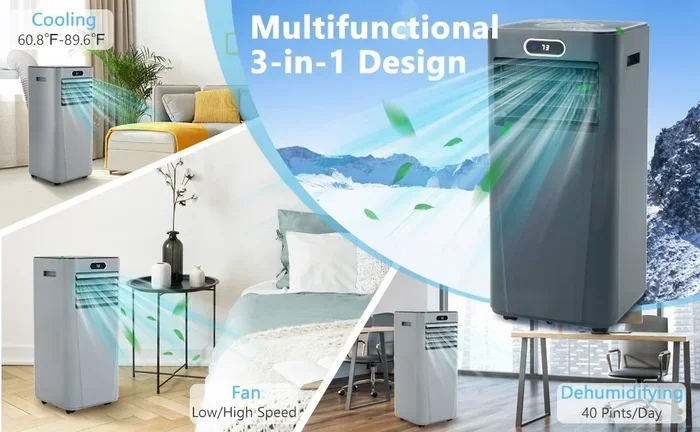
An 8000 BTU air conditioner is one of the most energy-efficient cooling options for small spaces. On average, it uses about 600 to 800 watts per hour, which is far less than larger units. Understanding power consumption helps you make smart choices about cooling your home without breaking the bank.
Does an 8000 BTU air conditioner use a lot of electricity? This is one of the most common questions homeowners ask before buying a portable AC or a window unit. The short answer is no. An 8000 BTU air conditioner is designed to be energy efficient. It uses far less power than larger cooling units. In this guide, we will break down everything you need to know about electricity consumption, operating costs, and how to get the most out of your unit.
Cooling your home during hot months can drive up your energy bill faster than almost anything else. That is why choosing the right size unit matters so much. An 8000 BTU unit strikes a great balance between cooling power and power usage. It is ideal for small rooms, bedrooms, and offices. Whether you are looking at a portable model or a window installation, understanding how much electricity it uses helps you budget and plan.
Let us dive into the details. We will cover wattage, running costs, energy efficiency ratings, and practical tips to keep your electricity bills low. By the end, you will have a clear picture of what to expect from an 8000 BTU cooling unit.
Key Takeaways
- Low Power Draw: An 8000 BTU unit typically uses 600 to 800 watts, making it one of the most efficient cooling options.
- Affordable Operating Cost: Running an 8000 BTU AC costs roughly $0.06 to $0.10 per hour, depending on your local electricity rates.
- Ideal for Small Spaces: These units are perfect for bedrooms, offices, and small apartments up to 350 square feet.
- Energy Star Models Save More: Choosing an Energy Star rated unit can cut your energy usage by 10 to 20 percent.
- Circuit Safety Matters: Most 8000 BTU units work fine on a standard 15-amp household circuit.
- Usage Habits Count: Smart thermostat settings and proper maintenance reduce electricity bills significantly.
📑 Table of Contents
- What Does 8000 BTU Mean for Cooling?
- How Much Electricity Does an 8000 BTU AC Actually Use?
- Comparing 8000 BTU ACs to Other Household Devices
- How Much Does It Cost to Run an 8000 BTU AC?
- Energy Efficiency: What to Look For
- Tips to Reduce Electricity Usage with Your 8000 BTU AC
- Is an 8000 BTU AC Right for Your Home?
- Common Mistakes People Make with Small AC Units
- Final Thoughts
What Does 8000 BTU Mean for Cooling?
BTU stands for British Thermal Units. It measures the cooling capacity of an air conditioner. The higher the BTU rating, the more heat the unit can remove from a room. An 8000 BTU unit is considered a small to medium cooling option.
Most manufacturers recommend an 8000 BTU unit for rooms up to 350 square feet. This makes it perfect for a single bedroom, a small apartment, or a home office. Using a unit that is too large or too small for your space wastes energy. A properly sized BTU air conditioner runs more efficiently and cools better.
How BTU Relates to Power Consumption
Here is the key connection. A higher BTU rating usually means more electricity used. But an 8000 BTU unit sits in a sweet spot. It provides enough cooling without guzzling power. Let us look at how this compares to other common sizes.
A 5000 BTU unit uses around 400 to 500 watts. An 8000 BTU unit uses about 600 to 800 watts. A 12000 BTU unit jumps to 1000 to 1500 watts. A 15000 BTU unit can draw 1500 watts or more. As you can see, the 8000 BTU air conditioner uses moderate power. It is not the most efficient option, but it is far from a heavy electricity hog.
How Much Electricity Does an 8000 BTU AC Actually Use?
Now let us get into the numbers. Understanding wattage and kilowatt hours is essential. These numbers tell you exactly what to expect on your energy bill.
Most 8000 BTU air conditioners draw between 600 and 800 watts when running. Some models use slightly less. Others may use a bit more. The exact number depends on several factors we will cover below. But here is a simple way to think about it.
If your unit uses 700 watts and runs for 8 hours a day, it consumes 5.6 kilowatt hours per day. At an average U.S. electricity rate of $0.13 per kWh, that costs about $0.73 per day. Over a month of daily use, you are looking at roughly $22. That is very manageable for most households.
Factors That Affect Electricity Usage
Several things influence how much power your cooling unit actually draws. Let us walk through them.
- Room Size: A larger room forces the unit to work harder. This increases power consumption.
- Insulation: Poorly insulated rooms let heat in. The AC must run longer to maintain the temperature.
- Ambient Temperature: On extremely hot days, the compressor runs more frequently.
- Unit Age: Older models tend to be less efficient than newer ones.
- Thermostat Settings: Setting the temperature lower makes the unit work harder and use more electricity.
- Maintenance: Dirty filters and coils reduce efficiency. The unit uses more energy usage to compensate.
Wattage vs. Running Power
Here is something many people miss. The wattage listed on the label is the maximum draw. The unit does not always run at full power. Once the room reaches the set temperature, the compressor cycles off. The fan may continue running at a lower power level. This means the actual electricity consumption is often lower than the peak wattage suggests.
Think of it like driving a car. The top speed is one number. But your average speed during a trip is usually much lower. The same principle applies to your cooling system.
Comparing 8000 BTU ACs to Other Household Devices
To put things in perspective, let us compare an 8000 BTU air conditioner to other common devices you probably use every day. This helps you understand where it fits in your overall household electricity picture.
| Device | Wattage | Hourly Cost (at $0.13/kWh) |
|---|---|---|
| 8000 BTU Air Conditioner | 600 to 800W | $0.08 to $0.10 |
| Refrigerator | 100 to 200W (avg) | $0.03 to $0.06 |
| Television (LED) | 50 to 100W | $0.01 to $0.02 |
| Laptop Computer | 50 to 100W | $0.01 to $0.02 |
| Microwave Oven | 1000 to 1200W | $0.13 to $0.16 |
| Space Heater | 1500W | $0.20 |
| Hair Dryer | 1500 to 1800W | $0.20 to $0.23 |
As you can see, an 8000 BTU unit uses more power than a refrigerator or a laptop. But it uses far less than a space heater or a microwave. In the grand scheme of home appliances, it is a moderate consumer of electricity. It is not going to double your energy bill overnight.
For comparison, some people worry about leaving their laptop plugged in all day. If you want to explore how different devices compare in terms of power draw, you might find it interesting to check out whether can I power my laptop with a power bank to understand portable power options better.
How Much Does It Cost to Run an 8000 BTU AC?
The operating cost of an 8000 BTU unit depends on a few key factors. Let us break down the math so you can estimate your own costs.
First, you need to know your local electricity rate. This is measured in dollars per kilowatt hour. You can find this on your monthly utility bill. The national average in the United States is around $0.13 per kWh. However, rates vary widely by state and region.
Daily Cost Estimates
- 4 hours of daily use: 700W x 4 hours = 2.8 kWh. Cost = about $0.36 per day.
- 8 hours of daily use: 700W x 8 hours = 5.6 kWh. Cost = about $0.73 per day.
- 12 hours of daily use: 700W x 12 hours = 8.4 kWh. Cost = about $1.09 per day.
These are rough estimates. Actual costs depend on your specific unit, local rates, and how often the compressor cycles on and off. But the numbers show that an 8000 BTU air conditioner is quite affordable to run for most households.
Monthly Cost Estimates
- Light use (4 hours/day): About $11 per month.
- Moderate use (8 hours/day): About $22 per month.
- Heavy use (12 hours/day): About $33 per month.
Compare these numbers to a central air conditioning system. A central unit can cost $50 to $150 or more per month to run. The 8000 BTU unit saves you a significant amount of money. It is one of the best choices for budget-conscious cooling.
Energy Efficiency: What to Look For
Not all 8000 BTU units are created equal. Some use less electricity than others. This is where energy efficiency ratings come into play.
EER Rating Explained
EER stands for Energy Efficiency Ratio. It measures how efficiently a unit cools relative to its power draw. The formula is BTU divided by wattage. A higher EER means better efficiency.
An 8000 BTU unit with an EER of 10 means it uses 800 watts. A unit with an EER of 12 uses only about 667 watts for the same cooling output. The difference adds up over weeks and months of use. Always check the EER before purchasing.
Energy Star Certified Units
Energy Star certified units meet strict efficiency guidelines set by the U.S. Environmental Protection Agency. These models typically use 10 to 20 percent less electricity than standard models. The upfront cost may be slightly higher. But the savings on your energy bill over time make up for it.
When shopping for an 8000 BTU air conditioner, look for the blue Energy Star label. This small detail can save you a lot of money in the long run. It is one of the easiest ways to reduce your power consumption without sacrificing comfort.
Inverter Technology
Some modern units feature inverter technology. This allows the compressor to adjust its speed based on cooling demand. Traditional units cycle on and off at full power. Inverter models run at lower speeds for longer periods. This reduces electricity consumption significantly.
If you plan to run your AC for many hours each day, an inverter model is worth the investment. The energy savings can be substantial over the life of the unit.
Tips to Reduce Electricity Usage with Your 8000 BTU AC
Even the most efficient unit can waste electricity if you do not use it wisely. Here are practical tips to keep your energy usage low and your costs down.
1. Set the Thermostat Wisely
Set your thermostat to 78 degrees Fahrenheit when you are home. This is the recommended temperature for balancing comfort and efficiency. Every degree lower can increase your electricity use by 3 to 5 percent. You do not need to set it to 68 degrees to feel comfortable.
2. Use a Programmable or Smart Thermostat
A programmable thermostat lets you set schedules. You can turn the AC down when you are not home and back up before you return. Some smart models even learn your habits and adjust automatically. This reduces unnecessary power usage throughout the day.
You might also be interested in learning more about how different smart devices manage power. For instance, have you ever wondered does my phone have an FM transmitter? Understanding how your devices consume power helps you make smarter energy decisions overall.
3. Keep Filters Clean
Dirty filters restrict airflow. This forces the compressor to work harder. It uses more electricity and cools less effectively. Check your filter every two weeks during heavy use. Clean or replace it as needed. This simple habit can improve efficiency by 5 to 15 percent.
4. Seal Windows and Doors
Cool air escapes and hot air enters through gaps. Use weatherstripping and caulk to seal leaks. Close curtains during the hottest part of the day. These steps reduce the workload on your cooling unit. Less work means less electricity used.
5. Use Fans to Circulate Air
A ceiling fan or portable fan helps distribute cool air evenly. You can set the thermostat a few degrees higher and still feel comfortable. Fans use very little electricity compared to an air conditioning unit. This combination saves money without sacrificing comfort.
6. Turn It Off When Not Needed
This sounds obvious, but many people leave the AC running all day. If you are at work or out of the house, turn it off. A unit running 8 hours less per day can save you $10 or more per month. Use a timer or smart plug to turn it on before you arrive home.
Is an 8000 BTU AC Right for Your Home?
An 8000 BTU unit works best in specific situations. It is not a one-size-fits-all solution. Let us look at when it makes sense and when you might need a different size.
Best Use Cases
- Single Bedrooms: Up to 350 square feet. Perfect for a teenager’s room or a master bedroom.
- Home Offices: A small office stays cool and comfortable without high electricity costs.
- Small Apartments: A studio or one-bedroom apartment can be cooled efficiently with one unit.
- Server Rooms: Small tech spaces benefit from targeted cooling without heavy power draw.
- Garage Workshops: If insulated, a garage up to 350 square feet stays bearable in summer.
When You Might Need a Larger Unit
If your room exceeds 350 square feet, an 8000 BTU unit will struggle. It will run constantly and still not cool effectively. This drives up electricity consumption and wears out the compressor faster. In very hot climates, you may also need a larger unit to keep up with heat gain.
For larger spaces, consider a 12000 BTU unit. It covers up to 550 square feet and still maintains reasonable power usage. The key is matching the unit size to your room size.
If you are curious about how other electronics in your home manage power and connectivity, you might enjoy reading about can I use HDMI for video and Bluetooth for audio to understand how modern devices handle multiple connections efficiently.
Common Mistakes People Make with Small AC Units
Avoiding these mistakes helps you get the most from your 8000 BTU air conditioner while keeping electricity costs low.
- Buying the wrong size: Too small means constant running. Too large means short cycling. Both waste energy.
- Ignoring the EER rating: A cheaper unit with a low EER costs more to run over time.
- Skipping maintenance: Dirty filters and coils reduce efficiency and increase energy usage.
- Placing the unit in direct sunlight: This forces the unit to work harder to cool the room.
- Leaving doors and windows open: Cool air escapes and the unit never reaches the set temperature.
- Not using a timer: Running the AC when nobody is home wastes electricity and money.
Each of these mistakes adds up. Over a summer season, they can increase your operating cost by 20 to 30 percent. Simple awareness goes a long way.
For those interested in tracking their electricity usage more systematically, you might want to explore how to organize your data. Learning about elements of MS Excel can help you build a simple spreadsheet to monitor your monthly energy costs and identify savings opportunities.
Final Thoughts
So, does an 8000 BTU air conditioner use a lot of electricity? The answer is clearly no. It is one of the most practical and affordable cooling solutions available. With a typical power draw of 600 to 800 watts, it costs just a few dollars per day to run. Over a month, you are looking at roughly $11 to $33 depending on usage.
Choosing an Energy Star rated model with a high EER makes it even more efficient. Pair that with smart usage habits, and you will stay cool all summer without worrying about your energy bill. The 8000 BTU air conditioner is a smart investment for anyone cooling a small to medium space.
Remember to maintain your unit, seal your room, and use fans to boost efficiency. These small steps make a big difference. You get the comfort you need and the savings you want. An 8000 BTU unit delivers on both fronts.
Frequently Asked Questions
How many watts does an 8000 BTU air conditioner use?
Most 8000 BTU air conditioners use between 600 and 800 watts. The exact number depends on the model, age, and EER rating. Newer energy-efficient models tend to use less power than older units.
Can I run an 8000 BTU AC on a standard household outlet?
Yes, most 8000 BTU units work fine on a standard 15-amp household circuit. They draw far less power than large central air systems. However, always check the manufacturer’s specifications to be sure.
Is an 8000 BTU AC cheaper to run than central air?
Absolutely. Central air systems can cost $50 to $150 or more per month. An 8000 BTU unit typically costs $11 to $33 per month depending on usage. It is one of the most budget-friendly cooling options available.
Does an 8000 BTU AC use a lot of electricity compared to other appliances?
Not really. It uses more than a refrigerator or a laptop but less than a space heater or microwave. In the context of household appliances, it is a moderate consumer of electricity and very manageable for most homes.
How can I reduce the electricity cost of my 8000 BTU AC?
Set your thermostat to 78 degrees, use a programmable timer, keep filters clean, and seal windows. Using fans alongside the AC also helps. These steps can reduce your energy usage by 10 to 20 percent.
What size room is an 8000 BTU AC best for?
An 8000 BTU unit is ideal for rooms up to 350 square feet. This includes bedrooms, small apartments, home offices, and garage workshops. Using it in a larger space reduces efficiency and increases electricity costs.