Does Walkie Talkie Work Without Phone Service Anywhere
Yes, walkie talkies work without phone service. These handy devices use radio frequencies to communicate, so you never need a cell tower or internet connection. Whether you are camping in the woods, prepping for emergencies, or just want reliable communication, walkie talkie devices keep you connected anywhere. This guide covers everything you need to know about two-way radio communication without a phone.
This is a comprehensive guide about Does Walkie Talkie Work Without Phone.
Key Takeaways
- Walkie talkies work independently: They use radio frequencies and do not need phone service, cellular data, or Wi-Fi to function.
- Multiple types exist: FRS, GMRS, and MURS radios all operate without a phone, each with different range and features.
- Range varies widely: Some handheld radios reach a few miles, while others can transmit signals over 30 miles or more.
- Walkie talkie apps exist: Apps like Zello and Voxer can work offline or over Wi-Fi, but they are not true radios.
- No subscription needed: Most traditional walkie talkies require no monthly fee or service plan.
- They are great for emergencies: When phone networks go down, radios keep you connected to your group.
[FEATURED_IMAGE_PLACEHOLDER]
Does Walkie Talkie Work Without Phone Service
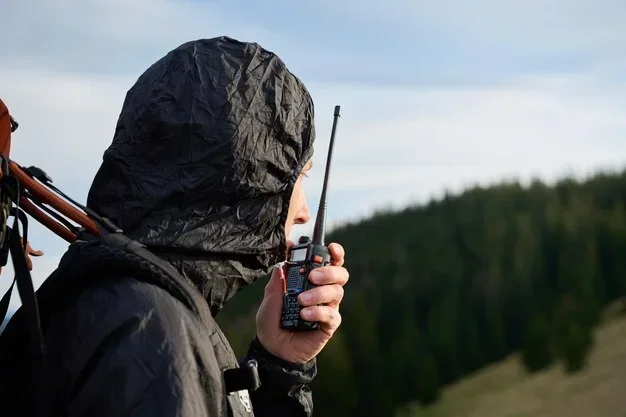
The short answer is yes. A walkie talkie works without phone service. These devices use radio waves to send and receive voice messages. They do not need a cell tower, SIM card, or internet provider. You can use them in the middle of nowhere and they still work.
Many people think walkie talkies need a phone plan. That is a common mistake. Traditional handheld radios are self-contained devices. They have their own transmitter and receiver built in. You just turn them on, pick a channel, and start talking.
Two-way radio technology has been around for decades. It was first used by the military and emergency services. Today, anyone can buy a portable radio at a store or online. They are affordable, easy to use, and very reliable.
Whether you are going camping, hiking, or preparing for a disaster, knowing how these radios work is important. Let us break it down step by step.
How Two-Way Radios Communicate
A walkie talkie sends your voice through the air as a radio signal. Another radio nearby picks up that signal and plays the sound. This happens instantly. There is no delay, no buffering, and no need for any network.
Here is how the process works in simple steps:
- You press a button on your radio, called the push-to-talk button.
- Your voice gets converted into a radio signal.
- The signal travels through the air at the speed of light.
- The other radio receives the signal and turns it back into sound.
- The person on the other end hears your voice clearly.
That is it. No phone line. No internet. No cell service needed. This is why radio communication is so trusted during emergencies and outdoor adventures.
Types of Walkie Talkies That Work Without a Phone
Not all radios are the same. There are different types of handheld radio devices. Each one works without a phone, but they have different features and ranges. Let us look at the main types.
FRS Radios (Family Radio Service)
FRS radios are the most common type. You can buy them at Walmart, Target, or Amazon. They are cheap, usually under 50 dollars. You do not need a license to use them.
FRS radios work well for short distances. Most can reach about 1 to 3 miles in open areas. In the woods or cities, the range drops to a few hundred feet. They are perfect for family outings and casual use.
Key features of FRS radios include:
- No license required
- Low power output (usually 0.5 to 2 watts)
- Compact and lightweight
- Great for short-range communication
- Easy for kids and beginners to use
GMRS Radios (General Mobile Radio Service)
GMRS radios are more powerful than FRS radios. They can reach much farther. Most GMRS units can transmit 1 to 5 watts, and some go even higher. This gives them a range of 5 to 30 miles in ideal conditions.
You do need a license for GMRS radios. The FCC issues them, and the cost is about 35 dollars. The license covers your entire family. It lasts for 10 years.
Here is what makes GMRS radios stand out:
- Greater range than FRS radios
- Higher power output
- Better performance in rough terrain
- Some models have repeaters that boost the signal
- License required but covers the whole family
MURS Radios (Multi-Use Radio Service)
MURS radios are less common but very useful. They operate on five specific frequencies. No license is needed. MURS radios can reach up to 10 miles or more, depending on the terrain.
These radios are often used by farmers, hunters, and outdoor enthusiasts. They work well in rural areas where other radios might struggle.
Amateur (Ham) Radios
Ham radios are the most powerful option. They require a license and some knowledge to operate. But they can reach incredible distances, sometimes hundreds of miles. Ham radios use repeaters, satellites, and even the ionosphere to bounce signals around the world.
For most people, FRS or GMRS radios are enough. But if you want serious off-grid communication, ham radios are the way to go.
How Far Can a Walkie Talkie Reach Without a Phone
Range is one of the biggest questions people ask. The truth is, walkie talkie range depends on several factors. It is not just about the radio itself.
Factors That Affect Range
Several things determine how far your signal will travel:
- Terrain: Flat open land gives the best range. Hills, mountains, and buildings block signals.
- Power output: Higher wattage means stronger signals and longer range.
- Antenna quality: A good antenna makes a big difference. Stock antennas are fine for short range.
- Obstacles: Trees, walls, and vehicles can weaken or block radio signals.
- Weather: Rain and heavy clouds can slightly reduce range.
Realistic Range Expectations
Manufacters often claim ranges of 30 to 50 miles. Do not believe it. That number is for perfect conditions with no obstacles. In real life, expect much less.
Here is a realistic breakdown:
- FRS radios: 0.5 to 3 miles in open areas
- GMRS radios: 2 to 15 miles in open areas
- MURS radios: 3 to 10 miles in open areas
- Ham radios: 5 to 100+ miles depending on setup
If you need long-range communication without a phone, look for GMRS or ham radios. They are the best choice for serious long-range radio needs.
Best Walkie Talkies for Off-Grid Communication
Not all radios are created equal. Some models are better than others for off-grid communication. Here are some top picks based on different needs and budgets.
Best Budget Option: BaoFeng BF-F8HP
The BaoFeng BF-F8HP is a favorite among beginners. It costs around 30 to 40 dollars. It is a dual-band radio, meaning it can transmit on multiple frequencies. The range can reach 10 to 20 miles with a good antenna.
This radio does not need any phone service. It works purely on radio frequency signals. You just charge it, set your channel, and go.
Best for Families: Midland GXT1000
The Midland GXT1000 is an FRS radio designed for families. It has 50 channels, a built-in flashlight, and a compact design. Range is about 2 miles in open areas.
No license is needed. It is simple enough for children to use. This is a great portable radio for weekend trips and backyard adventures.
Best for Serious Users: Motorola T800
The Motorola T800 is a GMRS radio with modern features. It has a built-in Bluetooth connection, text messaging, and an SOS alert. Range reaches up to 35 miles in ideal conditions.
It does not need a phone to function, but it can pair with one for extra features. This is a versatile radio that works great for both casual and serious use.
Best for Emergency Preparedness: Baofeng UV-5R
The Baofeng UV-5R is a classic emergency radio. It costs under 30 dollars and works on both FRS and GMRS frequencies. It is small, lightweight, and reliable.
Many preppers keep these in their emergency kits. They work when phones and internet fail. That is why emergency communication experts recommend them.
Walkie Talkie Apps: Do They Work Without a Phone
In recent years, walkie talkie apps have become popular. Apps like Zello, Voxer, and Bridgefy let you use your smartphone as a radio. But do they really work without a phone?
How Walkie Talkie Apps Work
Most walkie talkie apps need either a cellular data connection or Wi-Fi. They turn your phone into a radio-like device. You press a button and your voice is sent over the internet to another user.
Some apps, like Bridgefy, use Bluetooth to connect devices directly. No internet or cell service is needed. But the range is very short, usually about 300 feet.
Limitations of App-Based Radios
Walkie talkie apps have clear limitations compared to real radios:
- They need a charged smartphone
- Most require internet or cell data
- Bluetooth-only apps have very short range
- They drain your phone battery quickly
- They are not as reliable in true off-grid situations
If you want true radio without internet capability, a physical walkie talkie is the better choice. Apps are useful as a backup, but they should not replace a real radio.
Common Mistakes People Make With Walkie Talkies
Even though walkie talkies are simple, people still make mistakes. Here are some common ones you should avoid.
Assuming the Advertised Range Is Realistic
As we mentioned, the range numbers on the box are almost always exaggerated. Real-world range is much shorter. Always test your radio in the actual environment where you plan to use it.
Not Charging the Battery Fully
Many people forget to charge their radios before a trip. A half-charged battery might die in just a few hours. Always charge your portable radio fully before heading out.
Using the Wrong Channel
If you and your group are not on the same channel, you will not hear each other. This sounds obvious, but it happens all the time. Always confirm everyone is on the same channel before you start talking.
Ignoring Local Regulations
Different radio frequencies have different rules. FRS does not need a license. GMRS does. Using an unauthorized frequency can result in fines. Always check the radio regulations in your area before you transmit.
Forgetting About Obstacles
Buildings, hills, and dense trees block radio signals. If you are in a canyon or a thick forest, your range will drop significantly. Try to find a high, open spot for the best signal.
Why Walkie Talkies Are Essential for Emergency Preparedness
When a disaster strikes, phone networks often go down. Cell towers get overloaded or lose power. This is exactly when walkie talkie devices shine the brightest.
Emergency services have relied on two-way radios for decades. They work when nothing else does. If you want to be prepared for the unexpected, a set of radios is one of the smartest investments you can make.
Here is why they matter for emergency situations:
- They work without electricity or internet
- They do not depend on fragile cell towers
- They are simple to use, even under stress
- They allow group coordination during evacuations
- They have long battery life compared to smartphones
Keep a set of radios in your car, your go-bag, and your home. You will be glad you did when phone networks fail.
Quick Tips for Getting the Most Out of Your Walkie Talkie
Want to improve your experience with handheld radio devices? Try these quick tips.
- Keep the antenna vertical: This gives you the best signal strength.
- Stay in open areas: Move to higher ground for better range.
- Use rechargeable batteries: They save money and reduce waste.
- Label your channels: Write down which channel each group uses.
- Test before you need it: Always check your radios work before an emergency or trip.
- Speak clearly: Radio quality is not perfect. Enunciate your words for better clarity.
Final Thoughts
The answer to does walkie talkie work without phone service is a clear yes. These devices have been working without phones for over 70 years. They use simple radio technology to connect people anywhere, anytime.
Whether you choose an FRS radio for casual use, a GMRS radio for longer range, or a ham radio for serious communication, you will have reliable two-way radio capability without ever needing a cell signal. No subscription. No internet. No phone plan.
Walkie talkie devices are easy to use, affordable, and incredibly reliable. They are perfect for camping trips, outdoor adventures, and emergency preparedness. Keep a set handy, learn how to use them, and you will always stay connected.
So the next time someone asks you if walkie talkies work without a phone, you can tell them with confidence. They absolutely do. And now you know exactly how and why.
Frequently Asked Questions
Do walkie talkies need Wi-Fi to work?
No, walkie talkies do not need Wi-Fi. They use radio frequencies to send and receive voice messages. Wi-Fi is not involved in traditional radio communication. Some apps that mimic walkie talkies may need Wi-Fi, but physical radios do not.
Can you use walkie talkies internationally?
Yes, you can use walkie talkies internationally. However, different countries have different frequency rules. FRS and GMRS frequencies are mainly used in the United States. If you travel abroad, check the local radio regulations. Some frequencies may not be legal in other countries.
How long do walkie talkie batteries last?
Battery life depends on the model and usage. Most walkie talkies last 8 to 12 hours on a single charge. Some models with larger batteries can last up to 24 hours. Rechargeable batteries are common, and many radios come with charging docks.
Are walkie talkies legal to use?
Yes, walkie talkies are legal in most countries. In the United States, the FCC regulates radio frequencies. FRS radios do not need a license. GMRS radios require a license, which is easy to obtain. Always use approved frequencies to stay legal.
Can walkie talkies work underwater or in extreme weather?
Most standard walkie talkies are not waterproof. Some models are water-resistant or fully waterproof. Extreme cold or heat can affect battery performance. For underwater or extreme conditions, look for specialized marine or rugged radios rated for those environments.
What is the difference between a walkie talkie and a CB radio?
A walkie talkie is a handheld two-way radio. A CB (citizens band) radio is usually mounted in a vehicle. CB radios have a longer range and use different frequencies. Both work without phone service, but walkie talkies are more portable and easier to use for personal communication.
Frequently Asked Questions
What is Does Walkie Talkie Work Without Phone?
Does Walkie Talkie Work Without Phone is an important topic with many practical applications.