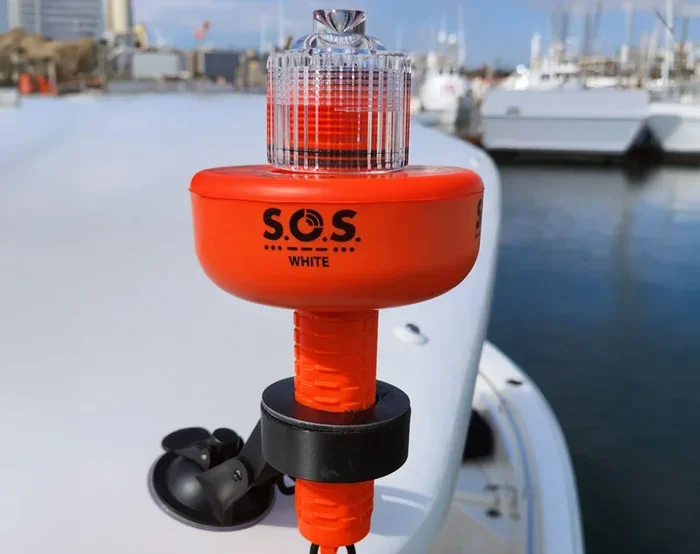
Does SOS Mean Emergency And What It Really Stands For
Does SOS Mean Emergency? The short answer is yes, but the full story is far more interesting than most people think. SOS stands for nothing officially — it is a universal distress signal pattern that has saved countless lives for over a century. In this article, you will learn what SOS really means, where it came from, how it works on modern devices, and why it still matters today.
Does SOS Mean Emergency? The answer is a resounding yes, but the full story behind this iconic signal is far more fascinating than most people realize. Does SOS Mean Emergency is one of the most searched questions online, and for good reason. This three-letter combination has saved countless lives at sea, in the air, and now on the phones we carry every day. In this article, you will discover what SOS really stands for, where it came from, how it works in practice, and why it remains one of the most powerful distress call tools in the world today.
Whether you are a curious learner, a prepper, or someone who just wants to know what that SOS icon on your phone actually does, this guide has you covered. We will walk through the history, the science, and the practical uses of SOS in a way that is easy to understand and fun to read. By the end, you will have a clear picture of what SOS really means and how it connects to emergency response efforts around the globe.
The SOS distress signal is not just a movie trope or a cool symbol on your screen. It is a carefully designed system that has been refined over more than a century of use. From the early days of telegraph communication to modern digital SOS features on smartphones, this signal has proven its worth time and time again. Let us dive into the story and find out everything you need to know.
Key Takeaways
- SOS Does Not Officially Stand for Anything: It is a signal pattern, not an abbreviation for “Save Our Souls” or “Save Our Ship.”
- Adopted Internationally in 1906: SOS became the global standard for distress communication at the International Radiotelegraph Conference in Berlin.
- The Pattern Is Three Dots, Three Dashes, Three Dots: This Morse code sequence is easy to recognize and transmit in any condition.
- Modern Smartphones Include SOS Features: Both iOS and Android devices offer built-in emergency SOS tools that can call for help and share your location.
- SOS and Mayday Are Different Signals: SOS is used for text-based and digital distress, while Mayday is used for voice radio communication.
- SOS Is Still Actively Used Today: From maritime operations to smartphone apps, the SOS distress signal remains a vital part of global emergency response.
- Understanding SOS Can Save Lives: Knowing how to activate SOS on your devices and when to use it is a valuable survival skill for everyone.
📑 Table of Contents
What Does SOS Actually Stand For?
Many people assume that SOS stands for “Save Our Souls” or “Save Our Ship.” While these phrases are easy to remember and make sense, they are not the official meaning. In fact, SOS does not officially stand for anything at all. It is simply a distinctive signal pattern that was chosen for its simplicity and effectiveness in emergency communication.
The Literal Meaning of SOS
The SOS abbreviation is made up of three letters: S, O, and S. In Morse code, these letters translate to three dots, three dashes, and three dots again. This pattern — three dots, three dashes, three dots — is easy to recognize, easy to remember, and easy to transmit. That is exactly why it was chosen as the global standard for distress.
Unlike other emergency alert signals that came before it, SOS was designed to be unmistakable. Even in noisy conditions or poor visibility, a trained operator could pick out the SOS pattern from other messages. This was a huge leap forward for maritime safety and radio communication around the world.
Why People Think It Stands for “Save Our Souls”
The phrase “Save Our Souls” became popular because it fits the letters S-O-S perfectly. Similarly, “Save Our Ship” is another common backronym. A backronym is when you create a phrase that fits an existing abbreviation, rather than the abbreviation being created from the phrase.
These phrases are not wrong in spirit. They capture the essence of what SOS is all about: calling for help when you are in a survival situation. But technically, the International Telecommunication Union (ITU) chose SOS simply because it was a unique and recognizable pattern, not because it spelled out any particular words.
The Real Origin Story
The SOS distress signal was adopted in 1906 at the International Radiotelegraph Conference in Berlin. Before SOS, ships used the older CQD signal, which was the Marconi company’s distress code. But CQD was not universal, and different companies used different signals, which caused confusion during emergencies.
Germany proposed SOS because it was easy to transmit and hard to confuse with other signals. The three-short, three-long, three-short pattern stood out clearly on telegraph and radio communication equipment. By 1908, SOS had become the international standard for maritime signal distress and was recognized by countries around the world.
Quick Tips: Remembering the SOS Pattern
- Think “dot dot dot, dash dash dash, dot dot dot” to recall the rhythm
- Picture three short flashes, three long flashes, three short flashes
- Remember that SOS is just a pattern, not an abbreviation for words
- Use the phrase “Save Our Souls” as a memory aid, even though it is not the official meaning
Common Mistakes: Confusing SOS with Other Signals
- Thinking SOS officially means “Save Our Souls” — it does not
- Assuming SOS and Mayday are the same thing — they are different signals for different contexts
- Believing SOS is only used at sea — it is used in aviation, land, and digital contexts too
- Forgetting that SOS is a pattern, not a word — this is the key to understanding its power
The Fascinating History of SOS
The story of SOS is a story of human tragedy leading to global progress. Before 1906, there was no single, universal distress call that all ships and stations could understand. This lack of standardization cost lives and caused delays in rescue operation efforts across the globe.
How SOS Replaced Older Distress Signals
Before SOS became the norm, ships used a variety of signals to call for help. The CQD signal was used by Marconi wireless operators, but it was not recognized internationally. The French used “Mayday” for voice radio, but that was not standardized for telegraph communication. The need for a universal help signal became painfully clear after several high-profile maritime disasters that exposed the dangers of inconsistent communication.
The SOS abbreviation was proposed as a simple, universal pattern that any operator in the world could recognize, regardless of language or training. This was a revolutionary idea at the time and marked a turning point in international distress signal history.
The Titanic Connection
One of the most famous events in SOS history is the sinking of the Titanic in April 1912. The Titanic’s radio operators sent out distress calls using the older CQD signal, and they also used the new SOS signal. Unfortunately, many ships nearby did not respond in time, and over 1,500 lives were lost.
This tragedy highlighted the importance of a single, universally recognized distress call. After the Titanic disaster, SOS gained even more traction and became the go-to signal for emergency response at sea. The world took notice, and maritime safety regulations were strengthened as a direct result of the lessons learned from that terrible night.
When SOS Became Official
By 1908, SOS was officially adopted as the international standard. The international distress signal was now recognized by nearly every country with a radio communication infrastructure. This was a landmark moment for global safety and cooperation.
Over the decades, SOS expanded beyond maritime use. It became a standard in aviation and eventually made its way into consumer technology. Today, the SOS distress signal is embedded in the fabric of global emergency communication, from satellite messengers to the smartphones in our pockets.
Expert Insight: The Legacy of SOS
Experts in maritime safety often point out that SOS was revolutionary because it removed language barriers. A distress signal that worked the same way in every country, in every language, was a game-changer for rescue operation efforts. That principle still holds true today and continues to guide how we design emergency communication systems.
Does SOS Mean Emergency in Practice? How the Signal Works in Real Situations
Understanding the theory behind SOS is great, but how does it actually work in real-world situations? Let us break down the practical side of this emergency signal and look at how it is used every day.
SOS in Morse Code
The original way SOS was transmitted was through Morse code. In Morse code, each letter is represented by a series of dots (short signals) and dashes (long signals). Here is how the SOS pattern breaks down:
- S = three dots (· · ·)
- O = three dashes (— — —)
- S = three dots (· · ·)
This creates the pattern three dots, three dashes, three dots, which is easy to send and easy to recognize. Even someone who has never seen Morse code before can learn to identify the SOS pattern quickly. That was the whole point of the design — simplicity and clarity in moments of crisis.
SOS on Different Devices
Today, SOS is not just about Morse code. The concept has evolved with technology. Here are some of the ways SOS is used in modern devices and systems:
- Smartphones: Most modern phones have an SOS emergency feature. On iPhones, you press the power button five times to activate Emergency SOS. On Android phones, the process varies by manufacturer but typically involves holding down the power button for several seconds.
- Marine radios: Ships still use SOS on VHF and HF radio channels. The GMDSS (Global Maritime Distress and Safety System) incorporates SOS as a core distress signal.
- Satellite messengers: Devices like Garmin inReach and SPOT use SOS features to send distress signals via satellite to emergency coordinators anywhere on Earth.
- Signal flags: In visual communication, the signal flag for SOS consists of three flags arranged in a specific pattern that represents the three-short, three-long, three-short rhythm.
Quick Tips for Using SOS on Your Phone
Knowing how to activate SOS on your phone can make a real difference in an emergency. Here are some quick tips to help you be prepared:
- Practice finding the SOS feature on your phone before you need it. Do not wait for an emergency to figure it out.
- Set up emergency contacts in your phone settings so that SOS can automatically notify them when you trigger the alert.
- Know your local emergency number. In the US, it is 911. In the EU, it is 112. In many other countries, it varies.
- Keep your phone charged and accessible. A dead phone cannot send an SOS signal or share your emergency location.
- Learn what information your phone shares when you activate SOS, such as your location, medical ID, and contact details.
Common Mistakes When Using SOS
- Activating SOS accidentally and not knowing how to cancel it — this can waste emergency resources and cause unnecessary panic
- Not setting up emergency contacts before you need them — preparation is key
- Assuming SOS works everywhere — satellite-based SOS requires a clear view of the sky for the best results
- Using SOS for non-emergencies — reserve it for genuine distress situations where immediate help is needed
SOS vs Mayday: Understanding Emergency Signals
One question that comes up often is how SOS compares to other emergency signals. The most common comparison is between SOS and Mayday. While both are used to call for help, they serve different purposes and work in different ways. Understanding the difference can help you use the right signal in the right situation.
What Is Mayday?
Mayday is the standard voice radio distress signal used in aviation and maritime communication. It comes from the French phrase “m’aider,” which means “help me.” Mayday is spoken aloud over radio and is used when voice communication is available and the situation requires immediate verbal assistance.
Unlike SOS, which is a visual and electronic signal pattern, Mayday is an audio call. Pilots and ship captains use Mayday when they need immediate help and can speak directly to air traffic control or a coast guard operator. Both signals serve the same ultimate purpose — getting help fast — but they operate in different communication environments.
Key Differences Between SOS and Mayday
Here are the main differences between these two emergency signals:
- Medium: SOS is used in text-based and electronic communication like Morse code and digital signals. Mayday is used in voice radio communication.
- Context: SOS is more common in maritime and digital contexts. Mayday is standard in aviation and voice radio channels.
- Origin: SOS was adopted internationally in 1906 for telegraph communication. Mayday was adopted in 1923 for voice radio.
- Pattern: SOS has a specific three-short, three-long, three-short pattern. Mayday is simply the word “Mayday” repeated three times.
| Feature | SOS | Mayday |
|---|---|---|
| Type of Signal | Visual / Electronic / Morse Code | Voice / Audio |
| Primary Use | Maritime, digital, telegraph | Aviation, voice radio |
| Year Adopted | 1906 | 1923 |
| Pattern | Three dots, three dashes, three dots | Word “Mayday” repeated three times |
| Language | Universal (no language needed) | English (with French origin) |
| Modern Use | Smartphones, satellite devices, marine radio | Aviation radio, maritime voice channels |
When to Use Each Signal
Knowing when to use SOS versus Mayday can be critical in an emergency. If you are on a ship and can speak over radio, use Mayday. If you are sending a text-based distress message or using a digital device, use SOS. In modern smartphones, the SOS feature often combines both approaches — it sends your location digitally (like SOS) and can also connect you to voice emergency services (like Mayday) when needed.
Modern Uses of SOS in Technology
The SOS distress signal has evolved dramatically with technology. What started as a telegraph pattern in 1906 now appears on the devices we carry every day. Let us explore how SOS is used in the modern world and how it continues to protect people in emergency situations.
SOS on Smartphones
Both iOS and Android devices now include built-in SOS emergency features. These features can do things like automatically call local emergency services, send your location to emergency contacts, record video or audio for evidence, and display your medical ID information to first responders.
The digital SOS feature on smartphones has become an essential safety tool. It is especially useful for travelers, hikers, and anyone who may find themselves in an unfamiliar area during an emergency. The beauty of digital SOS is that it works even if you cannot speak or reach a phone operator — the phone can send your location and alert your contacts automatically.
SOS in Aviation and Maritime
In professional aviation and maritime operations, SOS remains a core part of the emergency communication toolkit. The GMDSS (Global Maritime Distress and Safety System) is the international system that governs how ships send and receive distress alerts. It incorporates SOS as a fundamental signal that every crew member must understand.
In aviation, pilots use SOS alongside Mayday and other standardized phrases. The emergency frequency for aviation is 121.5 MHz, and this frequency is monitored by air traffic control and military interceptors around the world. SOS signals sent on this frequency are picked up quickly and routed to the appropriate emergency response teams.
Digital SOS and Social Media
In recent years, the concept of SOS has expanded into the digital and social media space. People use “SOS” in captions and hashtags to draw attention to urgent situations. While this is not a formal distress signal, it shows how the concept of SOS has become part of our global vocabulary and culture.
Apps like WhatsApp and Telegram now include emergency features that allow users to send SOS alerts to trusted contacts with a single gesture. These digital tools carry forward the same spirit as the original SOS signal: getting help to the people who need it as quickly as possible, no matter where they are in the world.
Expert Insight: The Future of SOS
As technology continues to evolve, so does the SOS signal. Experts predict that future SOS systems will use AI-powered location tracking, real-time video sharing, and even drone-based rescue coordination. The core idea remains the same: a simple, universal way to call for help. But the tools we use to send that call are becoming smarter and faster every year, making emergency response more effective than ever before.
Common Myths and Misconceptions About SOS
There are many myths surrounding SOS that can cause confusion and even dangerous misunderstandings. Let us clear up the most common ones so you have accurate, reliable information about this important signal.
Myth 1: SOS Means “Save Our Souls”
This is the most widespread myth about SOS. As we covered earlier, SOS does not officially stand for anything. It was chosen as a signal pattern, not as an abbreviation. “Save Our Souls” is a backronym — a phrase created after the fact to fit the letters S-O-S. While “Save Our Souls” is a nice mnemonic, it is not the true meaning of SOS.
The signal stands for itself: three dots, three dashes, three dots. That is all it ever was and all it ever needs to be. The power of SOS comes from its simplicity, not from any hidden meaning.
Myth 2: SOS Only Works at Sea
Another common misconception is that SOS is only for ships and maritime use. While SOS originated in maritime communication, it is now used in many other contexts. Smartphones, satellite devices, and aviation all use SOS-based distress features regularly.
In fact, the SOS abbreviation has become a universal concept that transcends any single industry or environment. Whether you are on a boat, in a plane, or walking in the mountains, SOS can help you call for emergency response. The signal has truly become a global standard that anyone can use.
Myth 3: SOS Is Outdated
Some people believe that SOS is an old-fashioned signal that has been replaced by modern technology. This is not true. SOS is still actively used today in maritime, aviation, and consumer technology. The GMDSS system relies on SOS as a core distress signal, and smartphone SOS features are among the most widely used emergency tools in the world.
The signal has simply evolved. The pattern remains the same. The technology around it has changed, but the purpose is identical: to get help to people in survival situations as quickly and clearly as possible.
Myth 4: You Need Special Equipment to Send SOS
You do not need a ship, a radio, or any special gear to use SOS. If you have a modern smartphone, you already have access to SOS features. You also do not need to know Morse code. The SOS function on your phone handles everything automatically, from sending your location to contacting emergency services.
For those who do use traditional radio, knowing the Morse code pattern is helpful but not strictly required. Many modern devices convert your SOS trigger into the appropriate digital or radio signal automatically, making it easier than ever to call for help when it matters most.
Conclusion
The SOS distress signal is one of the most important inventions in the history of communication. From its origins in early 20th-century radio to its modern presence on our smartphones, SOS has remained a universal symbol of help and hope for over a century. It has crossed borders, languages, and technologies to become the world’s most recognized way to say “I need help.”
So, does SOS mean emergency? Yes, absolutely. Does SOS Mean Emergency is a question that has a clear and powerful answer: SOS is the world’s most recognized way to call for help in a crisis. It stands for nothing more and nothing less than the urgent need for rescue, and it has saved countless lives since it was first adopted over a century ago.
Understanding what SOS really means — and how to use it — is a valuable piece of knowledge for everyone. Whether you are planning a trip to the coast, hiking in the mountains, or simply want to be better prepared, knowing how SOS works can make all the difference. Take a moment today to set up the SOS features on your phone, share this knowledge with the people you care about, and remember that in an emergency, SOS is always there to help you get the emergency response you need.
The next time you see that SOS icon or hear that distress call, you will know exactly what it means and why it matters. SOS is not just a signal. It is a lifeline that connects people in danger with the help they need, whenever and wherever they need it most.
Frequently Asked Questions
Is SOS an acronym for something specific?
No, SOS does not officially stand for anything. It is a signal pattern chosen for its simplicity and distinctiveness. While many people associate it with “Save Our Souls” or “Save Our Ship,” these are backronyms — phrases created after the fact to fit the letters. The real power of SOS comes from its Morse code pattern of three dots, three dashes, and three dots.
Can I use SOS on my phone even if I am not in immediate danger?
You should only use SOS when you are in a genuine emergency. Accidentally triggering SOS can waste emergency resources and cause unnecessary panic. However, it is a great idea to practice finding and activating the SOS feature on your phone before you ever need it, so you are prepared if a real emergency arises.
What is the difference between SOS and 911?
SOS is a universal distress signal pattern used in maritime, aviation, and digital communication. 911 is a specific emergency phone number used in the United States and some other countries. SOS works globally and across different communication methods, while 911 is a local phone number that connects you to emergency services in specific regions.
Does SOS work internationally?
Yes, SOS works internationally. It is recognized as the global standard for distress communication across all countries and industries. Whether you are on a ship in the Pacific, a plane over Europe, or using a satellite messenger in the mountains, SOS is understood worldwide as a call for help.
Can SOS be used for non-maritime emergencies?
Absolutely. While SOS originated in maritime communication, it is now used in aviation, land-based emergencies, and digital contexts. Your smartphone’s SOS feature, satellite messengers, and aviation radio systems all use SOS-based distress signals to call for help in any situation, not just at sea.
What happens when you trigger SOS on a smartphone?
When you trigger SOS on a smartphone, it typically does several things automatically: it calls your local emergency services, sends your current location to your emergency contacts, and may start recording video or audio. On iPhones, you can also set up Medical ID information that first responders can access from the lock screen. The exact features depend on your phone model and settings.