Did Laptops Exist In 2000 Discover The Surprising Facts
Yes, laptops absolutely existed in 2000 and were already changing how people worked, studied, and stayed connected. The year 2000 marked a turning point in portable computing history, with sleeker designs, faster processors, and growing popularity among everyday users. From Dell to Apple, brands competed to make laptop computers lighter, faster, and more affordable for consumers worldwide.
You might be surprised to learn that laptops existed in 2000 and were already a big part of everyday life. Many people think of laptops as a modern invention, but the truth is that portable computers had been around for decades by the time the year 2000 rolled around. So what were they like? How did people use them? And what made the laptops of that era so different from what we have today?
This article dives deep into the world of laptop computers from the year 2000. We will explore the brands, the technology, the specs, and the cultural impact of portable computing at the turn of the millennium. Whether you are curious about computing history or just want to understand how far technology has come, this guide has everything you need.
The year 2000 was a fascinating time for technology. The dot-com boom was in full swing. The internet was becoming a household staple. And laptop computers were starting to move from corporate offices into homes and classrooms. Let us take a closer look at what the laptop landscape looked like during this pivotal moment in tech history.
Key Takeaways
- Laptops were widely available in 2000: Major brands like Dell, Toshiba, and Apple offered a range of portable computers to consumers.
- Early 2000s laptops were heavier and bulkier: Most models weighed between 5 and 8 pounds, making them less portable than modern devices.
- Windows XP dominated the operating system: It launched in 2001 and quickly became the standard for laptop users around the world.
- Laptop specs were modest by today’s standards: Processors were slower, storage was limited, and screen sizes were small compared to modern laptops.
- Portable computing was growing fast: More people were buying laptops for home use, not just business professionals.
- Internet access was still evolving: Dial-up connections were common, and Wi-Fi was just beginning to emerge in 2000.
- The laptop industry set the stage for modern computing: Innovations from 2000 laid the groundwork for the slim, powerful devices we use today.
📑 Table of Contents
- The Short Answer: Yes, Laptops Absolutely Existed In 2000
- What Were Laptops Like In The Year 2000?
- Popular Laptop Brands And Models Of 2000
- How Did Laptops Compare To Desktops In 2000?
- The Technology Inside 2000 Laptops
- How Laptops Changed Everyday Life In 2000
- The Evolution From 2000 To Today
- Quick Tips: Understanding 2000 Laptop Specs
- Common Mistakes People Make When Thinking About 2000 Laptops
- Expert Insights On 2000 Laptop Technology
- Key Takeaways
- Conclusion
The Short Answer: Yes, Laptops Absolutely Existed In 2000
To put it simply, laptops existed in 2000 and were already well established in the market. By the year 2000, portable computers had been around for nearly two decades. The first portable computers appeared in the late 1970s and early 1980s. By the time 2000 arrived, laptop computers were a mature product category with dozens of brands and thousands of models to choose from.
But do not let the word “mature” fool you. The laptops of 2000 looked and felt very different from the sleek ultrabooks and lightweight notebooks we use today. They were heavier, thicker, and less powerful. But they were also more affordable and more accessible than ever before. Millions of people around the world owned a portable computer in 2000, and that number was growing every year.
How Popular Were Laptops In 2000?
By the year 2000, laptop sales were booming. More households were purchasing portable computers than ever before. The laptop market was expanding rapidly, driven by several key factors:
- Falling prices: Laptops were becoming more affordable for average consumers, not just businesses and professionals.
- Better technology: Processors were getting faster, screens were getting brighter, and battery life was improving steadily.
- Growing internet access: As more people got online, the desire for a portable device that could connect to the web grew stronger.
- Corporate demand: Businesses were equipping employees with notebook computers for work on the go.
- Student demand: Schools and universities were starting to adopt portable computing for educational purposes.
The laptop revolution was well underway by 2000. And it was about to accelerate even further in the years that followed.
What Were Laptops Like In The Year 2000?
If you could time-travel back to 2000 and pick up a laptop computer, you would notice some big differences compared to what you use today. Let us break down the key characteristics of early 2000s laptops.
Size and Weight
One of the most obvious differences was the size and weight. Most laptops in 2000 weighed between 5 and 8 pounds. That is significantly heavier than the ultra-light laptops we have now, which can weigh as little as 2 pounds. The screens were also smaller, typically ranging from 12 to 15 inches diagonally. Today, 15-inch screens are considered standard, but back then, they felt quite large.
The laptop thickness was also much greater. Most models were about an inch thick or more. Compare that to modern laptops, which can be less than half an inch thick, and you can see just how far laptop design has come.
Processing Power
The processors inside 2000-era laptops were modest by today’s standards. Most machines ran on Intel Pentium III or Pentium 4 chips. Clock speeds ranged from about 500 MHz to 1.5 GHz. Today, even budget laptops come with processors that are dozens of times faster.
But here is the thing. For the tasks people needed to do in 2000, those processors were more than enough. Word processing, basic web browsing, email, and simple games all ran smoothly on early 2000s laptop processors. The demands on computing power were much lower back then.
Storage and Memory
Storage capacity was limited in 2000 laptops. Most machines came with hard drives ranging from 10 GB to 40 GB. Today, even entry-level laptops start with 256 GB or more. That is a massive difference.
RAM was also quite limited. Most laptops of 2000 shipped with 128 MB to 256 MB of memory. Modern laptops typically start with 8 GB or 16 GB. That is 64 to 128 times more memory than what was standard in 2000.
Display Quality
Screen resolution and quality were basic by today’s standards. Most laptop displays in 2000 offered resolutions of 800×600 or 1024×768 pixels. Colors were decent but not vibrant. Glossy screens were not yet common, and most laptops used matte displays with lower brightness levels.
Battery Life
Battery life was one of the biggest limitations of 2000-era portable computers. Most laptop batteries lasted only 1.5 to 3 hours on a single charge. Today, many laptops can run for 8 to 15 hours on a single charge. This made true mobility more challenging back then. Users often had to keep their laptop computers plugged in to get through a full day of work.
Popular Laptop Brands And Models Of 2000
The laptop market in 2000 was filled with well-known brands that are still around today. Let us look at some of the most popular laptop brands and models from that era.
Dell
Dell was one of the dominant forces in the laptop industry during 2000. The company was known for offering affordable, customizable laptops that appealed to both businesses and home users. Dell’s Latitude and Inspiron lines were especially popular. Customers could build their own Dell laptop configurations online, choosing the processor, memory, storage, and display that fit their needs and budget.
Apple
Apple was also a major player in the portable computing market. The iBook series was Apple’s consumer-facing laptop line in 2000. These machines featured colorful translucent shells and offered a distinctive alternative to the typical black or gray Windows laptops of the era. Apple’s PowerBook line catered to professionals who needed more power and features.
Toshiba
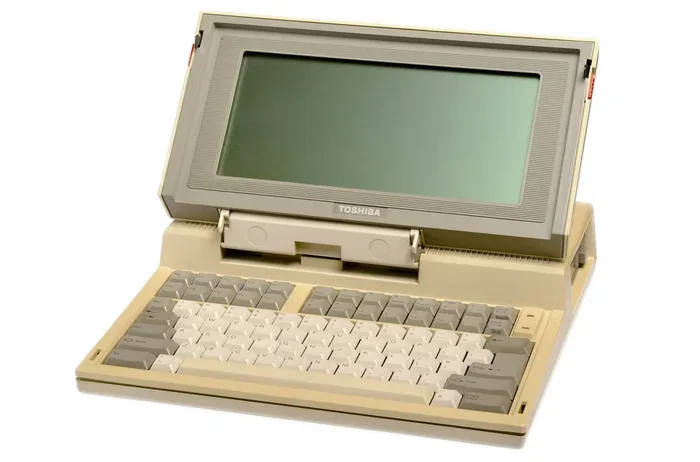
Toshiba had a strong reputation for building reliable notebook computers. The company’s Satellite line was one of the best-selling laptop series of the late 1990s and early 2000s. Toshiba laptops were known for their solid build quality and competitive pricing.
HP (Hewlett-Packard)
HP offered a wide range of laptop models in 2000, from budget-friendly options to more powerful business machines. The HP Pavilion line was popular among home users, while the HP Omnibook series served professionals who needed dependable portable computers.
IBM
IBM was a legend in the laptop world during this period. The ThinkPad line was synonymous with durability and professional quality. IBM ThinkPads were favored by business users and IT professionals for their excellent keyboards, robust build, and reliable performance.
How Did Laptops Compare To Desktops In 2000?
In 2000, the debate between laptop vs desktop was very much alive. Let us compare the two to understand where laptops stood in the computing landscape of that time.
Performance
Desktop computers generally outperformed laptops of the same era. Desktop processors were faster, and desktops had more room for better cooling systems. This meant desktops could handle demanding tasks more easily. For most everyday users, though, the performance gap was not a dealbreaker.
Price
Desktops were still cheaper than laptops in 2000. You could get a decent desktop computer for a fraction of the price of an equivalent laptop. This price difference was one reason why many households still preferred desktops for their primary computing needs.
Portability
This is where laptops won hands down. The entire point of a portable computer was mobility. You could take your laptop to class, to a coffee shop, or on a business trip. Desktops were stationary by design. For users who needed to work or study on the go, a laptop was the clear choice.
Screen and Keyboard Size
Desktops had the advantage here. Full-size monitors and full-size keyboards offered a more comfortable and productive experience. Laptop screens were smaller, and the built-in keyboards were cramped compared to separate desktop keyboards. Many laptop users in 2000 still connected to external monitors and keyboards when working at a fixed location.
The Bottom Line
In 2000, desktops were still the primary choice for most home users. But laptops were gaining ground fast. The convenience of portability was winning over more and more consumers every year. By the mid-2000s, laptops would begin to outsell desktops, marking a major shift in how people thought about computing.
The Technology Inside 2000 Laptops
Let us take a closer look at the technology components that powered laptops in the year 2000. Understanding the hardware helps us appreciate just how far laptop technology has advanced.
Processors
The most common processors in 2000 laptops were Intel Pentium III and Pentium 4 chips. AMD also had a presence with its Athlon processor. These processors ran at speeds between 500 MHz and 1.5 GHz. They handled everyday tasks well but struggled with demanding applications like video editing or 3D gaming.
Operating Systems
In 2000, most laptops ran Windows 98 or Windows ME. Windows 98 was the dominant operating system for consumer laptop computers. Windows ME (Millennium Edition) was released in September 2000 and offered some improvements but was not widely adopted. Windows 2000 was more common in business environments. Windows XP, which would become a massive hit, was not released until October 2001.
Storage
Hard drives in 2000 laptops were small by today’s standards. Most ranged from 10 GB to 40 GB. Some higher-end models offered 60 GB or more. These drives spun at 4200 RPM or 5400 RPM, which was slower than the 7200 RPM drives common in desktops.
Optical Drives
Most laptops in 2000 came with CD-ROM drives. CD-RW drives, which could write and rewrite CDs, were becoming more common but were still a premium feature. DVD drives were available on some models but were not yet standard. USB ports were present but often limited in number. FireWire ports were found on some Apple laptops and a few Windows models.
Connectivity
Internet connectivity in 2000 was primarily through dial-up modems. Most laptops came with built-in 56K modems. Ethernet ports were standard for wired connections. Wi-Fi was just emerging. The IEEE 802.11b standard, which offered speeds up to 11 Mbps, was introduced in 2000 but was not yet widely adopted. Bluetooth was essentially nonexistent in consumer laptops at this time.
Graphics
Graphics capabilities were basic in most 2000-era laptops. Integrated graphics chips handled everyday tasks like web browsing and document editing. Some higher-end models featured dedicated graphics cards from ATI or NVIDIA, but these were reserved for gaming or professional applications that required extra graphical power.
How Laptops Changed Everyday Life In 2000
The impact of laptop computers on daily life in 2000 was significant and far-reaching. These machines were reshaping how people worked, learned, and communicated.
Work and Productivity
For professionals, laptops in 2000 meant freedom. You could take your work home, travel with your files, and present to clients without being tied to a desk. The notebook computer became an essential tool for business people, consultants, and sales representatives who were constantly on the move.
Education
Schools and universities were beginning to embrace portable computing in 2000. Some institutions started laptop programs where students were required or encouraged to own a laptop computer. This allowed students to take notes, write papers, and access online research resources from anywhere on campus.
Home Use
At home, laptops offered families a second computer or a shared device. Parents could check email in the living room. Kids could do homework at the kitchen table. The portable computer brought flexibility to household computing that desktops simply could not match.
Entertainment
Entertainment on 2000 laptops was limited but growing. Users could listen to music, watch basic videos, and play simple games. The screens were too small and the graphics too basic for immersive gaming or movie watching. But the foundation for future entertainment capabilities was being laid.
The Evolution From 2000 To Today
The journey from 2000 laptops to today’s machines is remarkable. Let us trace the key milestones in laptop evolution over the past two decades.
Thinner and Lighter
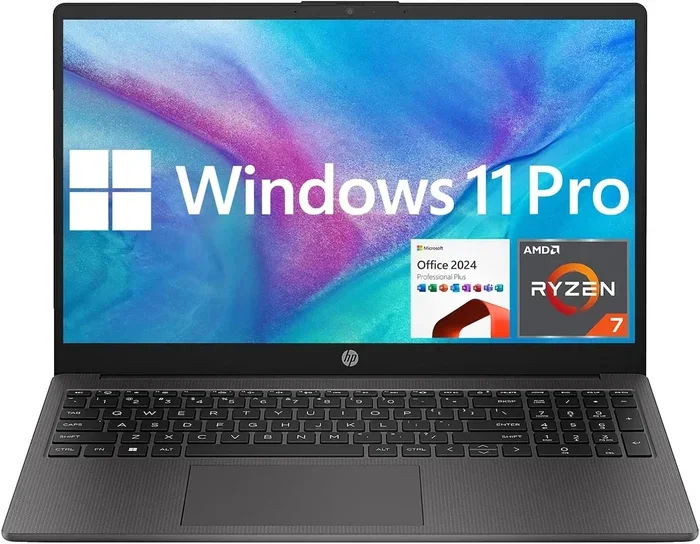
The most visible change has been in size and weight. Laptop computers have gone from 5-8 pound bricks to 2-3 pound ultrabooks and even lighter devices. Advances in materials, like magnesium alloys and carbon fiber, made this possible. Display technology also improved dramatically, with brighter, sharper, and thinner screens.
Faster and More Powerful
Processor technology has advanced by leaps and bounds. Today’s laptop processors are vastly more powerful than anything available in 2000. Multicore designs, improved architectures, and better manufacturing processes have made modern laptops capable of handling tasks that would have been impossible two decades ago.
Better Battery Life
Battery technology has improved significantly. Modern laptops can last 10 hours or more on a single charge. This was unthinkable in 2000 when most machines struggled to last 2 hours. Better batteries have made true all-day mobility a reality.
Wireless Connectivity
Wi-Fi has transformed how we use laptop computers. What was a rare and emerging feature in 2000 is now absolutely standard. Bluetooth, 4G, and now 5G connectivity have made laptops truly wireless devices that can connect to the internet almost anywhere in the world.
Storage Revolution
Solid-state drives (SSDs) have replaced traditional hard drives in most modern laptops. SSDs are faster, more reliable, and more power-efficient. Storage capacities have also grown enormously. A 512 GB or 1 TB SSD is now standard, compared to the 10-40 GB drives of 2000.
The Rise of the Modern Ultrabook
The ultrabook concept, introduced by Intel in 2011, represents the pinnacle of laptop design evolution. These machines combine thin profiles, light weight, long battery life, and powerful performance. They are the direct descendants of the laptops from 2000, refined and improved through two decades of innovation.
Quick Tips: Understanding 2000 Laptop Specs
Here are some practical tips to help you understand and compare laptop specifications from the year 2000:
- Look for the processor model and speed: Pentium III and Pentium 4 were the most common. Speeds between 800 MHz and 1.5 GHz were typical.
- Check the RAM: 128 MB to 256 MB was standard. More RAM meant better multitasking.
- Consider the hard drive size: 10 GB to 40 GB was typical. Larger drives cost more.
- Examine the screen size: 12 to 15 inches was the range. Larger screens meant heavier laptops.
- Look for CD-RW or DVD drives: These were premium features that added convenience for burning discs or watching movies.
- Check for wireless capability: Wi-Fi was just emerging in 2000. Most laptops still relied on wired connections.
Common Mistakes People Make When Thinking About 2000 Laptops
Here are some misconceptions to avoid when researching laptops from the year 2000:
- Assuming they were all slow and useless: While specs were modest, 2000 laptops handled everyday tasks perfectly well for their time.
- Thinking Wi-Fi was standard: Most laptops in 2000 did not have Wi-Fi built in. Wireless networking was still in its early stages.
- Believing laptops were only for business: By 2000, home users and students were a huge part of the laptop market.
- Underestimating the weight issue: Carrying a 6-8 pound laptop around all day was tiring. Portability was relative.
- Ignoring the software limitations: Programs in 2000 were designed for lower specs. Modern software would struggle on these machines.
Expert Insights On 2000 Laptop Technology
Technology historians and industry experts agree that 2000 was a pivotal year for portable computing. The laptop market was transitioning from a niche business tool to a mainstream consumer product. Several trends were converging to drive this shift.
Industry analysts point to three key factors that made 2000 a turning point. First, processor prices were dropping, making faster laptop computers more affordable. Second, the dot-com boom was creating massive demand for internet-connected devices. Third, laptop design was improving rapidly, making machines more appealing to a wider audience.
Tech reviewers from that era often noted that while 2000 laptops were not perfect, they represented excellent value for the price. The balance between portability and performance was finally reaching a point where everyday consumers could benefit from owning a portable computer.
Design experts also highlight the cultural impact of laptops in 2000. The sight of someone working on a laptop in a cafe or on a park bench was becoming commonplace. This visual shift signaled that portable computing was no longer just for tech enthusiasts or corporate executives. It was for everyone.
Key Takeaways
- Laptops were widely available in 2000: Major brands like Dell, Toshiba, and Apple offered a range of portable computers to consumers.
- Early 2000s laptops were heavier and bulkier: Most models weighed between 5 and 8 pounds, making them less portable than modern devices.
- Windows XP dominated the operating system: It launched in 2001 and quickly became the standard for laptop users around the world.
- Laptop specs were modest by today’s standards: Processors were slower, storage was limited, and screen sizes were small compared to modern laptops.
- Portable computing was growing fast: More people were buying laptops for home use, not just business professionals.
- Internet access was still evolving: Dial-up connections were common, and Wi-Fi was just beginning to emerge in 2000.
- The laptop industry set the stage for modern computing: Innovations from 2000 laid the groundwork for the slim, powerful devices we use today.
Conclusion
The answer to the question did laptops exist in 2000 is a resounding yes. Laptops were not only present in the year 2000, they were already transforming how people work, learn, and communicate. From bulky, heavy machines with modest specs to the sleek, powerful devices we rely on today, portable computers have come an incredibly long way.
The laptops of 2000 may look primitive compared to what we have now, but they were cutting-edge technology at the time. They gave people the freedom to compute anywhere. They brought the internet into coffee shops, classrooms, and boardrooms. And they set the stage for the laptop revolution that would define the next two decades.
Understanding the history of laptop computers helps us appreciate how far we have come. Every lightweight ultrabook, every long-lasting battery, every brilliant display we enjoy today is built on the foundation laid by the early 2000s laptop pioneers. So the next time you open your laptop, take a moment to appreciate the incredible journey that portable computing has taken since the year 2000.
The story of laptops in 2000 is a story of progress, innovation, and the human desire to stay connected and productive no matter where we are. That story is far from over. It continues to evolve every day, and the best is yet to come.
Frequently Asked Questions
Were laptops common in 2000?
Yes, laptops were becoming increasingly common in 2000. While desktops were still the primary choice for most households, laptop sales were growing rapidly. More families, students, and professionals were purchasing portable computers than ever before.
What operating system did laptops run in 2000?
Most laptops in 2000 ran Windows 98 or Windows ME. Windows 98 was the dominant operating system for consumer laptop computers. Windows XP, which became hugely popular, was not released until October 2001.
How much did a laptop cost in 2000?
Laptop prices in 2000 varied widely based on specs and brand. Budget models could be found for around $500 to $800, while mid-range laptops typically cost $800 to $1,500. High-end models with better processors and features could exceed $2,000.
Could you browse the internet on a laptop in 2000?
Yes, you could browse the internet on a laptop in 2000. Most connections were through dial-up modems, which were slow by today’s standards. Some laptops started featuring Ethernet ports for faster wired connections, and Wi-Fi was just beginning to emerge.
What was the average weight of a laptop in 2000?
The average laptop in 2000 weighed between 5 and 8 pounds. This was significantly heavier than modern laptops, which can weigh as little as 2 pounds. The weight made carrying a laptop around all day somewhat tiring.
How has laptop technology changed since 2000?
Laptop technology has improved dramatically since 2000. Processors are vastly faster, storage capacities have increased enormously, batteries last much longer, screens are brighter and sharper, and wireless connectivity is now standard. Laptops have also become much thinner and lighter over the past two decades.