How Can I Block A Cell Phone Signal For Good Right Now
Blocking a cell phone signal is easier than most people think, and this guide walks you through every method available today. Whether you want peace at home, protection from tracking, or quiet during important meetings, blocking a cell phone signal gives you control. We cover legal options, DIY tricks, and professional devices that actually work. Read on to find the best solution for your specific needs.
Have you ever been in a meeting, trying to sleep, or just craving some quiet time when your phone won’t stop buzzing? The constant ping of notifications can feel overwhelming. If you have ever wondered how can I block a cell phone signal, you are not alone. Millions of people search for this every month because they need a break from the constant noise of mobile devices.
Blocking a cell phone signal might sound like something from a spy movie, but it is very real and very accessible today. You have options ranging from simple DIY tricks to professional-grade signal jammer devices. This guide covers everything you need to know. We will look at how cell signals work, what methods actually work, and what the legal risks are.
By the end of this article, you will know exactly how to create a cell signal dead zone in your home, office, or car. You will also understand which methods are safe and legal. Let us dive in and explore all the ways you can take back control of your space.
Key Takeaways
- Multiple methods exist: From signal jammers to Faraday cages, you have several options to block a cell phone signal effectively.
- Legal risks are real: Using illegal jamming devices can result in heavy fines, so always check local laws first.
- DIY solutions work: Simple household items like aluminum foil or signal-blocking paint can reduce cell reception in small areas.
- Signal jammers vary in range: Personal jammers cover a few meters, while high-powered units can block signals across entire buildings.
- Knowledge is power: Understanding how cell signals work helps you choose the right blocking method for your situation.
📑 Table of Contents
How Cell Phone Signals Work
Before you try to block anything, it helps to understand what you are dealing with. Cell phones communicate with nearby cell towers using radio frequency signals. Your phone sends and receives signals in specific frequency bands. These bands are assigned by government regulators in each country.
When you make a call or send a text, your phone converts your voice into a radio wave. That wave travels through the air to the nearest cell tower. The tower then routes your call to its destination. This entire process happens in milliseconds.
The Frequency Bands You Need to Know
Cell phones use several different frequency bands. The most common ones include 700 MHz, 850 MHz, 1900 MHz, and AWS bands. Each band serves a different purpose. Some bands carry voice calls, while others handle data and internet connections.
A signal jammer works by broadcasting noise on the same frequencies your phone uses. When the jammer is active, your phone cannot distinguish the tower signal from the jamming noise. The result is a complete loss of service. This is the basic principle behind all cell phone signal blocking methods.
Different devices target different frequency ranges. Some jammers cover only cellular bands, while others also block GPS signals, Wi-Fi, and Bluetooth. Understanding these differences helps you choose the right tool for your needs.
Legal Considerations Before Blocking Any Signal
This is the most important section of this article. Before you try any method to block a cell phone signal, you need to understand the legal landscape. The rules vary by country, state, and even city.
In the United States, the Federal Communications Commission (FCC) strictly regulates signal jamming. It is illegal to sell, advertise, or use a cell phone jammer in most situations. The FCC can impose fines of up to $100,000 for violations. In some cases, repeat offenders can face even steeper penalties.
Where the Law Allows Signal Blocking
There are a few exceptions where signal blocking is permitted. Government agencies and military organizations can use jammers for security purposes. Some private venues, like prisons and certain government facilities, have special licenses to block signals on their property.
In many countries, you can block signals on your own private property without legal consequences. For example, if you own a movie theater or a restaurant, you may be allowed to install a signal suppression system. However, the rules are not always clear, and enforcement varies widely.
Always check your local laws before attempting any signal blocking. Ignorance of the law is not a valid defense. If you are unsure, consult a legal expert who specializes in telecommunications law.
Penalties for Illegal Jamming
The penalties for illegal signal jamming can be severe. In the US, the FCC has the authority to fine individuals and businesses. They can also seize any jamming equipment they find. In other countries, the penalties can include criminal charges and even jail time.
Beyond legal penalties, illegal jamming can cause real harm. It can disrupt emergency calls, including 911 calls. This is why regulators take this issue so seriously. Even if your intentions are good, blocking a cell phone signal illegally can put lives at risk.
Methods To Block A Cell Phone Signal
Now that you understand the basics and the legal risks, let us explore the actual methods you can use. Each method has its own advantages and limitations. Some work for small areas, while others cover large spaces.
Using a Signal Jammer Device
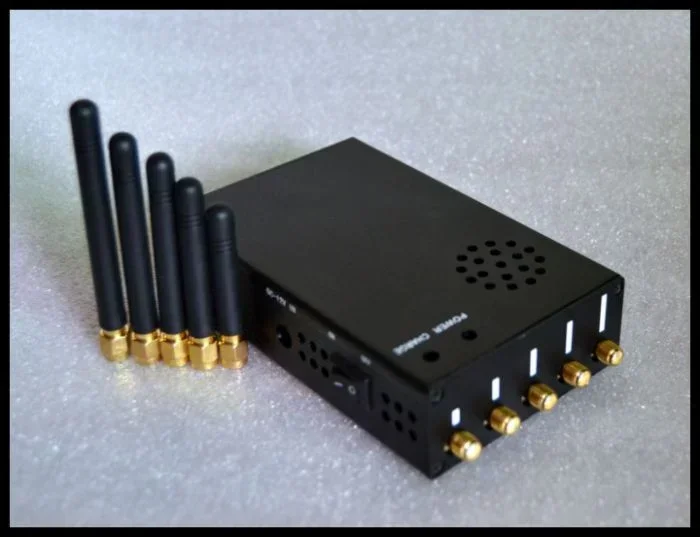
A signal jammer device is the most direct way to block a cell phone signal. These devices broadcast interference on the same frequencies that cell phones use. When the jammer is turned on, phones within range lose their connection to the network.
Signal jammers come in different sizes and power levels. Portable jammers can block signals within a radius of 5 to 30 meters. Desktop models can cover larger areas, sometimes up to 100 meters or more. Some advanced jammers can block multiple frequency bands at once, including cellular, Wi-Fi, and GPS.
When choosing a jammer, consider the following factors:
- Coverage area: How large of a space do you need to block?
- Frequency bands: Do you need to block only cellular signals, or also GPS and Wi-Fi?
- Power source: Does it run on battery, USB, or wall outlet?
- Portability: Do you need a device you can carry with you?
- Price: Jammers range from $30 to over $1,000 depending on features.
Keep in mind that using a jammer in public spaces is illegal in most places. Even on your own property, you must be careful not to interfere with neighboring networks. A good practice is to test your jammer in a controlled environment first.
Building a Cell Signal Dead Zone
A cell signal dead zone is an area where cell phone signals cannot reach. You can create one in your home or office using simple materials. This method is legal in most jurisdictions because you are not actively transmitting interference. Instead, you are blocking signals from reaching your space.
The most common way to create a dead zone is by using a Faraday cage. A Faraday cage is a structure made of conductive material that blocks electromagnetic fields. When cell signals hit the cage, they are absorbed and redirected away from the interior.
You can build a basic Faraday cage using common materials. Line a room or a closet with aluminum foil. Cover the walls, ceiling, and floor completely. Make sure there are no gaps. Even small openings can let signals through. Some people use signal-blocking fabric or RF shielding paint for a more permanent solution.
This method works well for bedrooms, home offices, or small rooms. It is completely passive, meaning it does not emit any signals. For this reason, it is legal in most places. The downside is that it requires significant effort and materials to cover a large area.
Faraday Cage Solutions
Faraday cages range from simple DIY projects to professional-grade enclosures. At the basic level, you can wrap your phone in aluminum foil to block its signal completely. This is a quick test you can do at home to see if the concept works for you.
For a more permanent solution, you can purchase Faraday bags or signal-blocking pouches. These are commercially available and designed specifically to block electromagnetic signals. They work well for individual phones and are completely legal to own and use.
For larger spaces, you can install RF shielding paint on the walls. This paint contains metallic particles that reflect and absorb radio frequency signals. One coat can reduce signal strength significantly. Two or three coats provide even better coverage. Some brands also offer signal-blocking wallpaper that works on the same principle.
Professional-grade Faraday rooms are used in laboratories, government facilities, and corporate offices. These rooms are built from specialized conductive materials and can block nearly all external signals. They are expensive but extremely effective for creating a complete cell signal dead zone.
DIY Signal Blocking Techniques
If you do not want to invest in expensive equipment, there are several DIY methods you can try. These techniques use everyday household items to reduce or eliminate cell phone signals in a specific area.
The Aluminum Foil Method
Wrapping your phone in aluminum foil is the simplest way to block its signal. The foil creates a basic Faraday cage around the device. All incoming and outgoing signals are blocked. This method works immediately and costs nothing.
You can also line a small box or container with aluminum foil to create a signal-blocking chamber. Place your phone inside, and close the lid. The signal will drop to zero within seconds. This is a great way to test the concept before investing in more advanced solutions.
Signal-Blocking Paint
RF shielding paint is a more elegant solution for blocking signals in a room. You paint the walls with this special paint, and it creates a conductive surface that blocks electromagnetic waves. The paint is invisible once dry and does not change the appearance of your room.
Apply two to three coats for best results. You can also ground the painted surface for even better performance. Some brands include a grounding wire that you connect to a metal rod driven into the ground. This improves the paint’s ability to absorb and redirect signals.
Signal-blocking paint works on all common cell phone frequencies. It also blocks Wi-Fi and Bluetooth signals, which can be a bonus or a drawback depending on your needs. If you still want Wi-Fi but not cell signals, you may need to use a different approach for the Wi-Fi frequencies.
Window Films and Curtains
Cell signals can enter your home through windows. Signal-blocking window film can reduce this entry point significantly. The film contains a thin metallic layer that reflects radio frequency signals away from your home.
You can also use heavy curtains made from conductive fabric. These curtains block signals from entering through windows. Combined with signal-blocking paint on the walls, they can create a very effective mobile phone disruption zone in a room.
Common Mistakes People Make When Blocking Signals
Even with the best intentions, many people make mistakes when trying to block cell phone signals. Avoiding these common errors can save you time, money, and legal trouble.
Ignoring the Law
The biggest mistake is ignoring the legal implications. Many people buy signal jammers online without checking if they are legal in their area. They assume that because the product is for sale, it must be legal. This is not the case in most countries.
Always research your local regulations before purchasing or using any network blocker. The consequences of illegal jamming can be severe, including heavy fines and criminal charges. Do not let a moment of frustration lead to serious legal problems.
Underestimating Signal Strength
Another common mistake is underestimating how strong nearby cell signals are. If you live close to a cell tower, the signal in your area is very strong. A weak jammer or a simple DIY solution may not be enough to overcome this.
Before choosing a blocking method, check the signal strength in your area. You can use a free signal strength app on your phone to get an idea of how strong the signal is. If the signal is very strong, you may need a more powerful solution or a combination of methods.
Forgetting About Emergency Calls
Blocking a cell phone signal also blocks emergency calls. If someone in your home or office needs to call 911, they will not be able to reach help. This is a serious safety concern that many people overlook.
If you create a cell signal dead zone in your home, make sure everyone knows about it. Consider keeping one phone in a Faraday bag near the entrance so it can still receive emergency calls when brought outside the blocked area.
Using the Wrong Frequency
Not all jammers block all frequencies. Some jammers only cover specific bands. If you buy a jammer that does not cover the frequencies used by your local carriers, it will not work.
Before purchasing a jammer, find out which frequency bands your carriers use. You can usually find this information on the carrier’s website or by contacting their customer service. Make sure the jammer you choose covers those specific bands.
Expert Tips For Effective Signal Blocking
Getting the best results from your signal blocking efforts requires some planning and preparation. These expert tips will help you achieve the best possible outcome.
Test Before You Commit
Before investing in expensive equipment, test your chosen method on a small scale. Wrap a phone in aluminum foil and see if the signal drops. Place a phone in a Faraday bag and check the result. These simple tests give you a baseline for what to expect.
Combine Multiple Methods
For the best results, combine multiple blocking methods. Use signal-blocking paint on the walls, window film on the windows, and a Faraday bag for individual devices. The more layers of protection you use, the more effective your phone signal shield will be.
Keep Your Devices Updated
Cell phone technology changes rapidly. New frequency bands and technologies are introduced regularly. Make sure your blocking methods are compatible with current technology. An older jammer may not work on newer 5G networks or updated frequency bands.
Consider Your Neighbors
Even if you are blocking signals on your own property, your efforts can affect nearby devices. A powerful jammer can interfere with your neighbors’ phone service. This can cause complaints and potentially legal action.
Use the lowest power necessary to achieve your goal. If you only need to block signals in one room, do not use a device that covers your entire property. Being considerate of others helps you stay on the right side of the law and maintain good relationships with your neighbors.
Comparison Table: Signal Blocking Methods
| Method | Range | Cost | Legality | Best For |
|---|---|---|---|---|
| Signal Jammer Device | 5-100 meters | $30-$1,000+ | Illegal in most places | Targeted, temporary blocking |
| Faraday Cage | Room or building | $50-$500+ | Legal | Permanent dead zones |
| RF Shielding Paint | Walls of a room | $50-$150 per gallon | Legal | Permanent home or office |
| Aluminum Foil | Individual device | Under $10 | Legal | Quick, temporary tests |
| Signal-Blocking Window Film | Windows in a room | $20-$80 per roll | Legal | Reducing signal entry points |
| Faraday Bag | Individual device | $10-$50 | Legal | Portable, single device |
Conclusion
Blocking a cell phone signal is more achievable than most people realize. You have many options available, from simple DIY tricks to professional-grade devices. Whether you want a quiet bedroom, a distraction-free office, or protection from unwanted tracking, there is a solution that fits your needs.
Always remember to consider the legal implications before taking any action. Using a signal jammer illegally can result in serious consequences. Stick to legal methods like Faraday cages, signal-blocking paint, and Faraday bags. These solutions are effective, safe, and completely within your rights as a property owner.
Start small if you are new to this. Test a few methods and see what works best for your situation. Combine different approaches for the best results. With the right strategy, you can create your own cell signal dead zone and enjoy the peace and quiet you deserve.
Take action today. Explore the methods in this guide, choose the ones that work for you, and take control of your cellular environment. You have the knowledge now. All that is left is to put it into practice.
Frequently Asked Questions
Is it legal to block a cell phone signal in my home?
In most countries, you can block signals on your own private property using passive methods like Faraday cages or signal-blocking paint. However, actively using a signal jammer device is illegal in the United States and many other countries. Always check your local laws before attempting any signal blocking.
Can a Faraday cage block 5G signals?
Yes, a properly constructed Faraday cage can block 5G signals. The key is using conductive materials that cover the entire frequency range. Some older Faraday cages may not block the highest 5G frequencies. Look for products specifically rated for 5G coverage to ensure full protection.
How much does a signal jammer cost?
Signal jammers range in price from around $30 for basic portable models to over $1,000 for high-powered professional units. The price depends on the coverage area, number of frequency bands blocked, and build quality. Keep in mind that purchasing and using jammers may be illegal in your area.
Will blocking cell signals affect Wi-Fi and Bluetooth?
It depends on the method you use. A signal jammer that covers multiple frequency bands can block Wi-Fi and Bluetooth along with cellular signals. Passive methods like Faraday cages and signal-blocking paint also block these signals if they cover the same frequency ranges. If you want to block only cellular signals, choose your method carefully.
Can I block a cell phone signal without a jammer?
Yes, you can block a cell phone signal without a jammer. Passive methods like Faraday cages, signal-blocking paint, aluminum foil, and signal-blocking window film all work without actively transmitting interference. These methods are legal in most places and are a great alternative to active jamming devices.
How do I know if my signal blocking method is working?
The easiest way to test is to place a phone inside or near your blocking setup and check if it has signal bars. If the signal drops to zero or shows no service, your method is working. You can also use a free signal strength app to measure the exact signal level before and after applying your blocking solution.