Can You Use Your Phone In Japan Heres What To Know
Yes, you can use your phone in Japan, but it requires some preparation. Whether you choose a tourist SIM card, an eSIM, or pocket WiFi, staying connected in Japan is easier than ever. This guide covers cell phone coverage Japan, your best options, and practical tips so you never miss a moment.
Planning a trip to Japan and wondering if your phone will work? You are not alone. Can You Use Your Phone In Japan is one of the most searched questions by travelers heading to this incredible country. The good news is that yes, you absolutely can. But how you stay connected depends on a few key choices you need to make before you board your flight.
Japan is a tech-savvy nation with excellent cellular network Japan infrastructure. From bustling Tokyo streets to quiet mountain temples, you can stay Japan connectivity almost everywhere. But the way you get connected is not always straightforward. Different options come with different costs, speeds, and levels of convenience.
This guide breaks down everything you need to know. We will walk through your options, share practical tips, and help you avoid the mistakes that trip up so many travelers. By the end, you will feel confident and ready to use your phone in Japan without any stress.
Key Takeaways
- Most modern phones work in Japan: Your smartphone likely supports the networks used there.
- Multiple connectivity options exist: You can pick from tourist SIM cards, eSIMs, pocket WiFi, and roaming plans.
- Prepaid tourist SIM cards are the most popular choice: They offer great value and easy setup.
- Free WiFi is widely available: But it is not reliable enough to rely on alone.
- Phone etiquette matters in Japan: Following local customs shows respect and avoids awkward moments.
- Avoid common mistakes: Like assuming your current plan works abroad without checking first.
📑 Table of Contents
Can You Use Your Phone In Japan? The Short Answer
The short answer is yes. Can You Use Your Phone In Japan is a question with a very reassuring answer. Most modern smartphones work perfectly fine on Japanese networks. Whether you have an iPhone or an Android device, there is a good chance it is already compatible.
However, compatibility depends on a few technical details. Japan uses specific network bands and technologies. The two main carriers are NTT Docomo and SoftBank. AU by KDDI and Rakuten Mobile also play a role. Most phones sold in North America and Europe support at least one of these networks.
Before you travel, check if your phone is unlocked. An unlocked phone means you can use any SIM card. If your phone is locked to your carrier, you will need to request an unlock first. This small step makes a huge difference when you arrive in Japan.
Also, make sure your phone supports the right frequency bands. Japan primarily uses bands 1, 3, 8, 19, and 21 for 4G LTE. Most newer phones support all of these. If you are unsure, a quick search for your phone model plus “Japan bands” will give you the answer.
Why This Matters Before You Travel
Arriving in Japan without a connectivity plan can be stressful. You need your phone for navigation, translation, and staying in touch with loved ones. Japan travel tips always include setting up your phone before you land. Taking care of this ahead of time saves you from scrambling at the airport.
How Cell Phone Coverage Works in Japan
Understanding cell phone coverage Japan helps you set realistic expectations. Japan has one of the best mobile networks in the world. Coverage is excellent in cities, towns, and most tourist areas. You can expect strong signals in Tokyo, Osaka, Kyoto, and Sapporo.
But coverage is not perfect everywhere. Rural mountain areas and some remote islands may have weaker signals. Train tunnels and underground stations can also cause temporary drops. Inside old wooden buildings, you might notice a weaker connection too.
The four main carriers in Japan are:
- NTT Docomo — The largest carrier with the widest coverage.
- SoftBank — Strong in cities and popular tourist spots.
- AU by KDDI — Reliable with good rural coverage.
- Rakuten Mobile — The newest player, growing fast with competitive prices.
As a tourist, you do not need to pick a carrier. Prepaid tourist SIM card options work across multiple networks. These SIM cards give you access to the best available signal in your area.
What to Expect in Different Areas
In major cities like Tokyo and Osaka, mobile data Japan speeds are incredibly fast. You can stream videos, make video calls, and use maps without any issues. In suburban areas, speeds remain strong and reliable.
In rural Japan, coverage can vary. Popular tourist regions like Hakone and Nikko have good signals. Less visited mountain villages might have spots with no coverage. Always download offline maps before heading into remote areas.
On the Shinkansen bullet train, you can stay connected for most of the journey. Some train cars have stronger signals than others. Inside tunnels, your phone will reconnect once you exit. This is normal and nothing to worry about.
Your Options for Staying Connected
When it comes to Japan connectivity, you have several solid choices. Each option has its own strengths. Let us break them down so you can pick what works best for your trip.
Option 1: Tourist SIM Card
A tourist SIM card is the most popular choice for visitors to Japan. These prepaid SIM cards are designed specifically for travelers. They offer data plans ranging from a few days to a few weeks.
You can buy a tourist SIM card before your trip online or at the airport upon arrival. Popular providers include Ubigi, Airalo, and Japan-based companies like Sakura Mobile and IIJmio. Prices start around 10 to 15 dollars for a few gigabytes of data.
Most tourist SIM cards are plug-and-play. You insert the SIM into your phone, follow the setup prompts, and you are online. No contracts, no long-term commitments. Just simple, affordable data roaming for your trip.
Quick Tip: Always buy your SIM card from a reputable provider. Check reviews and make sure the plan includes enough data for your needs. Streaming and maps can eat through data quickly.
Option 2: eSIM
An eSIM Japan is a digital SIM that lives inside your phone. You do not need a physical card. Instead, you download a profile and activate it instantly. This is perfect for travelers who want seamless setup.
eSIMs work on most modern smartphones. Newer iPhones (XS and later) and many Android phones support eSIM technology. You can purchase an eSIM plan online before your trip and activate it the moment you land.
The biggest advantage of an eSIM is convenience. No need to find a store or wait in line at the airport. You can set up your international phone plan from the comfort of your couch before departure.
Providers like Airalo, Ubigi, and Holafly offer eSIM plans for Japan. Data packages typically range from 1 GB to 20 GB or more. Prices vary based on the duration and amount of data included.
Option 3: Pocket WiFi
A pocket WiFi Japan device is a portable router that creates a personal WiFi hotspot. You carry it in your bag, and it connects up to 10 devices at once. This is great for families or groups traveling together.
Pocket WiFi devices are available for rental at airports and online. Companies like Ninja WiFi, Galaxy WiFi, and UQ Pocket offer daily rental plans. Expect to pay around 5 to 10 dollars per day.
The downside is one more device to carry and charge. But the benefit is unlimited data on most plans and the ability to connect multiple phones, tablets, and laptops simultaneously.
Quick Tip: If you are traveling with family or a group, a pocket WiFi can save money compared to buying multiple SIM cards.
Option 4: International Roaming
Many carriers now offer international roaming plans that work in Japan. Companies like T-Mobile and Google Fi include free or low-cost roaming in their plans. Check with your current carrier before you travel.
Roaming can be convenient because you do not need to swap SIM cards. But it often comes with limitations. Speeds may be throttled, and data caps can be low. Some plans charge extra for heavy data use.
If you only need your phone for emergencies and light browsing, roaming might be enough. But for heavy users who rely on maps, translation apps, and social media, a dedicated tourist SIM or eSIM is a better choice.
Comparison Table
| Option | Best For | Avg. Cost | Ease of Use |
|---|---|---|---|
| Tourist SIM Card | Solo travelers | $10-$30 | Easy |
| eSIM | Tech-savvy travelers | $5-$25 | Very Easy |
| Pocket WiFi | Groups and families | $5-$10/day | Moderate |
| International Roaming | Light users | Varies | Easiest |
Phone Etiquette and Cultural Tips in Japan
Using your phone in Japan is not just about technology. It is also about respecting local customs. Japan has a unique phone culture that every traveler should understand.
Silence Is Golden
On trains and buses, keep your phone on silent. Talking on the phone in public transit is considered rude. Even whispering a conversation can draw disapproving looks. Use text messages or messaging apps instead.
This is one of the most important phone etiquette Japan rules. Locals appreciate visitors who follow this simple custom. It shows respect for those around you.
Walking and Phone Use
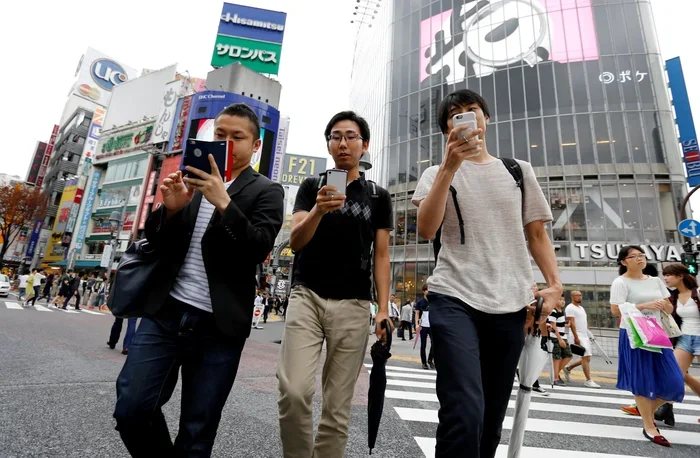
Avoid walking while looking at your phone in busy areas. Tokyo streets and Shibuya crossings are packed with people. Stopping to check your map or send a message is perfectly fine. Just do not walk and scroll at the same time.
At restaurants and shops, keep your phone tucked away. Taking photos of food is generally okay, but ask before photographing people. These small gestures go a long way in showing respect.
Charging and Power
Japan uses Type A and Type B power outlets, same as North America. If you are traveling from the US or Canada, your phone charger works without an adapter. Travelers from Europe or Asia will need a plug adapter.
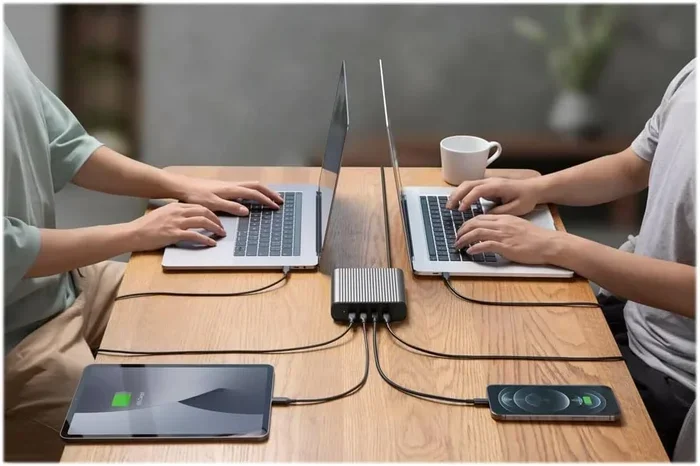
Many cafes, restaurants, and train stations offer charging stations. Some even have wireless charging pads. You can also find Japan travel tips about renting portable chargers at airports if you need a backup.
Common Mistakes Travelers Make With Their Phones in Japan
Even with the best preparation, mistakes happen. Here are the most common errors travelers make when using their phones in Japan.
Assuming Your Current Plan Works Abroad
The biggest mistake is showing up in Japan without checking your plan. Many domestic plans do not include international coverage. Even if they do, roaming charges can be shockingly expensive. Always verify your plan details before departure.
If your current plan does not cover Japan, do not panic. A buy SIM card Japan option is always available. Tourist SIMs are affordable and widely accessible.
Not Downloading Offline Content
Even with a solid data plan, connectivity is not guaranteed everywhere. Download offline maps, translation packs, and important documents before you travel. Apps like Google Maps, Google Translate, and Rome2Rio all offer offline modes.
This simple step saves you from getting lost or struggling to communicate in areas with weak signals. It is one of the best smartphone Japan habits you can build.
Overlooking Data Limits
Some tourist SIM cards and eSIMs have data caps. If you love streaming videos or using GPS navigation heavily, you might run out of data early. Check your plan’s data allowance and adjust your usage accordingly.
To conserve data, connect to WiFi Japan whenever possible. Many hotels, cafes, and convenience stores offer free WiFi. Just be mindful of security when using public networks.
Forgetting to Set Up Before Arrival
Do not wait until you land to figure out your connectivity. Setting up a SIM card or eSIM takes time and sometimes requires a restart. Do this at home or in your hotel room, not at the airport gate.
Common Mistakes like these turn a smooth arrival into a frustrating experience. A little preparation goes a long way.
Final Tips for Using Your Phone in Japan
By now, you have a solid understanding of your options. Here are some final tips to make your experience smooth and enjoyable.
- Prepare before you go. Set up your SIM or eSIM at least a day before departure. Test that it works.
- Carry a backup charger. Long days of sightseeing drain your battery fast. A portable power bank is essential.
- Learn a few Japanese phrases. Even basic words help when you need to ask for WiFi passwords or directions.
- Use messaging apps over calls. WhatsApp, LINE, and WeChat work great for staying in touch without spending on minutes.
- Respect local customs. Keep your phone quiet on transit and avoid using it in temples and shrines.
- Monitor your data usage. Most phones have a data tracker built in. Check it regularly to avoid surprises.
Using your phone in Japan should be a seamless part of your travel experience. With the right preparation and a bit of awareness, you can stay connected, navigate with ease, and share your journey with friends and family back home. Can You Use Your Phone In Japan? Absolutely, and now you know exactly how.
Take the time to choose the right connectivity option for your trip. Whether it is a tourist SIM card, an eSIM Japan, or a pocket WiFi Japan device, each choice keeps you connected in your own way. Enjoy your trip, explore every corner of this beautiful country, and let your phone be your trusty travel companion.
Frequently Asked Questions
Do I need an unlocked phone to use it in Japan?
Yes, an unlocked phone is essential if you plan to use a local SIM card or eSIM. Locked phones are tied to a specific carrier and will not accept foreign SIM cards. Contact your carrier before your trip to request an unlock. Most carriers unlock phones for free after a certain period of ownership.
How much does a tourist SIM card for Japan cost?
Tourist SIM cards typically cost between 10 and 30 dollars depending on the data allowance and duration. A 7-day plan with 5 to 10 GB of data usually falls in the 15 to 20 dollar range. Prices vary by provider, so compare options before purchasing.
Can I use WhatsApp or other messaging apps in Japan?
Yes, WhatsApp, LINE, Facebook Messenger, and similar apps work perfectly in Japan. They use data or WiFi to send messages and make calls. LINE is especially popular in Japan and works well for both local and international communication.
Is free WiFi reliable in Japan?
Free WiFi is available in many cafes, hotels, and train stations. However, it is not always reliable or fast enough for heavy use. Do not depend on free WiFi as your primary connection. Use it as a supplement to a paid data plan or eSIM.
What should I do if my phone does not work in Japan?
If your phone is not compatible with Japanese networks, you can rent a pocket WiFi device or a loaner phone at the airport. These are widely available at Narita, Haneda, Kansai, and other major airports. Alternatively, ask your hotel if they have a device you can borrow.
Are there any phone usage rules I should follow in Japan?
Yes, phone etiquette in Japan is important. Keep your phone on silent in trains, buses, and indoor spaces. Avoid taking calls in public transit. Do not use your phone in temples or during meals at traditional restaurants. These small courtesies are appreciated by locals and make your trip more enjoyable.
=== CONCLUSION ===
Can You Use Your Phone In Japan is a question with a resounding yes. Japan offers excellent cell phone coverage Japan and a wide range of connectivity options to suit every type of traveler. Whether you choose a tourist SIM card, an eSIM Japan, a pocket WiFi Japan device, or stick with your current carrier’s roaming plan, staying connected is easy and affordable.
Understanding phone etiquette Japan customs adds another layer of confidence to your trip. Respect local norms, keep your phone silent on transit, and you will blend right in. Avoid the common pitfalls like assuming your plan works abroad or running out of data unexpectedly.
The key is preparation. A little effort before your trip pays off in seamless Japan connectivity from the moment you land. Download your maps, set up your SIM, and charge your devices. Then sit back and enjoy everything Japan has to offer.
Your phone becomes more than just a device in Japan. It is your map, translator, camera, and lifeline to home. Use it wisely, stay connected, and make every moment of your trip count. Safe travels, and enjoy your time in Japan!