Are There Modular Laptops You Can Actually Customize
Modular laptops let you swap parts, upgrade components, and truly personalize your machine. These customizable laptops are designed to grow with you, save money, and cut down on e-waste. If you have ever wished your upgradeable laptop could last longer and adapt to your needs, modular design is the answer.
Have you ever looked at your laptop and thought, “This could be so much better if only I could change a few things”? Maybe the battery dies too fast. Maybe the ports are all wrong for your setup. Maybe the keyboard feels off, or the screen is just barely good enough.
For years, laptop buyers had one choice. Pick a model. Accept what it comes with. Live with the trade-offs. But that is starting to change fast. Modular laptops are here, and they are shaking up the entire computer industry.
Are there modular laptops you can actually customize? Yes. And they are more real and more available than most people think. In this guide, we will walk through everything you need to know. We will cover what modular laptops are, which ones you can buy right now, how to customize them, and why this trend matters for the future of computing.
Key Takeaways
- Modular laptops exist and are ready to buy: Brands like Framework and others now offer machines built for customization.
- You can upgrade individual parts: Swap out the keyboard, screen, battery, or ports without replacing the whole device.
- They save money over time: Instead of buying a new laptop every few years, you upgrade only what you need.
- Modular design supports sustainability: Repairable laptops reduce e-waste and extend product life.
- Customization is real and practical: From port selection to keyboard layout, you control the build.
- They are not perfect yet: Trade-offs exist in performance, price, and availability.
- The future looks bright: More brands are entering the modular space, driving innovation and competition.
📑 Table of Contents
What Are Modular Laptops?
A modular laptop is a computer built from separate, interchangeable parts. Think of it like building with LEGO blocks. Each major component is its own piece. You can remove it, swap it, or upgrade it without replacing the entire machine.
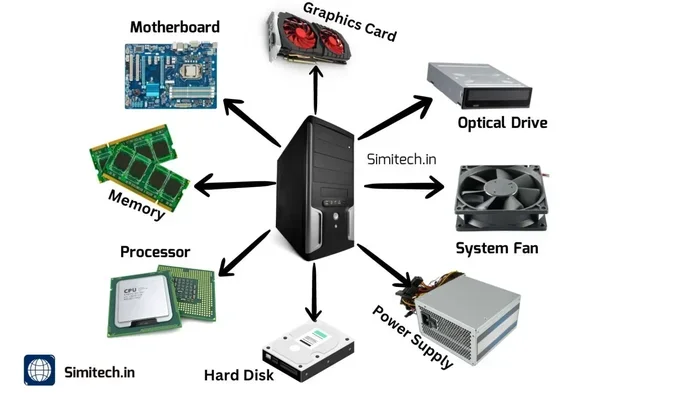
This idea is not brand new. Desktop computers have been modular for decades. You can swap out a graphics card, add more RAM, or change your hard drive anytime. Laptops, though, have always been sealed shut. Most people never opened the back panel. When something broke or slowed down, the answer was almost always “buy a new one.”
How Modular Laptops Differ From Traditional Laptops
Traditional laptops are designed as one solid unit. The motherboard, screen, battery, and keyboard are all glued or screwed together in a way that makes upgrades nearly impossible. You might be able to add RAM or storage in some models, but that is about it.
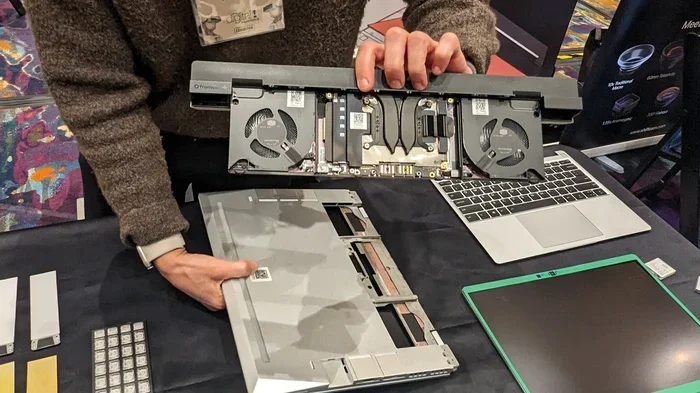
Modular laptops flip this design on its head. Every major part connects through standardized interfaces. The screen clips on. The keyboard snaps in. The battery slides out. You can mix and match parts based on what you need.
Here is a simple comparison:
- Traditional laptop: Sealed design. Limited upgrades. Replace the whole device when it gets old.
- Modular laptop: Open design. Swap individual parts. Keep the same base for years.
The goal is simple. Make laptops last longer, cost less over time, and fit each person’s exact needs.
The Core Idea Behind Laptop Modularity
At its heart, modularity is about giving users control. Instead of letting a manufacturer decide every detail, you get to choose. Want more ports? Swap in a module with extra USB and HDMI slots. Need a better screen for photo editing? Upgrade just the display panel. The keyboard feel annoying? Replace it with a different layout or switch type.
This approach is part of a bigger movement called the right to repair. People want the freedom to fix and modify the devices they own. Modular laptops are the most practical expression of that idea in portable computing.
Why Modular Laptops Are Gaining Popularity
The demand for upgradeable laptops is growing fast. Several trends are pushing this shift. Understanding these forces helps explain why modular design is no longer a niche idea.
E-Waste and Environmental Concerns
Electronic waste is a massive global problem. Millions of laptops end up in landfills every year. Many still work fine. They just get thrown away because one part failed or the device became outdated.
Modular laptops directly address this problem. When a single component breaks, you replace that part. Not the whole machine. When technology advances, you upgrade the module that matters to you. This dramatically extends the life of each device and cuts down on waste.
For environmentally conscious buyers, this is a huge selling point. Sustainable computing is no longer just a buzzword. It is a real reason people are choosing repairable laptops over disposable ones.
Rising Costs of New Laptops
Laptop prices have climbed significantly in recent years. A solid machine can easily cost over a thousand dollars. Replacing one every three to four years adds up fast.
Customizable laptops offer a smarter financial path. You invest in a solid base unit once. Then you upgrade pieces as needed or as budget allows. A new screen module in year two. A better battery in year three. The total cost of ownership drops significantly compared to buying a brand-new laptop each cycle.
The DIY and Maker Culture
There is a growing community of people who love building and customizing their tech. The maker movement has exploded in recent years. People want to tinker. They want to understand how things work. They want to put their own stamp on their tools.
Modular laptops feed directly into this culture. They are not just computers. They are projects. The process of selecting parts, assembling the machine, and tweaking the setup is part of the appeal. This is especially true for students, hobbyists, and tech enthusiasts.
Top Modular Laptops You Can Buy Today
The modular laptop market is still young, but it is growing quickly. Several brands now offer machines you can truly customize. Here are the most notable options available right now.
Framework Laptop
The Framework Laptop is the most well-known name in this space. It was one of the first modern laptops designed from the ground up for modularity. Every major part is user-replaceable. The keyboard, screen, battery, trackpad, and mainboard can all be swapped out.
Framework offers a modular expansion system called the Expansion Card. These small cards snap into the side of the laptop and add features like extra USB ports, HDMI output, or even a dedicated GPU. It is one of the most powerful DIY laptop experiences available today.
The base model starts at a reasonable price point. You can build it up over time with upgrades. This makes it a great choice for people who want a customizable laptop without a massive upfront investment.
Other Brands Exploring Modularity
Framework is not alone. Several other companies are exploring modular laptop design. Some focus on specific parts, like replaceable batteries or upgradeable screens. Others aim for full modularity from the ground up.
Here are a few brands and projects worth watching:
- Dell Concept Luna: A prototype showing how Dell envisions modular design. The laptop uses fewer screws and makes key parts easily accessible.
- Lenovo ThinkPad Modular Concepts: Lenovo has explored modular ideas in its ThinkPad line, focusing on enterprise repairability.
- Fairphone (upcoming laptop): Known for modular phones, Fairphone is expanding into laptops with the same repair-first philosophy.
- Various open-source laptop projects: Community-driven builds that share designs freely and encourage user modification.
While Framework leads the market today, competition is coming. This is good news for buyers. More options mean better prices and more features.
What to Look for When Choosing a Modular Laptop
Not all upgradeable laptops are created equal. When shopping, keep these factors in mind:
- Ease of assembly: Can you swap parts without tools or with just a screwdriver?
- Availability of modules: Are replacement parts and upgrades easy to find and buy?
- Base performance: Does the starting configuration meet your needs, or do you need to upgrade immediately?
- Community and support: Is there an active user community sharing tips, mods, and replacement parts?
- Warranty and repair policy: Does the manufacturer support user repairs and upgrades?
How to Customize Your Modular Laptop
One of the best things about modular laptops is the customization process itself. It is surprisingly straightforward. Most designs are built so that anyone can do it at home.
Swapping Out the Screen
The display is one of the easiest parts to change on most modular laptops. You simply unclip the current panel and snap the new one in. This means you can upgrade from a standard 1080p screen to a higher-resolution panel or even switch between a 16:10 and a 16:9 aspect ratio depending on your work style.
Some users choose a brighter screen for outdoor work. Others prioritize color accuracy for design work. The point is, you pick what suits you. No one else has to settle for the same screen you do.
Upgrading the Keyboard and Input
Keyboard preference is deeply personal. Some people love a soft, quiet typing feel. Others want a tactile, clicky response. With a modular laptop, you can swap the entire keyboard assembly to match your preference.
Beyond the standard keyboard, you can also add specialized input modules. Need a number pad for accounting work? Snap one on. Prefer a trackpoint instead of a trackpad? There are modules for that too. This level of laptop customization is impossible with traditional designs.
Adding Ports and Connectivity
One of the biggest frustrations with modern laptops is the lack of ports. Thinner machines mean fewer connections. With modular design, you can add ports back in.
Expansion cards slide into the side of the laptop and instantly add USB-A, USB-C, HDMI, Ethernet, or even SD card slots. This is incredibly useful for people who connect to projectors, external monitors, or wired networks regularly. You get a portable workstation that also has the connectivity of a desktop.
Battery and Power Customization
Need longer battery life for travel? Swap in a larger battery module. Prefer a lighter machine for daily commuting? Use a smaller, lighter battery and rely on power when you are at your desk.
Modular laptops let you match the power setup to your actual usage pattern. This is a level of flexibility that traditional laptops simply cannot offer.
Quick Tips for Customizing Your Modular Laptop
- Start with the base model and add modules over time. You do not need to buy everything at once.
- Watch teardown videos before your first assembly. Seeing the process helps a lot.
- Keep old parts. They might come in handy later or for a second machine.
- Join online communities for your specific laptop brand. Users share tips, mods, and part sources.
- Check compatibility before ordering new modules. Not all parts work with all generations.
The Pros and Cons of Modular Laptops
Like any technology, modular laptops come with real benefits and real trade-offs. Being honest about both sides helps you make the right decision.
The Advantages
The benefits of upgradeable laptops are clear and compelling:
- Longer lifespan: Your laptop stays relevant for years because you can upgrade individual parts instead of replacing the whole device.
- Lower long-term cost: Upgrading a single module costs far less than buying a new laptop.
- Personalization: The laptop fits your exact needs, preferences, and workflow.
- Repairability: A broken part gets replaced, not the whole machine. This saves money and reduces waste.
- Sustainability: Less e-waste means a smaller environmental footprint.
- Learning experience: You learn how your computer works, which makes troubleshooting easier.
The Trade-Offs
Modular laptops are not perfect yet. Here are the honest downsides:
- Higher upfront cost: The base model of a modular laptop can cost more than a comparable traditional laptop. You are paying for the modular design itself.
- Slight performance trade-offs: Modular connections can introduce small inefficiencies compared to soldered components. This matters less for everyday use but can affect high-end performance.
- Bulk and weight: The modular mechanisms and expansion slots add some weight and thickness compared to ultra-thin traditional laptops.
- Limited availability: The market is still small. Your choices are more limited than with mainstream laptops.
- Evolving ecosystem: Parts and modules are still being developed. Availability can be inconsistent.
Who Should Buy a Modular Laptop?
Modular laptops are ideal for certain types of users. They work best for people who plan to keep their device for several years. They are great for tinkerers, students, developers, and anyone who values repairability and customization.
They may not be the best fit for someone who replaces their laptop every two years or needs the absolute lightest, thinnest machine possible. Understanding your own usage patterns is key to making the right call.
What the Future Holds for Modular Laptop Design
The modular laptop space is still in its early stages. But the trajectory is clear. More brands are entering the market, technology is improving, and consumer demand is growing.
What to Expect in the Next Few Years
Several developments are on the horizon for customizable laptops:
- Better performance: As modular designs mature, the performance gap between modular and traditional laptops will shrink.
- Lower prices: Economies of scale will bring costs down as more manufacturers enter the space.
- More brand participation: Major laptop makers are paying attention. Expect to see modular options from established brands in the near future.
- Standardized components: Industry-wide standards for modular parts will make it easier to mix and match components across brands.
- AI integration: Future modular laptops may include AI acceleration modules that can be swapped out as technology advances.
How Modular Design Fits into the Broader Tech Landscape
Modular laptops are part of a larger shift toward sustainable, user-empowering technology. The same ideas apply to smartphones, tablets, and desktop computers. The trend is toward devices that people keep longer, repair themselves, and customize to their needs.
This movement is not just a trend. It is a response to real problems. E-waste is a crisis. Planned obsolescence frustrates consumers. Modular laptops offer a practical, tangible solution. They prove that you do not have to choose between performance and sustainability.
Expert Insights on the Modular Laptop Movement
Industry analysts see strong potential for modular laptops. “The shift toward user-upgradeable devices is inevitable,” says tech industry commentator Sarah Chen. “Consumers are tired of throwing away expensive electronics every few years. Modular design answers that demand directly.”
Repair advocates point out that repairable laptops also create local jobs. When people fix their own devices or take them to independent repair shops, it supports a different kind of economy. One built on longevity rather than replacement.
From a design perspective, modular laptops push manufacturers to think differently. Instead of designing for the shortest possible lifespan, they must build for durability, accessibility, and flexibility. This raises the bar for the entire industry.
Common Mistakes to Avoid When Buying a Modular Laptop
As exciting as modular laptops are, there are pitfalls to watch out for. Avoiding these mistakes will help you get the best experience.
Assuming All Modular Laptops Are the Same
Not every upgradeable laptop offers the same level of modularity. Some allow you to swap the battery and RAM but keep the motherboard fixed. Others let you replace nearly everything. Be clear about what level of customization you actually need before buying.
Overlooking the Base Configuration
Just because a laptop is modular does not mean you should buy the cheapest base model and upgrade everything later. The base processor and memory still matter. Make sure the starting configuration can handle your core tasks without immediate upgrades.
Ignoring the Ecosystem
Modularity only works when parts are available. Before committing to a brand, check whether replacement modules and upgrades are easy to find. A modular laptop with no available parts is just a traditional laptop in a fancy shell.
Underestimating Assembly Effort
Most modular laptops are designed for easy user assembly. But it still takes time and care. If you are not comfortable with basic tech tinkering, factor in a learning curve. Watch tutorials, read guides, and take your time with the first build.
Forgetting About Software Compatibility
Swapping hardware components can sometimes cause software hiccups. Drivers may need updating. Operating systems may need reconfiguration. These are minor issues, but they are worth being prepared for.
Key Takeaways
- Modular laptops are a real, available technology: Brands like Framework offer machines built from interchangeable, user-replaceable parts.
- Customization is practical and meaningful: You can swap screens, keyboards, batteries, ports, and more to match your exact needs.
- They save money and reduce waste: Upgrading individual parts costs less than replacing an entire laptop and cuts down on e-waste.
- The market is growing fast: More brands are entering the space, which means better options, lower prices, and more innovation.
- They are not for everyone: If you need the absolute lightest, cheapest, or most powerful machine possible, a traditional laptop might still be the better choice.
- The future is modular: As technology improves and consumer demand grows, modular design is poised to become a mainstream option in laptop computing.
Frequently Asked Questions
What exactly is a modular laptop?
A modular laptop is a computer built from separate, interchangeable parts that you can swap out or upgrade yourself. Instead of a sealed unit, each major component connects through standardized interfaces. This lets you customize the laptop to your needs and keep it updated over time without buying a whole new device.
Are modular laptops more expensive than regular laptops?
The upfront cost of a modular laptop is often higher than a comparable traditional model. You are paying for the modular design and the flexibility it provides. However, the long-term cost is usually lower because you upgrade individual parts instead of replacing the entire laptop every few years.
Can anyone customize a modular laptop, or do you need technical skills?
Most modular laptops are designed for easy user assembly. You do not need to be a tech expert. Basic tools like a screwdriver are usually all you need. That said, watching a few teardown or assembly videos before your first build is a smart move. The process is straightforward but does require some patience and care.
What is the Framework Laptop and why is it so popular?
The Framework Laptop is the leading brand in the modular laptop space. It was one of the first modern laptops designed from scratch for user customization. Every major part is replaceable, and the Expansion Card system lets you add ports and features easily. Its popularity comes from delivering real, practical modularity in a sleek, usable package.
Do modular laptops perform as well as traditional laptops?
Modular laptops perform very well for most everyday tasks. There can be small performance differences compared to traditional laptops with soldered components, but these are rarely noticeable for regular use. For demanding tasks like video editing or gaming, check the specific model’s benchmarks to make sure it meets your needs.
Is the modular laptop market growing?
Yes, the modular laptop market is growing steadily. More brands are exploring modular designs, and consumer interest in repairable, sustainable tech is rising. As competition increases, prices should come down and the range of available options will expand. It is an exciting time for this category.
=== CONCLUSION ===
The answer to the question “Are there modular laptops you can actually customize?” is a resounding yes. Modular laptops are real, available, and ready for anyone who wants a more flexible, sustainable, and personalized computing experience.
These machines give you something most laptops never have. Real control. The ability to upgrade what matters to you, swap out what breaks, and build a device that truly fits your life. Whether you are a student, a professional, a maker, or someone who simply hates waste, a customizable laptop deserves a serious look.
The market is still young, and there is room for improvement. But the direction is clear. Modular laptops are not a fad. They are a fundamental shift in how we think about personal computing. And the best time to explore this space is right now, while the ecosystem is growing and the choices are expanding.
If you have been waiting for a laptop that actually works the way you do, it is time to look at modular laptops. Your next computer could be the one you build yourself, piece by piece, to be exactly what you need.