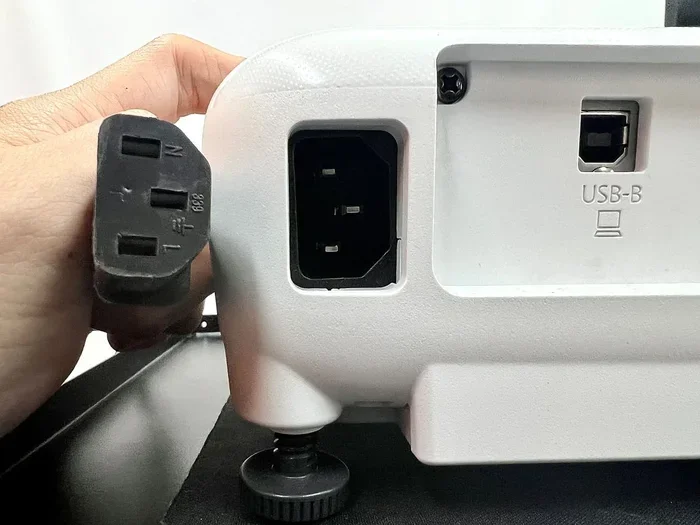
Do All Projectors Need To Be Plugged In All The Time
Not all projectors need to be plugged in all the time. While traditional projectors rely on a wall outlet for power, battery-powered and portable projectors let you enjoy big-screen entertainment anywhere. Understanding your projector’s power needs helps you choose the right model for your home, office, or outdoor setup.
Key Takeaways
- Plug-in projectors offer consistent power and brightness but limit where you can use them.
- Battery-powered projectors provide true portability and freedom from power outlets.
- LED projectors typically consume less energy and have longer lamp life than traditional models.
- Portable projectors are ideal for camping, travel, and outdoor movie nights.
- Power consumption varies based on brightness, resolution, and usage mode.
- Hybrid projectors offer both battery and plug-in options for maximum flexibility.
- Choosing the right power setup depends on your specific use case and needs.
📑 Table of Contents
- Do All Projectors Need To Be Plugged In All The Time?
- Types of Projectors and Their Power Sources
- How Projector Power Consumption Works
- Can You Use a Projector Without Being Plugged In?
- Pros and Cons of Plugged-In vs. Battery Projectors
- Tips for Managing Your Projector Power
- Expert Insights on Projector Power Needs
- Conclusion
Do All Projectors Need To Be Plugged In All The Time?
If you have ever set up a projector, you know that power matters. The question do all projectors need to be plugged in all the time comes up more often than you might think. The short answer is no. Not every projector demands a constant connection to a wall outlet. But the full story is more interesting than that.
Projectors come in many shapes, sizes, and power configurations. Some sit on your desk and need to stay close to an outlet. Others run on rechargeable batteries and let you project anywhere you want. Whether you are setting up a home theater, giving a work presentation, or watching movies under the stars, knowing your power options makes a big difference. This guide breaks down everything you need to know about projector power needs.
Many people assume all projectors work the same way. They think you must always have a power cord nearby. That is not true anymore. Technology has changed a lot in recent years. Battery-powered projectors are now widely available and more affordable than ever. You can even find compact models that fit in your backpack. For more gadget ideas that simplify everyday life, check out 10 Gadgets To Make Moms Life Easier for helpful tech inspiration.
Types of Projectors and Their Power Sources
Understanding the different types of projectors helps you make a smart buying decision. Each type has unique power requirements and use cases. Let us break them down.
Plug-In Projectors
Traditional projectors are the ones most people picture. They have a power cord that connects directly to a wall outlet. These projectors deliver strong performance and reliable image quality. They are common in classrooms, boardrooms, and dedicated home theaters.
Plug-in projectors draw power continuously while in use. Most models consume between 150 and 800 watts depending on brightness and features. Higher brightness models need more electricity. This means your electricity bill may go up if you use your projector often.
The main advantage of plug-in projectors is consistent power. You never have to worry about the battery dying mid-presentation or movie. The image stays bright and clear for as long as you need it. However, you are limited by the length of your power cord and the location of your outlets.
Battery-Powered Projectors
Battery-powered projectors have changed the game. These portable devices let you project without being tied to an outlet. They use built-in rechargeable lithium-ion batteries that last for hours on a single charge.
Most battery-powered projectors offer 1.5 to 3 hours of runtime. Some premium models can last even longer. They are perfect for outdoor movie nights, camping trips, and impromptu presentations. You just charge them up before you go, and you are good to go.
One thing to keep in mind is that battery projectors usually have lower brightness than plug-in models. They work best in dim or dark environments. If you need a projector for a bright room, you might need a plug-in option instead. Also, many modern battery projectors include WiFi connectivity so you can stream content wirelessly. If you are curious about which devices rely on wireless connections, you might want to read about Are All Rings Connected To Wifi for insights on wireless device dependencies.
Hybrid Projectors
Hybrid projectors combine the best of both worlds. They have a rechargeable battery for portability and a power cord for extended use. You can switch between battery and plug-in mode depending on your needs.
These projectors are incredibly versatile. Use battery mode for a backyard movie night. Switch to plug-in mode for a full evening of watching without worrying about battery life. Hybrid models are becoming more popular as technology improves and prices drop.
How Projector Power Consumption Works
Understanding projector power consumption helps you make informed choices. Not all projectors use the same amount of energy. Several factors determine how much electricity your projector needs.
Understanding Wattage
Wattage measures how much power a device uses. Projectors range from around 50 watts for small portable models to over 800 watts for large commercial units. The higher the wattage, the more electricity the projector draws.
Brightness plays a huge role in power consumption. A projector with 3,000 lumens uses more power than one with 1,500 lumens. Resolution matters too. A 4K projector typically consumes more energy than a 1080p model. The light source type also affects power use. LED projectors are generally more energy efficient than lamp-based projectors.
Here is a simple comparison of common projector types and their typical power draw:
- Small portable projectors: 30 to 100 watts
- Mid-range home theater projectors: 150 to 300 watts
- High-brightness business projectors: 300 to 600 watts
- Large venue projectors: 600 to 800+ watts
Energy-Saving Modes and Their Impact
Most modern projectors include energy-saving modes. These modes reduce brightness and lower power consumption. They can cut energy use by 20 to 40 percent. The trade-off is a slightly dimmer image. For casual viewing in a dark room, this is usually not a problem.
Some projectors also have standby modes that use very little power. You can turn the projector off without unplugging it. This saves energy and protects the lamp or LED from wear. Using energy-saving features is a simple way to reduce your projector’s electricity footprint.
LED vs. Lamp vs. Laser Light Sources
The light source inside your projector affects power use and efficiency. LED projectors use the least energy and last the longest. A single LED light source can run for 20,000 to 30,000 hours. Lamp-based projectors need bulb replacements every 2,000 to 5,000 hours. Laser projectors fall in between. They offer excellent brightness and color but use more power than LED models.
For most home users, LED projectors are the best choice. They are energy efficient, cool to the touch, and require very little maintenance. If you want to learn more about LED technology and how it compares to other light sources, search for resources on LED projector advantages.
Can You Use a Projector Without Being Plugged In?
Yes, you absolutely can. Battery-powered projectors make it possible to enjoy a big screen without any cords. This opens up a world of possibilities for entertainment and productivity.
Portable Projectors for Outdoor Use
Outdoor projectors have become incredibly popular. People use them for backyard movie nights, camping trips, and pool parties. A portable projector with a built-in battery lets you set up anywhere there is a flat surface and a dark enough environment.
When choosing an outdoor projector, look for models with good battery life. At least two hours of runtime is ideal for a movie. Also consider brightness. A projector with 500 to 1,000 lumens works well in most outdoor settings after sunset. Some models even include built-in speakers, so you do not need extra audio equipment.
You will need a way to charge the projector while using it for long sessions. Some models support USB-C charging, which means you can use a portable power bank. Others have car chargers for road trips. This flexibility makes outdoor projector use much more practical.
Projector Battery Life: What to Expect
Battery life varies widely among portable projectors. Entry-level models may last 60 to 90 minutes on a full charge. Mid-range battery projectors typically offer 2 to 3 hours. Premium models with larger batteries can run for 4 hours or more.
Brightness settings affect battery life significantly. Running your projector at full brightness drains the battery faster. Lowering the brightness to 50 or 70 percent can double your runtime. For movie watching in a dark room, you do not need maximum brightness anyway.
It is also worth noting that charging times vary. Most battery projectors charge fully in 2 to 4 hours. Some fast-charging models can reach 50 percent in under an hour. Always check the charging specs before buying if you plan to use your projector away from home frequently.
Using a Power Bank with Your Projector
A power bank is a great accessory for portable projectors. It extends your runtime and gives you even more freedom. Look for a power bank with at least 65 watts of output and a capacity of 20,000 mAh or more.
A 20,000 mAh power bank can typically charge a small projector two to three times. This gives you 4 to 8 hours of total runtime depending on the model and brightness settings. Power banks are lightweight and easy to carry in a backpack. They are perfect for camping trips or long outdoor events.
Make sure your projector supports USB-C power delivery. Most modern portable projectors use USB-C for charging. This standard provides fast and reliable power delivery. If your projector uses a proprietary charger, a compatible power bank may be harder to find.
Pros and Cons of Plugged-In vs. Battery Projectors
Both plug-in and battery projectors have strengths and weaknesses. Let us compare them side by side so you can decide which is right for you.
Plug-In Projectors: Pros and Cons
Pros:
- Higher brightness and image quality
- Unlimited runtime while connected to power
- More features and settings available
- Better for large rooms and bright environments
- Generally more affordable than battery models
Cons:
- Tethered to a power outlet
- Higher electricity consumption
- Less portable and harder to set up quickly
- Bulky power cords can be a tripping hazard
- Not ideal for outdoor use without a generator
Battery Projectors: Pros and Cons
Pros:
- True portability and freedom from outlets
- Great for outdoor and travel use
- Lower electricity costs
- Compact and lightweight design
- Easy to set up anywhere
Cons:
- Limited runtime on a single charge
- Lower brightness than plug-in models
- Battery degrades over time and needs replacement
- Higher cost per lumen of brightness
- May not perform well in bright rooms
Tips for Managing Your Projector Power
Whether you use a plug-in or battery projector, smart power management helps you get the most out of your device. Here are some practical tips.
Energy-Saving Tips for Projector Users
Start by using energy-saving modes whenever possible. These modes reduce power draw without significantly affecting image quality in most cases. Turn off your projector when you are not actively using it. Many projectors have auto-off features that save power after a period of inactivity.
Keep your projector clean and well-ventilated. Dust buildup causes the device to work harder and use more energy. Regularly clean the air filters and make sure the vents are not blocked. A clean projector runs cooler and uses less power.
If you use your projector frequently, consider investing in a smart power strip. This lets you cut phantom power to the device when it is off. Some smart strips even detect when your projector enters standby mode and reduce power automatically.
Common Mistakes That Waste Power
One common mistake is leaving the projector on standby instead of turning it off completely. Standby mode still draws power, even if it is a small amount. Over time, this adds up. Another mistake is running the projector at maximum brightness when it is not necessary. In a dark room, you can lower the brightness and save energy while still enjoying a great picture.
Some users forget to update their projector’s firmware. Manufacturers often release updates that improve energy efficiency. Keeping your projector updated ensures it runs at peak efficiency. Finally, do not ignore the power adapter. Using a compatible, high-quality adapter prevents energy waste and protects your projector.
Quick Tips for Extending Projector Battery Life
- Lower the brightness to 50 to 70 percent for longer runtime
- Turn off unnecessary features like smart apps when not in use
- Keep the room cool to prevent the battery from overheating
- Charge the battery fully before each use for best performance
- Store the projector in a cool, dry place when not in use
- Avoid fully draining the battery before recharging
- Use a high-quality power bank for extended outdoor sessions
Expert Insights on Projector Power Needs
Industry experts agree that the future of projectors is moving toward battery power and wireless connectivity. The demand for portable, cordless devices continues to grow. Manufacturers are investing heavily in battery technology and energy-efficient LED light sources.
According to recent market trends, portable projectors are the fastest-growing segment of the projector industry. Consumers want flexibility and convenience. They want to project movies, presentations, and games without being restricted by a power cord. This shift is driving innovation in battery capacity, charging speed, and overall efficiency.
Experts also recommend considering your specific use case before buying. If you primarily use your projector in a dedicated home theater room with easy access to outlets, a plug-in model makes sense. If you want flexibility and portability, a battery-powered projector is the way to go. For the best of both worlds, look at hybrid models that support both power options.
If you are looking for projector accessories or related tech gadgets, browse through curated lists of helpful tools. Many websites offer recommendations for the best projectors, screens, and speakers for different budgets and needs. Finding the right setup for your space is easier than ever when you know what to look for.
Conclusion
So, do all projectors need to be plugged in all the time? The answer is clearly no. Projectors have evolved significantly, and battery-powered options now give you the freedom to project anywhere. Whether you prefer a traditional plug-in model for consistent power or a portable battery projector for flexibility, there is a perfect option for every need.
Consider your use case carefully. Think about where you will use the projector most often. Evaluate brightness needs, runtime requirements, and budget. The right projector power setup makes all the difference in your viewing experience. With the information in this guide, you are now equipped to make a confident and informed decision.
Take the time to explore your options. Read reviews, compare models, and test projectors whenever possible. The perfect projector for your lifestyle is out there. You just need to know what to look for. Start your search today and enjoy the big screen experience wherever life takes you.
Frequently Asked Questions
Can I use a projector with a portable power station?
Yes, you can use a projector with a portable power station. Most portable power stations provide enough wattage to run small and mid-sized projectors. Make sure the power station has sufficient capacity and the right output ports. A 300-watt power station can easily power most portable projectors for several hours.
How long does a projector battery last on a single charge?
Projector battery life depends on the model and brightness settings. Most portable projectors last between 1.5 and 3 hours on a full charge. Lowering the brightness can extend runtime significantly. Premium models with larger batteries may last up to 4 hours or more.
Are battery projectors as bright as plug-in projectors?
Battery projectors are generally less bright than plug-in models. Most portable battery projectors range from 200 to 1,000 lumens. Plug-in projectors can reach 3,000 lumens or more. For dark environments like outdoor movie nights, battery projectors work perfectly fine. For bright rooms, a plug-in model is usually better.
Do I need to keep my projector plugged in all the time?
No, you do not need to keep your projector plugged in all the time. If your projector has a battery, you can use it on battery power for several hours. Once the battery is depleted, you can plug it in to recharge. Many users prefer to keep their projector plugged in during extended viewing sessions to avoid interruptions.
Can I leave my projector plugged in when not in use?
It is generally safe to leave a projector plugged in when not in use. Most modern projectors have standby modes that consume very little power. However, unplugging the device when not in use for extended periods can save a small amount of electricity and protect the projector from power surges.
What is the best projector for camping trips?
The best projector for camping is a lightweight, battery-powered model with at least 2 hours of runtime and 300 to 500 lumens. Look for models with built-in speakers and WiFi connectivity for streaming content directly. A compact projector that fits in a backpack is ideal for outdoor adventures.