Can You Airdrop On Just Wi Fi
Yes, you can Airdrop on just Wi-Fi, and it works without Bluetooth or cellular data. This guide explains how Airdrop over Wi-Fi lets you share files wirelessly between Apple devices using a direct Wi-Fi connection. You will learn the exact steps, troubleshooting tips, and speed tricks to make Wi-Fi only Airdrop work flawlessly.
Have you ever wondered if you can Airdrop on just Wi-Fi? The answer is a clear yes, and it opens up a world of wireless sharing possibilities. Can You Airdrop On Just Wi Fi? Absolutely, and it works without Bluetooth or cellular data in many scenarios. This guide will show you exactly how to use Airdrop over a Wi-Fi network alone. You will discover the settings, tricks, and troubleshooting steps to make it work smoothly.
Airdrop is Apple’s magic feature for sharing photos, videos, and documents. Most people think it needs Bluetooth to find devices. But Wi-Fi can do the heavy lifting too. Wi-Fi only Airdrop is perfect when Bluetooth is off or you want faster transfers. File sharing becomes effortless when you understand how the two wireless technologies work together.
In this article, we will break down everything you need to know. We will cover how Airdrop uses Wi-Fi, step-by-step instructions, and common problems. You will learn how to share files wirelessly between your iPhone, iPad, and Mac. Let us dive in and master Airdrop over Wi-Fi today.
Key Takeaways
- Point 1: Airdrop can work entirely over Wi-Fi, even with Bluetooth turned off, by using a direct peer-to-peer connection.
- Point 2: You must set Airdrop to “Contacts Only” or “Everyone” and connect both devices to the same Wi-Fi network or hotspot.
- Point 3: Wi-Fi only Airdrop delivers much faster transfer speeds for large files like videos and folders compared to Bluetooth alone.
- Point 4: Common issues like device not showing up are often fixed by toggling Airplane Mode, restarting Wi-Fi, or resetting network settings.
- Point 5: Using a 5GHz Wi-Fi band, staying close to the router, and keeping devices updated ensures the best performance.
- Point 6: Always use “Contacts Only” for privacy and encryption when sharing sensitive documents or photos.
📑 Table of Contents
What Is Airdrop and How Does It Work?
Airdrop uses a mix of Bluetooth and Wi-Fi to create a direct peer-to-peer connection. Bluetooth finds nearby devices and wakes them up. Then Wi-Fi takes over to blast the files at high speed. This dual-technology approach makes wireless transfer fast and secure.
The Role of Bluetooth in Airdrop
Bluetooth handles the discovery phase. It broadcasts your presence and checks if the other person is nearby. When you tap “Share,” Bluetooth signals the target device. This happens in seconds and uses very little battery.
How Wi-Fi Takes Over for the Transfer
Once the connection is established, Wi-Fi creates a direct local network. No internet router is needed. The devices talk directly to each other. Wi-Fi Direct or peer-to-peer Wi-Fi is the magic here. It offers much faster speeds than Bluetooth alone. Transfer speed can reach hundreds of megabits per second.
Can You Airdrop On Just Wi Fi? The Short Answer
The short answer is yes, you can Airdrop on just Wi-Fi. But there is a catch. You need both devices to support Wi-Fi Direct and have Airdrop set to “Contacts Only” or “Everyone.” Airdrop over Wi-Fi works best when both devices are on the same local network or using a direct Wi-Fi connection.
Some people think Airdrop always needs Bluetooth. That is not true. If Bluetooth is turned off, Wi-Fi only Airdrop can still work. However, the initial discovery might be slower. Apple designed Airdrop to fall back to Wi-Fi if Bluetooth is unavailable in certain situations. Wireless sharing is more flexible than most users realize.
When Does Wi-Fi Only Airdrop Work Best?
Wi-Fi only Airdrop shines in a few scenarios:
- You are in a place where Bluetooth is blocked or off.
- You need to transfer large files quickly.
- Both devices are connected to the same Wi-Fi network.
- You are using a personal hotspot as the bridge.
In these cases, Airdrop on just Wi-Fi saves time and works reliably. File sharing becomes a breeze.
Step-by-Step Guide to Airdrop Over Wi-Fi Only
Setting up Airdrop over Wi-Fi is simple. Follow these steps to share files without Bluetooth.
Step 1: Turn On Wi-Fi and Disable Bluetooth
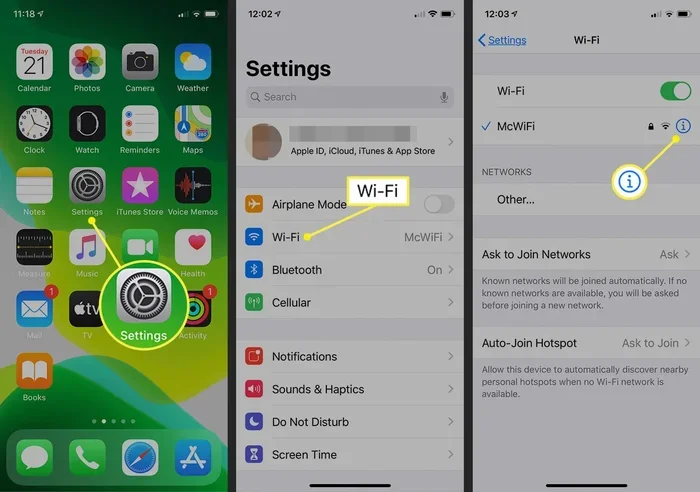
Go to your iPhone or iPad settings. Toggle Wi-Fi on and Bluetooth off. On your Mac, turn off Bluetooth in System Preferences. This forces the device to rely solely on Wi-Fi for discovery and transfer.
Step 2: Set Airdrop to Contacts Only or Everyone
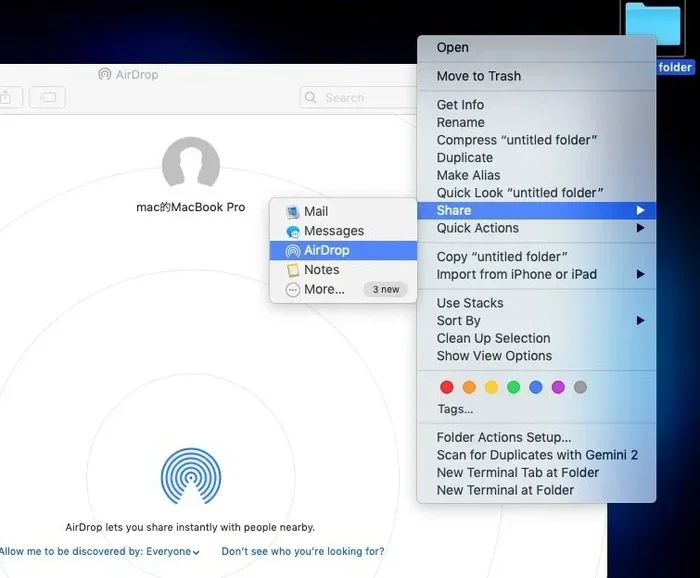
Open Control Center on iOS. Press and hold the network settings card. Tap the Airdrop icon. Choose “Contacts Only” or “Everyone.” On Mac, open Finder and click Airdrop in the sidebar. Set it to “Contacts Only” or “Everyone.”
Step 3: Connect to the Same Wi-Fi Network
Both devices must be on the same Wi-Fi network for Wi-Fi only Airdrop to work smoothly. If you are using a hotspot, connect both devices to it. The hotspot creates a local network that Airdrop can use.
Step 4: Select and Share Your File
Find the photo, document, or video you want to share. Tap the Share button. The Airdrop icon should appear with the other device’s name. Tap it to send. The transfer will happen over Wi-Fi.
Quick Tip: If the device does not show up, toggle Airplane Mode on and off. This refreshes the network connection and often fixes Airdrop discovery issues.
Common Mistakes to Avoid
Here are mistakes that block Airdrop when using Wi-Fi only:
- Leaving Bluetooth on can confuse the device and make it use Bluetooth instead of Wi-Fi.
- Forgetting to connect both devices to the same network or hotspot.
- Setting Airdrop to “Receiving Off” by accident.
- Not checking that both devices have enough battery or are plugged in.
- Trying to share across different Apple ID accounts without approval.
Avoid these and your wireless transfer will go smoothly.
Troubleshooting and Comparing Airdrop Methods
Sometimes Airdrop does not work as expected without Bluetooth. Here are common issues and fixes.
Device Not Showing Up in Airdrop
This is the most common problem. First, check that both devices have Wi-Fi on. Next, ensure Airdrop is set to “Everyone.” Restart Wi-Fi on both devices. If you are on a crowded network, move closer. Wi-Fi interference can block the direct connection.
Transfer Fails or Stalls
Large files need a strong Wi-Fi signal. Move to a location with better signal strength. Avoid walls and metal objects. If you are using a hotspot, make sure both devices are connected to it. Transfer speed drops if the Wi-Fi signal is weak.
Airdrop Asks for Bluetooth Pairing
Some older Apple devices may prompt for Bluetooth even when using Wi-Fi. This is a security check. If you see this, turn Bluetooth on briefly, pair, then turn it off again. Airdrop will remember the device for future transfers.
Wi-Fi Airdrop vs. Bluetooth Airdrop: Which Is Better?
Both methods have pros and cons. Here is a quick comparison.
| Feature | Wi-Fi Only Airdrop | Bluetooth Airdrop |
|---|---|---|
| Speed | Very fast (up to Wi-Fi speeds) | Slower (Bluetooth limits) |
| Range | Depends on Wi-Fi router or hotspot range | Short range (about 30 feet) |
| Discovery | Needs same network or direct Wi-Fi link | Instant discovery via Bluetooth |
| Battery Use | Moderate to high | Low |
| Works Without Internet | Yes, with hotspot or local network | Yes, fully offline |
| Best For | Large files, fast sharing | Quick small transfers |
Expert Insight: Most users prefer Bluetooth for quick shares and Wi-Fi for big files. Airdrop automatically chooses the best method, but you can force Wi-Fi only by turning off Bluetooth. This is useful when you want maximum speed.
Tips for Faster and Safer Airdrop Transfers
Get the most out of Airdrop over Wi-Fi with these practical tips.
Use a 5GHz Wi-Fi Network
5GHz networks offer less interference and higher speeds. If your router supports it, connect both devices to the 5GHz band. This boosts transfer speed significantly for large videos or folders.
Keep Devices Close
Even with Wi-Fi, proximity matters. Stay within 30 feet for the best results. Walls and furniture can weaken the signal. Wireless sharing works best in open spaces.
Update Your Apple Devices
Software updates often improve Airdrop performance. Check for iOS, iPadOS, and macOS updates. New updates fix bugs and enhance Wi-Fi Direct compatibility.
Use “Contacts Only” for Privacy
Set Airdrop to “Contacts Only” to avoid random requests. This adds a layer of security and encryption. Only people in your contacts can send you files. File sharing stays private and safe.
Restart Network Settings If Needed
If Airdrop acts up, reset network settings on your iPhone or iPad. Go to Settings > General > Transfer or Reset iPhone > Reset > Reset Network Settings. This clears Wi-Fi and Bluetooth glitches.
Key Takeaways and Final Thoughts
Can You Airdrop On Just Wi Fi? Yes, you absolutely can. Airdrop over Wi-Fi gives you a fast, wireless way to share files without Bluetooth. Whether you are sending photos, documents, or videos, Wi-Fi only Airdrop gets the job done.
Remember the steps: turn on Wi-Fi, turn off Bluetooth, set Airdrop to Contacts Only or Everyone, and share. Troubleshoot by checking your network and signal strength. With these tips, you will master Airdrop on just Wi-Fi in no time.
Now you know the secrets of wireless transfer using only Wi-Fi. Try it today and experience the speed of peer-to-peer sharing between your Apple devices. Happy sharing!
Frequently Asked Questions
What is Can You Airdrop On Just Wi Fi?
Can You Airdrop On Just Wi Fi is an important topic with many practical applications.