Are Plugs With Usb Ports Safe And Reliable For Charging
Plugs with USB ports are generally safe and reliable for charging when you choose certified, quality-made options with proper safety features like surge protection and overcurrent safeguards. These multi-purpose charging solutions offer convenience and reduce clutter, but not all USB wall plugs are created equal. Understanding what to look for helps you avoid common risks like overheating, voltage issues, and counterfeit products.
Charging your phone, tablet, or other devices should never be a safety concern. Yet every day, millions of people plug their devices into plugs with USB ports without thinking twice about whether those chargers are truly safe. The truth is that most modern USB charging plugs are designed with multiple layers of protection. But not every product on the shelf meets the same standard.
The market is flooded with options, from basic USB wall outlets to advanced smart plugs with built-in USB-A and USB-C ports. Knowing what makes one plug safe and another potentially dangerous can save you money, protect your devices, and most importantly, keep your home secure. This guide breaks down everything you need to know about the safety and reliability of USB port plugs for everyday charging.
Whether you are looking for a simple USB power adapter for your nightstand or a multi-port charging station for the whole family, understanding the fundamentals of electrical safety is the first step. Let us dive into what makes these plugs work, what risks exist, and how to choose the right one for your needs.
Key Takeaways
- USB charging plugs are safe when they carry proper certifications like UL or CE marks and include built-in safety features.
- Overcurrent protection and surge suppression are the two most important safety mechanisms to look for in a USB wall plug.
- Cheap, uncertified plugs pose real risks including overheating, electrical fires, and device damage.
- Fast charging does not compromise safety if the plug and cable are both rated for the required wattage.
- Heat dissipation and ventilation matter more than most people realize when using USB ports continuously.
- Replacing old or damaged plugs is essential to maintaining long-term charging safety.
- Smart plug technology adds an extra layer of control and monitoring for USB charging stations.
📑 Table of Contents
What Are Plugs With USB Ports?
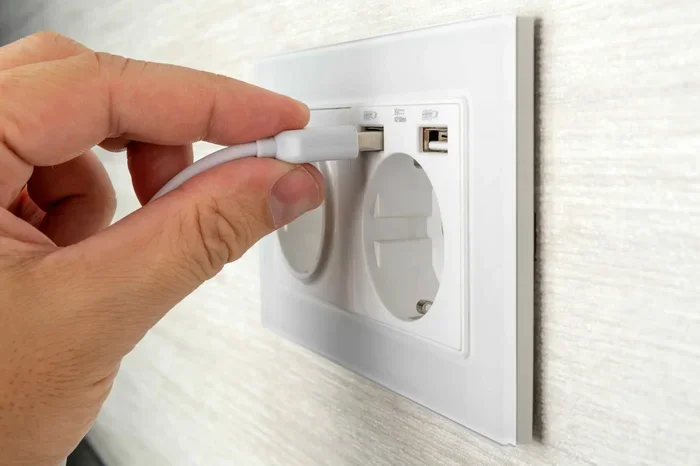
A plug with a USB port is exactly what it sounds like. It is a wall plug or power strip that includes one or more USB charging ports built directly into the unit. Instead of using a separate USB power adapter or bulky charger block, you plug the device directly into the wall and connect your cable to the built-in port.
These plugs come in many shapes and sizes. Some are single-outlet USB wall plugs that replace your existing light switch cover. Others are full-sized wall outlets with USB-A and USB-C ports integrated alongside standard plug sockets. There are also power strips with USB ports that offer multiple charging points along with traditional plug connections.
The beauty of these devices is their simplicity. They eliminate the need for multiple bulky adapters and reduce cable clutter. Many modern USB wall outlets support fast charging protocols, meaning they can deliver power quickly and efficiently to compatible devices. But convenience does not always equal safety, which is why understanding how these plugs work matters.
How Do USB Charging Plugs Work?
Inside a plug with a USB port, there is a small circuit board that converts the high voltage from your wall outlet into the lower voltage that your devices need. This process is called power conversion. A good plug regulates this conversion carefully, ensuring a steady and safe flow of electricity to your device.
The circuit board also houses safety components like fuses, voltage regulators, and temperature sensors. When you plug in a device, the plug detects what kind of device it is and adjusts the power output accordingly. This is why a fast charging plug can deliver more power to a tablet than it does to a smartwatch.
Types of USB Charging Plugs
Not all USB plugs are the same. Here are the most common types you will encounter:
- Single USB Wall Plug: A compact plug that replaces one outlet and has one USB port. Great for bedside charging.
- Dual USB Wall Plug: Similar to the single plug but with two USB ports for charging two devices at once.
- USB-C Wall Plug: Features a USB-C port for faster charging speeds and compatibility with modern devices.
- Multi-Port USB Charger: A larger unit with multiple USB-A and USB-C ports, ideal for families or offices.
- Smart Plug with USB: Combines smart home features with USB charging, allowing you to monitor and control power usage through an app.
Safety Features of USB Port Plugs
Safety is the number one concern when it comes to any electrical device. The good news is that reputable USB charging plugs come packed with built-in safety features designed to protect both your devices and your home.
Surge Protection
Power surges happen when there is a sudden spike in voltage. This can fry your electronics instantly. A quality plug with USB ports includes surge protection that absorbs excess voltage and redirects it safely away from your devices. Look for plugs that explicitly mention surge protection in their specifications.
Without surge protection, a lightning strike or a power grid fluctuation could destroy every device connected to your USB wall outlet. It is a small feature that makes a massive difference.
Overcurrent Protection
Overcurrent protection, also known as short-circuit protection, prevents too much current from flowing through the USB port. If something goes wrong, the plug automatically shuts off power to prevent damage or fire.
This is one of the most critical safety mechanisms in any USB power adapter. Without it, a faulty cable or a short circuit in your device could cause the plug to overheat or even catch fire.
Temperature Control and Heat Dissipation
All electrical devices generate some heat during use. Quality USB plugs are designed with heat-dissipating materials and internal temperature sensors. If the plug gets too hot, it will automatically reduce power output or shut down entirely.
Cheap plugs often skip this feature. They use poor-quality materials that trap heat, which can lead to melting, warping, or worse. This is why ventilation and heat management matter more than most people realize when using USB port plugs continuously.
Overcharge Protection
Modern charging plugs with USB include overcharge protection that stops sending power once your device reaches 100%. This prevents battery damage and reduces the risk of overheating during overnight charging sessions.
You do not need to worry about leaving your phone plugged in all night if you are using a certified USB wall outlet with overcharge protection built in.
Are USB Port Plugs Reliable for Daily Charging?
The short answer is yes. When you buy from a reputable brand and choose a plug with the right certifications, USB port plugs are extremely reliable for daily charging. They are built to handle thousands of charge cycles over many years.
That said, reliability depends heavily on the quality of the product. A certified plug from a trusted manufacturer will last for years without any issues. A cheap, uncertified plug from an unknown brand might fail within months.
Charging Speed and Efficiency
One of the main reasons people choose plugs with USB ports is the convenience of fast charging. Most modern fast charging plugs support protocols like Qualcomm Quick Charge, USB Power Delivery, or proprietary fast-charging standards.
A reliable plug will charge your devices at their maximum supported speed without overheating or throttling. If you notice your plug getting excessively warm or charging slower than expected, it may be a sign of a low-quality unit or a failing internal component.
Long-Term Durability
Durability is where cheap and quality plugs really diverge. A well-built USB charging plug uses fire-resistant housing, high-grade internal components, and solid electrical connections. It will not wiggle loose in the outlet, and the USB ports will remain snug and secure even after years of daily use.
Budget plugs often use flimsy plastic that cracks easily and loose USB ports that wear out quickly. Over time, a loose port can create arcing, which is a serious fire hazard.
Common Risks and How to Avoid Them
While most plugs with USB ports are safe, there are real risks associated with poor-quality products and misuse. Understanding these risks helps you avoid dangerous situations.
Overheating Issues
Overheating is the most common problem with USB charging plugs. It usually happens when the plug is underrated for the devices you are charging, or when it lacks proper heat dissipation design.
If your plug feels hot to the touch during normal use, unplug it immediately. Continuing to use an overheating USB wall outlet can damage your devices and create a fire risk. Always check that the plug is rated for the total wattage of all connected devices.
Cheap vs Certified Plugs
The biggest risk factor is buying cheap, uncertified plugs. These products often skip safety testing and use substandard components. They may look similar to certified plugs but lack the internal safety mechanisms that protect you.
Always look for certification marks like UL, CE, or ETL on the plug or its packaging. These marks mean the product has been independently tested and meets established safety standards. If a plug has no certification or looks suspiciously cheap, it is not worth the risk.
Electrical Safety Concerns
Water and electricity are a dangerous combination. Never place an uncovered USB power adapter near water sources. Also, avoid plugging multiple high-wattage devices into a single USB plug unless it is specifically rated for that load.
If you live in an older home with outdated wiring, consider having an electrician inspect your outlets before adding new USB charging solutions. Old wiring can handle less current than modern devices demand, creating hidden risks.
How to Choose the Right USB Charging Plug
Choosing the right plug does not have to be overwhelming. Focus on a few key factors, and you will find a safe, reliable option for your home.
Key Features to Look For
- Certification: Look for UL, CE, ETL, or equivalent safety certifications. This is non-negotiable.
- Number of Ports: Choose based on how many devices you charge simultaneously.
- Fast Charging Support: Ensure the plug supports the fast-charging protocol your devices use.
- Total Wattage Rating: Make sure the plug can handle the combined power draw of all your devices.
- Build Quality: Choose plugs with fire-resistant housings and durable construction.
- Warranty: A good warranty signals that the manufacturer stands behind their product.
Top Brands and Certifications
Stick with well-known brands when shopping for a USB charging plug. Brands like Anker, Belkin, TP-Link, and AmazonBasics have established reputations for safety and quality. Their products undergo rigorous testing and come with clear safety documentation.
If you are looking for a smart plug with USB that adds monitoring and control features, brands like Wemo, Gosund, and Meross offer reliable options. These plugs let you track energy usage, set charging schedules, and even integrate with your existing smart home setup.
In fact, the broader smart home ecosystem includes many useful tools. For example, if you are a pet owner who wants to simplify your daily routines with technology, there are apps that function much like ride-sharing services but for finding dog walkers, making pet care as convenient as charging your phone at home.
Expert Tips for Safe USB Charging
Even the best USB port plug can become a hazard if you do not use it properly. Follow these expert tips to ensure safe and efficient charging every day.
Best Practices
- Never leave cheap or uncertified plugs unattended while charging, especially overnight.
- Inspect your cables regularly for fraying, cracking, or exposed wires.
- Keep plugs in ventilated areas and avoid covering them with fabric or papers.
- Do not daisy-chain power strips with USB ports, as this can overload the circuit.
- Unplug during storms to protect against power surges, even if your plug has surge protection.
- Replace any plug that shows discoloration, cracking, or unusual heat immediately.
Maintenance and Care
A USB wall outlet requires minimal maintenance, but a little care goes a long way. Dust the outlets regularly to prevent buildup that can cause overheating. Keep the USB ports clean and free of lint or debris. If a port feels loose or wobbly, stop using the plug and replace it.
Also, avoid using your USB charging plug in extremely humid or wet environments unless it is specifically rated for outdoor use. Moisture can corrode internal components and create electrical hazards over time.
Conclusion
Plugs with USB ports are safe and reliable for charging when you choose the right product and use it correctly. The key is to prioritize certifications, build quality, and built-in safety features over price and aesthetics. A quality USB charging plug from a reputable brand will serve you well for years without any safety concerns.
Remember that not all plugs are created equal. The cheapest option is rarely the best option when it comes to electrical safety. Invest in certified products, follow best practices, and replace any plug that shows signs of wear or damage. With the right approach, your USB wall outlet becomes one of the safest and most convenient parts of your home.
Take a few minutes today to evaluate the plugs you are currently using. If any of them are uncertified, damaged, or overheating, replace them with a trusted USB power adapter. Your devices, your home, and your family will thank you for it.
Frequently Asked Questions
Are USB port plugs safe to leave plugged in overnight?
Yes, most certified USB charging plugs are safe to leave plugged in overnight. They include overcharge protection that stops sending power once your device reaches full battery. However, always use a plug from a reputable brand with proper safety certifications to ensure overnight charging is completely worry-free.
Can a plug with USB ports cause a fire?
A certified, properly used USB wall outlet should not cause a fire. However, cheap uncertified plugs, damaged cables, or overloaded outlets can create fire hazards. Always choose plugs with surge protection, overcurrent protection, and fire-resistant housing to minimize any risk of fire.
Do USB charging plugs use a lot of electricity?
No, USB port plugs are very energy efficient. They only draw power when a device is connected and actively charging. Many modern smart plugs even include energy monitoring features that help you track and reduce your electricity usage over time.
Is it safe to use a USB plug in a bathroom or near water?
You should avoid placing any electrical plug, including a USB power adapter, near water sources unless it is specifically rated for wet environments. Moisture can cause short circuits, corrosion, and electrical shock. Keep all charging plugs in dry, well-ventilated areas.
What is the difference between a USB wall plug and a USB power adapter?
A USB wall plug replaces a standard wall outlet and has USB ports built directly into it. A USB power adapter is a separate block that plugs into the wall and converts electricity for your USB cable. Both serve the same purpose, but wall plugs with USB ports reduce clutter and eliminate the need for extra adapter blocks.
How do I know if my USB plug is certified?
Look for certification marks on the plug itself or on its packaging. Common marks include UL (Underwriters Laboratories), CE (Conformite Europeenne), and ETL (Intertek). These certifications mean the product has been independently tested and meets established electrical safety standards for USB charging plugs.