Can Small Speakers Sound As Good As Large Speakers
Can small speakers sound as good as large speakers? The answer might surprise you. Modern compact speakers use advanced audio technology to deliver impressive sound performance that rivals bigger units. While large speakers naturally produce deeper bass response, small speakers win on audio clarity and speaker efficiency in tight spaces. This guide breaks down everything you need to know about speaker size versus real-world sound reproduction.
This is a comprehensive guide about Can Small Speakers Sound As Good As Large.
Key Takeaways
- Small speakers can match large speakers in clarity: Modern compact designs use advanced drivers and DSP to deliver crisp, detailed audio.
- Bass is the main trade-off: Large speakers naturally move more air, giving them a bass advantage that small speakers struggle to fully replicate.
- Room size matters: A small speaker in a large room will sound different than the same speaker in a small room.
- Speaker placement affects everything: Proper positioning can dramatically improve the performance of any speaker, regardless of size.
- Technology bridges the gap: Features like digital signal processing, ported designs, and smart amplification help small speakers punch above their weight.
- Your listening preference decides the winner: If you value portability and clarity, small speakers shine. If you want raw power and deep bass, go larger.
[FEATURED_IMAGE_PLACEHOLDER]
Can Small Speakers Sound As Good As Large Speakers?
You have probably wondered whether your tiny Bluetooth speaker can truly compete with those big floor-standing units in your friend’s living room. The question comes up a lot, and the answer is more nuanced than you might think. Small speakers have come a long way in recent years, thanks to smarter engineering and better materials. But does that mean they can match large speakers in every situation? Let us break it all down.
The truth is that speaker size is only one piece of the puzzle. Many factors influence how a speaker sounds, including driver quality, cabinet design, room acoustics, and even where you place the speaker. A well-designed compact speaker can deliver stunning audio clarity that rivals or even beats a much larger unit in certain scenarios. However, there are real physical limits that no amount of technology can fully overcome. Understanding these limits helps you set realistic expectations and make better buying decisions.
In this article, we will explore the science behind speaker performance, compare small and large units side by side, and give you practical advice for getting the best sound from any setup. Whether you are choosing a speaker for a small apartment or upgrading your home audio system, this guide has you covered. By the end, you will know exactly what to look for and what trade-offs to expect.
Why Speaker Size Matters
The Physics of Sound Production
At its core, a speaker works by moving air. The driver, which is the cone or dome inside the speaker, pushes and pulls air to create sound waves. Bigger drivers move more air, which generally means louder volume and deeper bass response. This is a fundamental law of physics, and it is the main reason large speakers tend to sound more powerful.
Think of it like a fan. A small desk fan moves a little air and creates a gentle breeze. A big floor fan moves a lot more air and creates a strong gust. Speakers work on a similar principle. The size of the driver directly affects how much air it can move and what frequencies it can reproduce effectively.
However, bigger is not always better in every situation. Large speakers require more power to drive them properly. They also take up more space and can be difficult to place in smaller rooms. This is where speaker efficiency becomes important, and it is where small speakers can really shine.
Driver Size and Frequency Response
The driver size determines the range of frequencies a speaker can handle. A large driver, typically 6.5 inches or bigger, excels at producing low frequencies, which we hear as bass. A small driver, usually 3 inches or less, handles mid and high frequencies very well but struggles with deep bass.
This is why most high-performance bookshelf speakers use multiple drivers. A two-way speaker pairs a woofer for bass with a tweeter for highs. Some speakers even add a midrange driver for extra detail. The goal is to cover the full frequency response range without asking any single driver to do too much work.
Small speakers use clever design to compensate for their limited driver size. They use ports, passive radiators, and digital signal processing to extend their bass response beyond what the driver alone could achieve. These techniques do not completely eliminate the bass gap, but they narrow it significantly.
Where Small Speakers Excel
Compact Speaker Design and Portability
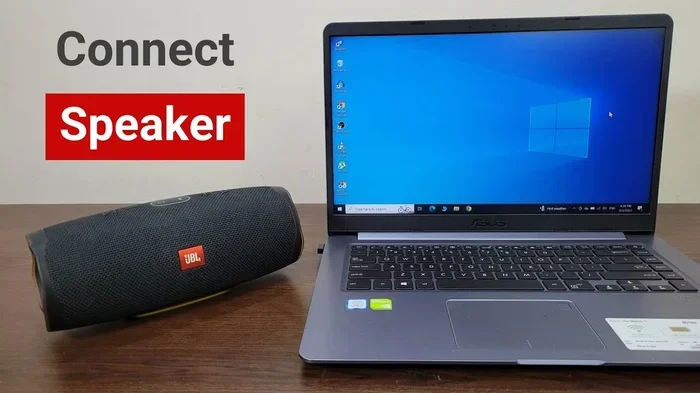
One of the biggest advantages of small speakers is portability. You can carry a compact speaker to the pool, the beach, or a picnic. A large floor speaker is not exactly backpack-friendly. For casual listening, outdoor gatherings, and travel, small speakers are the clear winner.
Modern portable speakers are incredibly durable and water-resistant. Brands have made huge strides in building small units that can survive drops, splashes, and dust. The audio technology packed into these tiny boxes is genuinely impressive. Some portable speakers now offer 360-degree sound, built-in batteries that last all day, and even voice assistant integration.
Portability also means you can move your speaker easily between rooms. Want to listen to music in the kitchen while cooking? Just grab it and go. This flexibility is something large speakers simply cannot offer.
Clarity and Detail in the Mid and High Frequencies
Small speakers often excel at audio clarity, especially in the mid and high frequency ranges. Because the drivers are smaller and lighter, they can respond to rapid changes in the audio signal with incredible precision. This means vocals sound crisp, cymbals shimmer, and acoustic instruments come through with beautiful detail.
Large speakers can sometimes sound muddy or bloated in the midrange if they are not well-tuned. A small speaker with a well-designed crossover and quality driver can sound remarkably clean and articulate. For listening to podcasts, acoustic music, and spoken word content, small speakers are often the better choice.
This is one reason why many studio monitors and professional reference speakers use smaller drivers. Engineers need sound reproduction that is accurate and honest, not necessarily loud or bass-heavy. The same principle applies to everyday listening.
Perfect for Small Spaces
If you live in an apartment, a dorm room, or a small office, a compact speaker is often the smarter choice. Large speakers can overwhelm a small room, creating boomy bass and harsh reflections that make the sound worse. A small speaker fills the room more evenly and naturally.
Room acoustics play a huge role in how speakers sound. In a small room, bass frequencies bounce around and build up, which can make even a small speaker sound bassier than it actually is. This natural room gain helps small speakers produce a fuller, richer sound than you might expect.
Speaker placement also matters more in small spaces. Even small adjustments in position can dramatically change the sound. Placing a speaker near a corner boosts bass, while pulling it away from walls reduces it. Understanding these basics helps you get the most from any speaker, big or small.
Where Large Speakers Have the Edge
Deep Bass and Low-Frequency Performance
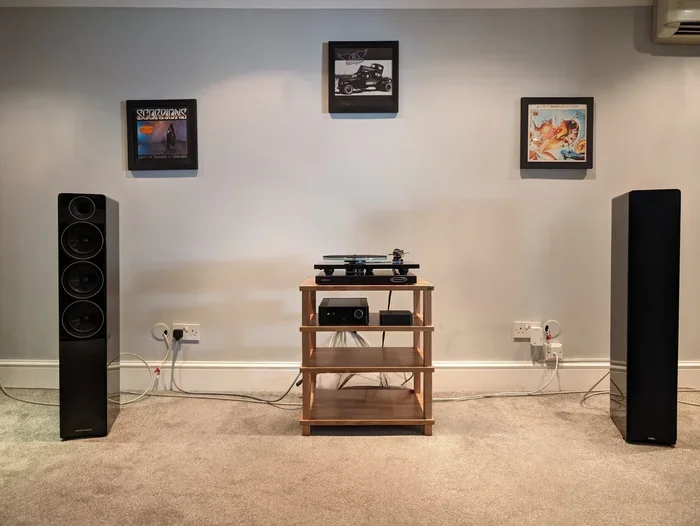
The most obvious advantage of large speakers is their bass. A big woofer with a large cabinet can move a significant amount of air, producing deep, powerful low frequencies that small speakers simply cannot match. If you love hip-hop, electronic music, or movie soundtracks, this bass presence makes a huge difference.
Small speakers can produce bass, but it is usually limited to the lower midrange rather than true sub-bass frequencies below 60 Hz. You can feel the difference. Deep bass makes your chest vibrate and gives music a physical presence that small speakers cannot fully replicate. This is why home theater setups and serious audiophile systems almost always include large speakers or a dedicated subwoofer.
That said, some compact speakers use advanced ported designs and passive radiators to extend their bass response impressively. These speakers do not match a dedicated subwoofer, but they come closer than their size would suggest. The technology is getting better every year, and the gap is slowly narrowing.
Volume and Power Handling
Large speakers can handle more power and play louder without distorting. If you like to listen at high volumes or fill a large room with sound, a big speaker is the better option. The massive drivers and sturdy cabinets of floor-standing speakers are built to handle serious audio output without breaking a sweat.
Small speakers can get surprisingly loud for their size, but they often distort at higher volume levels. The small drivers simply cannot move enough air to keep up with the amplifier’s power. This distortion sounds harsh and muddy, and it can actually damage the speaker over time if you push it too hard.
For casual listening at moderate volumes, small speakers are perfectly fine. But if you like to turn things up, a larger speaker gives you headroom and cleaner sound at high volumes. This is especially important for watching movies or hosting parties.
Soundstage and Immersion
Large speakers tend to create a wider, more immersive soundstage. The sound feels like it is coming from all around you, with instruments and voices placed clearly in space. This three-dimensional quality is a big part of what makes listening to music or watching a movie such an engaging experience.
Small speakers can create a decent soundstage, but it is usually narrower and less spacious. The sound feels more contained and close rather than expansive and open. Premium small speakers with advanced tuning can do a better job, but they still cannot fully match the spatial experience of large speakers in a well-treated room.
Key Factors That Influence Speaker Sound Quality
Build Quality and Materials
The materials used to build a speaker matter a lot. A well-constructed cabinet made of dense wood or high-quality MDF reduces unwanted vibrations and resonance. Cheap plastic cabinets, on the other hand, can color the sound and add rattles at higher volumes. Build quality affects both small and large speakers equally.
Driver materials also play a role. Paper cones produce warm, natural sound, while polypropylene cones are more durable and moisture-resistant. Silk and aluminum tweeters each have their own sonic character. The best speaker quality comes from careful material selection and precise engineering, not just from size alone.
Digital Signal Processing
Modern audio technology relies heavily on digital signal processing, or DSP. This technology allows engineers to shape the sound of a speaker with incredible precision. DSP can correct frequency response flaws, enhance bass, and improve overall clarity. It is a game-changer for small speakers, allowing them to sound much better than their physical size would suggest.
Many premium small speakers use DSP to simulate a wider soundstage and deeper bass. Some even use beamforming technology to direct sound toward the listener, creating a more focused and immersive experience. These digital tools help small speakers compete with much larger units, but they cannot completely eliminate the physical limitations of a small driver.
Room Acoustics and Placement
No matter how good your speaker is, the room it is in affects the sound dramatically. Hard surfaces like tile floors and bare walls reflect sound and create echoes. Soft surfaces like carpets, curtains, and upholstered furniture absorb sound and reduce reflections.
Speaker placement is one of the easiest and most effective ways to improve sound quality. Placing speakers away from walls reduces bass buildup. Positioning them at ear level improves the direct sound. Angling them slightly toward the listening position creates a better stereo image. These simple adjustments work for speakers of any size.
If you want to get serious about room acoustics, consider adding soft furnishings, bookshelves, or acoustic panels. Even basic changes can make a noticeable difference. The goal is to create a balanced listening environment where the speaker can perform at its best.
Small vs Large Speakers: A Side-by-Side Comparison
| Feature | Small Speakers | Large Speakers |
|---|---|---|
| Bass Response | Limited, but improved with DSP and ports | Deep, powerful, and natural |
| Mid and High Clarity | Excellent detail and articulation | Very good, can sometimes be too warm |
| Portability | Highly portable and lightweight | Bulky and difficult to move |
| Power Handling | Lower, prone to distortion at high volumes | High, clean sound at loud volumes |
| Room Suitability | Ideal for small to medium rooms | Best in medium to large rooms |
| Price Range | Generally more affordable | Tends to cost more |
| Setup Complexity | Simple, plug-and-play options available | May require amplification and wiring |
| Soundstage Width | Narrow to moderate | Wide and immersive |
This table shows that neither size is universally better. Each has strengths and weaknesses that matter depending on your needs. The best choice is the one that fits your space, your budget, and your listening preferences.
Quick Tips for Getting the Best Sound from Small Speakers
- Place speakers on stands or shelves at ear level for the best direct sound.
- Keep speakers away from corners to reduce boomy bass buildup.
- Use a quality amplifier or DAC to get the most out of your speakers.
- Experiment with speaker angle and distance from walls.
- Add soft furnishings nearby to reduce harsh reflections.
- Use the equalizer on your device to boost bass if needed.
Common Mistakes People Make with Small Speakers
One common mistake is placing a small speaker in a very large room and expecting it to fill the space evenly. The sound will be thin and weak in the far corners. Another mistake is pushing the volume too high, which causes distortion and can damage the driver over time. People also sometimes ignore room acoustics, which has a huge impact on how any speaker sounds.
Some buyers expect small speakers to replicate the experience of a full-size home theater system. While small speakers have improved dramatically, they still have physical limits. Setting realistic expectations helps you appreciate what small speakers can do rather than being disappointed by what they cannot.
Expert Insights on Speaker Size and Performance
Audio engineers often say that the best speaker is the one that fits your room and your needs, not necessarily the biggest one on the shelf. Many professional studios use nearfield monitors, which are relatively small speakers placed close to the listener. These monitors are prized for their accuracy and detail, proving that small does not mean low quality.
Leading speaker brands have invested heavily in miniaturized audio technology that packs big performance into small enclosures. Companies like Bose, Sonos, and KEF have created compact speakers that deliver surprisingly rich and full sound. These products use advanced drivers, smart DSP, and innovative cabinet designs to punch well above their weight class.
Experts also emphasize that speaker efficiency is just as important as driver size. A highly efficient small speaker can produce more volume with less power than an inefficient large speaker. This is why sensitivity ratings matter when comparing speakers of different sizes. A small speaker with high sensitivity can outperform a large speaker with low sensitivity in many real-world scenarios.
How to Choose the Right Speaker for Your Needs
Choosing between small and large speakers comes down to a few key questions. First, consider your room size. A small room benefits from a compact speaker that fills the space without overwhelming it. A large room needs more power and bass, which large speakers provide more naturally.
Next, think about your listening habits. Do you mostly listen at moderate volumes with podcasts and background music? A small speaker is likely all you need. Do you want to host parties or watch action movies at high volume? A larger speaker or a multi-speaker setup will serve you better.
Budget is another important factor. Small speakers are generally more affordable, which makes them a great entry point for anyone new to dedicated audio. You can always add more speakers later as your needs grow. Large speakers require a bigger upfront investment but often deliver a more complete listening experience right out of the box.
Finally, consider aesthetics and lifestyle. If you value clean design and portability, small speakers are hard to beat. If you want a statement piece that fills your room with rich, powerful sound, large speakers are the way to go. Both options have their place, and the right choice depends entirely on your personal situation.
Conclusion
So, can small speakers sound as good as large speakers? The answer is yes, in many ways, and no, in others. Small speakers deliver excellent audio clarity, portability, and value that makes them perfect for everyday listening and smaller spaces. They use advanced audio technology and smart design to overcome the physical limitations of their size.
Large speakers still hold the edge in deep bass, volume, and immersive soundstage. If those qualities matter most to you, investing in larger speakers or adding a subwoofer is the way to go. But for most casual listeners, a well-chosen compact speaker provides more than enough sound quality to enjoy music, movies, and podcasts with real pleasure.
The bottom line is that speaker size is just one factor in the overall sound quality equation. Build quality, placement, room acoustics, and your personal preferences all matter. Choose the speaker that fits your life, your space, and your ears, and you will be happy with your choice either way.
Frequently Asked Questions
Can a small speaker ever replace a large speaker for home theater?
Small speakers can work for home theater, but they will not deliver the same deep bass impact as large speakers or a dedicated subwoofer. For a satisfying movie experience, consider pairing small speakers with a separate subwoofer to fill in the low frequencies. This combination gives you the clarity of compact speakers with the power of a larger system.
Do expensive small speakers sound better than cheap large speakers?
Yes, in most cases. Build quality, driver materials, and tuning matter more than raw size. A premium small speaker with quality components will almost always outperform a cheap large speaker. The engineering and materials inside the cabinet matter far more than the physical dimensions alone.
How does room size affect speaker performance?
Room size has a huge impact on how speakers sound. Small rooms naturally amplify bass frequencies, which makes small speakers sound fuller. Large rooms absorb more sound, which can make small speakers feel thin and weak. Matching your speaker size to your room size is one of the most important decisions you can make for your audio setup.
What is the best small speaker brand for quality sound?
Several brands stand out for small speaker quality. KEF, Bose, Sonos, and Audioengine all make excellent compact speakers that deliver impressive sound performance. The best choice depends on your budget, preferred features, and listening habits. Reading reviews and listening in person, if possible, helps you find the right fit.
Does speaker placement really make that much of a difference?
Yes, speaker placement makes a surprisingly large difference. Moving a speaker just a few inches can change the bass response and overall balance. Placing speakers at ear level, away from walls, and at the right angle creates a much better listening experience. Good placement is free and works for speakers of any size.
Should I buy a pair of small speakers or one large speaker?
For stereo listening, a pair of small speakers almost always sounds better than one large speaker. Two speakers create a wider soundstage and a more natural listening experience. If you only have space for one speaker, a large single speaker can still sound great, but you will miss the stereo effect that makes music feel alive.
Frequently Asked Questions
What is Can Small Speakers Sound As Good As Large?
Can Small Speakers Sound As Good As Large is an important topic with many practical applications.