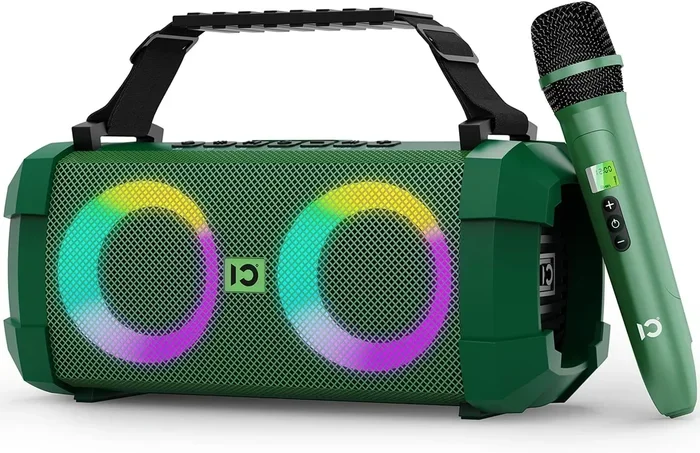
Are Wireless Mics Illegal The Truth You Need to Hear
Are wireless mics illegal? The short answer is no, but the full story is more nuanced. Using a wireless microphone without following the right rules can lead to serious fines and legal trouble. The FCC regulations govern wireless mic frequency bands, and violating them can happen easily if you are not careful. This guide breaks down everything you need to know about wireless mic legal use, including licensing requirements, common mistakes, and how to stay on the right side of the law.
Key Takeaways
- Wireless mics are not inherently illegal: They are legal when used within the correct frequency bands and under the right rules set by the FCC.
- FCC regulations are strict: Using unauthorized frequencies or operating without proper licensing can result in heavy fines and equipment seizure.
- Frequency coordination matters a lot: Proper frequency coordination helps avoid interference and keeps your setup legal and reliable.
- TV white space and spectrum allocation play a role: The FCC has specific rules about which frequencies wireless microphones can use, especially in the UHF and VHF bands.
- Penalties are real: Fines for illegal wireless microphone use can reach thousands of dollars, and repeat offenses make it worse.
- Licensing is straightforward: For most professional uses, getting a wireless microphone licensing permit is simple and well worth the effort.
- Knowledge is your best defense: Understanding the rules around radio frequency usage and wireless microphone interference keeps you safe and compliant.
📑 Table of Contents
- What Are Wireless Mics and How Do They Work?
- The Legal Landscape: Are Wireless Mics Actually Illegal?
- FCC Rules and Regulations for Wireless Microphones
- Common Situations Where Wireless Mics Get Flagged
- How to Use Wireless Mics Legally and Safely
- What Happens If You Get Caught Using an Illegal Wireless Mic?
- Key Takeaways
- Conclusion
What Are Wireless Mics and How Do They Work?
A wireless microphone is a microphone that transmits audio signals without a cable. Instead of sending sound through a wire, it uses radio frequency energy to send your voice to a receiver. This technology has changed the way performers, speakers, and content creators capture sound.
The basic setup includes a microphone, a small transmitter, and a receiver. The transmitter sends the audio signal over a specific wireless mic frequency band. The receiver picks up that signal and sends it to a sound system or recording device. It is simple in concept, but the rules around it can get complicated fast.
There are two main types of wireless microphone systems: VHF and UHF. VHF stands for Very High Frequency, and it uses lower frequencies. UHF stands for Ultra High Frequency, and it uses higher frequencies. Each has its own strengths and limitations. UHF systems tend to offer better sound quality and fewer interference problems, which is why most professionals prefer them.
Whether you are a musician on stage, a podcaster in a studio, or a filmmaker on set, understanding how these devices work is the first step toward using them legally. The technology itself is not the problem. The problem comes down to how, where, and on which frequencies you use them.
Why Wireless Microphones Are So Popular
Wireless microphone technology has exploded in popularity over the last decade. Here is why so many people love them:
- Freedom of movement: You are not tied to a desk or a cable. You can walk, dance, and perform without restrictions.
- Cleaner setups: No cables means fewer tripping hazards and a tidier stage or studio.
- Better sound quality: Modern wireless mic systems deliver studio-quality audio wirelessly.
- Versatility: They work for live events, podcasts, interviews, theater, conferences, and more.
With all these benefits, it is easy to see why millions of people use wireless microphones every day. But popularity does not mean permission to ignore the rules.
The Legal Landscape: Are Wireless Mics Actually Illegal?
Let us tackle the big question right away. Are wireless mics illegal? No, they are not. Using a wireless microphone is perfectly legal in most situations, as long as you follow the rules. The confusion comes from the fact that not all frequencies are legal to use, and not all devices are certified for sale or operation in every country.
The Federal Communications Commission, or FCC, is the agency that controls how radio frequencies are used in the United States. They decide which wireless mic frequency bands are available for public use and which ones require a license. When someone says wireless mics are illegal, they are usually talking about using a device on an unauthorized frequency or operating without the proper wireless microphone licensing.
Think of it like driving a car. The car itself is not illegal. But driving without a license, on the wrong side of the road, or over the speed limit is. The same logic applies to wireless microphone usage. The device is legal. The way you use it determines whether you are breaking the law.
Licensed vs. Unlicensed Wireless Microphones
There is an important distinction between licensed and unlicensed wireless mic use. Unlicensed wireless microphones can be used by anyone without a special permit, but only on specific frequencies. Licensed wireless microphones require an FCC permit, and they give you access to more frequencies and better protection from interference.
Most consumer-grade wireless microphones sold in stores are unlicensed. They are designed to work on frequencies that do not require a permit. However, even unlicensed devices must follow strict rules. You cannot simply pick any frequency you want and start broadcasting.
Professional setups, such as those used for large concerts, television broadcasts, and film productions, often require licensed frequencies. This is where frequency coordination becomes essential. A professional coordinator maps out the available frequencies for a specific event to make sure everything runs smoothly and legally.
FCC Rules and Regulations for Wireless Microphones
The FCC sets the rules for all radio frequency devices in the United States, including wireless microphone systems. These rules exist to prevent interference and make sure everyone can use the airwaves fairly. Understanding these rules is the key to staying legal.
Frequency Bands and Spectrum Allocation
The FCC divides the radio spectrum into different bands. For wireless microphones, the most commonly used bands are the VHF band (30 MHz to 300 MHz) and the UHF band (300 MHz to 3 GHz). Within these bands, there are specific frequencies set aside for wireless microphone use.
One major change happened in 2017 when the FCC cleared the TV white space frequencies for other uses. This meant that some frequencies previously reserved for wireless microphones were reallocated. This change affected many users and caused a lot of confusion. If you are still using an older wireless mic that operates in those cleared bands, it may no longer be legal.
Here are the key frequency ranges currently legal for wireless microphone use:
- VHF Band: 470 MHz to 608 MHz and 614 MHz to 698 MHz (some restrictions apply).
- UHF Band: 470 MHz to 608 MHz and 614 MHz to 698 MHz.
- 900 MHz Band: Available for unlicensed use in some cases.
- 1.9 GHz Band: Used for certain wireless microphone applications.
Always check the current FCC guidelines before purchasing or operating a wireless microphone. The rules can and do change over time.
What the FCC Requires From Users
The FCC has specific requirements for anyone operating a wireless microphone. Here is what you need to know:
- Use only approved frequencies: Do not operate on frequencies reserved for other services like cellular, TV broadcasting, or public safety.
- Keep your device certified: Only use wireless microphones that have been certified by the FCC for sale and operation in the United States.
- Get a license if required: For certain professional applications, you must obtain a wireless microphone license from the FCC.
- Avoid causing interference: Your device must not interfere with other licensed radio services. If it does, you are responsible for fixing the problem.
These rules may sound strict, but they are designed to protect everyone. When users follow them, the entire radio frequency ecosystem works better for all of us.
Common Situations Where Wireless Mics Get Flagged
Even if you do not mean to break the law, certain situations can put your wireless microphone use in a gray area. Understanding these scenarios helps you avoid accidental violations.
Using Outdated or Imported Equipment
One of the most common reasons people run into trouble is using old or imported wireless microphones. Devices purchased from overseas may not be certified for use in the United States. They may operate on frequencies that are not legal here. Even if the device works perfectly fine, using it can still result in a fine.
For example, some wireless microphones sold online or in discount stores are not FCC certified. They may look and work like legitimate devices, but they are not compliant with wireless mic laws. Always check for the FCC certification label before buying any wireless microphone.
Operating on Cleared or Restricted Frequencies
As mentioned earlier, the FCC has cleared certain frequency bands over the years. The TV white space reallocation in 2017 is a prime example. Many users did not realize their devices were suddenly operating on illegal frequencies. This is an easy mistake to make, but the FCC does not exempt people for not knowing the rules.
Another common issue is using wireless microphones near broadcast towers or in areas with heavy RF activity. The wireless microphone interference in these areas can cause your device to hop onto restricted frequencies without you even realizing it.
Using Wireless Mics at Large Events Without Coordination
Large events like concerts, festivals, and conferences often use dozens of wireless microphones at once. Without proper frequency coordination, these devices can interfere with each other and with nearby broadcast operations. The FCC takes a close look at large-scale wireless microphone deployments, and failing to coordinate frequencies can lead to warnings or fines.
Professional event producers always work with a frequency coordinator. This person ensures that every wireless mic on site is operating on a legal and interference-free frequency. If you are running a large event, this is not something you want to skip.
How to Use Wireless Mics Legally and Safely
The good news is that staying legal with your wireless microphone setup is not hard. It just takes a little knowledge and preparation. Here are the steps you should follow to make sure your wireless mic use is always above board.
Step 1: Buy Certified Equipment
Always purchase wireless microphones from reputable retailers. Check that the device carries the FCC certification mark. This mark proves the device has been tested and approved for legal operation in the United States. If you are buying online, verify the seller and check the product specifications carefully.
Step 2: Know Your Frequencies
Before you turn on your wireless microphone, learn which frequencies are legal in your area. The FCC website has resources that can help you identify approved frequency bands. You can also use online tools and software designed for frequency coordination to scan for available channels.
Many modern wireless microphone systems come with built-in frequency scanning features. These tools automatically find the clearest and most legal frequencies for your location. Use them every time you set up your equipment.
Step 3: Get Licensed When Needed
If you are using wireless microphones for professional purposes, check whether you need a license. The FCC offers several types of wireless microphone licenses, and the application process is straightforward. A license gives you access to more frequencies and stronger legal protection.
For most hobbyists and small-scale users, an unlicensed setup is perfectly fine. But if you are running a business or producing content professionally, investing in a license is a smart move.
Step 4: Avoid Interference
Interference is one of the biggest challenges with wireless microphone use. It can cause dropouts, static, and even accidental transmission on restricted frequencies. To avoid interference:
- Keep your transmitter and receiver close together.
- Avoid placing wireless mics near other RF sources like Wi-Fi routers or cell towers.
- Use directional antennas to focus your signal.
- Regularly scan for clear frequencies before each event.
Taking these steps not only keeps you legal but also improves your audio quality significantly.
Quick Tips for Legal Wireless Mic Use
Here are some quick tips to keep in mind every time you use a wireless microphone:
- Always check the FCC website for the latest rules before a big event.
- Never assume a frequency is legal just because it works.
- Keep records of your frequency coordination for professional events.
- Update your equipment firmware regularly to ensure compliance with current rules.
- When in doubt, consult a professional frequency coordination service.
What Happens If You Get Caught Using an Illegal Wireless Mic?
The FCC takes violations seriously. If they catch you using a wireless microphone illegally, the consequences can be significant. Understanding the penalties helps you take the rules seriously.
The most common penalty is a fine. Fines for illegal wireless microphone use can range from a few hundred dollars to tens of thousands of dollars, depending on the severity of the violation. Repeat offenders face even steeper penalties. In extreme cases, the FCC can seize your equipment.
Beyond fines, illegal use can damage your reputation. If you are a professional performer, filmmaker, or event organizer, a violation can hurt your credibility. Clients and partners may think twice before working with someone who does not follow the rules.
It is also worth noting that the FCC actively monitors the airwaves. They use specialized equipment to detect unauthorized transmissions. So the idea that you will not get caught is risky thinking. The agency has the tools and the authority to find violators.
Real-World Examples of Wireless Mic Violations
There have been several high-profile cases where the FCC has fined individuals and organizations for illegal wireless microphone use. In some cases, the violations were due to outdated equipment. In others, they were caused by carelessness or a lack of knowledge about the rules.
These cases serve as important reminders. No matter how experienced you are, staying informed about the current rules is essential. The regulations change, and what was legal yesterday may not be legal today.
Expert Insights on Wireless Mic Legality
Industry professionals consistently emphasize the importance of staying current with FCC regulations. According to audio engineers and legal experts, the biggest mistake people make is assuming that if the microphone works, it is legal. That is simply not true. A device can function perfectly while operating on an unauthorized frequency.
Another expert insight is the value of investing in quality equipment. Cheap, uncertified wireless microphones may save you money upfront, but they can cost you much more in fines and legal headaches down the road. Professional-grade wireless mic systems are designed to be compliant and reliable.
Key Takeaways
- Wireless mics are not inherently illegal: They are legal when used within the correct frequency bands and under the right rules set by the FCC.
- FCC regulations are strict: Using unauthorized frequencies or operating without proper licensing can result in heavy fines and equipment seizure.
- Frequency coordination matters a lot: Proper frequency coordination helps avoid interference and keeps your setup legal and reliable.
- TV white space and spectrum allocation play a role: The FCC has specific rules about which frequencies wireless microphones can use, especially in the UHF and VHF bands.
- Penalties are real: Fines for illegal wireless microphone use can reach thousands of dollars, and repeat offenses make it worse.
- Licensing is straightforward: For most professional uses, getting a wireless microphone licensing permit is simple and well worth the effort.
- Knowledge is your best defense: Understanding the rules around radio frequency usage and wireless microphone interference keeps you safe and compliant.
Conclusion
So, are wireless mics illegal? The answer is a clear no, as long as you follow the rules. The technology is legal, the devices are widely available, and millions of people use them every day without any issues. The key is understanding the regulations set by the FCC and making sure your equipment and frequencies are compliant.
Knowledge is your greatest asset when it comes to wireless mic legal use. Take the time to learn about frequency bands, licensing requirements, and the latest FCC guidelines. When you do, you can enjoy all the benefits of wireless microphone technology without worry.
Whether you are a musician, a podcaster, a filmmaker, or an event planner, using your wireless microphone responsibly protects you, your equipment, and your reputation. The rules exist to keep the airwaves organized and fair for everyone. Respect them, and your wireless microphone will serve you well for years to come.
Stay informed, stay compliant, and keep creating great audio. The world of wireless microphones is exciting and full of possibility, and you deserve to enjoy it the right way.
Frequently Asked Questions
Can I use any frequency with my wireless microphone?
No, you cannot use any frequency. The FCC designates specific frequency bands for wireless microphone use. Operating on frequencies reserved for other services like cellular or TV broadcasting is illegal and can result in fines. Always verify your frequencies before use.
Do I need a license to use a wireless microphone?
It depends on your setup. Most consumer-grade wireless microphones operate on unlicensed frequencies and do not require a permit. However, professional users who need access to more frequencies or better protection from interference should consider obtaining an FCC wireless microphone license.
What happens if my wireless mic interferes with a broadcast signal?
If your wireless microphone causes interference with a licensed broadcast, the FCC can investigate and issue penalties. You may be required to stop using the device on that frequency, and fines can apply. Proper frequency coordination helps prevent this from happening.
Are wireless microphones bought online legal to use in the US?
Not always. Wireless microphones purchased from overseas or unverified online sellers may not be FCC certified. These devices can operate on illegal frequencies and may not meet US safety standards. Always buy from reputable retailers and check for FCC certification.
How often do FCC rules for wireless microphones change?
The FCC updates its rules periodically, especially when spectrum is reallocated for other uses. Major changes like the TV white space clearing in 2017 can significantly impact wireless microphone users. Staying informed by checking the FCC website regularly is the best practice.
Can I use a wireless microphone at a public event without permission?
For small events with a few wireless microphones, you generally do not need special permission as long as you use legal frequencies. However, large events with many wireless microphones should work with a professional frequency coordinator and may need to obtain event-specific permissions from local authorities and the FCC.