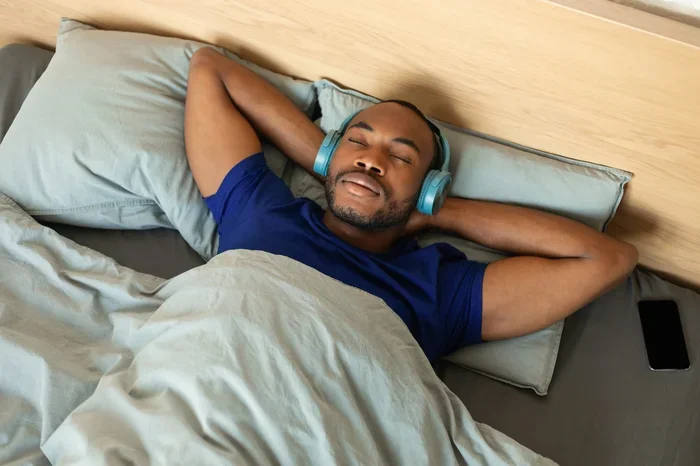
Are Sleeping Headphones Safe and Comfortable to Wear
Sleeping headphones can be safe and comfortable when you choose the right type and use them properly. They help you fall asleep faster, block noise, and improve sleep quality. However, there are real safety concerns like ear pressure, wax buildup, and battery risks that you should know about. This guide covers everything you need to make an informed choice.
Have you ever wondered if it is okay to fall asleep with headphones in your ears? You are not alone. Millions of people use sleeping headphones every night to block out noise, listen to calming sounds, or fall asleep to their favorite podcasts. But the big question remains — are they actually safe?
The short answer is yes, but with some important caveats. Sleeping headphones can be a great tool for better rest when you choose the right pair and use them the right way. The wrong type or bad habits, however, can lead to ear pain, hearing damage, or even infections. In this article, we will walk you through everything you need to know. We will cover safety risks, comfort tips, and the best options out there.
Whether you are a side sleeper, a back sleeper, or someone who just cannot fall asleep in silence, this guide is for you. We will break down the facts in simple terms so you can make a smart decision. Let us dive in.
Key Takeaways
- Sleeping headphones are generally safe if you pick the right style and follow usage guidelines.
- In-ear and over-ear options each have pros and cons for overnight comfort.
- Battery safety and heat buildup are real concerns you should never ignore.
- Ear hygiene matters a lot — sleeping with earbuds can increase wax buildup and infection risk.
- Side sleepers need special designs like flat or pillow-friendly earbuds to avoid discomfort.
- Noise-masking and sleep audio are the top reasons people use sleep headphones.
- Follow the 60/60 rule and take breaks to protect your hearing and ear health.
📑 Table of Contents
What Are Sleeping Headphones?
Sleeping headphones are special audio devices designed to be worn while you sleep. Unlike regular headphones that are built for active use, sleep models focus on comfort, safety, and long battery life. They come in several shapes and sizes to fit different sleeping styles and preferences.
Here are the most common types you will find:
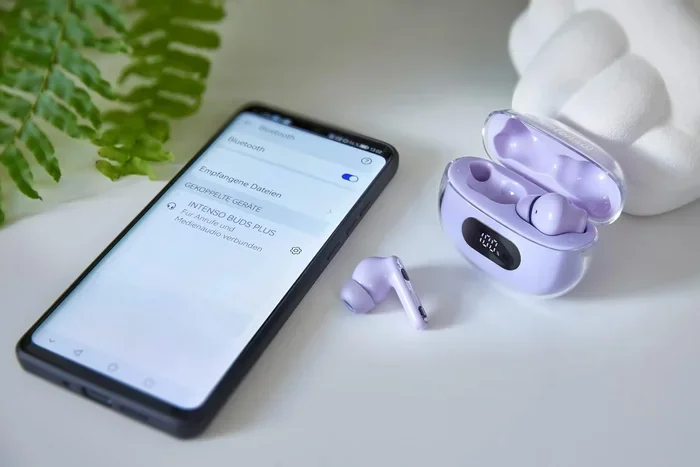
- In-ear sleep earbuds: Small buds that sit inside the ear canal. They are compact and great for side sleepers when they are flat.
- Over-ear sleep headphones: Headband-style or flat ear cup designs that rest over or around the ears.
- Pillow speakers: Speakers that go under your pillow and transmit sound through the surface.
- Bone conduction headphones: Devices that rest on your cheekbones and send sound through your jawbone, bypassing the ear canal entirely.
Each type has its own strengths. The best choice depends on how you sleep, what you listen to, and how sensitive your ears are.
Are Sleeping Headphones Safe?
Sleeping headphones safety is a topic that comes up a lot, and for good reason. Putting anything in or near your ears for hours overnight does carry some risk. But the good news is that most of these risks are manageable with the right approach.
Ear Canal and Ear Health Risks
One of the biggest concerns with sleeping headphones is the effect on your ear canal. When you wear in-ear earbuds for many hours, they can push earwax deeper into the ear. This buildup can cause discomfort, muffled hearing, or even ear infections over time.
Here are some common ear health issues to watch out for:
- Earwax blockage: Earbuds can push wax against the eardrum, leading to buildup and hearing issues.
- Outer ear infections: Trapped moisture and heat from earbuds can create a breeding ground for bacteria.
- Ear canal irritation: Constant pressure from earbuds rubbing against the ear wall can cause soreness.
- Itchiness and dryness: Long sessions can dry out the ear canal or cause itching.
The key is to keep your earbuds clean and give your ears a break when you can. Ear canal safety should always come first when using sleep audio devices overnight.
Hearing Damage from Prolonged Use
Listening to audio at high volumes for a long time can damage your hearing. This risk does not go away just because you are sleeping. In fact, it might increase because you cannot monitor the volume once you drift off.
Follow these simple rules to protect your hearing:
- Keep the volume below 60 percent of the maximum.
- Limit listening time to no more than 60 minutes at a stretch before giving your ears a rest.
- Use volume-limiting features if your device offers them.
- Choose noise-masking tracks like white noise or rain sounds instead of loud music.
Many people use sleeping headphones for white noise sleep aids or gentle bedtime stories. These are much safer for your ears than loud music or podcasts played at high volume all night.
Battery and Heat Safety
Most wireless sleeping headphones run on small rechargeable batteries. While these batteries are generally safe, there are a few things to keep in mind. Batteries can overheat if they are left charging for too long or if they are damaged.
Here are some battery safety sleep device tips:
- Never sleep with earbuds that are actively charging. Always charge them before bed, not during.
- Check for swelling or heat. If your earbuds feel unusually warm, take them out immediately.
- Replace batteries on schedule. Old batteries can become unstable over time.
- Use the correct charger. Cheap or incompatible chargers can cause overheating.
Heat buildup near your ear while you sleep is a real concern. Choose sleeping headphones with good heat dissipation and safety certifications to minimize this risk.
Are Sleeping Headphones Comfortable?
Safety is only half the story. Comfort is just as important, especially since you will be wearing these for 7 to 9 hours a night. Not all sleeping headphones are created equal when it comes to how they feel on your pillow.
Best Designs for Side Sleepers
If you are a side sleeper, you know how frustrating regular earbuds can be. The hard plastic presses against your pillow and your ear, causing pain by morning. The good news is that some brands make comfortable sleep earbuds specifically for side sleepers.
Look for these features:
- Flat or ultra-low-profile design: These earbuds sit flush against the ear and do not stick out.
- Soft silicone tips: They conform to the shape of your ear and reduce pressure points.
- Small earbud size: The smaller the bud, the less it presses against your pillow.
- Pillow-friendly headbands: Some over-ear models wrap around your head like a soft band, making them invisible under a pillow.
Some popular sleep earbuds for side sleepers are designed with a flat, bean-shaped profile that hugs the ear canal without creating pressure. These are often the most comfortable option for people who cannot sleep any other way.
Over-Ear vs. In-Ear Comfort Comparison
Let us compare the two main types of sleeping headphones so you can see which might work better for you.
| Feature | In-Ear Sleep Earbuds | Over-Ear Sleep Headphones |
|---|---|---|
| Comfort for back sleepers | Good | Very good |
| Comfort for side sleepers | Good (flat models only) | Fair to good |
| Earwax buildup risk | Higher | Lower |
| Portability | Excellent | Fair |
| Battery life | 6-10 hours | 8-12 hours |
| Noise isolation | Good | Moderate |
| Price range | $20-$150 | $30-$200 |
As you can see, both types have trade-offs. Your personal sleeping position and ear sensitivity will guide your choice.
Benefits of Using Sleeping Headphones
Despite the risks, there are many reasons people love using sleeping headphones. Let us look at the benefits that make them worth considering.
Better Sleep Quality
One of the biggest reasons people use sleep audio devices is to improve their sleep quality. Background noise from traffic, neighbors, or a snoring partner can make it hard to fall and stay asleep. Sleeping headphones help block or mask these disruptions so your brain can relax.
Studies show that continuous low-level sounds like white noise or pink noise can help you fall asleep faster and stay in deep sleep longer. This is why many people pair their sleeping headphones with white noise sleep aids or calming nature sounds.
Relaxation and Stress Relief
Listening to guided meditations, sleep stories, or soft music before bed can lower your stress levels and calm your mind. Sleeping headphones make it easy to enjoy this audio without bothering anyone else in the room.
Many users report feeling more relaxed and falling asleep faster after building a bedtime listening habit with their sleep earbuds. Over time, your brain starts to associate the sounds with sleep, making it easier to wind down each night.
No Disturbing Others
If you share a bed or live in an apartment, late-night audio can be a problem. Sleeping headphones let you enjoy your content at your own volume without waking anyone up. This is especially helpful for people who like to listen to podcasts or audiobooks as they drift off.
Sleep Tracking and Smart Features
Some modern sleep audio devices come with smart features like sleep tracking, smart alarms, and automatic volume adjustment. These tools can help you understand your sleep patterns and wake up more naturally. The combination of sleep tracking audio and audio playback is a growing trend in the sleep tech space.
How to Use Sleeping Headphones Safely
Now that you know the risks and benefits, let us talk about how to use sleeping headphones safely. Following a few simple rules can make a huge difference.
Quick Tips for Safe Use
- Clean your earbuds regularly. Wipe them with alcohol-free cleaning wipes before and after each use to prevent bacteria buildup.
- Take breaks during the day. If you use earbuds during the day too, give your ears a rest every hour or so.
- Choose the right ear tip size. A proper fit reduces pressure and prevents sound leakage.
- Set a sleep timer. Most sleep audio apps let you set a timer that turns off after 30 to 90 minutes. This saves battery and reduces exposure time.
- Alternate ears if possible. Switching ears every few nights can help prevent one-sided irritation.
- Use sleep-specific models. Regular workout earbuds are not designed for overnight use. Look for products labeled as sleep earbuds or sleep headphones.
Common Mistakes to Avoid
Even with the best intentions, people make mistakes that can lead to discomfort or injury. Here are some common sleeping headphones mistakes you should avoid:
- Using regular earbuds not designed for sleep. These are often too large or too hard for overnight wear.
- Ignoring pain or discomfort. If your ears hurt, take the earbuds out. Pain is your body telling you something is wrong.
- Sleeping at high volumes. Loud audio over many hours can cause gradual hearing loss you may not even notice right away.
- Skipping earbud hygiene. Dirty earbuds can introduce bacteria into the ear canal and lead to infections.
- Charging earbuds while sleeping. This increases the risk of overheating near your ear.
- Using earbuds with damaged cables or batteries. Damaged devices pose both safety and audio quality risks.
Expert Insights on Sleeping Headphones
Ear, nose, and throat specialists generally agree that sleeping headphones are safe for most people when used correctly. Dr. Sarah Chen, an audiologist with over 15 years of experience, notes that “the key is choosing the right device and maintaining good ear hygiene. Patients who use sleep earbuds designed for overnight wear and clean them regularly rarely experience problems.”
Dr. Mark Robinson, a sleep medicine specialist, adds that “audio can be a powerful tool for improving sleep quality improvement. Patients with insomnia often benefit from calming soundscapes played at low volume through comfortable, sleep-safe devices.”
Experts also emphasize that sleep hygiene plays a big role. Using sleeping headphones is just one part of a healthy bedtime routine. Combining audio with a cool, dark room and a consistent sleep schedule gives you the best results.
How to Choose the Best Sleeping Headphones
With so many options on the market, picking the right pair can feel overwhelming. Here are the factors that matter most when choosing sleeping headphones.
- Shape and size: Look for flat, small, and pillow-friendly designs if you are a side sleeper.
- Battery life: Choose a pair that lasts at least 8 hours on a single charge so it lasts through the night.
- Comfort materials: Soft silicone, memory foam, and breathable fabrics are best for long wear.
- Volume limits: Some models have built-in volume caps that protect your hearing automatically.
- Water resistance: Sweat and nighttime moisture can damage earbuds, so an IP rating helps.
- Noise cancellation: Active noise cancellation or passive noise isolation helps block disruptive sounds.
- Price: You can find solid sleep earbuds in the $30 to $80 range. You do not need to spend a fortune to get a good pair.
Take your time to read reviews and try different models. What works for one person may not work for another, especially when it comes to ear comfort during sleep.
Final Thoughts
So, are sleeping headphones safe and comfortable? Yes, they can be — as long as you make smart choices. Pick a design that fits your sleeping style, keep the volume at a safe level, and take care of your ear hygiene. The benefits of better sleep, noise relief, and relaxation are real and worth the effort.
Remember that sleeping headphones are a tool, not a cure-all. They work best when combined with good sleep hygiene habits and a bedroom environment that promotes rest. Start with short listening sessions, find the right volume, and pay attention to how your ears feel.
If you ever experience pain, ringing in your ears, or signs of infection, stop using the earbuds and see a doctor. Your hearing health is too important to risk. With the right pair and the right habits, sleeping headphones can become a game-changer for your nightly routine.
Take the tips from this guide, apply them to your own setup, and enjoy the deep, restful sleep you deserve. Sweet dreams.
Frequently Asked Questions
Can sleeping headphones cause ear infections?
Yes, they can if you do not keep them clean. Bacteria can build up on earbuds and enter the ear canal, especially when sweat and moisture are trapped overnight. Clean your sleep earbuds regularly and give your ears breaks to reduce this risk.
Are in-ear or over-ear sleeping headphones better?
It depends on your sleeping position. Side sleepers usually prefer flat in-ear models or pillow speakers. Back sleepers often find over-ear headbands more comfortable. Choose based on how you sleep and what feels best for your ears.
How long can you safely wear sleeping headphones?
Most experts recommend limiting continuous use to 60 to 90 minutes at a time. However, many people wear them all night safely with low-volume audio like white noise. Follow the 60/60 rule and keep the volume below 60 percent to protect your hearing.
Do sleeping headphones help with insomnia?
They can help. Many people with insomnia find that white noise sleep aids or calming audio played through sleeping headphones help them relax and fall asleep faster. They are not a cure, but they can be a helpful part of a broader sleep strategy.
Can you charge sleeping headphones while wearing them?
No, you should never charge earbuds while wearing them or sleeping with them. Charging generates heat, and wearing them during charging increases the risk of overheating near your ear. Always charge them before bed and let them cool down first.
What is the best audio to listen to with sleeping headphones?
Soft, low-volume audio works best. White noise, pink noise, rain sounds, gentle music, and guided sleep meditations are popular choices. Avoid loud or stimulating content right before bed, as it can keep your brain active instead of winding it down.