Do Crock Pots Build Pressure Everything You Need to Know
No, standard crock pots do not build pressure. They use low, steady heat to cook food slowly over hours. If you want pressure cooking capabilities, you need a separate electric pressure cooker or a multi-cooker that combines both functions.
Do crock pots build pressure? This is one of the most common questions home cooks ask, especially if they are new to kitchen appliances. The short answer is no. A standard crock pot, also known as a slow cooker, does not build any pressure during cooking. It relies on low, steady heat and a sealed lid to cook food gently over several hours. Understanding how your crock pot actually works can save you time, money, and a lot of confusion in the kitchen.
Many people confuse crock pots with pressure cookers because both are kitchen appliances that cook food in a sealed container. But the two devices are very different. A crock pot uses low heat over a long time. A pressure cooker traps steam to create high pressure, which raises the boiling point of water and cooks food much faster. If you are trying to decide which appliance to buy or wondering how your current slow cooker works, this guide covers everything you need to know.
Whether you are a busy parent looking for easy weeknight dinners or a college student figuring out your first kitchen setup, knowing the difference between slow cooking and pressure cooking matters. You might even wonder if your device can do both. We will break it all down in simple terms so you never have to guess again.
Key Takeaways
- Crock pots use gentle heat: They cook food at low temperatures without creating any pressure inside the pot.
- Pressure cookers work differently: They trap steam to build high pressure, which speeds up cooking significantly.
- Multi-cookers offer both: Devices like Instant Pots can pressure cook and slow cook, giving you the best of both worlds.
- Cooking time varies greatly: Crock pot meals can take 6 to 10 hours, while pressure cooked meals often finish in under an hour.
- Safety features differ: Pressure cookers have valves and locks; crock pots have simple heat controls with no pressurized parts.
- Choose based on your needs: If you want set-it-and-forget-it convenience, a crock pot wins. If you need speed, go for pressure cooking.
📑 Table of Contents
- What Is a Crock Pot and How Does It Work?
- Do Crock Pots Build Pressure? The Clear Answer
- What If You Want Both Slow Cooking and Pressure Cooking?
- Common Myths About Crock Pots and Pressure
- How to Get the Best Results From Your Crock Pot
- Safety Tips for Using a Crock Pot
- When Should You Choose a Pressure Cooker Instead?
- Final Thoughts
What Is a Crock Pot and How Does It Work?
A crock pot is a type of slow cooker that cooks food at low temperatures over a long period. Most crock pots have two or three heat settings: low, high, and sometimes warm. The ceramic or stoneware pot sits inside a metal housing that generates heat around the sides and bottom. This gentle heat slowly raises the temperature of the food and liquid inside.
The Sealed Lid Keeps Moisture In
The lid on a crock pot fits snugly, but it does not lock. It stays in place through gravity and a slight seal. This seal traps steam inside, which helps keep food moist. However, the steam does not build up into real pressure. The temperature inside a crock pot usually stays between 170 and 280 degrees Fahrenheit. This low range is what makes slow cooking so gentle and forgiving.
If you want to explore more cooking techniques using other devices, you might check if you can do everything you need on a Chromebook for finding and following recipes online.
Heat Distribution in a Crock Pot
One of the best things about a crock pot is how evenly it distributes heat. The ceramic pot absorbs warmth and radiates it inward. The food cooks from all sides, not just the bottom. This is why you can throw in a tough cut of meat in the morning and come home to tender, falling-apart beef in the evening. The low and slow method breaks down connective tissue without drying out the food.
Here is how the heat settings typically work:
- Low setting: Cooks at around 190 degrees Fahrenheit. Great for all-day cooking.
- High setting: Cooks at around 300 degrees Fahrenheit. Cuts cooking time roughly in half.
- Warm setting: Keeps food at about 165 degrees Fahrenheit. Used to hold food after cooking.
None of these settings create pressure. The crock pot simply uses heat and time to do its job.
Do Crock Pots Build Pressure? The Clear Answer
Let us be very clear. A standard crock pot does not build pressure. There is no mechanism inside a traditional slow cooker that traps steam enough to raise the internal pressure. The lid sits on top but does not seal tightly. Steam escapes around the edges as it forms. This is by design. The whole point of a crock pot is gentle, pressure-free cooking.
Why People Get Confused
So why do so many people ask this question? A few reasons stand out. First, the words “crock pot” and “pressure cooker” sound similar. Second, both appliances look alike from the outside. They are both round pots with lids. Third, many modern multi-cookers can do both slow cooking and pressure cooking. When people see a device labeled as a “crock pot” or “slow cooker,” they sometimes assume it must build pressure too.
If you have ever seen steam coming out from under the lid of your slow cooker, that is normal. It is just moisture escaping. It is not pressure building up. The temperature inside stays well below what a pressure cooker reaches. A pressure cooker typically operates at 10 to 15 pounds per square inch above normal atmospheric pressure. A crock pot operates at zero added pressure.
Crock Pot vs Pressure Cooker: Key Differences
To really understand why crock pots do not build pressure, it helps to compare them side by side with pressure cookers. Here is a simple breakdown:
- Cooking method: Crock pots use low heat over time. Pressure cookers use trapped steam and high pressure.
- Cooking time: Crock pot recipes often take 6 to 10 hours. Pressure cooker recipes can finish in 15 to 60 minutes.
- Temperature range: Crock pots stay between 170 and 300 degrees Fahrenheit. Pressure cookers reach around 250 degrees Fahrenheit under pressure.
- Lid mechanism: Crock pot lids rest loosely. Pressure cooker lids lock securely with a gasket seal.
- Safety features: Pressure cookers have pressure release valves and locking mechanisms. Crock pots have simple heat controls.
These differences explain everything. If your pot does not lock, it does not build pressure. It is that simple.
What If You Want Both Slow Cooking and Pressure Cooking?
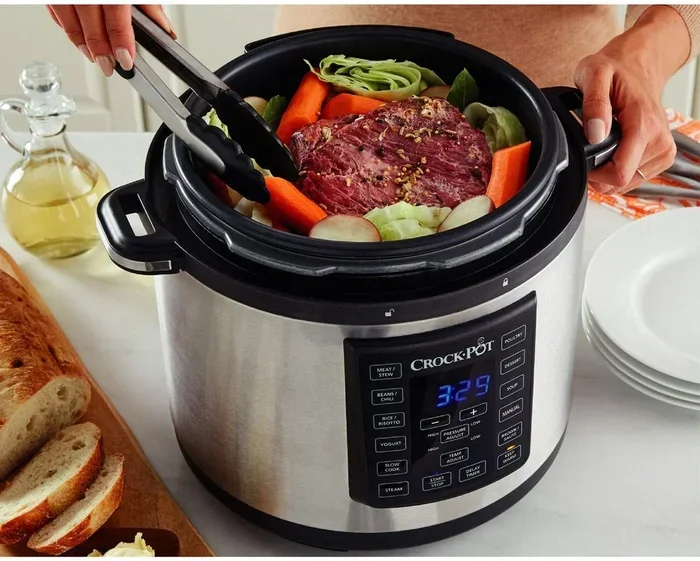
Not everyone wants to own two separate appliances. The good news is that you do not have to. Many kitchen appliance brands now make multi-cookers that combine slow cooking and pressure cooking in one device. These are sometimes called instant pots, multi-cookers, or pressure cooker slow cooker combos.
Popular Multi-Cooker Brands
Brands like Instant Pot, Ninja, and Breville offer models that switch between pressure cooking, slow cooking, rice cooking, steaming, and more. These devices have a locking lid with a pressure release valve. When you use the slow cook function, the lid does not lock, and the device does not build pressure. When you switch to pressure cook mode, the lid locks and the device pressurizes safely.
Some people keep their old crock pot and also buy a multi-cooker. Others replace their crock pot entirely with a multi-cooker. Both approaches work well. It really depends on how much counter space you have and how often you cook different types of meals.
For those juggling a busy schedule, keeping your phone charged in the kitchen can be a lifesaver when following along with new recipes. If you are curious about charging solutions, you might look into whether wireless chargers work on all phones so you can keep your device powered up while you cook.
Benefits of Owning a Multi-Cooker
- Saves counter space: One device replaces several appliances.
- Saves money: Buying one multi-cooker costs less than buying a crock pot and a pressure cooker separately.
- Versatile cooking: You can make soups, stews, rice, yogurt, and more.
- Faster meals: Pressure cooking cuts down cook times dramatically.
- Easy cleanup: Most multi-cookers have removable, dishwasher-safe inserts.
Common Myths About Crock Pots and Pressure
There are a lot of myths floating around about slow cookers and pressure. Let us clear up a few of the most common ones so you can cook with confidence.
Myth 1: Crock Pots Cook Food Faster Than Other Methods
This is false. Crock pots are known for being slow. That is literally their purpose. They cook food over many hours at low heat. If you need a meal in 30 minutes, a crock pot is not the right tool. You would want a pressure cooker for that.
Myth 2: The Steam Means There Is Pressure Inside
Steam escaping from a crock pot does not mean pressure is building. It just means moisture is evaporating. The lid is not sealed tightly enough to trap steam at high pressure. Even on the high setting, the internal pressure stays at normal atmospheric levels.
Myth 3: You Cannot Open a Crock Pot While Cooking
Unlike a pressure cooker, you can open a crock pot anytime. There is no pressure buildup that would cause a dangerous release of steam. You can stir, check doneness, or add ingredients whenever you want. This is one of the biggest advantages of slow cooking.
Myth 4: All Slow Cookers Are the Same
Not all slow cookers are created equal. Some have digital controls and programmable timers. Others are basic with just a dial. Some are oval-shaped for roasts, while others are round for soups and stews. The size, shape, and features vary widely, but none of them build pressure.
How to Get the Best Results From Your Crock Pot
Now that you know your crock pot does not build pressure, let us talk about how to use it effectively. A few simple tips can make a huge difference in the quality of your meals.
Fill It the Right Way
Do not overfill your crock pot. Most experts recommend filling it no more than two-thirds full. Overfilling can cause food to cook unevenly and may lead to spills. If you are cooking a large roast, choose a bigger model or cut the meat into smaller pieces.
Use the Right Amount of Liquid
Because a crock pot traps moisture, you need less liquid than you would for oven cooking. A good rule of thumb is to use about half the amount of liquid you would normally use. Too much liquid can make your dish soupy. Too little can cause the food to dry out.
Resist the Urge to Lift the Lid
Every time you lift the lid, you lose heat and moisture. This can add 15 to 30 minutes to your cooking time. Try to resist peeking. Trust the process and let the crock pot do its work. If you need to check on things, do it quickly and put the lid back on right away.
Brown Your Meat First
For richer flavor, brown your meat in a skillet before adding it to the crock pot. This step is optional, but it adds a depth of flavor that slow cooking alone cannot achieve. It also helps render some of the fat, which makes the final dish less greasy.
Add Delicate Ingredients Later
Vegetables like spinach, zucchini, and fresh herbs can turn mushy if cooked for 8 hours. Add these ingredients in the last 30 to 60 minutes of cooking for the best texture and flavor. Root vegetables and tougher cuts of meat, on the other hand, benefit from the full cooking time.
For students or young adults setting up their first kitchen, you might be interested in whether colleges give out free iPads, since a tablet can be a great tool for following crock pot recipes and meal planning in a dorm room.
Safety Tips for Using a Crock Pot
Crock pots are very safe appliances. They operate at low temperatures and do not build pressure. But that does not mean you should be careless. A few safety tips will help you cook without any worries.
- Place it on a flat, heat-safe surface: Never put a hot crock pot on a plastic or delicate countertop.
- Keep it away from the edge of the counter: This prevents accidental bumps and spills.
- Do not move it while it is cooking: The ceramic pot is heavy and hot. Moving it can cause burns or spills.
- Unplug when not in use: Even on the warm setting, a crock pot uses electricity. Unplug it when you are done.
- Let it cool before washing: The ceramic insert can crack if you expose it to cold water while it is still hot.
- Check for cracks: Inspect the pot before each use. A cracked ceramic pot can leak and may not cook evenly.
Following these simple steps keeps your crock pot running safely for years. Most quality slow cookers last between 5 and 10 years with proper care.
When Should You Choose a Pressure Cooker Instead?
While crock pots are great for slow, hands-off cooking, pressure cookers shine in different situations. Understanding when to use each appliance helps you cook smarter.
Choose a crock pot when you want to leave the house for several hours and come home to a ready meal. Choose a pressure cooker when you need dinner on the table fast. Beans that take hours to simmer on the stove cook in about 20 minutes under pressure. Tough cuts of pork shoulder become tender in under an hour instead of eight.
If you enjoy both styles of cooking, a multi-cooker is the obvious choice. It gives you the flexibility to pressure cook on busy weeknights and slow cook on lazy weekends. You get the best of both worlds without cluttering your kitchen with extra appliances.
Final Thoughts
So, do crock pots build pressure? The answer is a firm no. Crock pots use low, steady heat and a loose-fitting lid to cook food slowly over many hours. They do not trap steam or create any added pressure inside the pot. This is what makes them safe, easy, and perfect for busy lifestyles.
If you are looking for speed and efficiency, a pressure cooker or multi-cooker is the way to go. If you want tender, flavorful meals with minimal effort and no monitoring, a classic crock pot is hard to beat. Both appliances have earned their place in modern kitchens, and understanding how they work helps you get the most out of each one.
Next time someone asks you whether crock pots build pressure, you can confidently answer no. You will know exactly why, and you can explain the difference between slow cooking and pressure cooking with ease. Happy cooking!
Frequently Asked Questions
Can a crock pot build up pressure if you leave it on too long?
No. A crock pot cannot build pressure regardless of how long it runs. The lid is not designed to seal tightly, and there is no pressure mechanism inside. Even after 10 hours on the low setting, the internal pressure stays at normal levels. The device simply uses gentle heat to cook food over time.
Is a slow cooker the same as a pressure cooker?
No, they are very different appliances. A slow cooker cooks food at low temperatures over many hours without any pressure. A pressure cooker traps steam to create high pressure, which raises the cooking temperature and speeds up the process significantly. They serve different cooking purposes.
Can you pressure cook in a crock pot?
You cannot pressure cook in a standard crock pot. Crock pots do not have a locking lid or pressure valve. However, multi-cookers like Instant Pots combine both functions. When you use the slow cook setting on a multi-cooker, it works like a regular crock pot without building pressure.
Why does my crock pot have steam coming out if it does not build pressure?
Steam escaping from a crock pot is completely normal. The lid fits snugly but does not seal airtight. Moisture from the food evaporates and escapes around the edges. This is part of the slow cooking process and does not indicate any pressure buildup inside the pot.
Are crock pots safe to leave unattended?
Yes, crock pots are designed to be left unattended. They operate at low temperatures and do not build pressure, which makes them very safe. Just make sure the appliance is placed on a flat, heat-resistant surface away from flammable items, and always unplug it when you are done cooking.
What is the best type of meal to make in a crock pot?
Crock pots excel at soups, stews, chili, roasts, and braised meats. These dishes benefit from the long, gentle cooking time that breaks down tough fibers and develops deep flavors. Avoid delicate foods like fish or leafy greens, which can overcook and turn mushy in a slow cooker.
=== CONCLUSION ===
Do crock pots build pressure? No, they do not. Crock pots are slow cookers that rely on low heat and time to prepare meals. They use a loose-fitting lid that allows steam to escape, keeping the internal pressure at normal levels. This makes them safe, easy to use, and perfect for busy schedules.
If you want faster cooking or the ability to pressure cook, consider a multi-cooker that offers both functions. Understanding the difference between slow cooking and pressure cooking helps you choose the right tool for every meal. Now you have all the knowledge you need to cook with confidence and get the best results from your kitchen appliances.