Do You Need Pocket Wifi In Japan Or Just Use Your Phone Plan
You do not always need pocket wifi in Japan. Many travelers use their international phone plan just fine, while others prefer a pocket wifi device for better speed and coverage. The right choice depends on your data needs, budget, and how many devices you travel with. This guide breaks down every option so you can decide with confidence.
Planning a trip to Japan is exciting. You are probably thinking about temples, food, and bullet trains. But one question always pops up: do you need pocket wifi in Japan, or can you just use your phone plan? This is a big deal because staying connected in Japan affects your budget and your peace of mind.
The good news is that you have options. You can rent a pocket wifi device, rely on your carrier’s international plan, grab a local SIM card, or even use an eSIM. Each choice has pros and cons. Some are cheaper. Some are easier. Some give you faster speeds. Let us walk through all of them so you can pick what works best for your trip.
Japan has excellent internet infrastructure. Most hotels, cafes, and restaurants offer free WiFi. But free WiFi is not always reliable, and it is not always available when you are on the move. That is where a solid mobile data plan or a portable wifi device comes in handy. Whether you are navigating Tokyo streets or hiking in rural Hokkaido, you want internet that just works.
Key Takeaways
- Pocket wifi gives you dedicated internet: It works well for groups and heavy data users exploring Japan.
- International phone plans are convenient: You stay connected without carrying extra devices.
- Cost varies a lot: Pocket wifi rentals can cost $5-$15 per day, while international plans may add $10-$30 per month.
- Coverage matters: Both options work well in cities, but pocket wifi may perform better in rural areas.
- eSIMs are a rising alternative: They let you switch plans easily without swapping physical SIM cards.
- Your choice depends on your trip: Short trips with light data use favor phone plans; long stays with multiple devices favor pocket wifi.
📑 Table of Contents
- What Is Pocket Wifi and How Does It Work in Japan
- Can You Just Use Your International Phone Plan in Japan
- Pocket Wifi vs International Phone Plan: Head-to-Head Comparison
- Other Options You Should Consider
- How to Choose the Right Option for Your Japan Trip
- Tips for Staying Connected in Japan
- Common Mistakes Travelers Make With Internet in Japan
- Final Verdict: Do You Need Pocket Wifi in Japan
What Is Pocket Wifi and How Does It Work in Japan
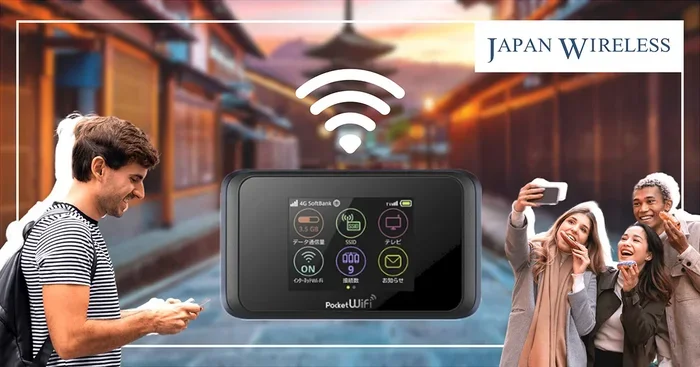
A pocket wifi is a small, portable device that creates a personal WiFi hotspot. It connects to local cellular networks and broadcasts a WiFi signal that your phone, tablet, and laptop can all use. Think of it as a tiny router you can carry in your pocket.
In Japan, pocket wifi devices are very popular among tourists. You can rent one from airports, online companies, or local shops. Most rental services let you pick up the device at Narita or Haneda airport and return it before you fly out. The device usually comes with a charger and sometimes an extra battery.
How Pocket Wifi Works
Here is the simple version. The pocket wifi connects to a Japanese cellular network, like NTT Docomo, SoftBank, or KDDI. It then creates a private WiFi network that your devices can join. You get a set amount of data each day, and you can connect up to 5 to 10 devices at once, depending on the device.
Most pocket wifi plans in Japan offer unlimited or high-capacity data. Speeds are generally fast, especially in cities. The coverage is strong because Japan has one of the best cellular networks in the world. Even in smaller towns and rural areas, you will usually get a decent signal.
Who Should Use Pocket Wifi in Japan
Pocket wifi is a great fit for several types of travelers:
- Families and groups: One device can serve everyone, so you do not need multiple SIM cards or plans.
- Heavy data users: If you stream videos, use Google Maps constantly, or video call family back home, pocket wifi handles that well.
- Long-term travelers: If you are staying for weeks, a rental plan can be more cost-effective than daily international charges.
- People who need WiFi for laptops: Working remotely or writing blog posts? Pocket wifi gives you a stable connection for your laptop.
You can also check if you can use your current phone and watch as a baby monitor while traveling, which might change how you think about connectivity needs on the road.
Can You Just Use Your International Phone Plan in Japan
This is the question most travelers ask first. The short answer is yes, you can use your international phone plan in Japan. But the longer answer depends on your carrier, your plan, and how much data you need.
Major US carriers like T-Mobile, AT&T, and Verizon offer international plans or add-ons. T-Mobile, for example, includes unlimited texting and data in many of its plans, though data speeds may slow down after a certain amount. Verizon and AT&T offer day passes or monthly international add-ons that give you a set amount of data.
Pros of Using Your Phone Plan
- No extra devices to carry: You just use your phone. One less thing to charge and keep track of.
- Familiar setup: You do not need to configure a new device or connect to a new network.
- Convenient for short trips: If you are only in Japan for a few days, an international plan might cost less than a rental.
- You can share mobile data: Some plans let you tether your connection to other devices, which is helpful if you are traveling with a friend.
Cons of Using Your Phone Plan
- High costs for heavy users: If you burn through a lot of data, international add-ons can get expensive fast.
- Speed limits: Many carriers throttle data speeds after a certain usage threshold.
- Coverage gaps: Your home carrier may rely on partner networks in Japan, which might not cover every area as well as a local carrier.
- Battery drain: Using your phone as a hotspot drains the battery quickly, especially when you are navigating or streaming on the go.
Before you fly out, check with your carrier about their Japan coverage and pricing. You do not want surprise charges on your bill when you get home. If you are also wondering about staying connected at home, you might want to learn about getting just WiFi at home to understand how home internet compares to travel options.
Pocket Wifi vs International Phone Plan: Head-to-Head Comparison
Let us put the two options side by side. This comparison will help you see which one makes more sense for your Japan trip.
| Feature | Pocket Wifi | International Phone Plan |
|---|---|---|
| Daily Cost | $5-$15 per day | $10-$30 per month add-on |
| Data Limit | Usually unlimited or high cap | Varies by carrier |
| Devices Supported | 5-10 devices | 1 device (phone only) |
| Speed | Fast, consistent | May slow after threshold |
| Convenience | Extra device to carry | Uses your existing phone |
| Coverage | Excellent in cities and rural areas | Depends on partner networks |
| Best For | Groups, long trips, heavy users | Solo travelers, short trips |
As you can see, pocket wifi wins for groups and heavy data users. Your phone plan wins for solo travelers who want simplicity. The cost difference also matters a lot. If you are traveling for a week, a pocket wifi rental might cost $50-$100 total. An international plan add-on might cost $15-$30 for the same period. But if you have three people sharing one pocket wifi, that is a much better deal per person.
It is also worth noting that you can connect to WiFi without a special adapter in most cases, since most modern phones and laptops have built-in WiFi receivers. This means you can easily switch between your pocket wifi network and free public WiFi wherever you go.
Other Options You Should Consider
Pocket wifi and international phone plans are not the only ways to stay connected in Japan. Let us look at a couple of other options that might work even better for your situation.
Local SIM Cards
Buying a local SIM card is a popular choice for travelers who want reliable data without the hassle of renting a device. You can pick up a SIM at the airport, convenience stores, or electronics shops. Prepaid data-only SIMs are widely available and often very affordable.
A local SIM gives you a Japanese phone number and a data plan that typically lasts 7 to 30 days. Prices start around $10 for a week of data. The downside is that you need an unlocked phone, and swapping SIM cards can be a bit of a hassle if you are used to your home number.
eSIM Technology
eSIMs are the newest option, and they are changing the game. An eSIM is a digital SIM built into your phone. You can download a data plan directly to your device without needing a physical SIM card. This means you can set up your Japan data plan before you even leave home.
Providers like Airalo, Holafly, and Ubigi offer eSIM plans for Japan. You pick a plan, download it, and you are online. It is incredibly convenient. However, not all phones support eSIM yet, so check your device compatibility first.
Free WiFi in Japan
Japan has a lot of free WiFi. Train stations, airports, cafes, and many restaurants offer free internet access. Apps like Japan Connected-Free WiFi and SoftBank WiFi Free make it easy to find hotspots. But free WiFi is not consistent. You might find it in one cafe but not the next block. It is also not ideal for long sessions or when you are on a moving train.
If you rely heavily on free WiFi, you should also consider how your home network setup compares. Understanding how to extend WiFi with an Ethernet cable at home can give you a better sense of how WiFi signals work and what to expect from public networks abroad.
How to Choose the Right Option for Your Japan Trip
Still not sure which option to pick? Here are some simple guidelines based on your travel style.
Choose Pocket Wifi If
- You are traveling with family or a group.
- You need internet for laptops and tablets, not just your phone.
- You are staying in Japan for more than a week.
- You use a lot of data for maps, streaming, or video calls.
- You want consistent speeds without worrying about your phone battery.
Choose Your International Phone Plan If
- You are traveling solo or as a couple.
- Your trip is short (3-5 days).
- Your carrier already includes international data in your plan.
- You do not want to carry or charge extra devices.
- You only need light data usage like messaging and occasional maps.
Choose a Local SIM or eSIM If
- You want the most affordable option for longer stays.
- Your phone is unlocked and supports local SIMs or eSIMs.
- You want a Japanese phone number for local calls or deliveries.
- You prefer a pay-as-you-go setup with no long-term commitment.
Each option has its place. The best choice is the one that fits your travel habits and budget. If you are still deciding, you might also look into how you can connect your phone to other devices for better connectivity on the road.
Tips for Staying Connected in Japan
No matter which option you choose, these tips will help you get the most out of your internet connection in Japan.
- Download offline maps before you go. Google Maps and Maps.me let you download map data for offline use. This saves a ton of data when you are navigating cities.
- Turn off auto-play videos. Social media apps auto-play videos, which eats through data fast. Disable this in your app settings.
- Use WiFi whenever it is available. Save your mobile data for when you really need it. Hotels, cafes, and convenience stores often have free WiFi.
- Monitor your data usage. Both iPhone and Android let you track data usage in settings. Check it daily so you do not get surprised.
- Carry a power bank. If you are using pocket wifi or tethering your phone, battery life drops fast. A good power bank keeps you going all day.
- Set up your connection before you land. If you are using an eSIM or a local SIM, set it up in advance so you are online the moment you arrive.
These small steps make a big difference. They help you stay connected without burning through data or battery. And they give you peace of mind so you can focus on enjoying your trip.
Common Mistakes Travelers Make With Internet in Japan
Avoiding mistakes saves you money and stress. Here are the most common ones travelers make when planning internet for Japan.
- Assuming free WiFi is everywhere: It is not. Many areas, especially rural ones, have limited or no free WiFi.
- Not checking if your phone is unlocked: If your phone is locked to your carrier, you cannot use a local SIM. Unlock it before your trip.
- Ignoring data roaming settings: Make sure data roaming is turned on before you leave home, or you will not get any data abroad.
- Relying only on your phone for navigation: GPS drains battery quickly. Bring a portable charger or use a pocket wifi device to share the load.
- Booking pocket wifi too late: Popular rental services run out during peak travel seasons. Book at least a week in advance.
- Forgetting to return the pocket wifi: Most rental services charge a fee if you do not return the device on time. Set a reminder.
Steering clear of these mistakes keeps your trip smooth and your budget intact. It is easy to overlook these details, but they add up fast.
Final Verdict: Do You Need Pocket Wifi in Japan
So, do you need pocket wifi in Japan, or can you just use your international phone plan? The honest answer is: it depends on your trip. If you are a solo traveler going for a few days and your carrier offers a solid international plan, you probably do not need pocket wifi. Your phone plan will get you through just fine.
But if you are traveling with family, staying for a week or more, or you need reliable data for multiple devices, pocket wifi is the better choice. It gives you dedicated speed, covers more devices, and often works out cheaper per person in a group.
And if you want the most flexible and affordable option, consider a local SIM or an eSIM. These give you great data at low prices, especially for longer stays.
No matter what you choose, the most important thing is that you stay connected. Japan is a beautiful country with so much to explore, and having reliable internet makes everything better. From finding hidden ramen shops to navigating train stations, good connectivity is your best travel companion.
Plan ahead, compare your options, and enjoy your trip to Japan with confidence. You will be glad you took the time to get this right before you boarded the plane.
Frequently Asked Questions
Is pocket wifi worth it for a solo trip to Japan?
Not always. If you are traveling alone and your international phone plan covers Japan, pocket wifi may not be worth the extra cost and hassle. However, if you need internet for a laptop or you use a lot of data daily, renting a pocket wifi can still be a smart choice.
How much does pocket wifi cost in Japan per day?
Most pocket wifi rentals in Japan cost between $5 and $15 per day, depending on the provider and data allowance. Weekly and monthly rentals often offer better rates. Some companies also charge a one-time shipping fee for delivering the device to your home.
Can I use my phone as a mobile hotspot instead of pocket wifi?
Yes, you can use your phone as a mobile hotspot. This works well for short trips and solo travelers. Just keep in mind that it drains your battery faster and may slow down your phone’s performance. Also, check if your international plan allows tethering, as some carriers restrict it.
Do I need an unlocked phone to use a local SIM in Japan?
Yes, you do. Your phone must be unlocked to use a local SIM card from a Japanese carrier. If you are not sure whether your phone is unlocked, contact your carrier before your trip. Most carriers will unlock your phone for free if you have been with them for a certain period.
What is the best eSIM provider for Japan?
Popular eSIM providers for Japan include Airalo, Holafly, and Ubigi. They offer flexible data plans that you can download before your trip. The best one for you depends on how much data you need and how long you are staying. Compare prices and coverage maps before choosing.
Will my international phone plan work in rural Japan?
It depends on your carrier and their partner networks. Major carriers usually have good coverage in cities and most rural areas. However, coverage can be spotty in very remote regions. If you plan to visit rural Japan, pocket wifi or a local SIM may give you more reliable service.
=== CONCLUSION ===
Pocket wifi in Japan is a great option for groups, long trips, and heavy data users. Your international phone plan works well for solo travelers and short stays. Local SIMs and eSIMs offer a budget-friendly middle ground. The key is to evaluate your needs before you book. Consider how many devices you have, how much data you will use, and how long you will be in Japan. With the right choice, you will stay connected and enjoy every moment of your trip. Safe travels, and make the most of your time in Japan.