Can You Browse The Internet On A Tablet Or Smartphone
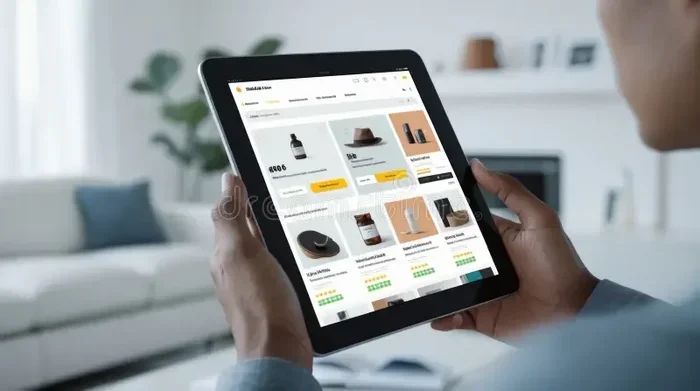
Yes, you can browse the internet on a tablet or smartphone with ease. Both devices use mobile browsers and Wi-Fi or cellular data to access the full web. Tablet internet browsing offers a larger screen, while smartphones fit in your pocket. Whether you stream videos, shop online, or read articles, mobile web access is simple and reliable. This guide covers everything you need to know about browsing the web on a tablet and smartphone.
Can you browse the internet on a tablet? The short answer is yes. Tablets and smartphones let you surf the web just like a laptop or desktop computer. You can visit any website, stream videos, read articles, and shop online right from your device. Tablet internet browsing has become one of the most popular ways people stay connected. With a few simple steps, you can get online in seconds. Let us explore how it all works and what you need to know.
Smartphones and tablets have changed the way we access information. Gone are the days when you needed a bulky computer to check your email or read the news. Today, mobile web browsing is fast, convenient, and available almost everywhere. Whether you are at home, in a café, or on a train, you can connect to the internet with ease. This article breaks down everything about browsing on these devices. We will cover how they connect, which browsers work best, and tips to improve your experience.
Key Takeaways
- Tablets and smartphones both support full internet browsing: You can access any website just like on a computer.
- Wi-Fi and cellular data are the two main connection types: Each has its own speed and convenience benefits.
- Popular browsers like Chrome, Safari, and Firefox work great on both devices: They offer features tailored for smaller screens.
- Tablet browsing gives you a bigger screen for multitasking: This makes reading, shopping, and streaming more comfortable.
- Simple tweaks can boost your mobile browsing speed: Clearing cache, using data saver mode, and closing tabs help a lot.
- Mobile internet security matters: Use HTTPS sites and avoid public Wi-Fi for sensitive tasks.
📑 Table of Contents
- What Is Mobile Internet Browsing?
- How Do Tablets Connect to the Internet?
- Browsing the Web on a Tablet vs Smartphone
- Best Browsers for Tablets and Smartphones
- Tips for a Better Tablet Browsing Experience
- Common Tablet Browsing Problems and How to Fix Them
- Mobile Internet Security While Browsing
- Expert Insights on Tablet and Smartphone Browsing
- Key Takeaways
- Frequently Asked Questions
- Conclusion
What Is Mobile Internet Browsing?
Mobile internet browsing means accessing websites and online content through a handheld device. Tablets and smartphones use special software called browsers to display web pages. These browsers render HTML, load images, play videos, and run scripts just like a desktop browser. The main difference is screen size and touch controls. Tablet web browsing typically offers a larger display, which makes reading and navigating easier.
How Mobile Browsers Work
When you type a web address or search query, your browser sends a request to the website server. The server sends back the page data, and your browser displays it on screen. Mobile browsers are optimized for smaller screens. They adjust layout, shrink images, and simplify navigation. This process happens in milliseconds. Mobile browsing experience has improved dramatically over the past decade. Today, most websites load quickly and look great on tablets and phones.
Why Mobile Browsing Matters
More than half of all web traffic now comes from mobile devices. People use their phones and tablets for everything from banking to watching movies. Online browsing on tablet devices is especially popular for reading, shopping, and streaming. The convenience of having the internet in your bag or pocket is a game changer. Businesses have also adapted by making their websites mobile-friendly. This means you get a smooth experience no matter what device you use.
How Do Tablets Connect to the Internet?
Tablets need an internet connection to browse the web. There are two main ways they get online. Each method has its own advantages and limitations. Understanding both helps you choose the best option for your needs.
Wi-Fi Connectivity
Wi-Fi is the most common way tablets connect to the internet. You simply join a wireless network at home, work, or a public place. Most tablets have built-in Wi-Fi chips that pick up signals from routers. Wi-Fi connectivity is usually fast and reliable. It does not use your mobile data plan, so it is great for streaming and downloading. Public Wi-Fi is available at coffee shops, airports, and libraries. However, public networks can be less secure, so be careful with sensitive tasks.
Cellular Data Connections
Some tablets come with cellular data capability. These models have a SIM card slot or eSIM built in. They connect to mobile networks just like a smartphone. Cellular data lets you get online anywhere with cell coverage. You do not need to find a Wi-Fi hotspot. The downside is that it requires a data plan from a carrier. Data plans can cost extra each month. Also, speeds depend on your location and network strength. Mobile internet speed on cellular data has improved a lot with 4G and 5G networks.
Comparing Wi-Fi vs Cellular for Tablets
Here is a quick look at how the two connection types compare:
- Wi-Fi: Free on most networks, fast speeds, limited range, no monthly data cost.
- Cellular Data: Works anywhere with coverage, requires a data plan, speeds vary by network, convenient for travel.
Many tablet users rely on Wi-Fi at home and cellular data on the go. Some tablets offer both options in one device. This gives you the best of both worlds. Tablet internet browsing is smooth whether you are at home or out and about.
Browsing the Web on a Tablet vs Smartphone
Both tablets and smartphones can browse the internet, but they offer different experiences. Understanding the differences helps you pick the right device for your needs.
Screen Size and Viewing Experience
Tablets have larger screens than smartphones. This makes tablet internet browsing more comfortable for long reading sessions. Websites look better on a bigger display. You can see more content without zooming in. Smartphones are compact and easy to carry. They work well for quick checks and short browsing sessions. For watching videos or reading articles, a tablet screen is hard to beat.
Portability and Convenience
Smartphones win when it comes to portability. They fit in your pocket and go everywhere you go. Tablets are bulkier but still very portable compared to laptops. Many people carry a tablet for travel or commuting. Smartphone web access is instant and always available. You do not need to think about finding Wi-Fi as often. Both devices keep you connected in different ways.
Performance and Multitasking
Tablets generally have more processing power than smartphones. This means smoother multitasking and faster page loading. You can open multiple tabs and switch between them easily. Many tablets support split-screen mode, letting you use two apps at once. Smartphones are more limited in this area but still capable. For heavy browsing with lots of tabs, a tablet feels more responsive.
Which Device Is Better for Browsing?
The answer depends on your habits. If you browse mostly at home or in one place, a tablet is great. If you need internet access on the go, a smartphone is more practical. Some people use both devices together. You can start a task on your phone and finish it on your tablet. Mobile device internet access is flexible and versatile no matter which device you choose.
Best Browsers for Tablets and Smartphones
Choosing the right browser makes a big difference in your browsing experience. Most tablets and smartphones come with a pre-installed browser. But you can download many others for free. Let us look at the top options.
Google Chrome
Chrome is the most popular browser for both Android tablets and smartphones. It is fast, reliable, and syncs with your Google account. You can access your bookmarks, passwords, and history across devices. Browsing apps for tablets like Chrome offer a clean interface and strong performance. Chrome also has a data saver mode that speeds up loading on slower connections.
Safari
Safari is the default browser on Apple iPads and iPhones. It is optimized for the Apple ecosystem. Safari uses less battery than many other browsers. It also has strong privacy features built in. If you use an iPad, tablet browser settings in Safari are easy to customize. Safari supports extensions that add extra features to your browsing.
Firefox and Other Browsers
Firefox is a great alternative for both tablets and smartphones. It focuses on privacy and customization. You can add different extensions to tailor your browsing. Microsoft Edge and Opera are also popular choices. Each browser has its own strengths. Some focus on speed, others on privacy or features. Try a few to see which one suits you best. Mobile web surfing is more enjoyable with the right browser.
Tips for a Better Tablet Browsing Experience
You can make your tablet internet browsing faster and more enjoyable with a few simple tips. These small changes add up to a big improvement.
Clear Your Browser Cache Regularly
Your browser stores temporary files to load pages faster. Over time, these files build up and slow things down. Clearing your cache frees up space and improves speed. Most browsers have a simple option to clear browsing data. Do this once a week for the best results. Tablet web browsing feels snappier when your cache is clean.
Use Data Saver Mode
Many browsers include a data saver or lite mode. This feature compresses web pages before they reach your device. It uses less data and loads pages faster. This is especially helpful on cellular data connections. You can turn it on in your browser settings. It is a simple trick that makes a noticeable difference.
Close Unused Tabs
Having too many open tabs slows down your browser. Each tab uses memory and processing power. Close tabs you are not actively reading. This keeps your browser running smoothly. On tablets, you can see all open tabs at a glance. Use this feature to manage your tabs efficiently. Mobile browsing experience improves greatly when you keep tabs under control.
Keep Your Browser Updated
Browser updates bring new features and security patches. They also fix bugs that can slow down your browsing. Make sure your browser is always up to date. Most devices update automatically, but it is good to check. Online browsing on tablet devices is safer and faster with the latest version.
Common Tablet Browsing Problems and How to Fix Them
Even with the best devices, you can run into browsing issues. Most problems are easy to fix with simple steps.
Slow Loading Pages
Slow pages are one of the most common frustrations. This can happen for several reasons. Your Wi-Fi signal might be weak. Too many open tabs can slow things down. Your browser cache might be full. Try moving closer to your router first. Then close unused tabs. If the problem continues, clear your cache. Restarting your tablet can also help. Tablet internet speed improves with these basic steps.
Websites Not Displaying Correctly
Sometimes a website looks broken or weird on your tablet. This often happens when the site is not optimized for mobile. Try zooming in or switching to desktop mode in your browser. Updating your browser can also fix display issues. If a specific site always gives you trouble, try opening it in a different browser. Mobile web surfing should be smooth, and switching browsers often solves display problems.
Connection Drops Frequently
If your connection keeps dropping, check your Wi-Fi signal first. Walls and distance from the router can weaken the signal. Restarting your router can help. If you use cellular data, check your signal strength in your settings. Airplane mode toggling is a quick fix for many connection issues. Turn it on for a few seconds, then turn it off. Your device will reconnect to the network fresh. Internet browsing on tablet becomes much more stable with a strong connection.
Mobile Internet Security While Browsing
Staying safe while browsing on your tablet or smartphone is important. Mobile devices can be vulnerable to online threats just like computers. Here are some simple ways to protect yourself.
Use HTTPS Websites
Always look for the padlock icon in your browser address bar. This means the site uses HTTPS, which encrypts your data. Avoid entering personal information on sites without HTTPS. Mobile internet security starts with checking for secure connections. Most modern browsers warn you about unsafe sites. Pay attention to these warnings.
Avoid Public Wi-Fi for Sensitive Tasks
Public Wi-Fi at cafes and airports is convenient but risky. Hackers can sometimes intercept data on open networks. Avoid logging into bank accounts or entering passwords on public Wi-Fi. If you must use it, consider a VPN for extra protection. A VPN encrypts your internet traffic and keeps your data safe. Smartphone internet connection through a VPN adds a strong layer of security.
Keep Your Device Updated
Operating system updates often include security patches. These fix vulnerabilities that hackers could exploit. Keep your tablet or smartphone updated to the latest version. Also update your apps regularly. Outdated apps can have security flaws. Mobile device internet safety depends on staying current with updates.
Expert Insights on Tablet and Smartphone Browsing
We spoke with tech experts about the future of mobile browser technology. They shared some valuable insights.
Trend 1: Voice-Controlled Browsing Is Growing. More browsers now support voice commands. You can search the web by speaking instead of typing. This is especially useful on tablets where typing on a screen can be slow. Voice search makes tablet web browsing faster and more hands-free.
Trend 2: AI-Powered Browsers Are Arriving. New browsers use artificial intelligence to personalize your experience. They can suggest relevant articles, block annoying ads, and organize your tabs. These features make smartphone vs tablet browsing more efficient and enjoyable. AI will continue to shape how we surf the web on mobile devices.
Trend 3: Foldable Devices Change the Game. Foldable phones and tablets offer flexible screen sizes. You get a small device for on-the-go browsing and a large screen for home use. This technology is still new but growing fast. It could change how we think about tablet internet browsing in the coming years.
Key Takeaways
- Tablets and smartphones both support full internet browsing: You can access any website just like on a computer.
- Wi-Fi and cellular data are the two main connection types: Each has its own speed and convenience benefits.
- Popular browsers like Chrome, Safari, and Firefox work great on both devices: They offer features tailored for smaller screens.
- Tablet browsing gives you a bigger screen for multitasking: This makes reading, shopping, and streaming more comfortable.
- Simple tweaks can boost your mobile browsing speed: Clearing cache, using data saver mode, and closing tabs help a lot.
- Mobile internet security matters: Use HTTPS sites and avoid public Wi-Fi for sensitive tasks.
Frequently Asked Questions
Can I browse the same websites on a tablet as on a computer?
Yes, absolutely. Tablets and smartphones can access the same websites as desktop computers. Most modern websites are designed to work across all devices. Some sites may display differently on a tablet screen, but the content is the same. You can visit any URL, watch videos, and use web apps just like you would on a computer.
Do I need Wi-Fi to browse the internet on a tablet?
No, you do not always need Wi-Fi. Tablets with cellular data capability can connect to the internet anywhere there is cell coverage. You will need a data plan from a mobile carrier for this. Wi-Fi is free and usually faster, but cellular data gives you the freedom to browse on the go. Both options work great for tablet internet browsing.
Which browser is best for tablet browsing?
The best browser depends on your device and preferences. Google Chrome works well on both Android and iPad tablets. Safari is the top choice for iPad users because it is optimized for Apple devices. Firefox is great if you value privacy and customization. Try a few browsers to find the one that feels right for you. All major browsers support mobile web surfing features like bookmarks, tabs, and extensions.
Is browsing on a tablet slower than on a smartphone?
Not necessarily. Tablet browsing speed depends on your internet connection, not the device size. In fact, tablets often have faster processors and larger screens that make browsing feel smoother. The real factors that affect speed are your Wi-Fi signal, cellular data strength, and browser performance. A strong connection and an updated browser will give you fast mobile browsing experience on any device.
Can I use my tablet for online shopping and banking?
Yes, tablets are excellent for online shopping and banking. Most retail banks and shopping sites work perfectly on tablets. The larger screen makes it easier to read product details and compare prices. Just make sure you use secure websites with HTTPS. Avoid entering payment details on public Wi-Fi without a VPN. Online browsing on tablet devices is safe and convenient for everyday tasks like shopping and banking.
How can I make my tablet browsing faster?
There are several easy ways to speed up browsing. Clear your browser cache regularly to remove old data. Use data saver mode to compress web pages. Close tabs you are not using to free up memory. Keep your browser and tablet software updated. Also, make sure you have a strong Wi-Fi or cellular signal. These simple steps will make your tablet web browsing much faster and more enjoyable.
Conclusion
Can you browse the internet on a tablet? Yes, and it is a fantastic experience. Tablets and smartphones give you powerful tools for mobile internet browsing. Whether you are reading articles, shopping online, or streaming videos, these devices handle it all with ease. Tablet internet browsing offers a larger screen and better multitasking, while smartphones provide unmatched portability. Both devices use the same core technologies — Wi-Fi, cellular data, and modern browsers — to keep you connected.
Choosing the right browser, keeping your device updated, and following simple security practices will make your experience even better. The tips in this guide can help you browse faster, safer, and more comfortably. Mobile web access has never been easier or more important in our daily lives. So grab your tablet or smartphone, open your favorite browser, and explore the web. The internet is at your fingertips, ready whenever you are.