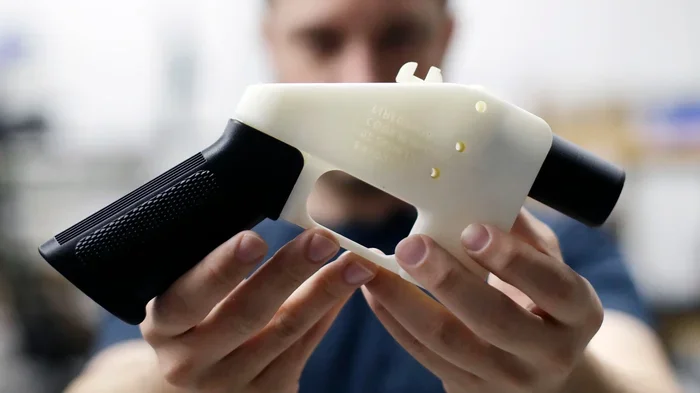
Are 3D Printed Guns Actually Illegal in the United States
3D printed guns exist in a legal gray area in the US, but they are not entirely illegal. Federal law allows people to manufacture firearms for personal use, including with a 3D printer, as long as they follow specific rules. The key is understanding the Undetectable Firearms Act, ATF regulations, and state-level laws that apply to 3D printed firearms.
Have you heard the buzz about 3D printed guns and wondered if they are actually illegal in the United States? You are not alone. This topic has sparked huge debates among lawmakers, gun rights advocates, and tech enthusiasts for years. The short answer is that it is not a simple yes or no. The legal landscape around 3D printed firearms is complicated, and it depends on several factors. In this article, we will break it all down for you in plain English. By the end, you will have a clear picture of what is legal, what is not, and what the future holds for 3D printed weapons in America.
The rise of 3D printing technology has opened up a whole new world of possibilities. People can now create almost anything at home, including parts for firearms. This has raised big questions about gun laws, public safety, and personal freedom. Whether you are a curious hobbyist, a concerned citizen, or just someone who wants to understand the news headlines, this guide has you covered. Let us dive into the details and separate fact from fiction.
Key Takeaways
- It is legal to make a 3D printed gun for personal use under federal law, but there are strict rules you must follow.
- The Undetectable Firearms Act makes it illegal to manufacture guns that cannot be detected by metal detectors.
- State laws vary widely, and some states have stricter rules about homemade and 3D printed firearms.
- You must serialize your firearm if you are a licensed manufacturer, but personal-use homemade guns have different requirements.
- Cody Wilson and Defense Distributed sparked the 3D printed gun debate by sharing digital blueprints online.
- Gun control laws are evolving, and courts continue to shape the legal landscape around 3D printed weapons.
- Owning a 3D printed gun is not the same as owning a regular firearm, and there are unique legal risks to understand.
📑 Table of Contents
What Are 3D Printed Guns?
A 3D printed gun is a firearm that is made, at least in part, using a 3D printer. These printers build objects layer by layer using plastic, metal, or other materials. Some 3D printed firearms are made entirely from plastic, while others use metal components. The idea of printing a gun at home might sound like science fiction, but it is very real and happening right now.
The most famous example comes from Cody Wilson, the founder of Defense Distributed. In 2013, he released blueprints for a 3D printed gun called the Liberator. This single-shot pistol was made mostly from plastic and could be printed on a standard desktop 3D printer. The release of these files set off a firestorm of debate about gun control, digital freedom, and public safety.
Since then, the technology has advanced a lot. Today, people can print gun frames, receivers, and even fully functional firearms at home. The 3D printing technology used for this purpose has become more accessible and affordable. This means more people can explore home manufacturing of firearms than ever before.
The Federal Legal Landscape
Understanding federal law is the first step to answering the big question: are 3D printed guns illegal? The answer at the federal level might surprise you. Making a firearm for personal use is legal in the United States. This includes firearms made with a 3D printer. However, there are important rules and restrictions you need to know about.
The Undetectable Firearms Act
One of the most important laws governing 3D printed firearms is the Undetectable Firearms Act. This law, first passed in 1988, makes it illegal to manufacture, sell, or possess a firearm that cannot be detected by a metal detector or X-ray machine. Since many plastic guns are made entirely from non-metallic materials, this law directly affects 3D printed weapons.
Under this act, any 3D printed firearm must include enough metal to make it detectable by standard security screening equipment. This means you cannot legally print a completely plastic gun and carry it around. The law exists to ensure that firearms remain detectable in places like airports, government buildings, and schools.
It is worth noting that the Undetectable Firearms Act has been renewed several times. It is currently set to expire in 2024, but Congress has consistently renewed it. This shows that lawmakers take the issue of undetectable weapons seriously.
ATF Regulations on Homemade Firearms
The Bureau of Alcohol, Tobacco, Firearms and Explosives, or ATF, oversees firearms regulations in the US. According to the ATF, a person can manufacture a firearm for personal use without a federal firearms license. This applies to 3D printed guns as well.
However, there is a catch. If you manufacture a firearm with the intent to sell it, you need a license. Also, if you manufacture a firearm for resale or distribution, different rules apply. The ATF draws a clear line between personal use and commercial manufacturing.
Here are some key points about ATF regulations for homemade guns:
- Personal use manufacturing is legal without a license.
- Selling homemade firearms requires a federal firearms license.
- Serial numbers are required for firearms made for sale.
- Destructive devices and certain types of firearms have additional restrictions.
- Suppressors and short-barreled rifles require special tax stamps and registration.
The Role of Digital Files and Blueprints
One of the most debated aspects of 3D printed guns is the sharing of digital blueprints online. When Cody Wilson first released the files for the Liberator, the government tried to take them down. This led to a long legal battle over whether sharing 3D gun files online is legal.
Currently, sharing 3D printed gun blueprints exists in a legal gray area. The government has not made it outright illegal to download or share these files in most cases. However, there are ongoing discussions and legal challenges around this topic. The gun control debate often includes concerns about the ease of accessing digital files for untraceable firearms.
State Laws on 3D Printed Guns
While federal law provides a baseline, state laws can be very different. Some states have strict rules about homemade weapons and 3D printed firearms. Others have more relaxed regulations. It is important to know the laws in your specific state before you consider making or owning a 3D printed gun.
States With Stricter Regulations
Several states have passed laws specifically targeting 3D printed guns and homemade firearms. These laws often require serialization, background checks, or outright bans on certain types of plastic guns.
Here are some states with stricter rules:
- California requires all firearms, including homemade ones, to be serialized and registered.
- New York has laws that specifically address undetectable firearms and digital manufacturing files.
- New Jersey has some of the strictest gun laws in the country, including rules about 3D printed weapons.
- Illinois has regulations that make it harder to manufacture firearms without proper licensing.
- Washington has considered legislation to further restrict 3D printed gun ownership and distribution.
States With More Lenient Laws
On the other hand, some states have fewer restrictions on homemade firearms. In these states, the general federal rules apply more directly. However, even in lenient states, the Undetectable Firearms Act still applies at the federal level.
It is always a good idea to check your local laws before manufacturing or owning any type of firearm, including 3D printed guns. Laws change frequently, and staying informed is your best defense against legal trouble.
Are 3D Printed Guns Legal to Own?
So, let us get to the heart of the question. Are 3D printed guns legal to own in the United States? The answer is yes, with important caveats. You can legally own a 3D printed firearm for personal use as long as you follow federal and state laws.
Here is what makes a 3D printed gun legal:
- The firearm must include enough metal to be detected by standard screening equipment.
- The gun is made for personal use, not for sale or distribution.
- You comply with all applicable state and local laws.
- You are not a prohibited person under federal law (such as a convicted felon).
- You do not manufacture regulated items like suppressors or automatic weapons without proper authorization.
If you meet all these conditions, owning a 3D printed firearm is not illegal under federal law. However, if you violate any of these rules, you could face serious legal consequences, including criminal charges.
The Gun Control Debate and 3D Printed Firearms
The rise of 3D printed guns has intensified the ongoing gun control debate in America. Advocates for stricter laws argue that 3D printed weapons pose a unique threat because they can be made at home, without background checks or serial numbers. They worry that these guns could end up in the hands of people who would not pass a standard background check.
On the other side, gun rights advocates argue that making a firearm for personal use is a constitutional right. They point out that homemade firearms have existed for a long time, and 3D printing just makes the process easier. They also emphasize that digital freedom and the right to share information are important values.
Lawmakers continue to grapple with how to regulate 3D printed firearms without infringing on constitutional rights. Several bills have been introduced in Congress over the years to address this issue. Some propose banning 3D printed gun files online, while others focus on improving detection technology at security checkpoints.
What Experts Say
Experts in firearm law and 3D printing technology generally agree that the legal landscape is still evolving. The rapid pace of technological change often outpaces legislation. This means that the laws around 3D printed guns will likely continue to change in the coming years.
Many legal scholars believe that the key challenge is balancing public safety with individual freedoms. As 3D printing technology becomes more advanced and widespread, this balance will become even harder to strike.
Common Mistakes and Risks
If you are considering making or owning a 3D printed firearm, it is important to be aware of common mistakes and risks. These can lead to serious legal trouble or safety hazards.
Skipping the Research
The biggest mistake people make is not researching the laws in their area. Gun laws vary by state, county, and even city. What is legal in one place might be illegal in another. Always do your homework before you start printing or assembling any firearm.
Ignoring the Metal Requirement
Another common mistake is ignoring the metal detection requirement under the Undetectable Firearms Act. A completely plastic 3D printed gun is illegal to manufacture and possess. Always ensure your firearm includes enough metal to be detected by standard screening equipment.
Selling Without a License
Some people make the mistake of selling 3D printed firearms without a federal firearms license. This is a serious federal crime that can result in heavy fines and imprisonment. If you want to sell firearms, you must follow the proper legal steps.
Neglecting Safety
3D printed firearms can be less reliable than traditionally manufactured guns. The materials and printing process can affect the strength and durability of the firearm. Always test your firearms safely and never use a 3D printed gun that shows signs of wear or damage.
Quick Tips for Staying Legal
Want to make sure you stay on the right side of the law? Here are some quick tips:
- Always check your state and local laws before manufacturing any firearm.
- Include metal components in your 3D printed firearms to comply with the Undetectable Firearms Act.
- Never sell homemade guns without a federal firearms license.
- Keep your firearm for personal use only to avoid licensing issues.
- Stay informed about new laws and court rulings related to 3D printed weapons.
- Consult a legal expert if you have questions about firearm manufacturing laws.
- Practice safe gun handling at all times, especially with homemade firearms.
What the Future Holds for 3D Printed Guns
The future of 3D printed firearms is uncertain but exciting. As 3D printing technology continues to advance, the quality and capabilities of 3D printed guns will likely improve. This will probably lead to more debates and new legislation.
Some experts predict that lawmakers will introduce stricter regulations on digital gun files and 3D printed weapons. Others believe that the technology will become so widespread that regulation will be difficult to enforce. One thing is for sure: the conversation around 3D printed guns is far from over.
Whether you are a supporter of gun rights or a proponent of gun control, it is important to stay informed. Understanding the legal status of 3D printed firearms helps you make better decisions and participate in the ongoing debate.
Key Takeaways
- Making a 3D printed gun for personal use is legal under federal law, as long as you follow all rules.
- The Undetectable Firearms Act requires that all firearms, including 3D printed ones, contain enough metal to be detected.
- State laws vary significantly, so always check your local regulations before manufacturing or owning a 3D printed firearm.
- Selling homemade guns without a license is a serious federal offense.
- Sharing digital blueprints for 3D printed guns exists in a legal gray area with ongoing debates.
- Staying informed and following the law is the best way to avoid legal trouble with 3D printed weapons.
Conclusion
The question of whether 3D printed guns are illegal in the US does not have a simple answer. The truth is that 3D printed firearms exist in a complex legal space. At the federal level, you can legally make a firearm for personal use, including with a 3D printer. But there are important rules to follow, especially around the Undetectable Firearms Act and state-level regulations.
The debate over 3D printed guns is part of a larger conversation about gun control, digital freedom, and public safety. As technology continues to evolve, the laws will likely change too. The best thing you can do is stay informed, follow the rules, and understand the legal risks involved.
Whether you are a tech enthusiast, a gun owner, or just someone who wants to understand the news, knowing the legal status of 3D printed firearms is valuable. The world of 3D printed weapons is changing fast, and staying ahead of the curve means staying educated and aware.
Remember, knowledge is power. And when it comes to 3D printed guns and the law, being well-informed is your greatest asset. Take what you have learned here, do your own research, and always prioritize safety and legality in everything you do.
Frequently Asked Questions
Can I legally make a 3D printed gun at home in the US?
Yes, you can legally manufacture a firearm for personal use at home, including with a 3D printer. However, the gun must contain enough metal to be detected by standard screening equipment, and you must comply with all federal and state laws.
Is it illegal to share 3D printed gun blueprints online?
The legality of sharing 3D printed gun files online is currently in a gray area. The government has not made it outright illegal in most cases, but there are ongoing legal challenges and debates about digital gun file distribution.
Do I need a license to make a 3D printed firearm?
No, you do not need a federal firearms license to manufacture a firearm for personal use. You only need a license if you intend to sell or distribute the firearm.
Are plastic 3D printed guns legal in the US?
Completely plastic guns are illegal under the Undetectable Firearms Act. Any 3D printed firearm must include enough metal to be detectable by metal detectors and X-ray machines.
What are the penalties for illegally manufacturing a 3D printed gun?
Punishments can include heavy fines and federal prison time, depending on the specific violation. Manufacturing and selling unserialized firearms without a license is a serious federal offense.
How do state laws affect 3D printed gun ownership?
State laws vary widely. Some states like California and New York have strict rules requiring serialization and registration, while other states follow federal guidelines more closely. Always check your local laws.