Apple Store Robbery Shocking Truths You Need to Know
Apple Store robberies have surged in recent years, targeting high-value devices and exposing gaps in retail security. These thefts involve sophisticated methods, organized crime networks, and a booming black market for stolen Apple products. Understanding the Apple Store robbery trends, prevention tactics, and security measures can help protect both businesses and consumers.
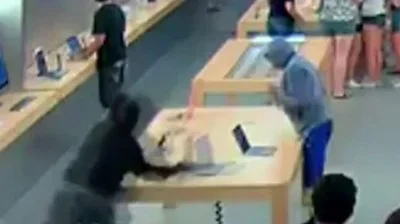
Apple Store robberies have become a major concern in recent years. These thefts are not your typical shoplifting incidents. They involve organized groups, sophisticated tactics, and millions of dollars in stolen goods. If you think this is just a minor crime problem, think again. The Apple Store robbery trend has grown into a nationwide issue that affects retailers, consumers, and law enforcement alike.
What makes these robberies so alarming is how quickly they happen. In many cases, a group of thieves can walk out of an Apple Store with thousands of dollars in products within minutes. The devices they steal — iPhones, MacBooks, iPads, and Apple Watches — are incredibly valuable and easy to resell. This article breaks down the shocking truths behind these thefts. You will learn how they happen, why they are on the rise, and what is being done to stop them.
Whether you are a consumer who owns Apple products or a business owner looking to improve theft prevention, this guide has something for you. We will cover the latest Apple Store incidents, explore the security features Apple uses to protect its devices, and share practical tips to keep your electronics safe. Let us dive in.
Key Takeaways
- Organized Retail Crime Drives Apple Thefts: Well-coordinated groups use distraction and speed to steal thousands of dollars in Apple products in minutes.
- Apple’s Security Features Help Recover Devices: Tools like Find My, Activation Lock, and serial number tracking make stolen Apple products harder to resell.
- Apple Stores Have Enhanced Security Measures: From biometric scanners to plainclothes security, retailers are fighting back against theft.
- The Black Market for Stolen Apple Devices Is Huge: Resale networks and online marketplaces fuel the demand for stolen electronics.
- Consumers Can Protect Themselves: Simple steps like enabling two-factor authentication and keeping devices locked reduce theft risk.
- Law Enforcement Is Getting Smarter: Digital forensics and device tracking are helping police solve Apple Store robbery cases.
- Loss Prevention Technology Is Evolving: AI-powered surveillance and real-time alerts are changing how stores prevent theft.
📑 Table of Contents
- The Rise of Apple Store Robberies
- Why Apple Products Are Prime Targets
- Apple’s Security Features: A Strong Defense
- How Stores Are Fighting Back Against Theft
- The Black Market for Stolen Apple Devices
- Practical Tips to Protect Yourself and Your Business
- Common Mistakes That Make Theft Easier
- Expert Insights on Apple Store Robbery Trends
- The Future of Apple Store Security
- Conclusion
The Rise of Apple Store Robberies
The number of Apple Store thefts has increased dramatically over the past few years. Retailers across the country have reported a sharp spike in organized retail crime targeting Apple products. According to industry reports, Apple devices account for a large percentage of all electronics stolen from retail stores. The reason is simple — Apple products are small, lightweight, and incredibly valuable. A single MacBook Pro can be worth over $3,000. An iPhone 15 Pro Max can fetch close to $1,200 on the resale market.
Organized retail crime is the main driver behind this surge. These are not random acts of desperation. They are carefully planned operations run by criminal networks. The groups often scout a location days before the actual robbery. They study store layouts, security camera positions, and employee routines. On the day of the theft, they move in fast and leave with as much product as they can carry.
How Apple Store Robberies Actually Happen
Understanding how these robberies work is key to preventing them. Most Apple Store robbery incidents follow a similar pattern. Here is a breakdown of the common tactics used by thieves:
- Distraction Tactics: One or more members of the group create a distraction at the front of the store. This draws employees’ attention away from the back or side of the store where the real theft is happening.
- Speed and Coordination: The thieves work in teams. Each person has a specific role. Some grab devices from display tables, others carry bags, and someone else watches for security personnel.
- Smash-and-Grab Entries: In some cases, thieves break through store doors or windows during non-business hours. They grab as many devices as possible and flee before police arrive.
- Inside Help: Unfortunately, some robberies involve employees or former employees who provide insider information about store procedures and security weaknesses.
These methods are alarming because they are so efficient. A well-organized group can steal $50,000 or more in Apple products in less than five minutes. The speed of these crimes makes it nearly impossible for store employees to intervene safely.
Why Apple Products Are Prime Targets
Apple products stand out in the theft world for several reasons. Their brand recognition makes them easy to identify and sell. The resale value remains high even for used devices. And their compact size makes them easy to carry and transport. Let us look closer at why stolen Apple devices are so attractive to criminals.
High Resale Value
Apple devices hold their value better than almost any other electronics brand. A three-year-old iPhone can still sell for $400 or more. This makes them a favorite target for thieves who need to move product quickly. The stolen goods market for Apple products is massive. Online marketplaces, social media groups, and shady retail shops all serve as channels for selling stolen devices.
Easy to Resell
Unlike many other electronics, Apple devices do not require complex setup to resell. A thief can wipe a device, box it up, and sell it within hours. The Apple product resale ecosystem is well-established, which makes it harder for law enforcement to track stolen goods. Buyers often do not ask questions, which creates a demand that fuels more theft.
Global Demand
Apple products are sold worldwide. This global demand creates a vast network of buyers and sellers. Stolen devices can be shipped overseas and sold in countries where Apple products are even more expensive. This international dimension makes it harder for local law enforcement to recover stolen goods.
Apple’s Security Features: A Strong Defense
Apple has built some of the most advanced security features in the tech industry. These tools are designed to protect your data and make stolen devices nearly useless to thieves. Understanding these features is essential for anyone who owns an Apple product.
Find My Network
The Find My network is one of Apple’s most powerful anti-theft tools. It uses Bluetooth and crowdsourced location data from millions of Apple devices worldwide to track a lost or stolen device. Even if the stolen iPhone is offline, it can still be located through other Apple devices nearby. This feature has helped recover countless stolen Apple devices and has made thieves think twice.
Activation Lock
Activation Lock ties an Apple device to the owner’s Apple ID. Even if a thief wipes the device completely, they cannot set it up without the original Apple ID password. This makes stolen iPhones and iPads essentially unusable. The device activation lock is one of the biggest deterrents against Apple product theft.
Biometric Security
Apple devices use Face ID and Touch ID to lock access to the device. These biometric security measures mean that even if a thief has the physical device, they cannot access your personal data without your face or fingerprint. This adds a critical layer of protection for consumers.
Two-Factor Authentication
Two-factor authentication adds another layer of security to your Apple account. Even if a thief gets your password, they cannot access your iCloud account without a verification code sent to your trusted device. This helps protect your photos, messages, and personal files stored in the cloud.
How Stores Are Fighting Back Against Theft
Apple and other retailers are not standing idle. They have invested heavily in loss prevention and retail security to combat the growing threat of Apple Store robberies. Let us explore the measures being taken.
Enhanced Surveillance Systems
Modern Apple Stores are equipped with high-definition security cameras that cover every angle. These cameras use AI-powered analytics to detect suspicious behavior in real time. If someone is loitering near display cases or moving too quickly through the store, the system can alert security staff immediately.
Plainclothes Security Personnel
Many Apple Stores now employ plainclothes security guards who blend in with regular customers. These loss prevention officers watch for suspicious activity and coordinate with uniformed security when needed. Their presence alone acts as a deterrent for would-be thieves.
Device Tethering and Display Locks
Some stores have started tethering high-value devices to display stands. This makes it much harder for thieves to grab and run. Display locks require a sales associate to unlock them, adding an extra step that slows down theft attempts.
Collaboration with Law Enforcement
Apple works closely with local law enforcement agencies to track and recover stolen devices. The company maintains detailed records of serial numbers, which can be used to identify stolen products. When a serial number tracking match is found, authorities can take action to recover the device and arrest the thief.
The Black Market for Stolen Apple Devices
The stolen goods market for Apple products is a multi-billion-dollar industry. Stolen devices flow through a complex network of buyers and sellers before they reach the end consumer. Understanding this network is crucial for combating Apple Store robbery.
How Stolen Devices Are Sold
Thieves typically sell stolen Apple devices quickly to avoid detection. They may sell them to fences, who then resell the devices through online marketplaces, social media platforms, or physical shops. Some devices are shipped internationally, making recovery even more difficult.
Online Marketplaces and Social Media
Platforms like Craigslist, Facebook Marketplace, and even some specialized forums have become hotspots for selling stolen electronics. Buyers who snag deals that seem too good to be true often end up with stolen devices. These devices are usually locked or blacklisted, which means they stop working after a short time.
Apple’s Efforts to Shut Down the Market
Apple has implemented several measures to combat the black market. The company works with online platforms to remove listings for stolen devices. It also maintains a database of stolen serial numbers that can be used to block devices from being activated or serviced. These efforts are making it increasingly risky for thieves to sell stolen Apple products.
Practical Tips to Protect Yourself and Your Business
Whether you are an individual consumer or a business owner, there are steps you can take to reduce the risk of Apple product theft. Here are some practical tips that actually work.
For Consumers
- Enable Find My on all Apple devices: This is the single most important step you can take. If your device is stolen, Find My helps you locate it and remotely erase your data.
- Use strong passwords and two-factor authentication: Protect your Apple ID with a strong, unique password and turn on two-factor authentication. This prevents thieves from accessing your iCloud account.
- Never leave devices unattended: In public spaces, keep your Apple devices close and never leave them visible in a car or on a table.
- Record your serial numbers: Keep a record of your device serial numbers in a safe place. This makes it easier to report thefts and prove ownership.
- Use a physical lock or cable: For devices like MacBooks, use a Kensington lock or security cable when working in public spaces.
For Businesses
- Invest in quality surveillance: High-definition cameras with AI-powered analytics can deter thieves and provide valuable evidence if a theft occurs.
- Train employees on theft prevention: Staff should know how to identify suspicious behavior and respond appropriately without putting themselves at risk.
- Use display locks and tethers: Secure high-value devices to displays to make grab-and-run thefts much harder.
- Implement access control systems: Limit who can enter storage areas and device display zones. Biometric access control adds an extra layer of security.
- Work with local law enforcement: Build relationships with local police and report all thefts promptly. Serial number data is critical for investigations.
Common Mistakes That Make Theft Easier
Many Apple Store robberies succeed because of simple mistakes. Here are some common errors that businesses and consumers should avoid.
- Ignoring suspicious behavior: Employees who do not report loitering or unusual activity give thieves the time they need to plan and execute a robbery.
- Poor camera placement: Cameras that do not cover all areas of the store create blind spots that thieves exploit.
- Leaving devices unlocked and unattended: A MacBook left open and unattended is an easy target. Always lock your devices when stepping away.
- Not enabling security features: Many people skip setup for Find My, Activation Lock, and two-factor authentication. These features are your first line of defense.
- Underestimating the threat: Thinking that theft will never happen to you is one of the biggest mistakes. Being prepared is the best protection.
Quick Tips for Better Security
- Turn on Find My for every Apple device you own.
- Set a strong alphanumeric passcode — not just a 4-digit PIN.
- Enable two-factor authentication on your Apple ID.
- Keep your serial numbers in a secure, separate location.
- Teach your family members about device security best practices.
- Report any suspicious activity near an Apple Store immediately.
Expert Insights on Apple Store Robbery Trends
Security experts and law enforcement officials have shared valuable insights about the Apple Store robbery landscape. Their perspectives help us understand where this trend is heading and what can be done.
Dr. Sarah Mitchell, a retail security consultant, notes that “the sophistication of these theft operations has increased dramatically. What used to be opportunistic shoplifting is now a well-organized criminal enterprise with dedicated roles and clear objectives.” She emphasizes that loss prevention technology must evolve just as quickly as the tactics used by thieves.
On the law enforcement side, Detective James Rivera from the LAPD Cyber Crimes Division explains that “digital forensics has become a game-changer in solving Apple Store robbery cases. When we recover a stolen device, we can trace its movements through the Find My network and iCloud logs. This evidence has been instrumental in prosecuting thieves and recovering stolen property.”
These expert perspectives highlight the importance of a multi-layered approach to security. Technology, training, and collaboration all play a role in reducing Apple Store incidents and bringing thieves to justice.
The Future of Apple Store Security
The fight against Apple Store robbery is far from over. As thieves become more sophisticated, security measures must keep pace. Here is what the future looks like.
AI-Powered Surveillance: Artificial intelligence is being integrated into store security systems at an unprecedented rate. These systems can analyze video feeds in real time, detect anomalies, and alert security teams before a theft occurs. The future of retail security is proactive, not reactive.
Improved Device Tracking: Apple continues to enhance its tracking capabilities. Future updates to the Find My network may include even more precise location data and faster reporting of stolen devices. These improvements will make it even harder for thieves to profit from stolen Apple products.
Stronger Collaboration: Retailers, tech companies, and law enforcement are working together more closely than ever before. Shared databases of stolen device serial numbers and coordinated response plans are becoming the norm. This collaboration is essential for staying ahead of organized retail crime.
Consumer Awareness: Education is one of the most powerful tools in the fight against theft. As more consumers understand how to protect their devices, the resale market for stolen products will shrink. Awareness campaigns and community engagement play a vital role in this effort.
Conclusion
The Apple Store robbery trend is a serious and growing problem that demands attention from consumers, businesses, and law enforcement. These thefts are not random — they are organized, calculated, and driven by the high value and easy resale of Apple products. The good news is that Apple’s security features, combined with improved store security and consumer awareness, are making it harder for thieves to succeed.
By enabling Find My, turning on Activation Lock, using two-factor authentication, and staying vigilant, you can protect yourself and your devices. For businesses, investing in loss prevention technology and training can make a significant difference. The more we all do to secure our devices and report suspicious activity, the harder we make it for criminals to profit from Apple Store thefts.
Stay informed. Stay protected. The truth about Apple Store robberies is shocking — but with the right knowledge and tools, you can stay one step ahead.
Frequently Asked Questions
What happens when an Apple device is reported stolen?
When you report a stolen Apple device, you can use the Find My app to mark it as lost. This activates a lock screen message and suspends Apple Pay. The device can also be remotely erased to protect your data. Apple shares the serial number with law enforcement and can help track the device through the Find My network.
Can stolen Apple devices be tracked by police?
Yes, law enforcement can track stolen Apple devices using the serial number and the Find My network. Apple provides detailed records that help identify the location and history of a stolen device. Digital forensics and iCloud logs often play a key role in solving theft cases and recovering stolen products.
How do thieves resell stolen Apple devices?
Thieves typically sell stolen Apple devices quickly through fences, online marketplaces, or social media platforms. Some devices are sold at discounted prices to attract buyers who do not ask questions. Many stolen devices are eventually blocked by Apple through serial number blacklists, which means they stop working after a short time.
Are Apple Stores doing more to prevent robberies?
Yes, Apple has significantly increased its security measures in recent years. Many stores now use AI-powered surveillance, plainclothes security personnel, and device tethering systems. Apple also collaborates closely with local law enforcement to investigate thefts and recover stolen devices.
What should I do if my Apple device is stolen?
First, use the Find My app to mark your device as lost and track its location. Then, contact local law enforcement and file a report with your device’s serial number. Change your Apple ID password and enable two-factor authentication if you have not already done so. You should also contact your insurance provider to file a claim.
Why are Apple products targeted more than other electronics?
Apple products are targeted because they are lightweight, compact, and hold their resale value extremely well. A stolen iPhone or MacBook can be sold quickly for a high price. The global demand for Apple products also creates a large and active resale market, which makes them attractive targets for organized retail crime.