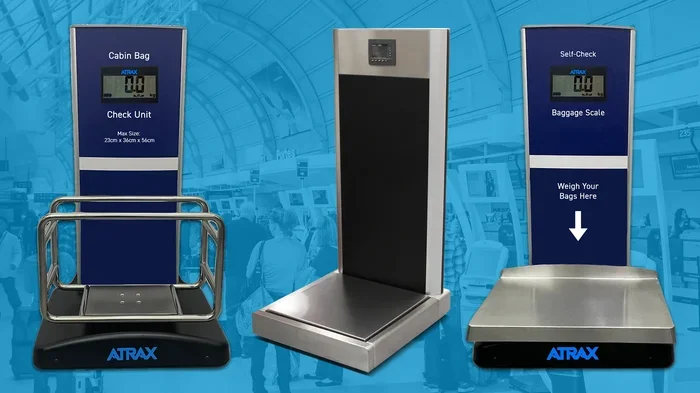
Do Airlines Weigh Laptop Bags And What You Need To Know
Do airlines weigh laptop bags? The short answer is yes, some airlines do, but it depends on the carrier, route, and cabin class. Most major airlines focus on carry-on size restrictions rather than weight, but budget airlines and international carriers are more likely to enforce strict laptop bag weight limits. Understanding these rules can save you from surprise fees, delays, and the stress of re-packing at the gate.
Traveling with a laptop can feel like a balancing act. You want to stay productive on the go, but you also need to make sure your gear gets through security and onto the plane without any issues. One question that trips up many travelers is whether airlines actually weigh laptop bags. The answer might surprise you.
The truth is that airline baggage policies vary widely. Some carriers care more about the size of your bag than the actual weight. Others will pick up your carry-on and toss it on a scale without warning. Understanding how carry-on luggage weight limits work for laptop bags can save you time, money, and a lot of stress at the airport.
In this guide, we will walk through everything you need to know. We will cover which airlines weigh laptop bags, what the typical limits are, and how to pack smart so you never get caught off guard. Whether you fly domestically or internationally, this article has you covered.
Key Takeaways
- Not all airlines weigh laptop bags: Full-service carriers often skip weight checks for carry-ons, while low-cost airlines frequently enforce them.
- Size matters more than weight: Most airlines prioritize carry-on dimensions over actual weight for laptop bags.
- Budget airlines are stricter: Carriers like Ryanair, Spirit, and Frontier are known for weighing cabin luggage at the gate.
- International flights have different rules: Long-haul and overseas carriers may apply cabin baggage weight limits more rigorously.
- Being prepared saves money: Knowing your airline’s policy ahead of time helps you avoid last-minute gate-check fees and baggage charges.
- Personal items have looser limits: A laptop bag is often classified as a personal item, which typically has more relaxed rules than a full carry-on.
📑 Table of Contents
What Are Airlines Rules for Laptop Bags?
Before diving into the weighing question, it helps to understand how airlines classify laptop bags in the first place. Most carriers treat a laptop bag as a personal item rather than a full carry-on. A personal item is typically smaller and designed to fit under the seat in front of you. Think of it as your extra bag on top of your main carry-on suitcase.
The rules around personal items focus heavily on dimensions. Airlines set maximum size limits for these bags, usually around 18 x 14 x 8 inches, though this varies by carrier. The idea is that the bag must fit in the underseat storage compartment. If it fits, most airlines are happy to let you bring it aboard.
However, there is more to the story than just size. Some airlines do enforce weight restrictions on personal items, including laptop bags. This is where things get tricky, and where many travelers get caught off guard.
How Airlines Classify Laptop Bags
Airlines generally group cabin luggage into three categories:
- Carry-on baggage: The larger bag you store in the overhead bin. This usually has both size and weight limits.
- Personal item: A smaller bag like a laptop bag, purse, or small backpack that fits under your seat.
- Additional bag: Any extra luggage beyond the standard allowance, which often comes with a fee.
Your laptop bag most likely falls into the personal item category. This classification matters because personal items often get less scrutiny than full carry-ons. But do not let that lull you into a false sense of security. Some airlines still check the weight of personal items, especially on busy flights or during peak travel seasons.
Which Airlines Actually Weigh Laptop Bags?
Not every airline weighs laptop bags. In fact, the majority of full-service carriers do not bother weighing personal items like laptop bags. They trust that if the bag fits under the seat, it is within limits. But that does not mean you can ignore weight entirely.
Low-cost carriers are the ones most likely to put your laptop bag on a scale. Airlines like Ryanair, Spirit Airlines, and Frontier Airlines are known for their strict cabin baggage enforcement. These carriers operate on thin margins and rely on baggage fees as a major revenue stream. As a result, they are much more vigilant about checking both size and weight at the gate.
International carriers also tend to be more strict. If you are flying long-haul on airlines like Emirates, British Airways, or Qantas, there is a higher chance your bag will be weighed. This is especially true on popular routes with full flights, where overhead bin space becomes a premium commodity.
Budget Airlines and Weight Enforcement
Budget airlines have become notorious for their strict cabin baggage policies. Here is a closer look at some of the most common carriers and their approaches:
- Ryanair: This Irish carrier is famous for its aggressive baggage enforcement. While they do not always weigh personal items, they absolutely can and will do so at the gate. Their size limits for personal items are also tighter than most competitors.
- Spirit Airlines: Spirit charges for nearly everything, and carry-on bags are no exception. They do weigh bags at the gate, and oversized or overweight personal items can result in fees ranging from $50 to over $100.
- Frontier Airlines: Similar to Spirit, Frontier enforces both size and weight limits on cabin luggage. Their personal item dimensions are strict, and gate agents have been known to weigh bags that look even slightly oversized.
- EasyJet: This European carrier does not typically weigh personal items, but they do enforce strict size rules. If your bag does not fit in the measuring frame at the gate, you may have to check it.
On the other hand, major airlines like Delta, United, American Airlines, and Southwest generally do not weigh personal items like laptop bags. They focus more on making sure the bag fits in the overhead bin or under the seat. However, this can change depending on the route, the aircraft, and how full the flight is.
How Much Can Your Laptop Bag Weigh?
If your airline does enforce a weight limit for laptop bags, what should you expect? The answer depends on the carrier, but there are some general guidelines you can follow.
Most airlines that do weigh personal items set the limit between 7 kg and 10 kg (roughly 15 to 22 pounds). Some budget carriers keep it closer to 7 kg, while full-service international airlines might allow up to 12 kg for cabin luggage including personal items.
It is also worth noting that the maximum carry-on weight for a full-sized carry-on bag is usually higher, around 10 to 15 kg. Since a laptop bag is classified as a personal item, the weight limit is typically on the lower end. Always check your specific airline’s policy before you fly.
Typical Weight Limits by Airline Type
Here is a general breakdown of what to expect:
- Full-service domestic airlines: Usually no weight limit for personal items, but size limits apply strictly.
- Low-cost domestic airlines: Personal item weight limits of 7 to 10 kg are common.
- Full-service international airlines: Personal items may be limited to 7 to 12 kg, depending on the carrier and route.
- International low-cost carriers: Weight limits of 7 kg are standard for all cabin luggage, including personal items.
The best way to avoid surprises is to weigh your laptop bag at home before heading to the airport. A simple portable luggage scale can save you a lot of hassle. These scales cost just a few dollars and give you peace of mind before you travel.
Tips to Keep Your Laptop Bag Under the Weight Limit
Packing smart is the key to avoiding weight-related issues at the airport. You do not need to be a packing expert to keep your laptop bag within limits. A little planning goes a long way.
Start by weighing your empty bag. This gives you a baseline. Then add your laptop, charger, and any other essentials. Weigh the bag again and see how much room you have before hitting the limit. This simple habit can prevent a lot of headaches.
Packing Strategies for Light Travel
Here are some practical tips to keep your laptop bag light and compliant:
- Choose a lightweight bag: Look for laptop bags made from light materials like ripstop nylon or thin polyester. Avoid heavy leather bags or bags with excessive padding that adds unnecessary weight.
- Use a laptop sleeve instead of a padded case: A simple sleeve adds very little weight while still protecting your device. This is one of the easiest ways to shave ounces off your bag.
- Limit what you carry: Only bring what you actually need for the trip. Leave heavy books, extra cables, and unnecessary accessories at home. A minimalist travel setup keeps your bag light and your movements quick.
- Wear your heaviest items: If your laptop bag is close to the weight limit, wear your heaviest jacket or shoes instead of packing them. This frees up weight allowance for your bag.
- Use compression straps: Many laptop bags come with compression straps that help you compact the contents and reduce bulk. This does not reduce weight, but it helps the bag meet size requirements more easily.
- Distribute weight smartly: Place heavier items close to your back and center them in the bag. This makes the bag feel lighter and more comfortable to carry, even if the actual weight is close to the limit.
Another helpful trick is to wear your laptop bag on your body while passing through the gate weighing area. Some airlines weigh bags that are placed on the scale, and wearing the bag means the weight includes your body, making the bag appear lighter. Of course, this only works if the airline does not specifically require the bag to be weighed separately.
Quick Tips for Stress-Free Packing
- Keep a portable scale in your closet and use it every time you pack.
- Make a checklist of essentials so you do not overpack by accident.
- Leave non-essential items in your checked luggage when possible.
- Choose a bag with built-in weight indicators or lightweight materials.
- Review your airline’s cabin baggage guidelines the night before your flight.
What Happens If Your Laptop Bag Is Too Heavy?
So your bag is overweight and you are standing at the gate. What happens next? The outcome depends on the airline and how strict they are being that day.
In many cases, the gate agent will simply ask you to check the bag. This means your laptop bag goes into the cargo hold, and you board the plane without it. For most travelers, this is the most common outcome. You will get your bag at the baggage carousel after landing.
Some airlines charge a fee for overweight or oversized cabin luggage. Budget carriers are especially likely to do this. Fees can range from $30 to over $150 depending on the carrier and the route. In some cases, you may also be required to check a second bag if your laptop bag is considered too large or heavy.
On international flights, the consequences can be more severe. Some carriers enforce weight limits very strictly and will not allow overweight bags on board at all. In extreme cases, you may be asked to remove items from your bag at the gate and carry them separately or leave them behind entirely.
How to Handle an Overweight Laptop Bag at the Gate
If you find yourself in this situation, here is what you can do:
- Stay calm: Gate agents deal with this situation regularly. They are not trying to ruin your day.
- Remove non-essential items: If you have a backpack or another bag, transfer some items to it to reduce the weight of your laptop bag.
- Check the bag gracefully: If the bag must be checked, do it without argument. Arguing at the gate will only delay your flight and stress you out.
- Ask about fee waivers: Some airlines waive baggage fees for first-time offenders or passengers in certain fare classes. It never hurts to ask politely.
- Plan ahead next time: Use this experience as a learning moment. Weigh your bag before your next trip and adjust your packing accordingly.
Remember that your laptop and its contents are usually safe even if the bag is checked. Most airlines handle cabin luggage with care, and checked bags are tracked through the baggage system. Still, it is always better to avoid the situation altogether by packing within the limits.
How to Choose the Right Laptop Bag for Air Travel
Choosing the right laptop bag makes a huge difference when it comes to meeting airline requirements. Not all laptop bags are created equal, and some are much better suited for air travel than others.
When shopping for a travel-friendly laptop bag, look for these key features:
- Lightweight construction: The bag itself should weigh as little as possible. Look for bags under 2 pounds when empty.
- Compact dimensions: Choose a bag that fits within the typical personal item size limits of most airlines.
- padded laptop compartment: Your laptop needs protection, so make sure the bag has a well-padded sleeve or pocket.
- Multiple compartments: Organizers help you pack efficiently and keep the weight distributed evenly.
- Compression straps: These help you keep the bag slim and compact, which makes it easier to fit under the seat.
- Comfortable straps: If you are carrying the bag for long periods, padded straps make a big difference in comfort.
Some of the best laptop bags for air travel include slim sleeves, compact backpacks, and wheeled carry-ons with dedicated laptop compartments. The right choice depends on your travel style, the length of your trip, and the equipment you need to bring.
Best Practices for Laptop Bag Selection
Before you buy a new laptop bag for travel, consider these factors:
- Check the bag’s dimensions against the airline’s personal item size limits.
- Weigh the empty bag to understand its base weight.
- Read reviews from other travelers to learn about real-world performance at the gate.
- Choose a bag that fits your laptop snugly without extra bulk.
- Consider a bag that doubles as a travel backpack for versatility.
A good laptop bag should protect your device, meet airline requirements, and feel comfortable to carry throughout your journey. Investing in the right bag pays off every time you travel.
Key Takeaways
- Most full-service airlines do not weigh laptop bags: They focus on size and fit rather than actual weight for personal items.
- Budget airlines are more likely to enforce weight limits: Carry a lightweight bag and know the carrier’s policy before you fly.
- Personal items typically have a weight limit of 7 to 10 kg: This varies by airline, so always check ahead of time.
- Size restrictions often matter more than weight: Your laptop bag must fit under the seat or in the overhead bin.
- Weighing your bag at home prevents gate surprises: A simple portable scale is a traveler’s best friend.
- Pack light and smart: Use a laptop sleeve, limit accessories, and wear heavy items instead of packing them.
- Knowing the rules saves you money: Avoiding overweight fees and gate checks keeps your travel experience smooth and stress-free.
Conclusion
So, do airlines weigh laptop bags? The answer is that it depends on the airline and the route. Most full-service carriers focus on size rather than weight when it comes to personal items like laptop bags. Budget airlines and international carriers, however, are more likely to enforce strict carry-on weight limits and may weigh your bag at the gate.
The best approach is to be prepared. Know your airline’s cabin baggage guidelines before you travel. Weigh your laptop bag at home. Pack smart and light. These simple steps will help you breeze through the airport without any baggage-related headaches.
Traveling with a laptop does not have to be stressful. With the right bag, the right packing strategy, and a clear understanding of airline policies, you can focus on what really matters, getting your work done and enjoying your trip. Safe travels!
Frequently Asked Questions
Do all airlines weigh laptop bags before boarding?
No, not all airlines weigh laptop bags. Most full-service carriers like Delta, United, and American Airlines do not weigh personal items such as laptop bags. However, budget airlines like Ryanair, Spirit, and Frontier may enforce weight checks at the gate. Always check your specific airline’s policy before you travel.
What is the typical weight limit for a laptop bag on a plane?
The typical weight limit for a laptop bag ranges from 7 kg to 10 kg (about 15 to 22 pounds). Some airlines allow up to 12 kg for personal items on international flights. The exact limit depends on the carrier, so it is always best to check their official baggage policy.
Can I be charged a fee if my laptop bag is too heavy?
Yes, some airlines charge fees for overweight cabin luggage. Budget carriers are especially strict and may charge anywhere from $30 to over $150 for bags that exceed their weight or size limits. Full-service airlines are less likely to charge fees for personal items but may still require you to check the bag.
Does TSA weigh laptop bags during security screening?
No, TSA does not weigh laptop bags during security screening. TSA focuses on security and compliance with liquid and electronics rules. However, the airline you are flying with may weigh your bag at the gate before you board the plane.
Is a laptop bag considered a personal item or carry-on luggage?
A laptop bag is typically classified as a personal item rather than a carry-on. Personal items are smaller and must fit under the seat in front of you. Most airlines allow one personal item and one carry-on bag per passenger, though the rules vary by carrier.
What should I do if my laptop bag is overweight at the gate?
If your laptop bag is overweight at the gate, stay calm and cooperate with the staff. You may be asked to remove items, transfer contents to another bag, or check the bag. Some airlines offer fee waivers if you politely ask, especially if this is your first time running into the issue.